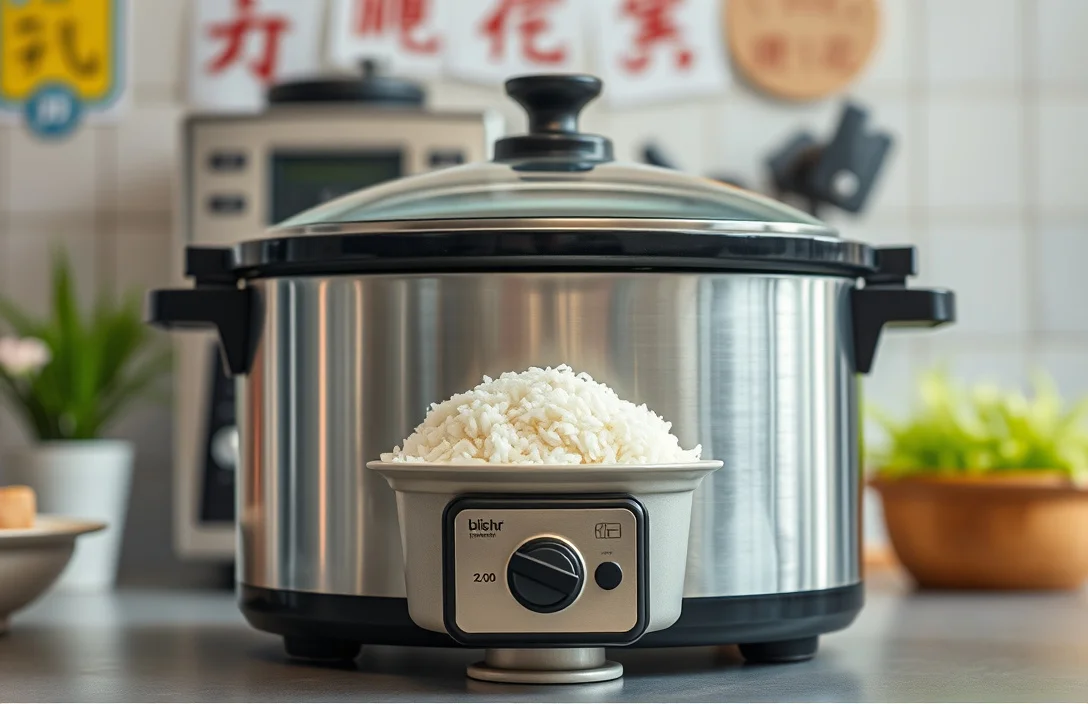
Is A Rice Cooker The Same As A Slow Cooker?
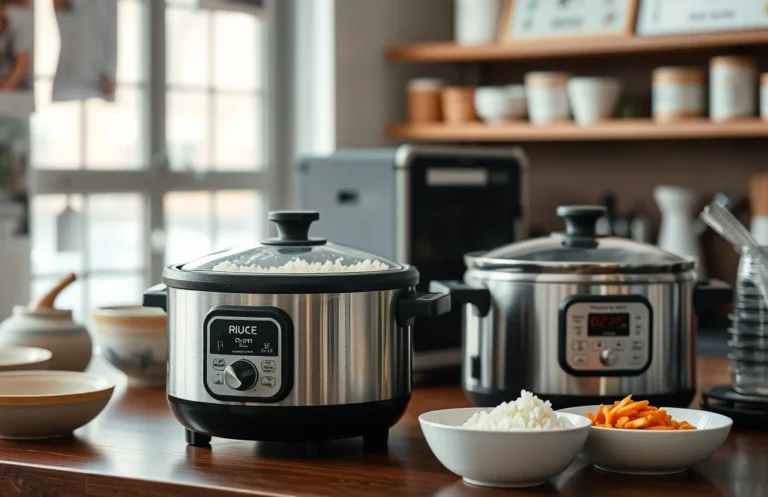
Rice cookers and slow cookers both use a lid and steady heat, but they are not interchangeable. A rice cooker is built to simmer starch-heavy grains until they hit the right texture, then hold temperature, while a slow cooker is built for long, moist braises of meat and stews. This guide answers the “same or not?” question and shows when you can swap, when you cannot, and what to do instead.
Rice cooker and slow cooker are not the same appliance. Rice cookers use a closed pot system tuned for rice starch, typically giving you white rice in 15 to 20 minutes (plus a 10 to 15 minute rest), while slow cookers target hours-long cooking for sauces and tender meats. Swapping them works only for specific, tested recipes.
Key Takeaways
- They are different tools. Rice cookers control rice texture, slow cookers control braise tenderness over hours.
- Swap rarely works. Rice in a slow cooker often turns mushy unless you adjust liquid and time.
- Use ratios correctly. White rice needs about 1 cup rice to 1 1/4 to 1 1/2 cups water, depending on grain length.
- Rest matters. After cooking, rice should rest covered 10 to 15 minutes off the heat, then fluff.
- Cook time is the giveaway. Rice targets 15 to 20 minutes (white), slow cooker targets several hours.
- Choose the right appliance. If you cook rice weekly, a rice cooker is the low-effort, consistent move.
Is a Rice Cooker the Same as a Slow Cooker?
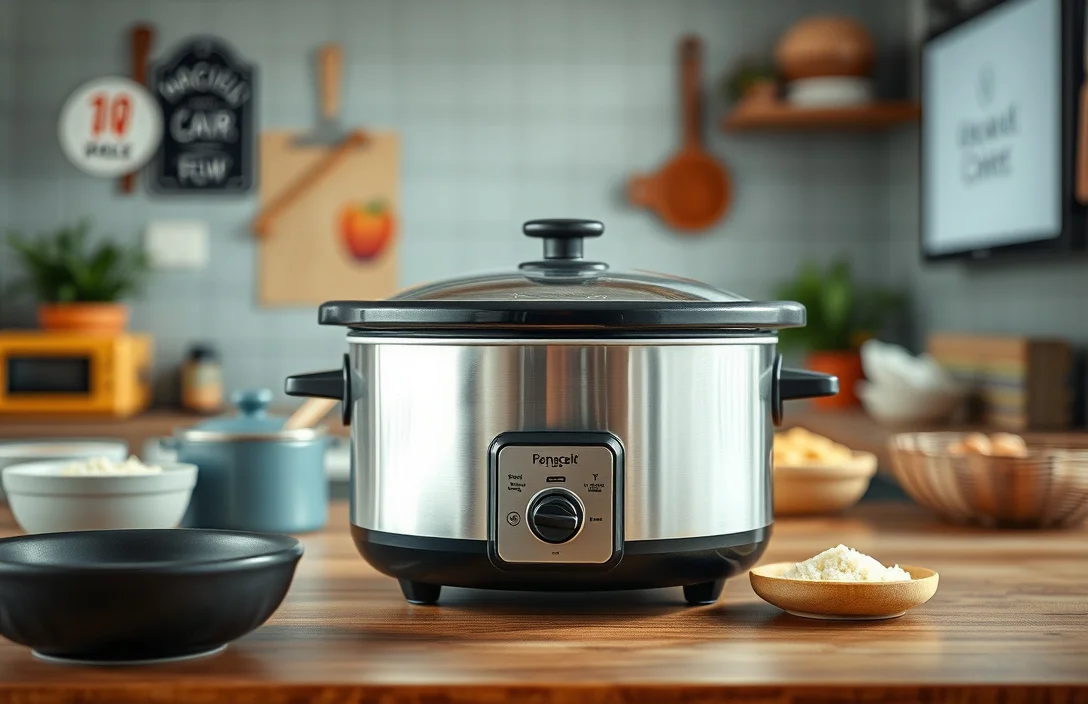
A rice cooker is not the same as a slow cooker. Rice cookers finish rice. Slow cookers finish braises, soups, and stews.
Rice cookers are tuned for rice starch to absorb water, swell, and set into distinct grains, then hold warm. Slow cookers are tuned for breaking down connective tissue in meats and gently simmering soups and stews for hours.
Timing creates the rest of the difference. White rice is commonly cooked in 15 to 20 minutes, then rested for 10 to 15 minutes off the heat before fluffing. Slow cookers typically run for hours, because that long low heat is what turns tough cuts tender and keeps sauces simmered long enough to thicken.
Pot shape and heat behavior matter too. Rice cookers usually use a tighter-lid, rice-specific steaming setup so rice cooks evenly in measured water. Slow cookers are deeper and made for volume and wet dishes. Their longer heat exposure keeps rice starch releasing, which is how you end up with sticky or gummy results.
Use a simple rule: treat them as purpose-built. You can sometimes cook “rice-like” things in a slow cooker, but classic rice texture is unlikely unless the recipe was designed for that method.
Things that matter most
Rice texture versus braise texture decides everything. A rice cooker is built for grains that absorb water and set, often with a shutoff and “warm” mode. A slow cooker is built for ingredients that need time to tenderize in liquid, with heat that stays hot for hours.
| Appliance | What it’s optimizing for | Typical timing | Texture outcome |
|---|---|---|---|
| Rice cooker | Rice starch absorption and grain set | White rice: 15 to 20 minutes, then rest 10 to 15 minutes | Fluffy, separate grains (when water ratio is right) |
| Slow cooker | Long, gentle simmer and tenderizing | Hours-long cycles | Tender meat, developed stew flavors, thickened sauce |
Water ratio matters, but time matters more when you switch appliances. For stove-top reference, long-grain white rice uses 1 cup rice to 1 1/2 cups water, short-grain white rice uses 1 cup rice to 1 1/4 cups water, and medium-grain white rice uses 1 cup rice to 2 cups water. Those ratios work because heat and timing are controlled.
In a slow cooker, that predictability slips. If rice runs longer than a rice recipe expects, it keeps absorbing water and the starch continues to gelatinize. You can get a congee-style texture that tastes good, but it is not classic fluffy rice.
Tips for Switching Between a Rice Cooker and a Slow Cooker
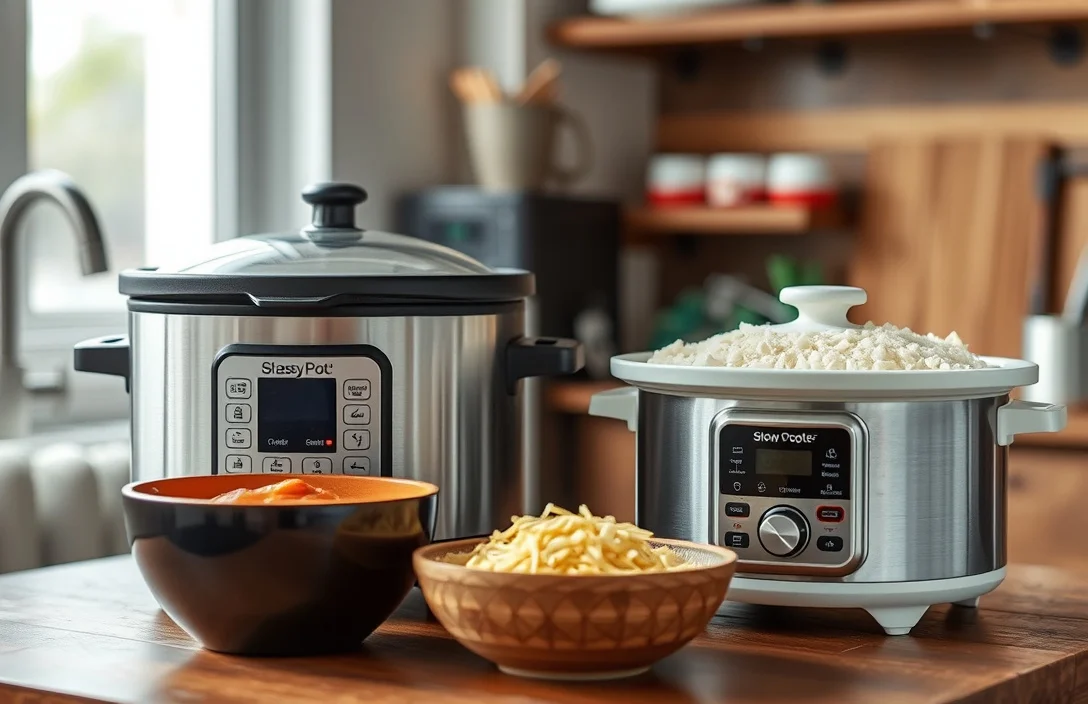
If the question is “can I use one instead of the other,” do it with intent.
- Swap only when the recipe style matches the appliance’s strength. Slow cookers excel at soups, beans, chili, and shredded meats. Rice cookers excel at steamed rice and meals built on precise rice absorption, like many rice cooker egg and veggie mixes.
- Control liquid and check early. Slow cooker time changes how rice behaves. If you try rice in a slow cooker, start with less water than you think you need, then taste well before what you’d expect from a rice cooker or stovetop pot. Fluffy white rice is the hardest texture to nail because slow cooker time is less forgiving.
- Rest rice anyway. Rice needs 10 to 15 minutes, covered, off the heat, then fluff. Skipping the rest can leave rice under-set and clump more.
- Choose rice types that tolerate longer cooking. White rice can go from “done” to “mushy” quickly if exposed too long. Brown rice is slower to cook (often 35 to 40 minutes depending on type), so it can handle extended heat better than white when you want softer rice rather than separate grains.
Here’s a rule set that avoids the common disasters:
- If the recipe expects rice cooker timing (15 to 20 minutes for many white rices), use a rice cooker.
- If you want hours of hands-off cooking, choose a dish where rice is added near the end, or pick a recipe written for slow cooker grains.
- If you’re unsure, plan for a congee or risotto-style result, because those are built around creamy starch and longer simmering.
Ingredients and equipment that change the outcome
Improvising only works if your setup is predictable. A slow cooker insert that sits high above the bottom, a tighter lid seal, and how often you open the lid all change evaporation and simmer intensity. If you want specific rice texture, a slow cooker is harder to standardize because it gives you less control over those steam conditions.
Why People Confuse Them (and What Actually Helps)
Rice cookers deliver reliable grain texture with minimal babysitting. They run on rice needs: measured water, controlled heat, a cook window, then a hold phase. You can set it, wait through the cycle, rest 10 to 15 minutes, then fluff and serve without watching boil intensity or boil-over risk.
Slow cookers deliver tender meat and developed stew flavor from long, gentle heat. The payoff isn’t precise starch absorption. It’s connective-tissue breakdown and hours of simmering so flavors meld.
The real trade-off is job matching. Trying to replace a rice cooker with a slow cooker often creates extra work because you have to compensate with liquid tweaks, shorter cycles if your slow cooker allows them, and extra texture attention. Trying to use a rice cooker for slow-cooker dishes often fails because the heat profile and duration are not meant for breaking down tough cuts over hours.
Options When You Don’t Have the Right Appliance
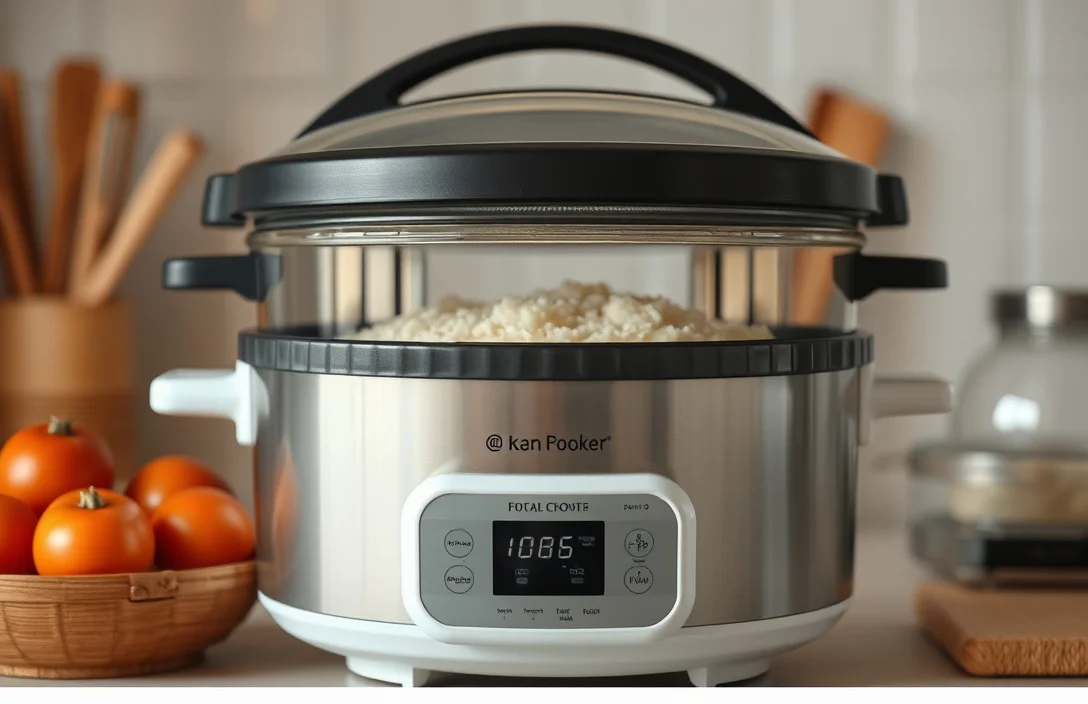
You have three practical paths depending on what you’re cooking.
Option 1: Use each appliance for its purpose
Cook rice in a rice cooker (or on the stove). Cook stews and braises in the slow cooker. This keeps rice predictable and keeps meat tender without guessing.
Option 2: Cook rice on the stove when you only have a slow cooker
If you’re pairing rice with slow-cooked meals, cook rice separately so the slow cooker stays focused on the braise.
Use correct rice-to-water ratios and include a rest. Long-grain white rice is 1 cup rice to 1 1/2 cups water, and you rest off the heat 10 to 15 minutes covered before fluffing.
Option 3: Use the slow cooker for rice dishes that match its strengths
Slow cooking can work for creamy, soft rice dishes:
- congee-style porridge
- rice-and-beans mash-ups
- soups where rice is part of the final texture
In those cases, “mushy risk” is actually the point. For fluffy white rice on the side, slow cooking is usually a mismatch unless you accept a softer result.
Quick decision guide:
- Need fluffy white rice? Choose rice cooker or stovetop.
- Need hours of hands-off braise? Choose slow cooker, add rice separately.
- Want creamy rice soup texture? Slow cooker can work if the recipe is written for it.
Expert Advice for Getting the Right Result
Pick based on what you cook most often, not on convenience myths.
A rice cooker is worth it if you regularly cook rice as a side or base. You get consistency from correct ratios (like 1 cup rice to 1 1/4 to 1 1/2 cups water for many white rices), a cook window that lands around 15 to 20 minutes for white rice, and a final 10 to 15 minute rest off the heat. That rest is where grains finish setting, and skipping it changes texture.
A slow cooker is worth it if your week includes meals that benefit from long cooking. It shines when connective tissue needs time to break down and flavors need hours to meld. In practice, you can prep in the morning, leave it, and serve without worrying about simmer strength.
My “don’t get burned” checklist:
- Don’t use rice cooker instructions for slow cooker timing.
- Don’t use slow cooker recipes expecting crisp, separate rice grains.
- If you try slow cooker rice anyway, taste early and plan to adjust water next time.
- Always rest rice off the heat for 10 to 15 minutes (covered), then fluff.
One grounded point: rice is forgiving, but texture targets are not. “Rice” can be fluffy, sticky, creamy, or porridge-like depending on water, time, and method. Your appliance choice pushes the texture direction, even when you use the right water ratio.
Examples That Show What Happens When You Swap Them
Cooking long-grain white rice on the stovetop usually takes 15 to 20 minutes, then a 10 to 15 minute covered rest off the heat, then fluff. Running that same rice in a slow cooker for hours forces rice to over-steam and keeps starch releasing. Expect soft, sticky rice that may taste fine, but it is not the fluffy side dish you planned.
For a slow cooker beef stew, the goal is tender meat after hours. Adding rice at the wrong time usually creates problems: rice added too late can be undercooked, and rice added too early can turn gummy after extended holding. The easiest fix is to cook rice separately, then portion into bowls when serving so the stew texture and the rice texture stay where you want them.
If you’re trying to use what you have, pick one of these pairings:
- Slow cooker for the main dish, rice cooker or stovetop for rice.
- Rice cooker for rice, stovetop for any quick sauce you want to finish fast.
This strategy prevents the two biggest failure modes: overcooked rice on one side and underdeveloped stew on the other.
FAQ
Can I cook rice in a slow cooker and get the same texture?
You usually won’t get the same texture as a rice cooker. Many white rice recipes cook in about 15 to 20 minutes, then rest covered 10 to 15 minutes off the heat. Slow cookers run for hours, so rice often becomes softer and stickier unless the recipe was specifically designed for that method.
How long does rice take in a rice cooker?
Many types of white rice cook in the 15 to 20 minute range, then you should rest the rice, covered, for 10 to 15 minutes off the heat. Brown rice is typically much longer, around 35 to 40 minutes. Always follow your rice cooker’s instructions for the specific rice type.
Is it safe to use a slow cooker like a rice cooker overnight?
Cooking overnight in a slow cooker increases the risk of mushy, overcooked grains because it’s designed for hours-long cooking. If you want “set and hold” convenience, a rice cooker is the right tool since it’s tuned for rice and has a keep-warm style phase. For food safety, don’t leave perishable food out at room temperature longer than recommended.
What’s the easiest way to serve rice with slow cooker meals?
Cook rice separately in a rice cooker or on the stovetop, then serve it alongside the slow cooker stew. Use correct water-to-rice ratios, cook until tender, then rest 10 to 15 minutes covered off the heat and fluff gently. This protects rice texture from the slow cooker’s long heat cycle.
What’s the most common mistake people make when swapping these appliances?
They use the wrong timing. They either run rice for hours in a slow cooker or they expect a rice cooker to braise meat for the multi-hour time a slow cooker needs. Match the appliance to the job, then fine-tune liquid and rest for rice.
If you mainly want fluffy rice, use a rice cooker (or stovetop) and keep the slow cooker for stews. Tell me what rice you’re cooking (white, brown, sushi rice, jasmine) and what recipe you’re adapting, and I’ll help you choose a realistic swap plan and timing.

- 10 Best Slow Cooker With Leak Resistant Lid 2026 (Tested And Reviewed) - October 24, 2026
- 10 Best Slow Cooker With Spill Proof Design 2026 (Tested And Reviewed) - October 24, 2026
- 10 Best Slow Cooker With Locking System 2026 (Tested And Reviewed) - October 24, 2026