Is A Slow Cooker A Pressure Cooker?
Slow cookers and pressure cookers both make food tender, but they do it for different reasons. A slow cooker cooks at a gentler temperature over hours, while a pressure cooker seals the pot and raises the boiling point. If you’re wondering “is a slow cooker a pressure cooker?”, the practical difference is timing, doneness cues, and how (or whether) recipes swap.
Key Takeaways
- Not the same appliance. A slow cooker cooks unpressurized at low heat, while a pressure cooker cooks under sealed pressure.
- Times change a lot. Plan on hours in a slow cooker, and much shorter cook times in a pressure cooker.
- Moisture behaves differently. Slow cooking holds onto liquid; pressure cooking can reduce faster because steam escapes and cooking happens more aggressively.
- Texture expectations differ. Tough cuts turn tender in a slow cooker with time; pressure does it quickly.
- Recipes swap imperfectly. Temperature and sealing change results, so conversions need care.
- Use the right “doneness” check. Tenderness, internal temperature, and consistency matter more than the timer.
Is a slow cooker a pressure cooker?
No. A slow cooker cooks in an unpressurized crock, so there’s no pressure buildup and no boosted boiling temperature.
The lower heat means slow cooker recipes depend on time to break down collagen and soften starches. Pressure cookers do the same job faster by cooking at higher effective temperatures inside a sealed pot.
When you swap one for the other, treat it like a different cooking method, even if the dish on the plate looks similar – shredded chicken, creamy beans, or a pot of stew.
Things that matter most
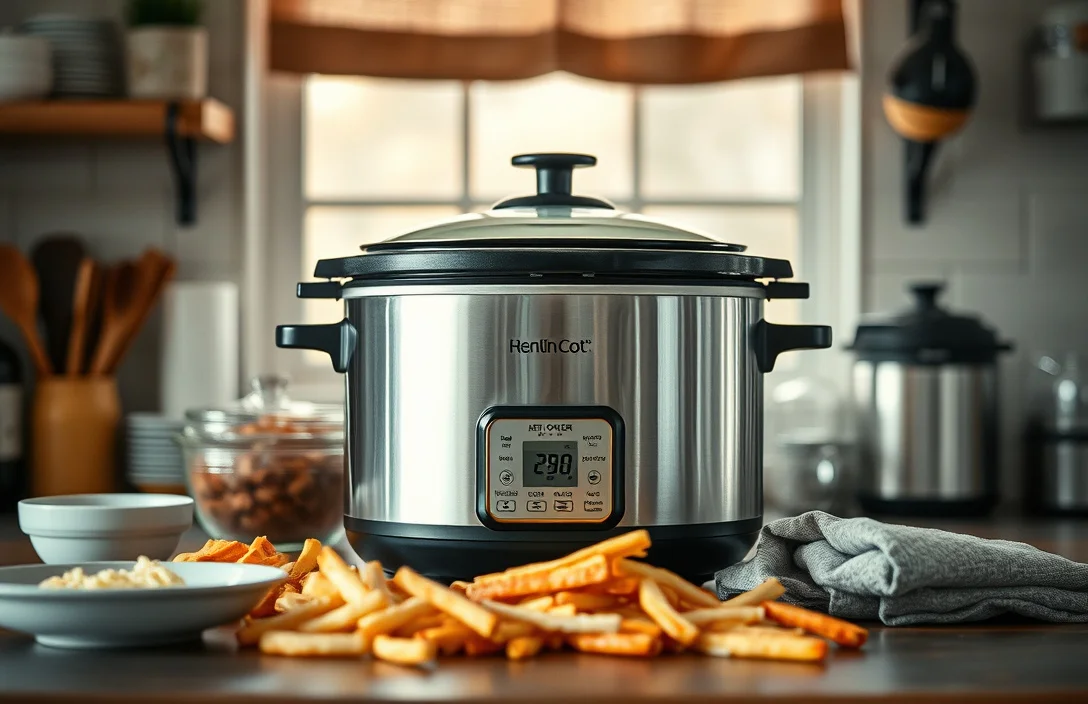
A slow cooker holds a steady, gentle temperature. A pressure cooker seals the pot, builds pressure, and increases effective cooking temperature in a closed chamber. That’s why “same ingredients” can still taste and feel different.
Lids work differently, too. Slow cooker lids sit on top of the crock, but the cooking environment isn’t pressurized. You can usually stir without triggering a safety shutdown, though every lid-off moment can add time.
Liquid management follows the physics. Slow cookers are built to keep food moist for hours. Pressure cookers often vent at the end, and the faster cooking plus steam release can concentrate flavors as liquids reduce.
A simple way to remember it:
- Slow cooker – long, gentle simmer, mostly set it and forget it
- Pressure cooker – sealed, faster cooking, then quick release and sometimes liquid reduction
Tips for swapping cooking methods
Doneness beats conversions. Instead of chasing minute-for-minute timing, use texture targets.
- Shredded chicken should pull apart easily with a fork.
- Beef should be tender enough to cut with minimal resistance.
- Stew should have the consistency you want without relying on exact clock time.
Start with the right cut and prep for your method. Tough cuts like chuck, brisket, and bottom round do extremely well in a slow cooker. Pressure cooking shines when you want tough meat tender in a fraction of the time.
Plan for freezer-to-cooker differences. A slow cooker can be more predictable with thawed meat. If you start with frozen meat, slow cooker cook time usually increases, and it’s worth following your model’s safety guidance.
If you’re moving a pressure cooker recipe into a slow cooker, don’t just “add hours.” Pressure recipes often use less liquid, different seasoning balance, and shorter total time where textures land differently.
A practical swap strategy:
- If a recipe says pressure cook for 20 minutes, expect a slow cooker version to take several hours.
- If a recipe says sauté first, brown the meat in a skillet before slow cooking for flavor.
- If a recipe calls for quick release, a slow cooker won’t replicate that exact steam/vent timing. Aim for tenderness instead.
Benefits of using a slow cooker (and what you gain)
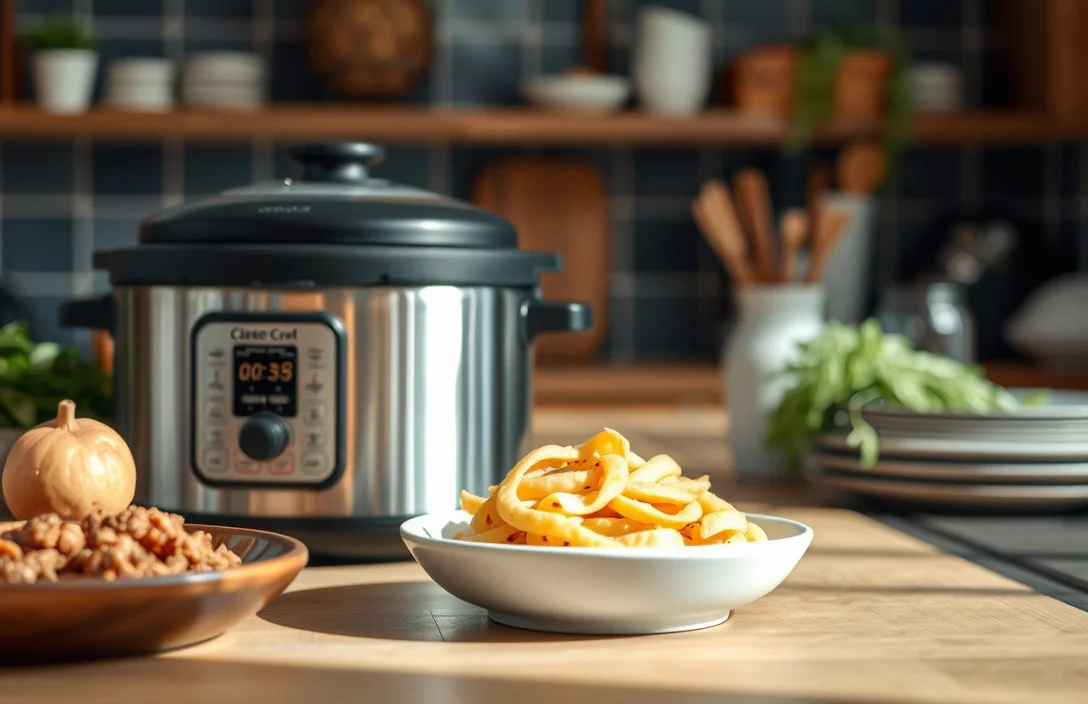
Slow cookers deliver low-stress cooking and consistent results for meals that get better with time – stews, chili, soups, and braised-style comfort food, especially when you’re using the slow cooker method for beans and tough cuts.
You also get a hands-off rhythm. Add ingredients, choose low or high, and let time do the work. That matters because you’re not watching a boil or managing minute-level timing.
Long cooking helps collagen break down, which is why shredded beef and stew meats often turn melt-in-your-mouth tender. If your schedule runs late, slow cookers are also designed for safe holding with the keep-warm settings and proper food safety practices. Pressure cookers are fast; slow cooking is built for extended gentle finishing.
Options if you’re choosing between appliances
If your real goal is easy tender meals, you’ve got a few workable routes:
| Option | Key Spec / What It Does | Best For | What Changes |
|---|---|---|---|
| Slow cooker | Unpressurized pot, low steady simmer | Set-and-forget stews, braises, beans, chili | Longer time, usually more liquid retention |
| Pressure cooker | Sealed pot with pressure, higher effective temps | Fast tender results, quick weeknight cooking | Short cook times, venting and liquid concentration |
| Instant Pot (pressure + other modes) | Pressure cooking plus slow cooker-like low/simmer modes | One appliance for both speed and simmer | Mode settings matter, cook times differ by mode |
| Dutch oven (braise) | Oven or stovetop simmer with lid | Deep flavor, browning + controlled braise | More supervision, different evaporation rate |
If you already own a slow cooker but want faster results, brown or sauté first – in a skillet or a sear in your oven – then finish in the slow cooker on high. You won’t match pressure-cooker speed, but you can close the flavor gap.
If you already own a pressure cooker, you can still get “slow cooker vibes” using its slow/low heat modes. Expect different texture outcomes, though. “Slow mode” in a multi-cooker isn’t the same as classic long, gentle crock cooking in every detail.
How to get doneness right (without conversion math)
Use a conversion mindset, not a conversion equation. Pressure cooking finishes faster because heat and steam work differently, so both time and moisture outcomes change.
When you build or rewrite a slow cooker meal, pick a texture target first:
- Fork-tender stew comes from collagen breakdown and simmer time.
- Shredded meat depends on internal tenderness and whether fibers separate easily.
- Creamy beans come down to cooking time plus salt timing and the amount of liquid.
A simple, reliable slow cooker doneness method:
1) Cook until meat shreds easily or stew meat cuts with minimal resistance.
2) Check internal temperature for safety, especially for chicken and pork.
3) Adjust consistency at the end – usually by thickening with a slurry or adding more time on low/high.
Don’t crowd the pot. Slow cookers fit a volume range, and overfilling can slow heating and stretch cook times. People often call that “my slow cooker isn’t working” when the real issue is capacity.
Vegetables behave differently, too. Quick-cooking vegetables like spinach often need to go in late or they’ll turn soft and dull. Pressure recipes sometimes assume faster cooks and earlier timing, so slow cooker vegetable timing is usually longer unless the recipe specifically accounts for it.
Examples: same goals, different methods
Slow cooker example: “Beef stew that shreds”
- Put cubed beef (chuck or similar) in the crock with onions, carrots, and a thickening-friendly liquid (broth or sauce).
- Cook on low until the beef shreds easily with a fork.
- Add herbs and tender vegetables near the end so they keep some structure.
- Adjust salt and thicken if needed, then serve.
This works because slow cooking gives the meat time to become tender without needing pressure.
Pressure cooker comparison
- Sear beef first (if your model allows), add vegetables and liquid, then pressure cook for a much shorter time.
- Use natural release when your recipe needs extra tenderness, then reduce if you want a thicker stew.
- Add delicate vegetables after pressure cooking, or cook them briefly under pressure depending on the recipe.
Same ingredients can still land differently. Slow cooking often blends flavors more and softens vegetables more if you add them early. Pressure cooking can keep a stronger bite unless you plan around it.
Slow cooker “set-and-hold” example: “Chicken in sauce”
- Place chicken in the crock with sauce and cook until it reaches safe internal temperature and pulls apart easily.
- Keep warm briefly if your schedule runs late.
- Shred or slice, then stir the chicken back into the sauce.
Slow cooking keeps moisture in and makes texture targeting straightforward. Trying to get the same shredding result as a pressure cooker shortcut can mean overcooked chicken before it reaches your exact texture.
FAQ
Is a slow cooker the same thing as a pressure cooker?
No. A slow cooker cooks unpressurized at lower heat for longer periods. A pressure cooker seals the pot and builds pressure to raise the boiling point, which makes cooking much faster. If a recipe says “pressure cook,” you can’t expect the same results from a slow cooker without changing cook time and sometimes liquid amount and thickening steps.
How do cooking times compare between slow cookers and pressure cookers?
Pressure cooking usually finishes in minutes because the sealed, pressurized environment cooks faster. Slow cooking typically takes hours because it relies on gentle simmering at a lower temperature. When you convert recipes, don’t copy the same number of minutes. Use doneness – tenderness and internal temperature – to guide you.
Can I use a slow cooker instead of a pressure cooker for chicken?
Yes, but expect longer cook times and different texture. Chicken in a slow cooker should reach safe internal temperature and become easy to shred or cut. If you’re swapping, add tender vegetables late and avoid cooking thin chicken too long on high to prevent stringy texture.
What’s the biggest mistake people make when swapping recipes?
Treating it like a simple time conversion. Pressure cooker recipes often assume less total time and different moisture behavior because the pot is sealed and then vents. In a slow cooker, that can leave you with under-tender meat, watery sauce, or overly soft vegetables unless you adjust based on doneness cues.
Is there a faster alternative if I only have a slow cooker?
Use the slow cooker’s highest setting (often called high) and speed up prep for faster breakdown, like cutting meat smaller or browning first in a skillet for flavor. Another option is switching to a multi-cooker that can pressure cook. If you go the pressure route, follow that device’s instructions rather than trying to force a slow cooker timing shortcut.

- 10 Best Slow Cooker With Spill Proof Design 2026 (Tested And Reviewed) - October 24, 2026
- 10 Best Slow Cooker With Locking System 2026 (Tested And Reviewed) - October 24, 2026
- 10 Best Slow Cooker With Insulated Lid 2026 (Tested And Reviewed) - October 23, 2026