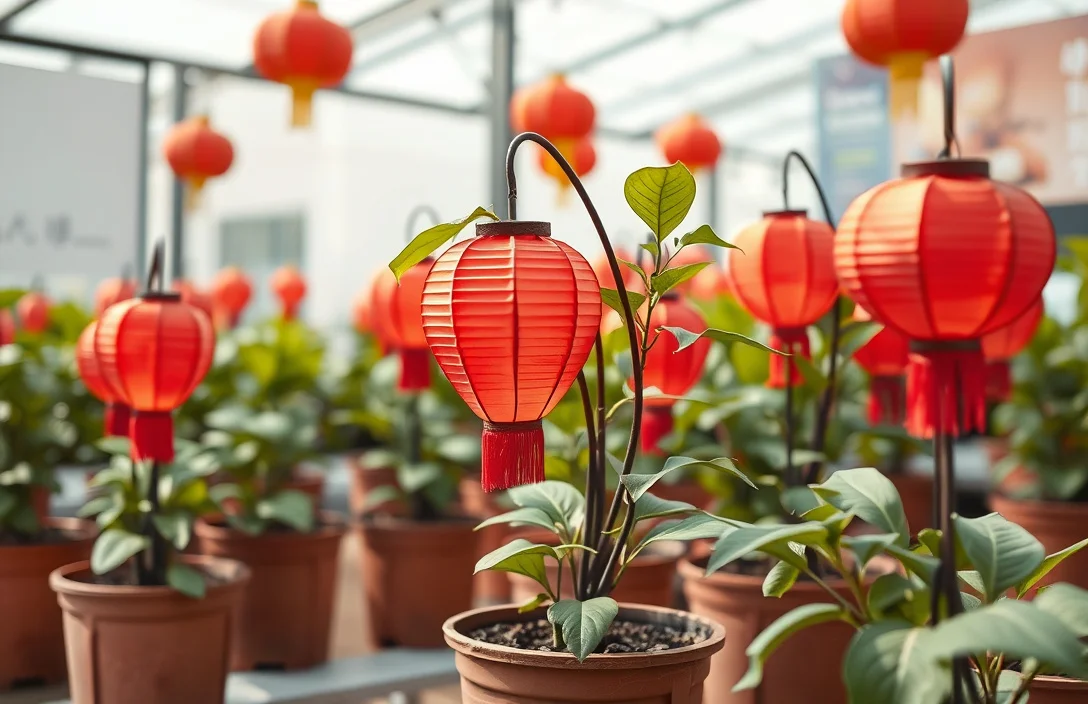
Chinese Lantern Plant In Pots: Best Care, Pot Size & Light
Chinese lantern plant in pots (often sold as Physalis alkekengi) can look amazing for months, but container care decides whether you get those signature papery “lanterns” or a struggling, messy plant. This guide covers a practical U.S. setup, including pot sizing, soil and drainage, light, watering, and what to prune. You will also see the most common container problems and how to stop them early.
Chinese lantern plants in pots do best in a large container with excellent drainage, full sun to bright partial sun, and soil that dries slightly between waterings. Use a pot with drainage holes, keep the root zone consistently moist but not soggy, and feed lightly during active growth, then cut back as the plant senesces.
Key Takeaways
- Pot size matters most. Choose a container at least 12 inches wide with drainage holes to limit root stress and flopping.
- Drainage prevents rot. Use a gritty mix with compost plus perlite or pumice so water runs through within seconds.
- Sun drives lantern color. Aim for full sun for the best “lantern” formation and deeper orange-red tones.
- Water when top dries. Water thoroughly when the top inch feels dry, then empty saucers after draining.
- Fertilize lightly. Feed sparingly in spring and summer to avoid weak, floppy growth.
- Prune for shape. Cut back after lanterns fade and control spread by containing roots in the pot.
Chinese Lantern Plant in Pots: Best Care Setup
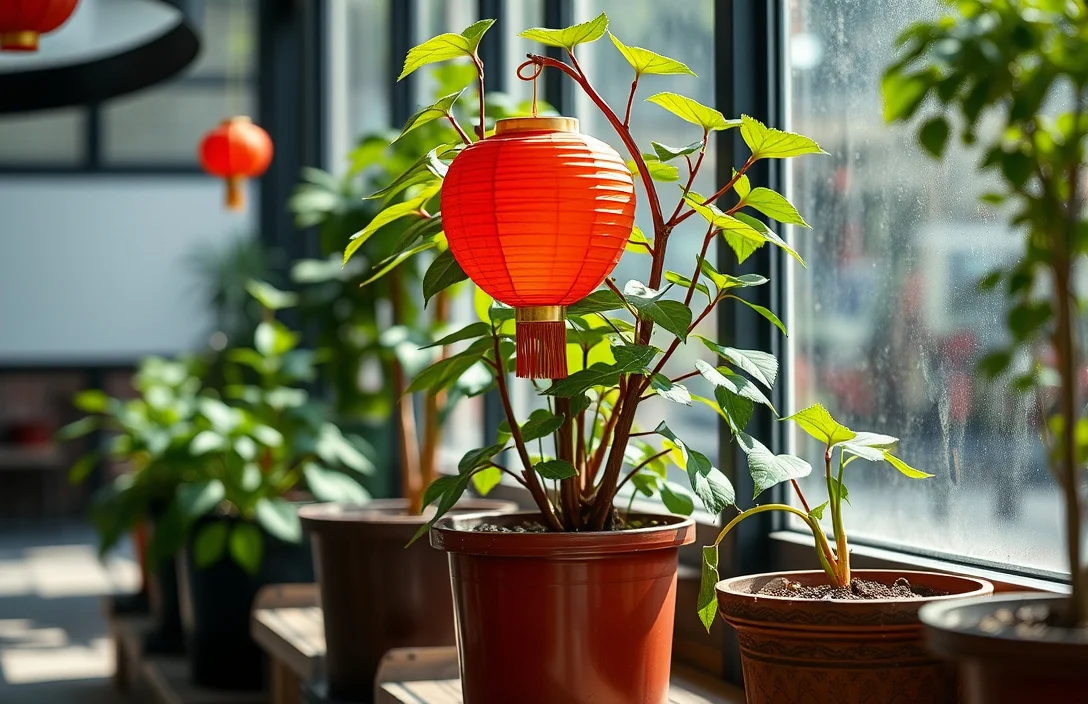
Chinese lantern plant care in containers comes down to three things: containment, drainage, and strong light. The plant grows vigorously. If the pot is too small or the soil stays wet, you’ll see weak stems, yellowing leaves, and lanterns that never really show.
Pick a pot with multiple drainage holes and use a fast-draining potting mix. Add a gritty amendment like perlite or pumice, and place the pot where it gets strong sun for most of the day. If you want the lantern display to look tidy, stake some stems and plan light pruning during active growth.
Do this, not that:
- Do use a pot at least 12 inches wide (bigger is usually better).
- Do keep soil evenly moist, then let the top inch dry before watering again.
- Do give full sun (or near-full sun).
- Don’t let water sit in the saucer.
- Don’t use dense garden soil straight in the pot.
How Big Should Your Pot Be
Pot size is the difference between a controlled plant and a root-bound mess. Chinese lantern plants develop a robust root system, and containers that are too small lead to stress, faster drying, and weaker flowering.
For most U.S. home setups, start with a pot at least 12 inches wide and deep when you begin with a small nursery plant. For a stronger lantern display and fewer quick-drying cycles, go larger – 16 inches wide is a common “sweet spot” for many gardeners with patio space.
Large pots also smooth out watering swings during heat. In summer, small containers can swing from dry to soggy fast, and that’s where you see leaf drop and root stress.
When you’re choosing between one bigger pot and two smaller ones, go bigger when you can. You get steadier moisture, fewer root boundary problems, and lantern stems often look more substantial with room to grow.
Soil Mix and Drainage for Potted Chinese Lantern
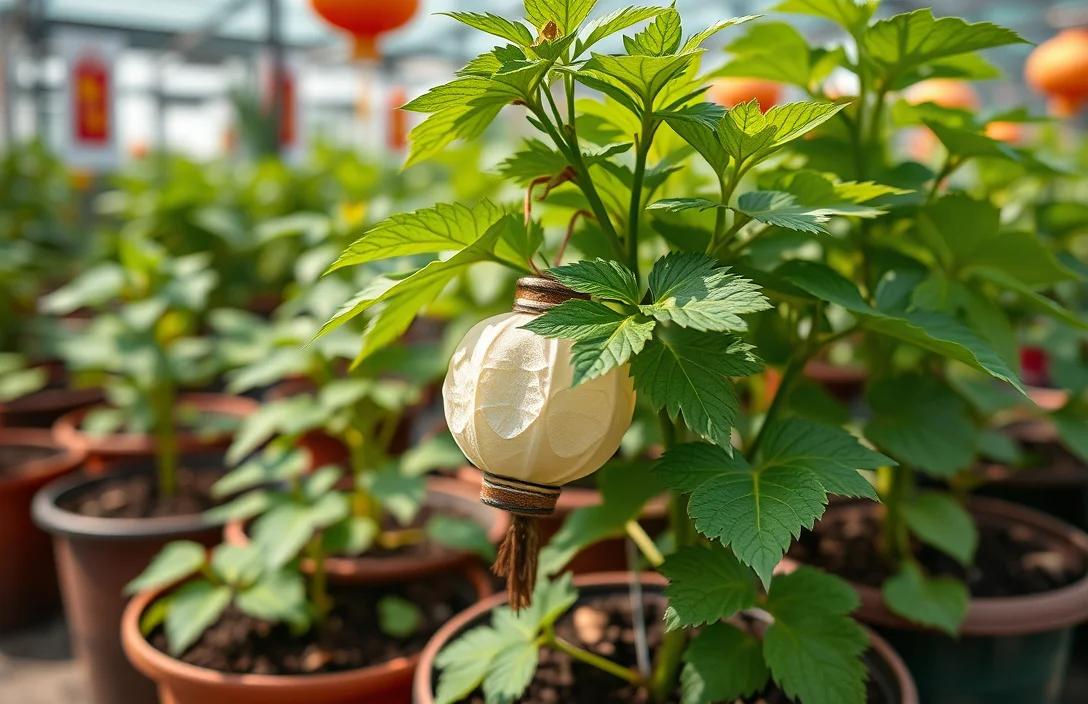
Chinese lantern plants dislike soggy roots more than they dislike slightly dry soil. The right potting mix prevents rot while still holding enough moisture to support lantern development.
Start with a high-quality potting mix, then make it airier with perlite or pumice. A practical target is roughly “potting mix plus 25% to 40% grit” because containers need faster drainage than in-ground beds. If you’re unsure what to buy, look for perlite or pumice specifically, not vague “fluffy” mixes that can still hold too much water.
Drainage holes are non-negotiable. After watering, water should run through quickly, and the pot should not stay saturated for long. If water trickles slowly and the pot feels heavy after watering, the mix is too dense or the potting depth is too compact.
To check drainage fast:
- Water the pot until you see runoff.
- Wait 10 to 15 minutes.
- If the top surface still looks wet and the pot feels heavy, add more perlite/pumice, or switch containers.
Also avoid burying the plant too deep. In containers, the crown can suffer when stems sit in wet soil for too long.
Light and Temperature for Red Lantern Blooms
Lantern color depends on strong light. In pots, weak light often produces tall, floppy growth and fewer or less dramatic lanterns, even when you water and feed correctly.
Aim for full sun, or at least bright light for most of the day. Many gardeners in the U.S. keep Chinese lantern plants outdoors from spring through early fall, then move the pot or protect it when nights get cold enough to damage tender growth.
Temperature connects to moisture management. In summer, keep moisture consistent without leaving the root zone wet, and make sure the pot drains well. In cooler seasons, growth slows, and cold stress can reduce lantern performance depending on local conditions.
If you want color, don’t hide the plant in shade. Lanterns need energy to form the papery husks, and low light steals that energy. With enough sun, you can expect more compact growth and a cleaner lantern display.
Rotate the pot if your light comes from one direction. A weekly turn helps prevent uneven stem growth and leaning.

Helpful pick
Areutxbis 8 Inch Wave Plant Pots with Drainage Holes & Saucers, 4 Pack Modern Textured Medium Planters for Indoor Outdoor Plants, Decorative Flower Pots Set for Flowers, Herbs (Multicolor)
Eight-inch wave pots with drainage holes prevent waterlogging, fostering healthy growth under bright light.
Watering Schedule for Container Chinese Lantern Plant
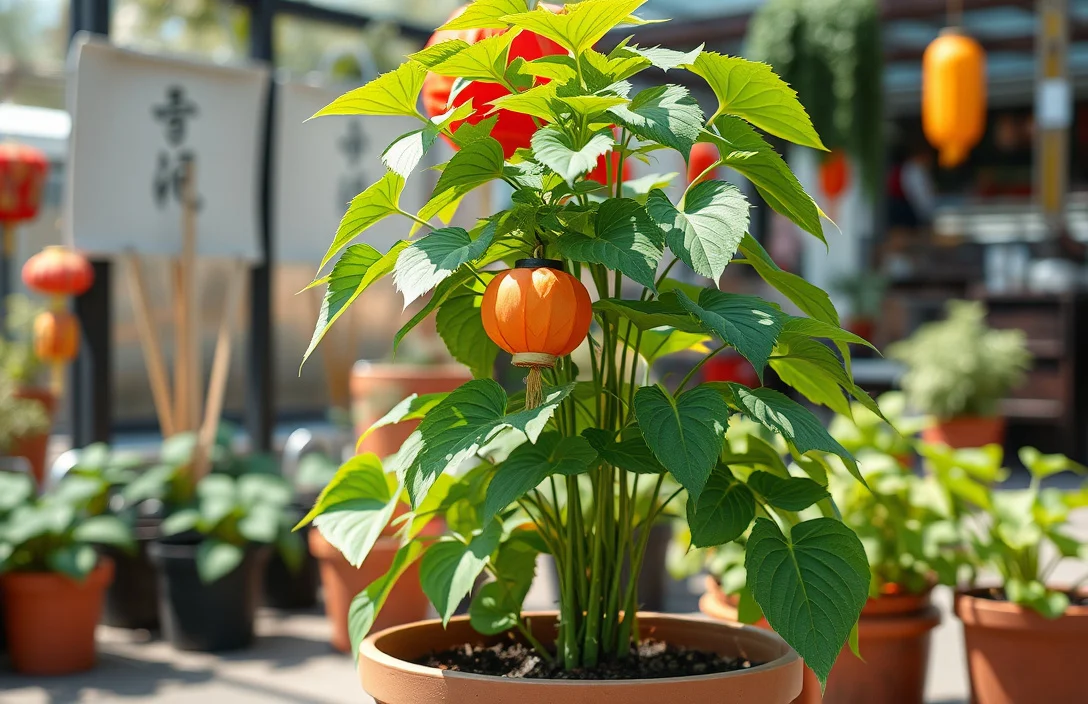
Watering is where most pot failures happen, but it’s also the easiest to correct. Chinese lantern plants like moisture, not waterlogging. In containers, drainage is the whole game.
Use this rule: water thoroughly when the top inch of soil feels dry to the touch. Water until it drains from the bottom, then empty any water sitting in the saucer or decorative outer pot liner.
In hot U.S. summer weather, that often means anywhere from every couple of days to once or twice a week, depending on pot size, soil mix, and sun exposure. In cooler weather, expect it to slow to about once a week or less. Instead of following a calendar, use the finger test.
Keep moisture steady during active growth and lantern formation. Letting the soil swing from dry to heavily wet can stress the plant and trigger leaf drop.
Troubleshoot quickly:
- Wilting with dry top inch. Water immediately, then return to the top-inch rule.
- Yellowing with consistently wet soil. Cut back watering and improve drainage (more grit, check pot holes, avoid saucers that trap water).
- Mushy stems near the soil line. Stop watering and check whether the mix holds too much water.
Avoid misting as your main strategy. The problem in pots is root-zone moisture, not leaf surface humidity.
Helpful pick
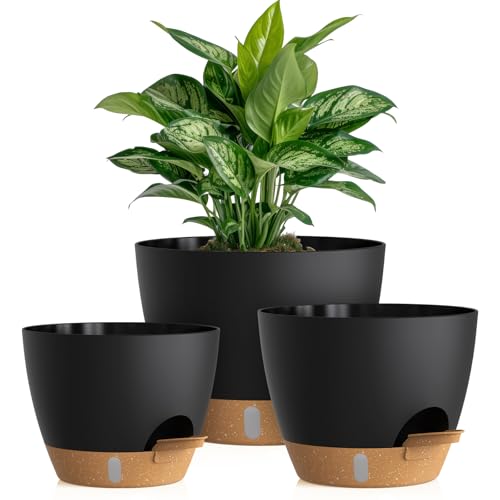
KUGAZ Self Watering Pots with Drainage Holes, 3 Pack 12/10/8 Inch Plant Pots with Water Level Indicator Deep Reservoir, Large Plastic Planter for Indoor Outdoor Plants – Black Brown
KUGAZ pots with water level indicators help you follow a moisture-conscious watering schedule, preventing overwatering while maintaining proper drainage.
Fertilizing and Pruning in a Pot
Fertilizing in pots should stay modest. Too much fertilizer pushes soft, lush growth that flops and turns the plant into a “green mess” with fewer, less tidy lantern husks.
Feed during active growth in spring and summer using a balanced fertilizer at a reduced rate (for example, follow the label but use it more lightly for container plants). If you see rapid, soft growth with lots of leaves but fewer lantern husks, scale back.
Pruning keeps the plant shaped and improves airflow. Chinese lantern plants get bushy, and overcrowded containers stay wetter inside, which can raise pest and disease risk. Remove yellowing leaves and trim leggy stems to keep the plant upright.
If you want a presentable pot on a patio, stake early. Lantern stems can get heavy once the papery husks fill out, and staking helps prevent collapse.
After the lanterns fade, cut stems back to a manageable size. Many home gardens see re-sprouting, but the speed depends on container conditions.
Prune cleanly:
- Use sharp scissors or pruners.
- Sterilize blades if you’ve dealt with disease.
- Don’t remove more than about a third of the plant at once unless you’re doing a major tidy-up after lantern season.

Helpful pick
YNNICO Indoor Self Watering Planters with Drainage Holes and Saucers, 8, 7, 6.5, 6, 5.5, 5 Inches, Black, 6 Pots
These pots offer drainage and suitable sizes to manage modest feeding and tidy lantern husks.
Common Problems With Potted Chinese Lantern Plants
Container issues usually trace back to one of four causes: too little sun, wrong soil, inconsistent watering, or a pot that’s too small. Fix the root cause, and symptoms often improve within a couple of weeks.
Yellowing leaves usually come from overwatering or low light. Wet soil strains roots and slows health. Shade limits energy production, so the plant struggles to grow well and form lanterns.
Floppy, tangled growth is common when the plant outgrows the pot or when fertilizer is too heavy. Containers can’t spread roots like in-ground plantings, so stems have a harder time staying upright.
Pests tend to show up on stressed plants. Check new growth for aphids and inspect leaves for chewing damage. Fix the stress first (light, watering, drainage), then treat pests if their numbers rise.
My first checks when something goes wrong:
- Soil stays wet – increase drainage and cut back watering.
- Not enough sun – move to full sun exposure for a few hours more daily.
- Pot too small – move up one size class (12 to 16 inches).
- Overfeeding – reduce fertilizer rate and use less nitrogen-heavy options.
Also be careful with saucers and decorative outer pots. They trap water and quietly create the soggy-root environment the plant hates.
FAQ
1) How much does a Chinese lantern plant in pots cost to maintain?
Chinese lantern plant maintenance is usually inexpensive because the biggest recurring costs are potting mix and fertilizer. You will still spend time on watering, especially in hot U.S. summers, but you can reduce how often you need to water by choosing a larger pot and using a fast-draining, moisture-retentive mix. If you repot yearly, that costs more, but larger containers often mean less frequent repotting.
2) How long does it take for lanterns to show up in a container?
Lantern timing depends on planting size, light level, and outdoor temperatures, so there’s no single day-count that fits every situation. In practice, stronger light and steadier growth lead to earlier and more visible husk formation. Partial shade or overwatering can delay lantern development or make it sparse.
3) Are potted Chinese lantern plants safe to keep around pets or kids?
Chinese lantern plants can be a problem around pets and kids because parts of Physalis plants are not considered safe to ingest. Keep the pot where curious chewing can’t reach stems and leaves, and supervise children and pets outdoors. If you suspect ingestion, contact a medical or veterinary professional for advice right away.
4) What is the quickest way to fix a Chinese lantern plant that looks wilted?
Check the soil moisture at the top inch. If it’s dry, water thoroughly, let it drain completely, then go back to the “top inch dry” routine. If the soil is still wet or heavy, reduce watering and confirm the pot has clear drainage holes, since root stress from overwatering can also cause wilting.
5) What is a common mistake people make with container Chinese lantern plants?
The most common mistake is keeping the pot too small or the soil too wet. Small pots dry out quickly, which stresses the plant, while dense mixes and full saucers trap water and can rot roots. Use a bigger container, add perlite or pumice, and empty saucers after draining.

- 10 Best Slow Cooker With Cool Touch Handles 2026 (Tested And Reviewed) - October 22, 2026
- 10 Best Slow Cooker With Quality Construction 2026 (Tested And Reviewed) - October 22, 2026
- 10 Best Slow Cooker With Premium Construction 2026 (Tested And Reviewed) - October 22, 2026