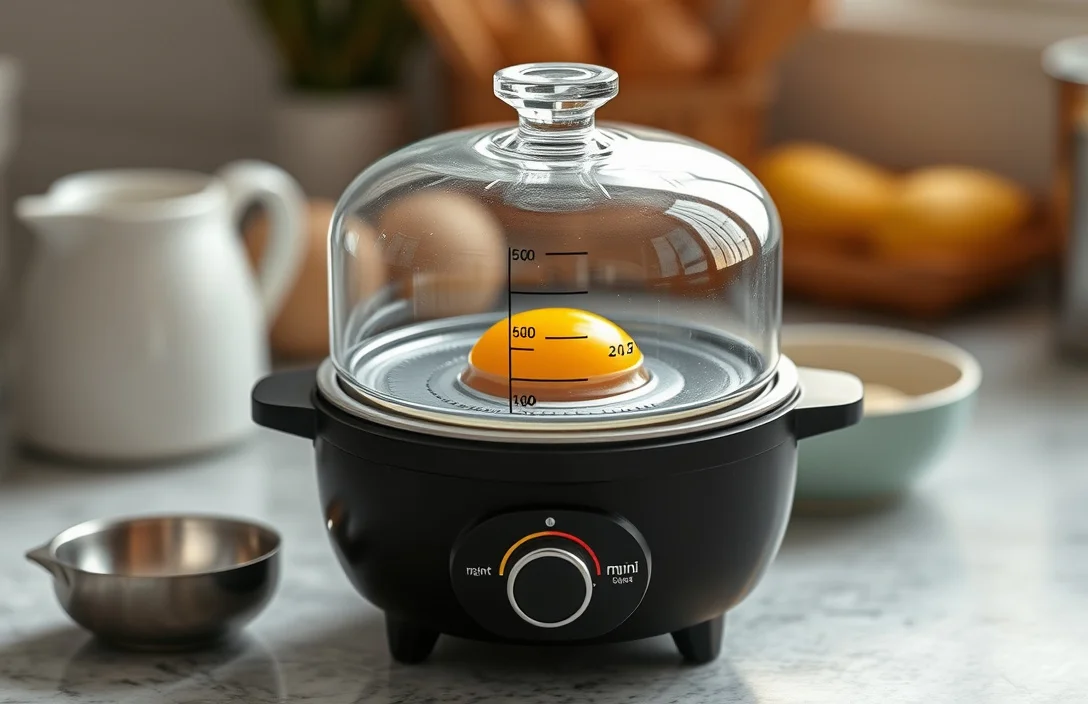
Mymini Egg Cooker Water Measurements Explained Simply
MyMini egg cookers get confusing fast because the “right” water level depends on both egg size and how you like the yolk. Too little water can leave eggs underdone, and too much can push you into watery whites. Use the measurements below so you can repeat the texture you want every time.
Water measurement for a MyMini egg cooker depends on the model’s fill line and egg size, but the reliable method is to use the cooker’s marked “MAX” line for your batch size, then fine-tune in small increments. Start with the recommended water level in your manual, then change by about 1-2 mm next time to move between “jammy” and “fully set.”
Key Takeaways
- Use the fill lines. Your model’s MAX and marked lines beat guesswork every time.
- Match egg size. Large eggs need slightly more water than medium eggs to avoid runny centers.
- Keep the same batch. Cooking 1 egg versus 6 eggs changes heat behavior.
- Adjust in tiny steps. Move water level by about 1-2 mm to fine-tune doneness.
- Doneness beats water level. Watery whites mean reduce water; runny yolks mean increase it.
- Re-test after changes. Cold eggs from the fridge can shift results even with the same water line.
What to Know About mymini egg cooker water measurements
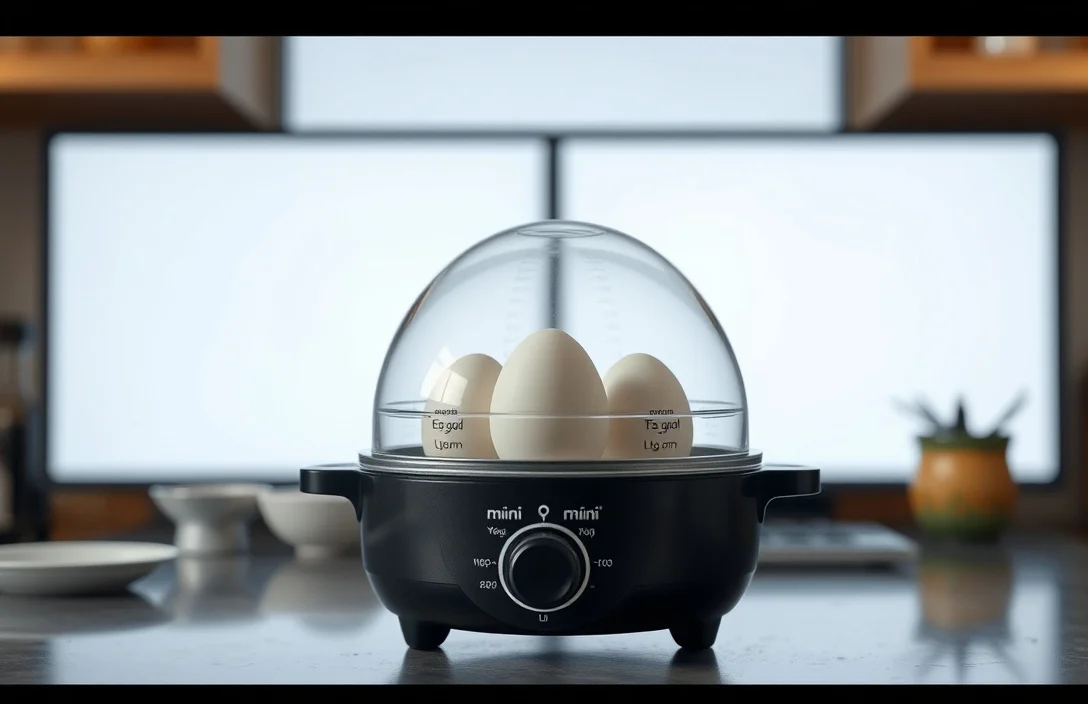
Water level controls texture in most small electric egg cookers, including MyMini-style units that boil water in a chamber and steam the egg. Too little water can create uneven heat, and too much water can keep cooking longer than you intended.
The biggest gotcha is that search results for “mymini egg cooker water measurements” often blend multiple models. A number that works on someone else’s unit can miss on yours. Use your cooker’s indicator for the batch size you’re cooking.
Locate the water indicator on your specific cooker – a printed scale on the base, clear “MAX” lines, or a measuring cup included with the device. If your unit uses “cup” or line marks instead of milliliters, follow those marks exactly the same way each time. Consistency matters more than chasing milliliter-perfect precision because small fill shifts behave like small time changes.
Things that matter most
Water level and cook time act together. Compact egg cookers heat quickly and then rely on remaining water to keep the cycle going, so changing water affects both steaming intensity and how long the heating runs. That’s why you can’t treat water measurement like a standalone setting.
Batch size also matters. When eggs are crowded, steam distribution changes and the effective cooking can run slightly faster. Switching between cooking 1 egg and cooking a full tray can shift results even if your water line stays the same.
Use this checklist to stop the “why did it turn out different?” loop:
- Confirm the model’s fill scale. Use the lines on your device, not a generic ratio.
- Start with room-temp eggs when possible. Cold eggs often need a slightly different water level.
- Use the same egg count. Adjust water only after you keep count constant.
- Change one variable at a time. If you adjust water, keep any built-in timer/button settings unchanged.
- Watch the steam cycle. If your unit stops early, you likely underfilled.
- Record your settings. Write down egg count, egg size, and the exact line you used.
Tips for mymini egg cooker water measurements
Run a “calibration batch” instead of guessing repeatedly. Cook one batch using the manual’s guidance (or your most confident starting point), then change only the water level next time by a tiny amount. In most MyMini-style setups, that “tiny amount” is about 1-2 mm on a clear scale or one small step on a line-based gauge.
If you want firmer eggs because you’re getting too much softness (jammy whites or runny centers), increase water slightly. If whites turn out loose or watery and the yolk is already beyond your target, reduce water slightly. If you overshoot, don’t make a big jump back. Move gradually, because water level changes can feel like changing time.
Build reliable habits into every cook:
- Measure from the same reference point. Pour until the meniscus sits at the same line.
- Pre-check the water chamber. Keep it empty and dry before each fill.
- Avoid adding water mid-cycle. It disrupts the heating pattern.
- Let cooked eggs rest. A 1-2 minute rest changes yolk firmness as they finish setting.
- Use cold water shock for easier peeling. That can also tighten texture for some people.
Egg size changes everything, and switching brands can be enough to throw you off. If you usually cook “large” eggs and switch to “jumbo,” your usual water line can undercook the center even if your routine stays identical.

Helpful pick
Dash Rapid Egg Cooker – Boiler, Poacher & Steamer – Includes Measuring & Recipe Guide – Dishwasher Safe – BPA Free – Holds 7 Eggs, Aqua
Includes a measuring guide to calibrate egg-to-water ratios, aligning with calibration batch tips.
Benefits of mymini egg cooker water measurements
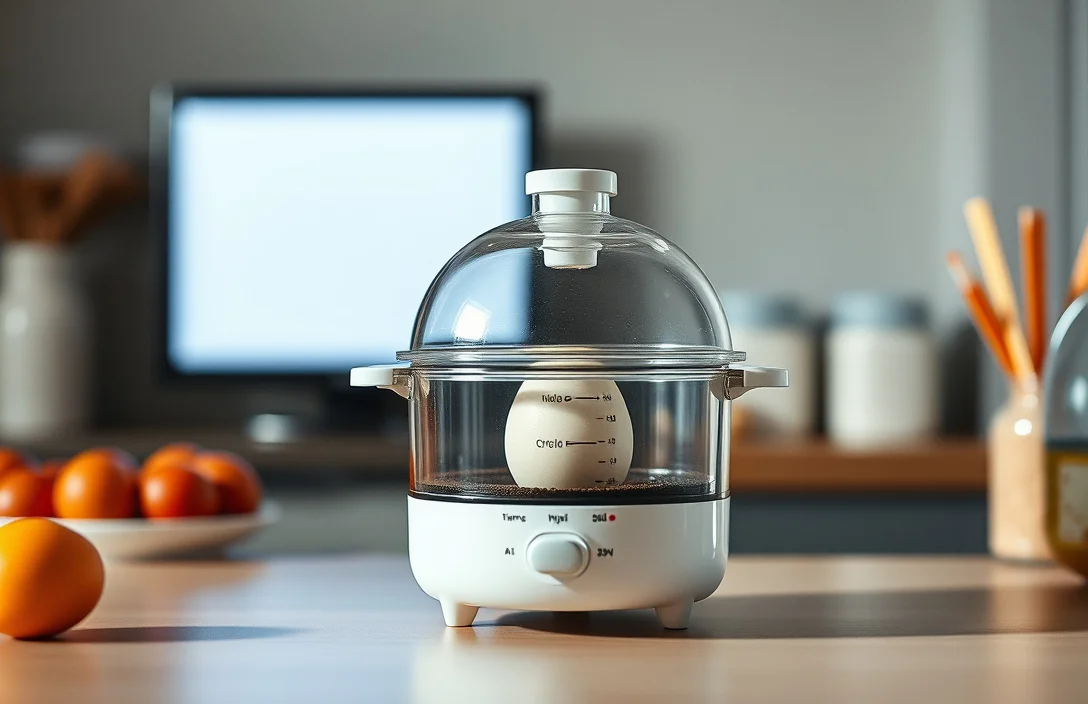
Getting your mymini egg cooker water measurements right makes egg texture repeatable, which is the point of an electric cooker. When you consistently land on the same water line for each egg size and count, you get predictable jammy, medium-set, or fully hard results instead of playing “try again.”
It also reduces waste. Overcooking costs time and usable eggs, and it increases the odds of that sulfur-y, chalky yolk edge people hate. Small water adjustments help you steer away from yolks that turn dry.
Correct water levels also reduce weird cycling behavior. Underfilling can create uneven heat and inconsistent firmness. Overfilling can keep heating running longer than planned. The result is fewer batches where you have to salvage eggs in recipes instead of eating them as-is.

Helpful pick
Elite Gourmet EGC1215B Easy Egg Cooker, Stainless-steel Heating Plate, Two-Tiered, 14-Egg Capacity, Soft, Medium, Hard-Boiled, Auto Shut-Off, Omelets, Poached Eggs, Measuring Cup, Piercing Pin, Black
Includes a measuring cup to dial in exact water for consistent egg results.
Options for mymini egg cooker water measurements
You have three practical ways to dial in the right water measurement – and you can combine them.
Option 1: Follow the manual’s water line for your doneness. Start here because it matches your exact model and heating design.
Option 2: Use a repeatable “doneness ladder” adjustment. Pick one egg count and egg size, then adjust water in tiny steps until you hit soft, medium, and hard the way you like them.
Option 3: Build your own quick reference chart. Once you find working lines, write them down next to the cooker or in your phone. That beats copying internet recipes because altitude and fridge temperature can shift outcomes.
Here’s a template you can use to build your own chart (fill in the line numbers from your cooker):
| Egg size | Egg count | Yolk style goal | Water line you used | Result notes |
|---|---|---|---|---|
| Medium | 2 | Jammy | _ | Whites set, yolk thick |
| Large | 3 | Medium-set | Mostly set center | |
| Large | 4 | Hard | _ | Firm yolk, no runny spots |
Your chart works only if it’s tied to your measured lines, not copied water volumes that might not exist on your model.

Helpful pick
Elite Gourmet EGC-007## Rapid Egg Cooker, 7 Easy-To-Peel, Hard, Medium, Soft Boiled Eggs, Poacher, Omelet Maker, Auto Shut-Off, Alarm, 16-Recipe Booklet, White
Offers a clear water line and preset levels to match the manual’s guidance for precise doneness.
Expert Advice on mymini egg cooker water measurements
Treat water measurement like calibration, not a universal recipe. Soft yolks require enough steam and stable heating, but you also need to avoid extending the cycle past the point where yolks shift from creamy to chalky. Gradual adjustments beat one-off dramatic changes.
Don’t ignore starting temperature. Eggs straight from the refrigerator often take longer to reach the same internal temperature, so your usual water line can behave like it’s underfilled for a run or two. For maximum repeatability, let eggs sit at room temperature for 15-30 minutes before cooking, then keep doing that.
Adjust based on what you can see:
- Watery whites, yolk too soft: increase water slightly.
- Firm whites, yolk over-set: decrease water slightly or tighten your resting/cooling strategy.
- Uneven doneness across eggs: keep basket placement and egg count consistent, and don’t overcrowd.
Examples: mymini egg cooker water measurements
Start simple: cook 2 medium eggs using the water level at the cooker’s recommended line (or just below “MAX” if your device only has a MAX mark). After the cycle, use your usual rest time, then cut one egg in half to check the center. If you get jammy whites but a runnier-than-you-want yolk, increase the water line one step (or about 1-2 mm).
If your “hard-boiled” batch leaves yolks firm but a little dry, you’re probably running slightly too much total heat energy. On the next run, reduce water slightly while keeping egg count the same. If the yolk lands where you want it but the whites are looser than you like, keep the water and adjust the cooling/rest method instead.
The fastest way to dial in multiple textures is three consecutive batches with the same egg size and count. Pick one egg size (like large) and one count (like 4). Make soft, medium-set, and hard by adjusting water in tiny increments, then record each exact line. After that, switch to different counts by staying near the closest water setting and making minor corrections instead of starting over every time.
FAQ
How much water should I use in a MyMini egg cooker for soft-boiled eggs?
Use the water fill line printed on your specific cooker for the starting recommendation, then adjust by one small step (or about 1-2 mm) if the yolk is too runny or too set. If your model doesn’t include doneness water lines, start near MAX for soft yolks and reduce slightly next time until you get the texture you want.
Can I use the same mymini egg cooker water measurement for large and medium eggs?
No. Egg size changes internal heating, so the same water line can undercook large eggs or overcook medium ones. Calibrate first with one egg size, then adjust water a small amount when you switch sizes. Keep egg count constant while you learn the differences.
Why are my eggs watery even though they seem “hard” in the yolk?
Watery whites usually mean the cook cycle didn’t match your expectation, often from underfilling or inconsistent water levels. Reduce water slightly and keep the same egg count next time. Also keep pre-measurements consistent, confirm the chamber is dry, and use the same rest and cooling method every time.
How do I troubleshoot if my cooker runs out of steam early?
If the unit stops early or the water seems gone before the eggs are done, you likely underfilled. Increase water in a tiny step (1-2 mm) and try again with the same egg count and egg size. Don’t add water mid-cycle, and double-check you’re using the correct fill indicator for your model.
What’s the most common mistake people make with water measurements?
Copying water amounts from another MyMini model or from posts that assume different egg counts and egg sizes. Use your cooker’s own fill lines, calibrate once, and reuse what you learn. When you have a working chart for your egg size and count, it should hold up for weeks.
If you tell me your exact MyMini model (and whether it has printed water lines and what they say), I can help you format a quick soft/medium/hard water chart you can reuse.

- 10 Best Slow Cooker For Mess Free Cooking 2026 (Tested And Reviewed) - October 24, 2026
- 10 Best Slow Cooker With Leak Resistant Lid 2026 (Tested And Reviewed) - October 24, 2026
- 10 Best Slow Cooker With Spill Proof Design 2026 (Tested And Reviewed) - October 24, 2026