How To Remove Rust From Pots And Pans?
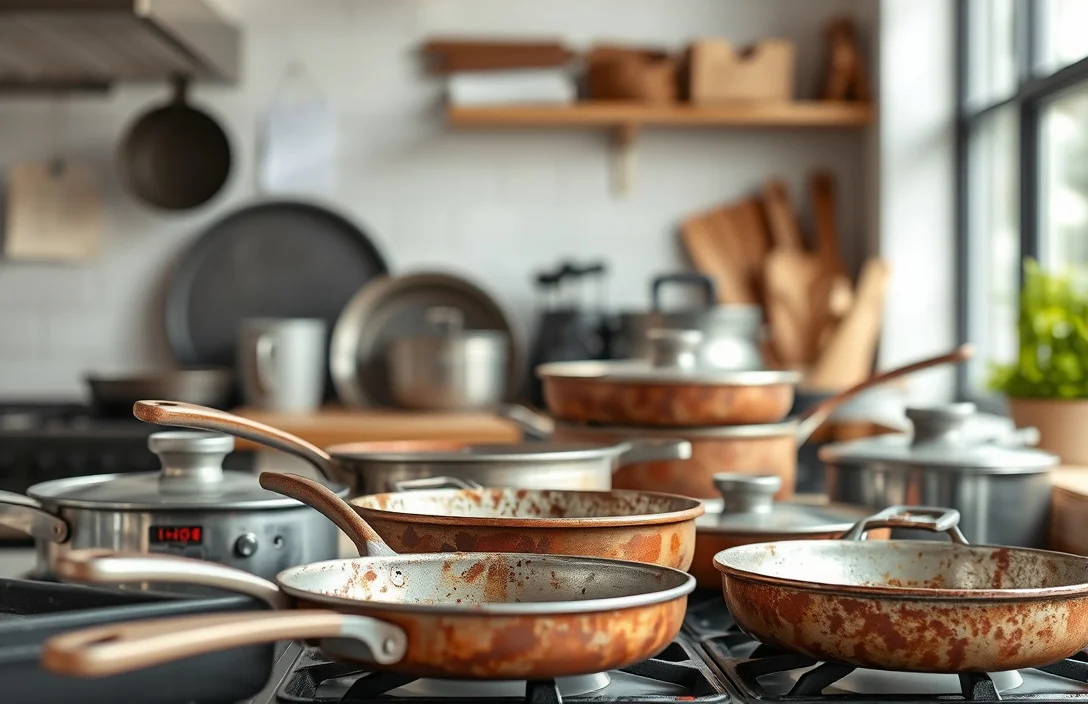
Rust forms fast when cookware is left wet or exposed to salty food, and it can pit the metal if you ignore it. The good news is you can usually remove rust from pots and pans in under an hour with common cleaners like baking soda, vinegar, or a rust eraser – and then prevent it from coming back. This guide starts with the outcome, lists the exact prerequisites, and walks you through a repeatable process you can trust.
Rust removal is mostly chemistry plus friction. For light rust, use a paste of baking soda and water or vinegar-soaked time, then scrub with a non-scratch pad. For heavy rust, repeat the soak and scrub, then dry completely and oil or store dry. Stop immediately if the pan is nonstick or has a protective coating.
Key Takeaways
- Identify the cookware type. Stainless, cast iron, and carbon steel handle differently, especially with nonstick.
- Choose a safe rust remover. Baking soda paste and vinegar are good starting points for most bare metals.
- Use the right scrubber. A non-scratch pad works for finish safety, while steel wool is for tougher bare metal.
- Soak time matters. Short soaks handle light rust, long soaks are for stubborn orange/brown staining.
- Prevent flash rust. Dry fully after rinsing, then add a thin oil layer on iron-based pans.
- Know when to stop. If pitting is deep or coatings are damaged, refinishing may be the better move.
How to begin
Remove rust without damaging the pan’s surface, coatings, or seasoning. If the cookware is nonstick (Teflon-style), skip harsh abrasives and acidic soaks because you can permanently ruin the coating. Stainless, cast iron, and carbon steel tolerate scrubbing and repeat treatments more easily.
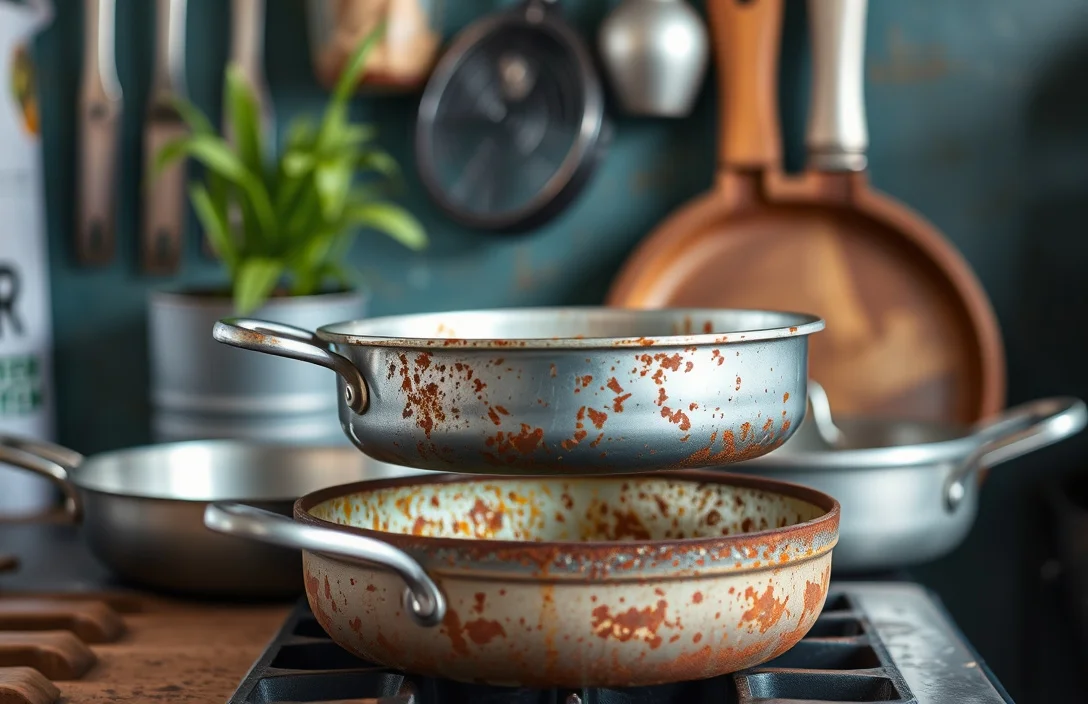
Check two things before you start. Look for what “kind” of rust you have – light orange freckles versus heavier brown scale. Then confirm whether the rust sits on bare metal or on a protective layer like seasoning (cast iron and many carbon steel pans). That decision determines how you remove it and how aggressively you can scrub.
Basics of how to remove rust from pots
Rust is iron oxide. That’s why iron-safe removers and mild acids help, and why the real enemy is moisture after cleaning. Remove rust and then leave the pan damp, and you can get flash rust quickly, especially in humid kitchens.
Work in three phases: soften the rust, scrub it off, then stop the cycle by drying fast and storing dry. Baking soda helps because it’s a mild abrasive that lifts surface residue. Vinegar works because acetic acid reacts with iron oxide, especially on light to moderate rust.
Finishing depends on the cookware. Stainless usually just needs thorough drying. Cast iron and carbon steel need re-seasoning or at least a thin oil layer after cleaning so bare metal doesn’t start oxidizing again.
how to remove rust from pots
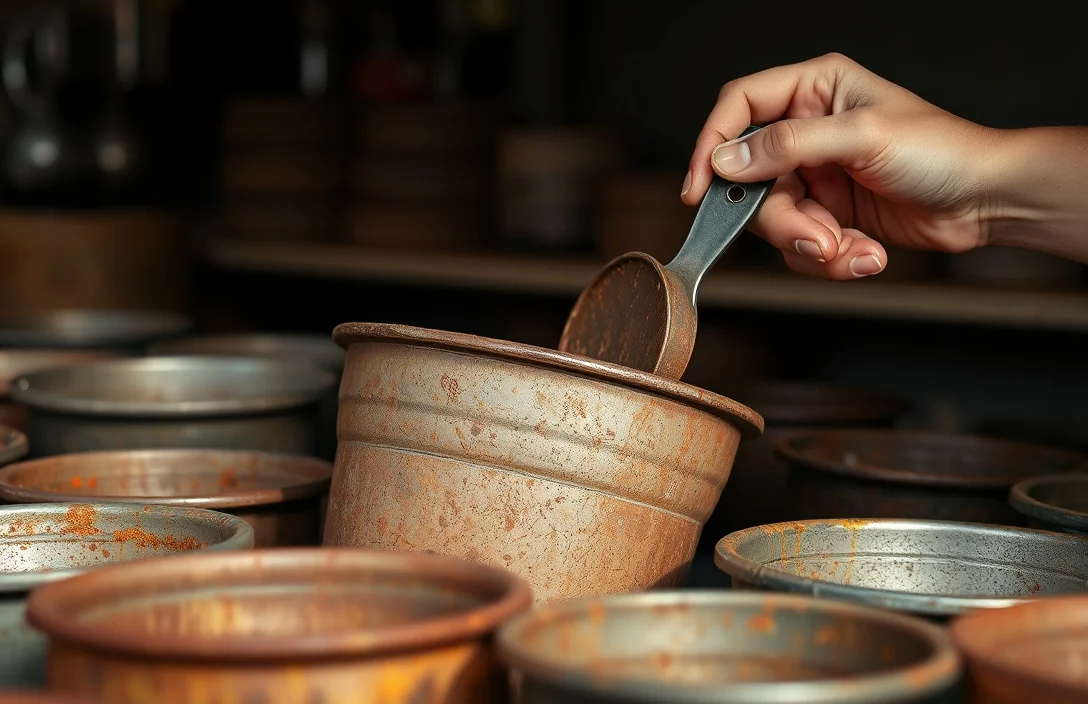
Use this process for most pans. It’s repeatable, so you don’t have to guess your way through.
1) Gather supplies
Wear gloves. Get a non-scratch scrub pad, baking soda, white vinegar, dish soap, and a soft cloth or towel plus paper towels. For tougher cases, keep fine steel wool (0000 grade) as an optional tool, and use it only on bare metal.
If you’re cleaning cast iron, also grab neutral cooking oil (grapeseed, canola, or similar) and a paper towel for oiling after rust removal.
2) Wash loose grime first
Wash the pan with hot water and dish soap, even if it looks “just rusty.” Grease and food residue block contact between the remover and the rust, which slows everything down. Dry with a towel so you can see what remains.
For stubborn buildup, soak 10-15 minutes in warm soapy water first, then scrub gently before switching to rust removal.
3) Choose your rust remover
Use baking soda paste for light rust and surface staining. Mix baking soda with water into a thick paste and spread it on the rusted areas.
Use vinegar for light to moderate rust on bare metal. Cover the rusty area by soaking it in vinegar if you can, or apply vinegar to a cloth or paper towel patch to avoid touching the rest of the pan.
Avoid vinegar soaking nonstick and skip steel wool on any pan that can scratch or has a delicate finish.
4) Apply and wait (controlled timing)
Let baking soda paste sit for 15-30 minutes, then scrub. For vinegar, check after 10-30 minutes for light rust, and after 1-2 hours for heavier staining. Don’t leave vinegar sitting for hours on already pitted or thin metal – the goal is rust removal, not endless chemical exposure.
Think of time as a dial: start shorter, evaluate, then repeat only if you still see rust.
5) Scrub with the right pressure
Scrub in circular motions with a non-scratch pad. If rust remains, re-apply the paste or vinegar and repeat instead of jumping straight to harsher tools.
On bare stainless or cast iron, fine steel wool can remove real scale. Stop as soon as the orange-brown color disappears, because overdoing it can worsen pitting.
6) Rinse thoroughly
Rinse with warm water to remove chemical residue. Leftover vinegar or baking soda can create stubborn spots or corrosion if the pan stays wet. Rinse until the surface feels neutral – not slick, not tangy.
7) Dry completely
Dry immediately. Wipe with a towel, then use paper towels in seams and handle grooves. If your kitchen is humid, placing the pan on a low oven rack for 5-10 minutes helps drive out moisture.
8) Finish based on cookware type
- Stainless steel: Apply a thin film of oil only if you want extra protection; drying is often enough.
- Cast iron and carbon steel: Rub in a very thin coat of oil over clean metal and wipe nearly dry. Heat the pan in a low oven or on the stove until it polymerizes – or follow your usual seasoning method if you already have one.
9) Re-check after it cools
Rust can come back if moisture is trapped under residue. After the pan cools, inspect under bright light. If you still see orange specks, repeat the same method one more time.
10) Store correctly
Store cookware completely dry. For iron pans, stacking without a dry barrier can pull moisture from other cookware surfaces. Use a dry cabinet and avoid lid storage if the pan is still warm or humid inside.
Things that matter most
Pick the method based on how fast you need it and how safe you want the surface to stay. Baking soda paste and vinegar do most of the work; abrasion is for when chemistry can’t get through.
For light rust on stainless, baking soda paste plus gentle scrubbing is usually the cleanest path. It’s also the safest choice when you’re unsure what finish the pan has. For cast iron, vinegar removes rust but can strip seasoning, so use it as a targeted tool instead of a default.
With stubborn rust scale, repeating cycles beats one long session. Soak less time, scrub, then reapply. This improves results while reducing the risk of damaging finishes.
Quick technique map
- Light orange freckles: Baking soda paste, 15-30 minutes, non-scratch pad.
- Moderate brown staining: Vinegar soak 10-30 minutes, scrub, repeat once if needed.
- Hard scale on bare metal: Vinegar soak up to 1-2 hours, scrub, optional fine steel wool.
- Iron pans with seasoning you want to keep: Prefer baking soda and scrubbing, then oil/season after.
What works in practice
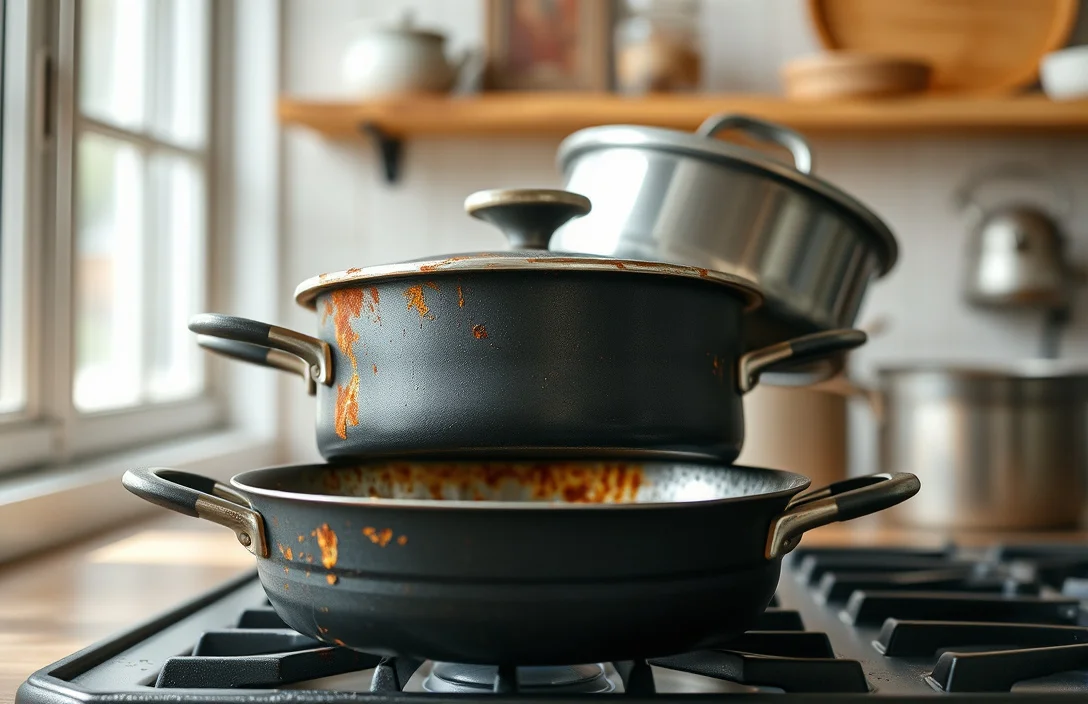
Rust removal doesn’t last if you undo it with moisture afterward. Leaving the pan wet, storing it damp, or running it through a dishwasher when you need it bone-dry all reintroduce the problem.
Dry the pan right away, then do a quick check in crevices. Handles, rivets, and pan lids trap water. If you miss those areas, flash rust often appears there first, then spreads across the surface.
Use the least aggressive tool that works. Non-scratch pads prevent finish damage and reduce micro-scratches, which makes future rust easier to manage. If you use steel wool, keep it brief and careful, then finish with oil for iron-based cookware.
A practical comparison
| Method | Best For | Typical Time | Safety Notes | Cleanup Effort |
|---|---|---|---|---|
| Baking soda paste | Light rust, surface staining | 15-30 min | Safe for most stainless finishes, go easy on nonstick | Low |
| Vinegar soak | Moderate rust on bare metal | 10-30 min (light), up to 1-2 hr (stubborn) | Avoid long soaks on delicate/seasoned surfaces | Medium |
| Non-scratch scrub pad | Most rust-removal phases | 2-10 min | Prevents finish damage on stainless and some coatings | Low |
| Fine steel wool (optional) | Heavy scale on bare metal | 1-5 min | Avoid on nonstick, use lightly to prevent deep pitting | Medium |
| Oil + re-seasoning | Cast iron/carbon steel after rust | After cleaning | Essential to prevent new oxidation | Medium |
Mistakes to Avoid with how to remove rust from pots
The biggest problem is using an aggressive method on the wrong cookware. Nonstick pans are the usual casualty, because acids and abrasives can damage the coating. If your pan is labeled nonstick, treat rust spots as a gentle cleaning job, not a refinishing project.
Another common mistake is soaking too long “because it’s working.” Over-soaking can widen pitting, especially on older pans. Also, vinegar residue isn’t harmless if the pan stays wet after rinsing – rinse clean and dry, not just “less rusty.”
Don’t skip drying and finishing. Flash rust happens fast and can show up the same day if the surface stays damp. For cast iron and carbon steel, skipping oiling or re-seasoning basically invites rust back into the pan.
Mistake list you can use while working
- Over-scrubbing nonstick with abrasive pads.
- Long vinegar soaks on thin stainless or already pitted areas.
- Failing to dry fully before storage.
- Not oiling iron pans after rust removal.
- Trying steel wool first when a paste + scrub would do.
Pro Tips for how to remove rust from pots
Work in short cycles and judge results as you go. If rust is light, you may remove it with a paste and modest scrubbing without a soak. If it’s stubborn, shorten the vinegar time, scrub, then repeat one more cycle before reaching for steel wool.
Use friction strategically. Scrubbing alone can work for light rust, but combining it with paste boosts results. For seams and edges, wrap a paper towel around the cleaner, dip it in vinegar, and press it against the rusted edge so you’re not soaking the whole pan.
If cast iron has lost seasoning, don’t panic. Remove the rust, dry completely, then re-season. The best long-term win comes from rebuilding the protective layer, not just making the surface look clean.
Two real-world scenarios
For example, picture a stainless pot with orange rings from dried hard water. Baking soda paste usually lifts those rings without vinegar. Dry the pot and wipe with a light coat of oil if you want less re-rusting.
For instance, imagine a cast iron skillet left wet after rain. The fastest path is to scrub away loose rust with baking soda, then oil and re-season thoroughly. Vinegar can help with stubborn rust, but it’s more likely to strip seasoning, so use it as a targeted spot cleaner.
FAQ
Can I remove rust from pots and pans with baking soda alone?
Yes. Baking soda alone often handles light surface rust on most stainless pans. Mix baking soda with water into a paste, spread it on the rusted spots, wait 15-30 minutes, then scrub with a non-scratch pad. If orange specks remain, repeat once before switching to vinegar or adding more abrasion.
Is vinegar safe for all cookware?
Vinegar works best on bare stainless steel and can help with cast iron in controlled, short soaks. Avoid vinegar soaking nonstick and avoid leaving vinegar on delicate finishes for long periods. After vinegar use, rinse well and dry completely to prevent flash rust.
How long does rust removal usually take?
Light rust often clears in about 20-40 minutes total including waiting and scrubbing. Moderate rust takes about 30-90 minutes with a possible repeat cycle. Heavy scale can take 1-3 hours total depending on how long you soak and how quickly scrubbing removes loosened layers.
How do I prevent rust from coming back after cleaning?
Dry the pan fully right after rinsing, including handles, seams, and lids. Store cookware completely dry, and rub in a thin coat of oil after cleaning for cast iron and carbon steel. If you live in a humid area, keep lids off until the inside is fully dry.
What’s the most common mistake when removing rust from cookware?
Using the wrong method for the cookware type, especially aggressive abrasives or acidic soaks on nonstick surfaces. Skipping drying is the other big error, since flash rust can appear within hours. If you’re unsure, start with baking soda paste and a non-scratch pad, then adjust based on what you see.

- 10 Best Slow Cooker For Hearty Stews 2026 (Tested And Reviewed) - October 20, 2026
- 10 Best Slow Cooker For Hearty Soups 2026 (Tested And Reviewed) - October 20, 2026
- 10 Best Slow Cooker For Comfort Food 2026 (Tested And Reviewed) - October 20, 2026