Herb Garden In Pots Ideas: 3 Tips Worth Trying
A herb garden in pots ideas list helps only if it helps you pick the right herbs and containers, because most problems start with poor drainage and the wrong plant mix. Herbs are grown for flavoring and garnishing food, for medicinal use, or for fragrance. The “herb” category includes very different growth habits, so the same pot-and-soil plan won’t work for every plant. This guide covers practical herb garden in pots ideas, from what to plant to how to set it up so it stays productive through summer.
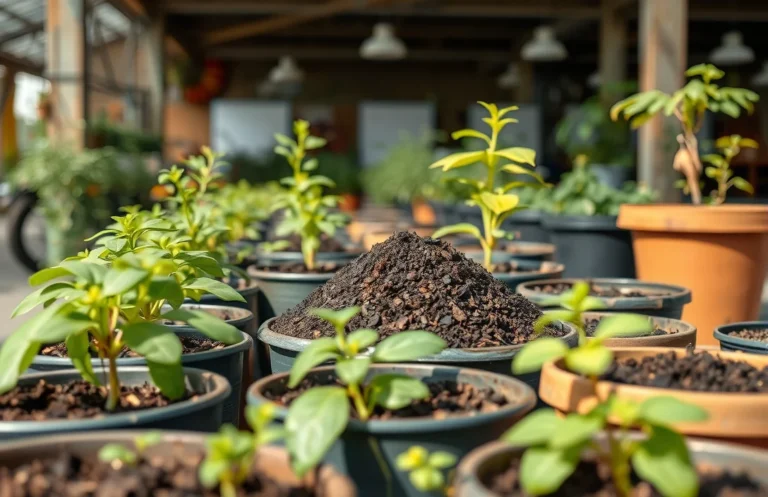
Herb garden in pots ideas are easiest to succeed with when you pair compact, fast-growing herbs (like basil, parsley, chives, and mint in its own pot) with well-drained containers. Use at least 8 inches of soil depth for most culinary herbs, and choose pots with drainage holes. Soggy roots turn into stalled growth and weak flavor within weeks.
Key Takeaways
- Start with drainage. Choose pots with drainage holes and use potting mix, not garden soil.
- Pick herbs by light. Full sun (6+ hours) fits basil and thyme; parsley tolerates partial shade.
- Group by water needs. Keep thirsty herbs together so you do not under- or overwater the same pot.
- Control mint. Mint grows aggressively. Keep it in its own container.
- Feed lightly. Herbs grow best with steady, modest nutrition. Use gentle fertilizer after new growth starts.
- Harvest correctly. Pinch often for bushiness, cut above leaf nodes, and never remove more than about half of the plant at once.
What to Know About herb garden in pots ideas
“Herb” is not one single plant type. In cooking, herbs are plants grown for their savory or aromatic parts used to flavor and garnish food. In botany, “herb” often refers to plants without woody stems where the above-ground growth dies back each season. That matters in pots because some “herbs” are annuals you replant, while others are perennials that keep coming back if you protect the roots and manage moisture.
The biggest difference between pot herbs and in-ground herbs is control. In the ground, roots can spread and water conditions even out. In pots, every mistake concentrates in a small volume, so drainage, pot size, and watering schedule decide whether you get steady harvests or leggy, struggling plants.
Before you buy plants, match your setup to your actual conditions. If your patio only gets morning sun, parsley, chives, cilantro (when temperatures cooperate), and some mint varieties usually perform better. If you have a hot, sunny balcony, basil, thyme, oregano, rosemary (if hardy where you live), and sage can grow fast and taste stronger.
Also decide what “ideas” means for you. Are you harvesting weekly for cooking, building a pretty corner, or solving a space problem like a windy apartment balcony? Your goal determines how many containers you need, which herbs you pick, and how often you’re willing to water and pinch.
Things that matter most
Pick herbs that thrive in containers, then set them up so they keep growing at a steady pace. A strong pot herb plan is less about rare plants and more about choosing common culinary herbs that match your sunlight and watering habits.
These decision points prevent pot herb gardens from turning into a cycle of dead plants:
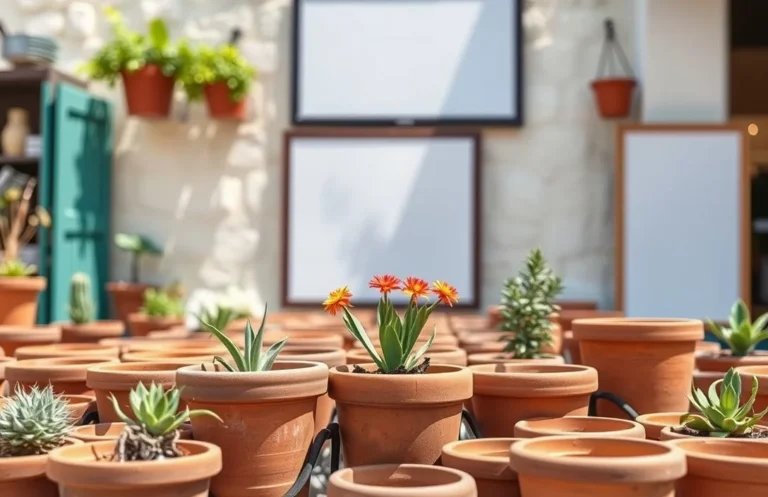
- Container material and size. Plastic holds moisture longer. Terracotta breathes and dries faster. Larger pots handle heat stress better.
- Soil choice. Use potting mix made for containers. It drains and aerates more effectively than typical garden soil in a pot.
- Light hours. “Full sun” usually means at least about 6 hours. If you consistently fall below that, expect slower growth and weaker flavor.
- Water timing. Most pot herbs hate long soggy stretches. Water when the top inch feels dry, then water thoroughly.
- Mint separation. Mint takes over planters. If you want mint, it has to be in its own pot.
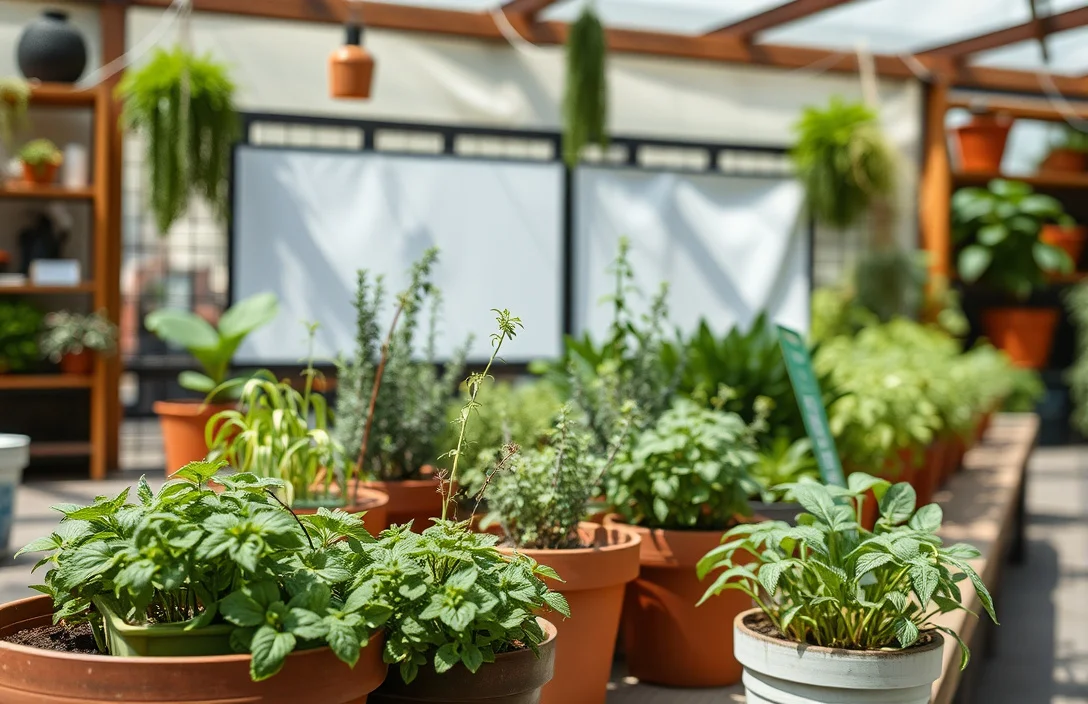
Design your herb pots like a small system, not a random assortment. Group herbs with similar needs, and use repeatable “modules,” like one pot for Mediterranean drought-tolerant herbs, one for leafy greens, and one dedicated to mint.
Harvesting also needs a plan. If you never harvest, many herbs get tall, woody, and less productive. If you harvest with intent, they stay compact and keep pushing new shoots.
Tips for herb garden in pots ideas
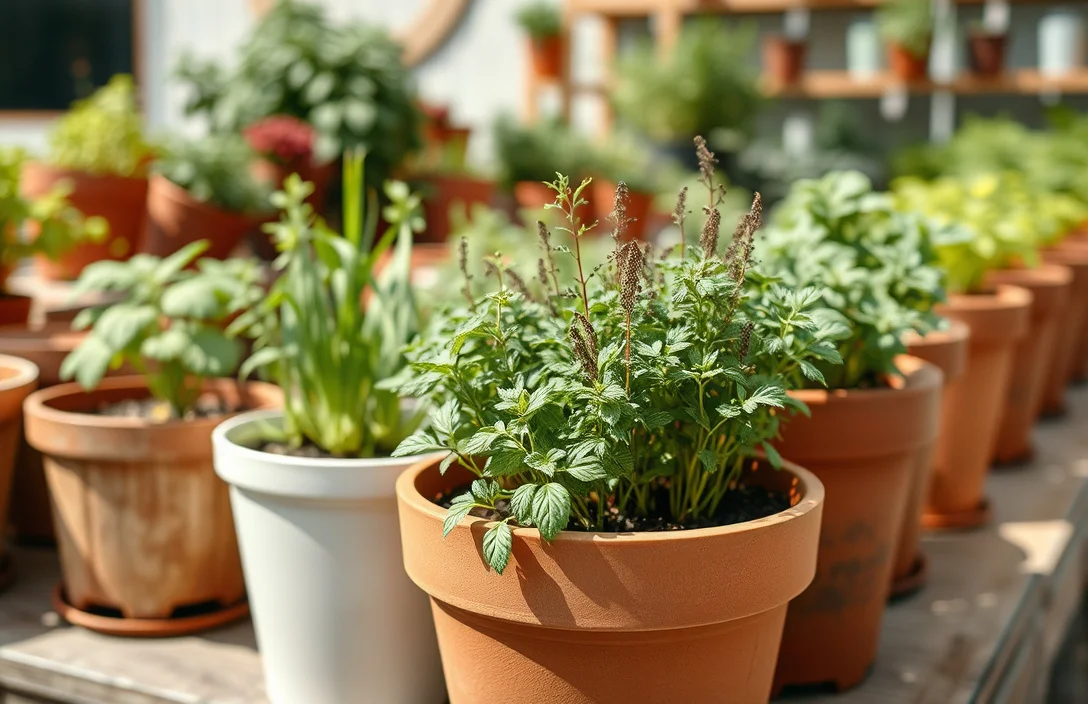
Start with the potting routine, not just the herb choices. The quickest path to a thriving herb garden in pots ideas setup is repotting correctly, watering consistently, and harvesting in a way that encourages branching.
When you bring nursery herbs home, assume the tiny pot is temporary. Many are started densely and run out of space and nutrients fast. If you see circling roots or crowded growth, move the plant into a container one size up with fresh potting mix so it can spread out.
Use spacing as a rule of thumb. You can grow multiple herbs in one large container, but do not crowd them. Poor airflow increases stress and invites pests, especially on patios.
A practical feeding approach beats “more is better.” Herbs usually do not need heavy fertilizer, but they do benefit from a light feed once they begin actively growing. Pale leaves and slow growth after a few weeks in the new pot are your cue to adjust.
Harvesting habits are where most “my herbs died” stories start. Pinch basil regularly above leaf nodes to keep it bushy. For parsley and other leafy herbs, harvest outer leaves first so the center keeps growing. For tougher herbs like thyme or oregano, snip small amounts frequently instead of doing one big cut that shocks the plant.
If you want a reliable routine, follow this checklist:
- Choose pots with drainage holes and use a saucer you can empty after watering.
- Fill with potting mix and lightly firm it so the plant sits stable.
- Water thoroughly at planting, then wait until the top layer dries.
- Place for light (rotate pots if the sun moves across your space).
- Pinch or snip often to prevent leggy growth.
- Light-feed when needed after new growth appears.
Temperature swings matter, too. On balconies, pots warm up quickly in the day and cool rapidly at night. If you live somewhere with cold winters, decide now whether you will bring pots indoors or cover them. Perennials in pots can freeze harder than those in the ground.
Benefits of herb garden in pots ideas
Herb garden in pots ideas are popular because pots lower the barrier to entry. You can start with a single container on a balcony or porch, then expand only when you know your plants thrive in your conditions.
The practical advantage is control. You control soil quality, drainage, sun exposure, and your exact harvesting schedule. That makes it easier to tailor the garden to how you cook, like keeping basil close to the kitchen or placing a “tea herbs” pot near a patio door.
Potted herbs also help you catch pest and problem issues early. When a plant struggles, you can move it to better light or shade, adjust watering, and remove a problem plant without losing an entire bed.
Space matters in the U.S., where many people garden on patios, porches, and small yards. A compact herb garden can work in a corner that would never fit a traditional vegetable patch. Herbs also bring scent and texture, so your setup feels rewarding even when harvests fluctuate.
A pot herb garden teaches you fast. With fewer plants, you notice what changes when you water earlier, harvest sooner, or increase sunlight. That feedback makes the next round of herb garden in pots ideas easier and more successful.

Helpful pick
Keter Urban Bloomer 12.7 Gallon Raised Garden Bed and Outdoor Herb Garden Planter with Self Watering Gauge and Drainage Plug, Dark Grey
Helps beginners with consistent moisture and easy maintenance, aligning with pot-based herb gardening on balconies.
Options for herb garden in pots ideas
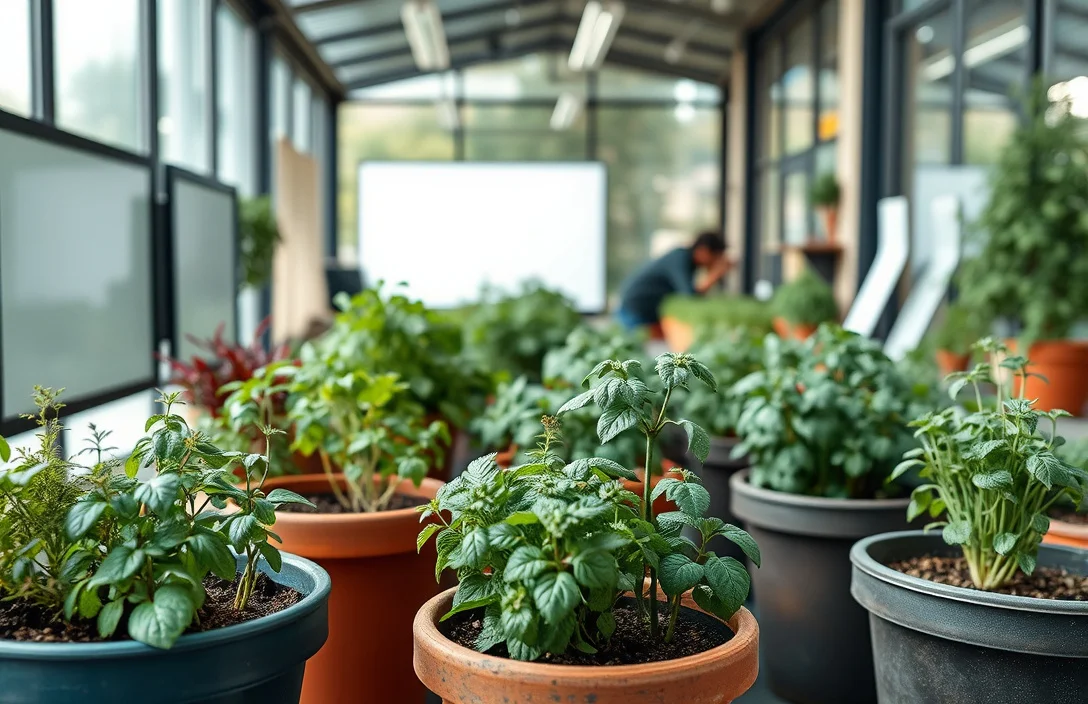
Build pot herb gardens in styles that match your space and your schedule. Pick your management approach first, then choose herbs.
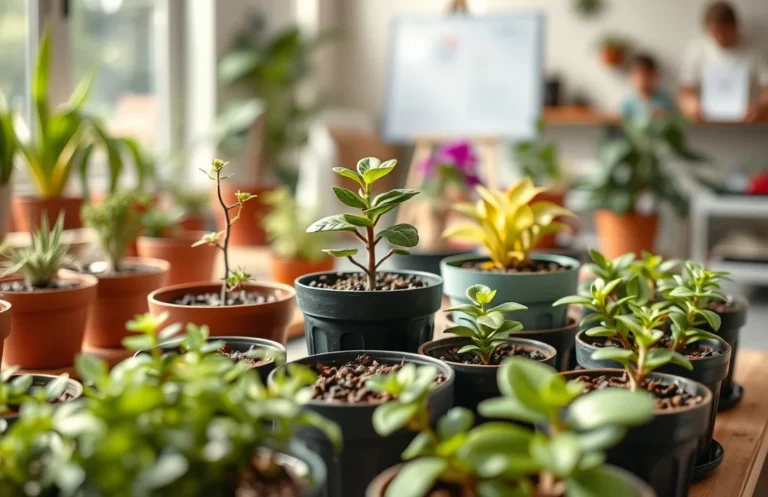
A classic option is a “kitchen cluster” – several small pots near where you cook. It works great for grab-and-go freshness, but small pots dry out faster, so you water more often.
A second option is a “one big container” approach – one large planter with several compatible herbs. This is lower maintenance when you choose herbs with similar needs. Mediterranean herbs like thyme and oregano often prefer drier conditions, while basil and parsley usually want more even moisture.
A third option is a modular layout with separate pots for “high-control” herbs. Mint is the obvious example. If you grow mint, keep it separate so it does not crowd slower herbs, and so you can water and feed it the way it prefers.
You can also go vertical. A wall planter or tiered rack helps when floor space is tight and makes daily checking easier. Higher tiers dry faster, so plan on more frequent watering.
| Option Type | Key Spec/Setup Detail | Best For |
|---|---|---|
| Kitchen cluster | 3-6 pots near your door, frequent harvesting | People who cook daily and want instant access |
| One large planter | One container, group compatible herbs | Busy schedules and fewer watering tasks |
| Modular pots | Separate pots for mint and “drought herbs” | Preventing spread and reducing plant conflicts |
| Vertical rack | Tiered planting, pots dry faster at top | Balconies and porches with limited floor space |
| “Seasonal swap” pots | Replace annual herbs mid-season | Areas with cold winters or heat waves that stress plants |
For the most reliable results, keep the number of herbs in one pot low enough that each plant can breathe. You can still grow variety across multiple pots without turning every container into a crowded experiment.

Helpful pick
Barnyard Designs Indoor Herb Garden Planter Set with Tray, Metal Windowsill Plant Pots with Drainage for Outdoor or Indoor Plants, Set/3 (White)
Three white planters let you assemble a compact kitchen cluster of fresh, ready-to-grab herbs.
Expert Advice on herb garden in pots ideas
Treat pot herbs like container crops, not houseplants. The “expert move” is predictable: choose container size that fits the herb’s growth, keep the soil airy and draining, and harvest in a way that forces new growth.
Start with pot size. If you plant basil in a container that is too small, it dries out and stalls. You get a few leaves and then the plant declines. Bigger pots buffer drying and help keep moisture steadier during hot afternoons, which makes them harder to mess up.
Water on a consistent trigger. Skip a fixed calendar schedule. Water when the top inch feels dry, then water thoroughly until you see runoff. Empty the saucer after watering so roots do not sit in water.
Light is the other major lever. Not enough sun leads to leggy growth and weaker plants. The fix is usually repositioning pots rather than buying fertilizer, because photosynthesis drives the growth you want.
Harvesting strategy decides whether herbs keep producing. Many culinary herbs respond well to frequent pinching. Cut above leaf nodes so the plant can branch. If you let long stems grow unchecked to flowering and set seed too early, leaf production usually drops.
One beginner-saving habit: write down what you planted where. When something thrives, you want to repeat it next month. When something fails, you want to know whether it was light, watering, or container size.

Helpful pick
PERFNIQUE Indoor Herb Garden, Herb Planter Set with Tray, Farmhouse Indoor Plant Pots, Windowsill Herb Garden with Drainage(Planter only) for Indoor/Outdoor, Window Pots(White)
Compact indoor herb garden keeps herbs within easy reach, promotes proper drainage, and supports frequent harvesting.
Use these rules that beat “vibes”:
- Match herbs to light first. If sunlight is weak, pick herbs that tolerate it and set realistic expectations.
- Use potting mix and drainage holes. Soggy soil is the fastest route to failure in pots.
- Keep mint contained. One mint pot per garden unless you want a dedicated mint zone.
- Harvest often. Pinch for bushy growth and take small to moderate amounts regularly.
- Limit overcrowding. Airflow matters even in pots.
Examples: herb garden in pots ideas
Copy setups that match a simple goal, a realistic light assumption, and a practical container plan.
For a sunny patio plan, use a large planter (or two mid-size pots) for Mediterranean herbs. Pair thyme and oregano together, then place a small basil pot nearby so you can water it a bit more often without changing the whole setup. In hot weather, the drought-tolerant herbs stay happy while you still get leafy, fragrant basil for cooking.
For a partial-shade balcony, build a “leafy” set. Put parsley and chives in one container. Add cilantro in a separate pot so you can move it when heat spikes. Add mint only if you keep it separate, because mint’s growth speed and water needs can overwhelm slower leafy herbs.
For a small kitchen-cluster, go with three pots. One pot holds basil or cilantro. One holds chives plus parsley (if the light is strong enough). One pot holds a “snip herb” like thyme for quick flavor boosts. Fewer pots make it easier to harvest regularly, and regular harvesting keeps herbs productive.
For a “tea and aroma” theme, keep it simple. Use a pot for mint, another pot for lemon balm if it grows well in your conditions, and a pot for chamomile-type flowers if that’s your idea of a good pairing. Separate faster growers so they do not outpace slower plants.
A typical U.S. backyard patio layout could look like this:
- Pot 1 (sun-friendly): thyme and oregano, one pot
- Pot 2 (leafy): parsley and chives, one pot
- Pot 3 (mint): mint only, one pot
- Optional Pot 4 (summer): basil, one pot (move if heat spikes)
Treat each pot as its own mini environment. If one pot needs more water, do not force that compromise across the entire garden. That one decision often turns a “nice idea” into an herb supply you actually use.
FAQ
What is the best pot size for an herb garden in pots ideas setup?
A good starting point is choosing pots deep enough for root growth, often at least around 8 inches for most culinary herbs. Small pots dry out faster, which means more frequent watering. Bigger pots are more forgiving for beginners, especially on patios where heat swings dry soil quickly.
How often should I water herbs in pots?
Water based on dryness, not the calendar. When the top inch of potting mix feels dry, water thoroughly until you see some runoff, then empty the saucer so roots do not sit in water. Hot weather usually means more frequent watering; cooler or shaded spots need less.
Are herbs grown in pots safe to eat?
Yes, as long as you use clean potting mix and avoid contaminated soil and runoff sources. Use untreated soil and keep pests under control without harsh chemicals. If you see leaf damage, remove affected leaves early so the plant stays healthy for harvesting.
How do I keep herbs from getting leggy in pots?
Give them enough light and harvest correctly. Leggy growth usually means the plant is reaching for sun, so reposition pots for more direct light. Then pinch or cut above leaf nodes on a regular schedule so the plant branches instead of stretching.
What’s a common mistake in herb garden in pots ideas?
Putting mint in the same container as other herbs. Mint spreads aggressively and crowds out slower plants even if everything looks fine at first. Keep mint in its own pot, then combine other herbs in pots where growth rates and watering needs match.
You can build a reliable herb garden in pots ideas plan by starting with drainage holes, matching herbs to your sun, and harvesting often. Next step: pick one location in your yard or balcony, note how many hours of sun it gets, then choose 3-5 herbs that fit that light and group them by water needs.

- 10 Best Slow Cooker With Leak Resistant Lid 2026 (Tested And Reviewed) - October 24, 2026
- 10 Best Slow Cooker With Spill Proof Design 2026 (Tested And Reviewed) - October 24, 2026
- 10 Best Slow Cooker With Locking System 2026 (Tested And Reviewed) - October 24, 2026