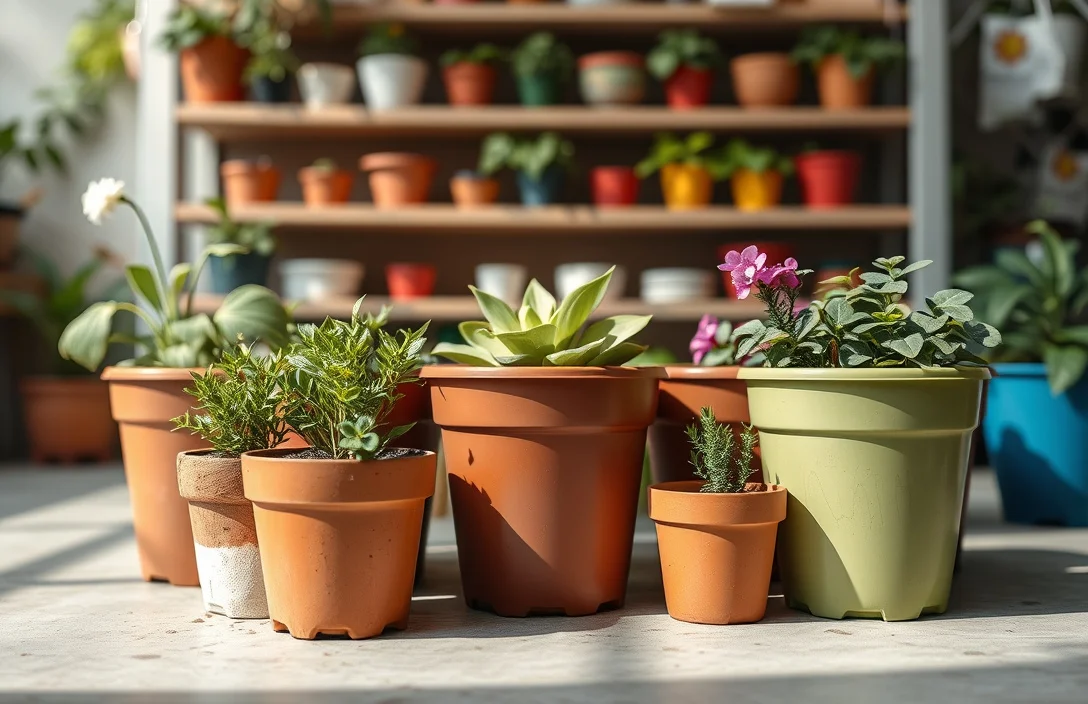
Can Plastic Plant Pots Be Painted?
Yes, plastic plant pots can be painted, but results depend on the pot’s plastic type and how you prep it. Most home gardeners can get a finish that looks good and holds up for a season or two when they clean the surface, scuff it for grip, and use paint meant for plastic. This guide lays out practical ranges, a simple way to plan supplies, and what to check next.
Painting plastic plant pots works best when you wash thoroughly, scuff the surface, and use an adhesion-promoting primer plus paint that lists plastic as an intended surface. For typical small and medium pots, one quart of spray or brush-on supplies often covers multiple coats, but the exact amount depends on pot size and how opaque you want the color.
Key Takeaways
- Plastic type matters. Some plastics (including polypropylene) need an adhesion primer designed for them.
- Prep is the real product. Wash and scuff-sand so you’re painting something dull and grippy, not glossy plastic.
- Primer is usually required. A primer labeled for plastic improves adhesion and helps reduce peeling.
- Coats drive coverage. Plan on 2 to 3 coats depending on color and paint opacity.
- Paint choice affects durability. Outdoor pots need UV-resistant paint; a compatible clear coat helps if you want extra scuff resistance.
- Moisture exposure changes wear. Painted areas near drainage holes can wear faster from water splash and abrasion.
What to Know About Painting Plastic Plant Pots
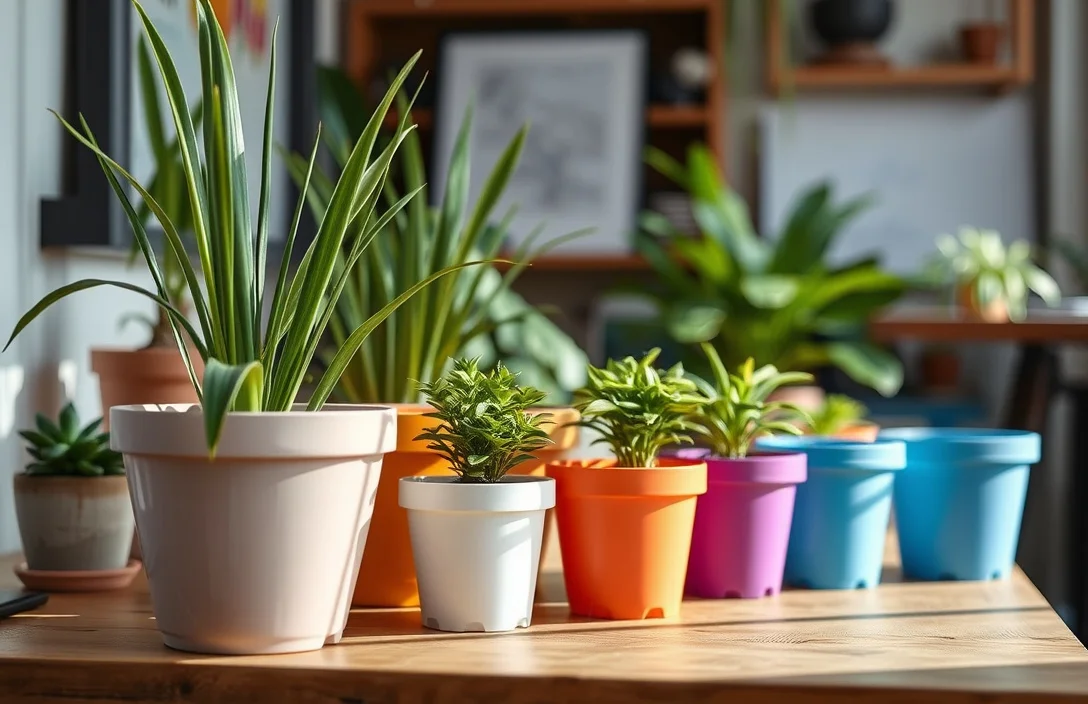
Painting plastic plant pots is possible, but paint can peel or scrape off fast when the pot stays shiny or you use regular wall paint or primer not designed for plastic. The biggest failure triggers are glossy surfaces (paint can’t grab), dusty residue, and incompatible primers.
Plastic pots also vary. Some are rigid with a finish that sands into a slightly chalky surface, which paint grips more easily. Others are very smooth or flex a bit, which demands careful scuffing and a stronger adhesion primer.
Here’s the practical bottom line: clean-but-glossy plastic plus generic primer is the fastest path to peeling. Clean, scuffed plastic plus plastic-rated primer and paint usually holds up.
Things that matter most
The “can I paint it?” answer is yes. The difference between “nice and durable” and “flakes in a few weeks” comes down to a checklist: start with a pot that’s dry, clean, and scuffed enough that the surface isn’t glassy.
Choose a matching paint system. Use a primer labeled for plastic, then a paint labeled for plastic or multi-surface. If the pot goes outside, pick an outdoor-capable paint (and consider a clear coat if you want more protection at the rim).
Outdoor conditions stress the bond over time. Sun, heat cycles, and repeated wetting from watering break down adhesion, especially at the top rim where hands and water contact the surface most.
Steps That Help Paint Stick to Plastic
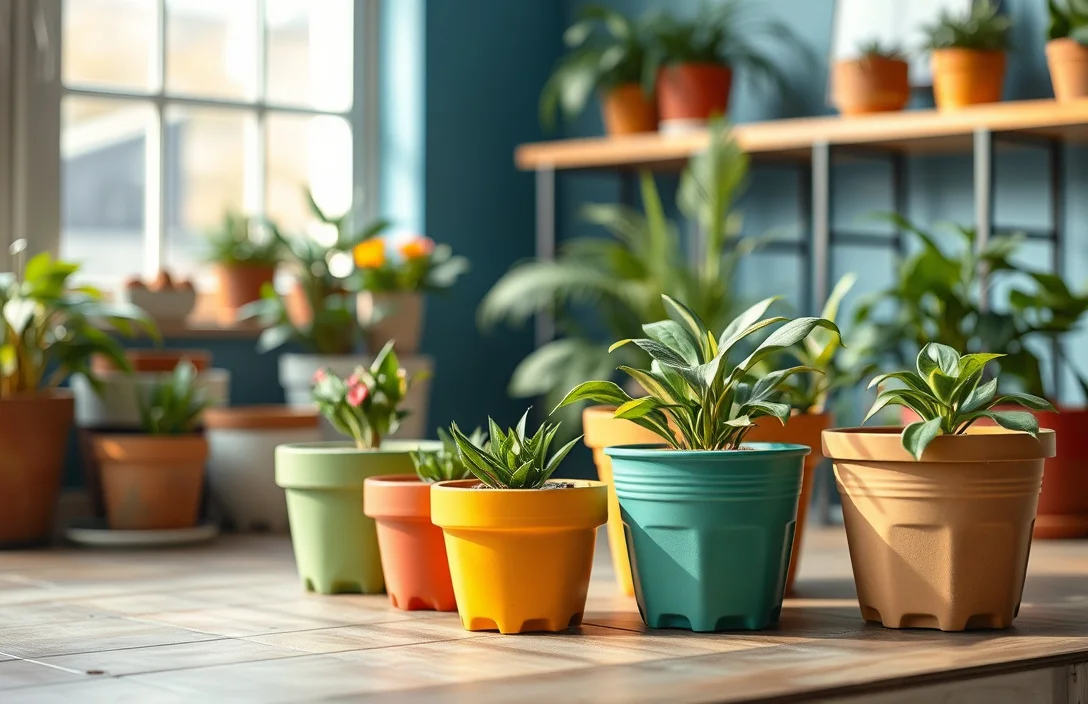
Use these steps to improve adhesion and cut peeling risk.
- Wash the pot first. Use dish soap and warm water to remove mold release residue, dust, and plant oils, then let it dry fully.
- Scuff, don’t sand aggressively. Use 220 to 320 grit sandpaper to dull the surface and create grip points.
- Wipe away sanding dust. Use a lint-free cloth, then optionally wipe a small hidden area with rubbing alcohol to confirm it doesn’t craze the plastic.
- Prime with plastic-rated primer. Apply a thin, even coat. Two thin coats usually bond better than one thick coat that can sag or stay tacky.
- Paint in multiple light coats. Build coverage gradually to avoid runs and to keep the surface from trapping solvents.
- Let it cure before heavy use. Follow the label for recoat and full cure, then avoid soaking the pot right away.
Spray paint matters, too. Thick spray can cause paint to wrinkle or turn rubbery on plastic. Keep the nozzle moving and use light passes.
Test first if you’re unsure of the plastic: do a patch on a scrap pot or a hidden spot. Plastic formulations vary, and a small test patch saves you from repainting everything.
Benefits and Trade-Offs of Painting Plastic Pots
Painting plastic plant pots lets you change color fast without buying new planters. It also helps you unify mismatched pots for a porch, patio, or indoor plant shelf.
A properly primed, painted pot can resist scuffing better than bare plastic. It also reduces the “cheap white pot” look that pulls attention away from your plants.
Trade-offs are real. Painted pots eventually wear at the rim and near drainage areas. If you skip the right primer, the paint fails sooner. When you do the job correctly, though, painting plastic pots is one of the lowest-cost upgrades you can make.
Paint Options That Work
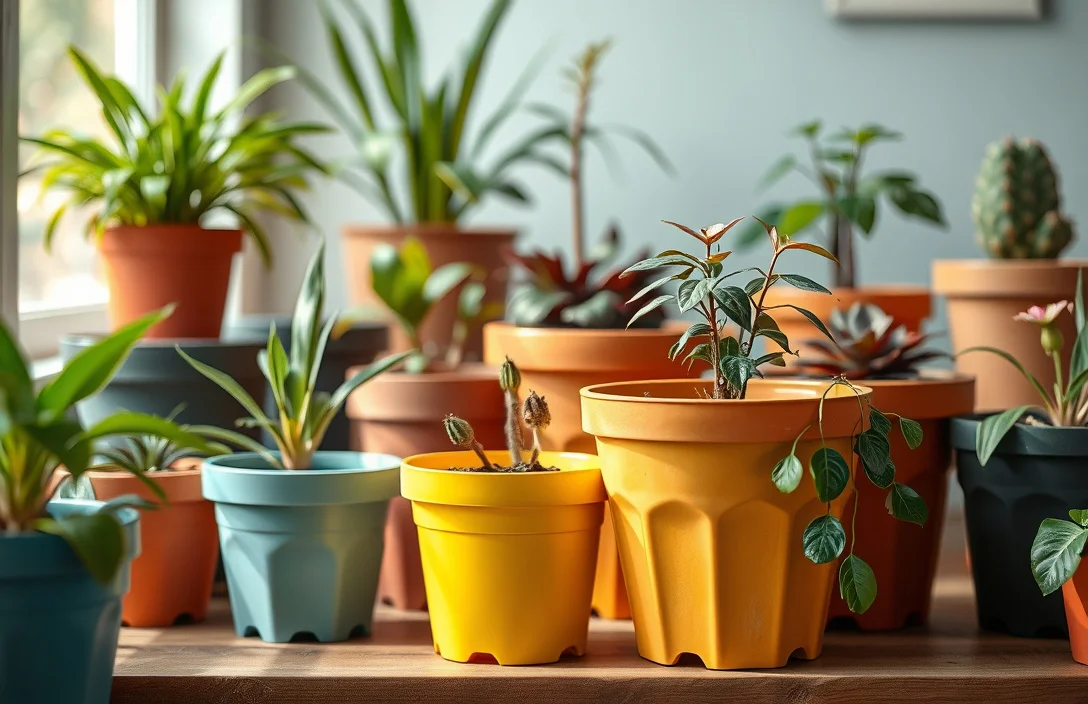
You have a few workable paths, and the best one depends on indoor vs outdoor use and whether you want washable coverage.
Option A: Spray paint + plastic primer (best for most people)
This is the easiest route to even color and a smooth finish. Use a primer labeled for plastic, then choose a paint labeled for plastic or multi-surface.
Best for: outdoor and indoor pots when you want consistent color quickly.
Option B: Brush-on acrylic or multi-surface paint (best for small areas)
Brush-on products work for touch-ups, textured decoupage looks, and designs where you want more control. Smooth plastic still needs a compatible primer.
Best for: detailed designs, small batches, and avoiding spray overspray.
Option C: “Paint markers” for accents (best for quick patterns)
Paint markers work well for text and line art. Treat them as accents, not the whole-color system, because markers can wear faster.
Best for: labeling, stripes, and minimal coverage.
Option D: Decorative coatings (stencils, faux finishes)
Stencils and layered looks can work, but each layer needs proper drying time and an adhesion-friendly base. Multi-layer designs take more coats and more patience.
Best for: style, not maximum longevity at the rim.
Quick Planning Calculator for Paint and Primer
Estimate paint quantity using surface area, coat count, and the coverage your label reports. A practical starting point is the rough formula below:
Paint volume (quarts) = (Surface area in sq ft × coats) / (coverage in sq ft per quart)
A common coverage assumption for many paints is about 200 sq ft per quart per coat. Always check your label because coverage varies a lot by product and texture.
#### Example: medium pot
- Pot surface area estimate: 2.5 sq ft
- Coats: 3
- Coverage assumption: 200 sq ft per quart
Paint volume = (2.5 × 3) / 200 = 0.0375 quarts
That is about 1.2 ounces of paint. The reason you still buy a can or small bottle is simple: you need enough product for even coverage and for priming that doesn’t leave thin spots.
Buy enough for primer plus 2 to 3 coats. Leftovers are normal.
| Pot size (rough) | Estimated surface area | Typical coat count | What to buy (practical) |
|---|---|---|---|
| Small (6-7 inch) | 1.0 – 1.5 sq ft | 2 | 1 small can of primer + 1 small can of paint, for a few pots |
| Medium (8-10 inch) | 2.0 – 3.0 sq ft | 3 | 1 can primer + 1 can paint (or a small bottle), usually enough for multiple |
| Large (12-14 inch) | 4.0 – 6.0 sq ft | 3 | 1 can primer may not be enough, confirm by label coverage |
Treat this table as supply planning, not an exact receipt.
Expert Advice That Prevents Peeling
For the most reliable outcome, match the whole system: cleaner, plastic-rated primer, paint, and a clear coat when you need extra wear resistance. Skipping primer is the fastest way to invite peeling on smooth or glossy pots.
Ask one question before you start: will this pot see outdoor sun and repeated watering? If yes, prioritize UV-resistant paint and use a compatible clear coat if you want more scuff resistance. If not, you may get away with fewer protective steps, but prep still matters.
If the pot has a factory coating or is very glossy, scuffing has to dull it visibly. A shiny surface after sanding is a warning sign.
Cure time matters even when paint feels dry. Solvents can keep curing for days. If you re-wet or scrape the surface early, adhesion can weaken before it reaches full strength.
Real-Life Scenarios for Painted Plastic Pots
A homeowner wants black planters from plain white nursery pots for a patio. They wash with dish soap, scuff with 220 grit, apply a plastic-rated primer, then spray two light black color coats plus a third for even coverage. After a week outdoors, the color holds up well, with only minor scuffing at the rim from occasional handling.
Another gardener paints decorative accents on a smooth plastic pot using a stencil and acrylic craft paint. They skip the plastic primer. The stencil looks crisp at first, but after several watering cycles the paint lifts at the edges, especially where the pot flexes, because the bond never fully anchored to the slick surface.
A gardener uses regular “indoor wall” paint because it coats easily. The finish feels soft at first and then peels after watering and sun exposure. The fix is not “another coat.” It’s stripping or sanding off loose paint, then starting over with a plastic-labeled primer and a plastic-rated paint system.
If the pot type is a mystery, paint a 2-inch square patch in a hidden area. Let it cure, then after a few days gently rub with a damp cloth and check with a fingernail. If it scratches off easily, switch primer or method before repainting the whole pot.
FAQ
Can you paint plastic plant pots without sanding?
You can, but adhesion is less reliable. Most plastic pot paint failures come from paint not gripping a glossy surface. If you skip sanding, use an adhesion-promoting primer labeled for plastic and plan for at least 2 coats. If the pot is shiny, dulling it with 220 to 320 grit sandpaper gives paint something to grab.
What paint works best on plastic plant pots for outdoors?
Choose paint labeled for plastic or multi-surface, then use a primer labeled for plastic too. For outdoor durability, look for UV resistance on the paint label, and consider a clear topcoat if you want extra scuff resistance. Avoid regular interior wall paint, because it can soften under heat and repeated wetting.
How long should painted pots cure before you water plants in them?
“Dry to the touch” isn’t the same as ready. Follow the label for recoat and full cure, then wait at least several days before heavy water exposure, especially outdoors. If your system includes primer and multiple light coats, curing time matters even more for preventing peeling.
How much paint do I need for one pot?
Estimate using surface area and coat count, then verify with the coverage on your paint label. A rough assumption is about 200 sq ft per quart per coat, but coverage varies by product and texture. For planning, buy enough for primer plus 2 to 3 coats, since overspray (spray) and uneven coverage (brush) add waste.
Will painted plastic pots last, or will they peel?
They usually last longer than you’d expect when you use plastic-rated primer and proper scuff prep. Wear often starts at the rim and near drainage areas due to abrasion and repeated wetting. If you see lifting edges, stop using it like that, sand down loose paint, and repaint after you address the prep or primer mismatch.

- 10 Best Slow Cooker For Slow Cooking Legumes 2026 (Tested And Reviewed) - October 17, 2026
- 10 Best Slow Cooker For Slow Cooking Oxtail 2026 (Tested And Reviewed) - October 16, 2026
- 10 Best Slow Cooker For Slow Cooking Venison 2026 (Tested And Reviewed) - October 16, 2026