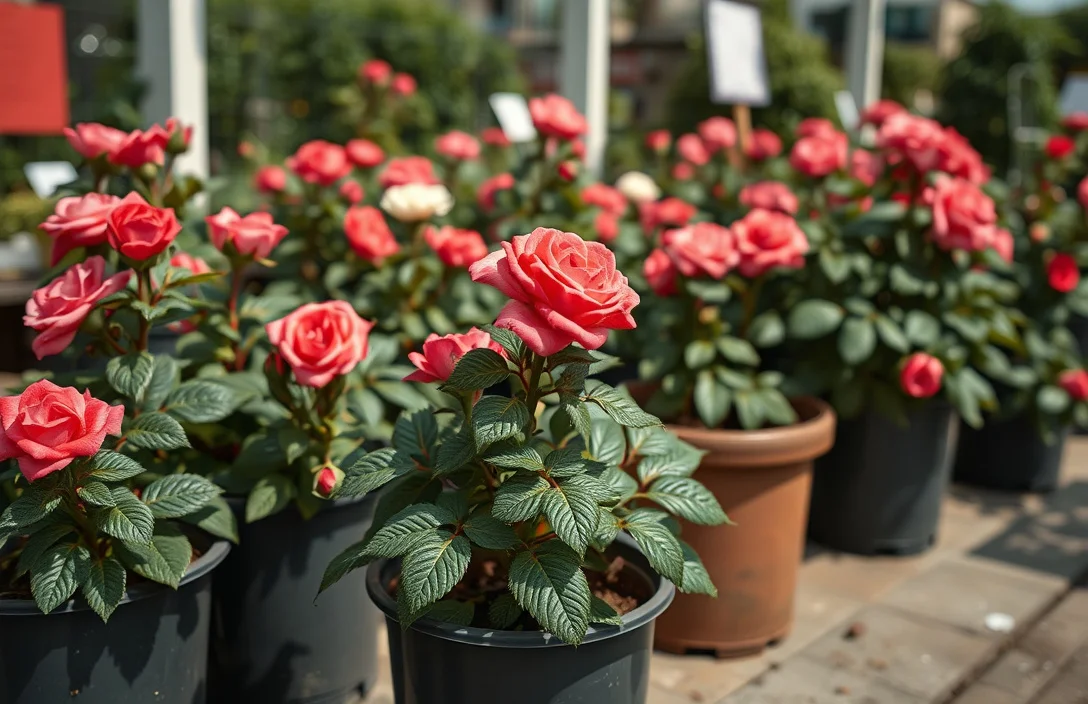
Lady Banks Rose In Pots: 4 Keys To Thriving
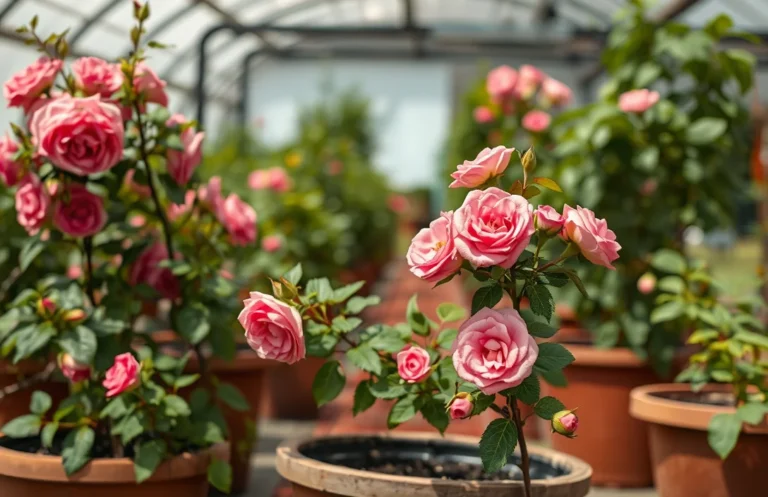
Lady banks rose in pots is one of those “it works, but only if you treat it like a container plant” situations. The plant grows fast, wants lots of light, and hates being repeatedly under-watered or stuck in waterlogged soil. Get the pot, watering rhythm, pruning timing, and winter plan right, and your potted lady banks rose keeps flowering instead of collapsing.
Lady banks rose in pots can thrive in containers if you use a big pot with drainage, a fast-draining soil mix, and consistent watering. In warm U.S. climates, expect flowering when the plant gets full sun – usually 6+ hours daily. Let the top inch dry slightly between waterings. If growth slows or leaves yellow, fix sun first, then check drainage.
Key Takeaways
- Choose a big pot. Use at least a 15- to 20-inch wide container so roots have room to handle heat swings.
- Prioritize drainage. You want lots of runoff, or you risk root rot in as little as a few weeks.
- Give full sun. Aim for 6+ hours of direct light to trigger the plant’s best flowering.
- Water on a schedule. Water deeply, then wait until the top inch dries before watering again.
- Prune after bloom. Cut back lightly right after flowering to control size and encourage new shoots.
- Protect in cold snaps. Move the pot to shelter or insulate it when temperatures dip below about 20°F (-6°C).
What to Know About Lady Banks Rose in Pots
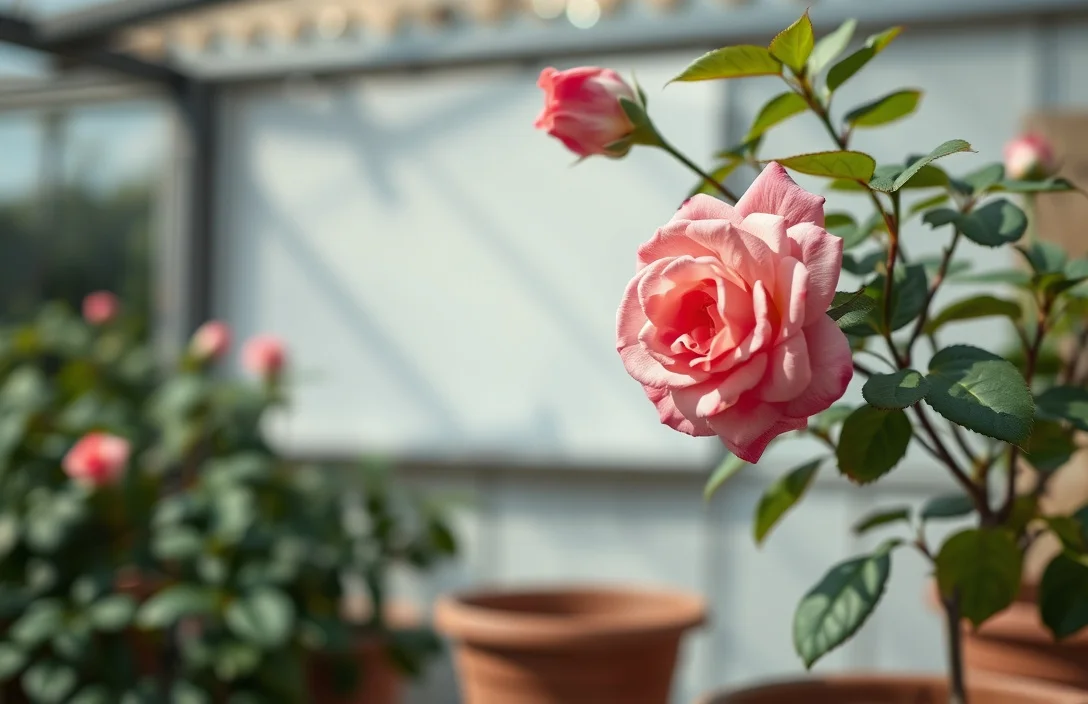
Lady banks rose (Rosa banksiae) is a vigorous climbing rose that naturally spreads by sending out long canes. In a pot, that energy turns into one main reality: it will outgrow your setup quickly, so size, soil, and pruning discipline matter more than with slower roses.
It also has a timing habit. Lady banks typically flowers in spring on older growth, with a repeat or weaker flush afterward depending on your climate. Prune after the main bloom window, not right before, or you cut off the wood that sets next season’s flowers.
Potted roses also lack the deep soil buffer of the ground. In summer, the pot heats up and dries out fast. In winter, the root zone cools down fast too, which can stress the plant even if the canes look fine aboveground.
Key container truths
Treat lady banks rose in a pot like a climber, not like a tidy shrub. Plan your support early – trellis stake, wall anchor, or an arched frame – because waiting until it’s tangled makes pruning and training a lot messier.
Also, container roses build up salts and minerals more easily. If you use hard tap water or overdo fertilizer, salts can accumulate and burn roots. You can reduce that by occasionally running plain water through the soil until you see steady drainage, usually every few weeks during peak growth.
Things that matter most
Success comes down to four controllable variables: pot size, light, drainage, and pruning timing. Get those right and most problems become easy to diagnose.
Pot size affects everything. A small pot dries too quickly, then can stay too wet during rainy stretches – both patterns stress the plant. Light matters next. Partial sun often pushes growth into long, weak canes with fewer blooms.
Drainage is non-negotiable. Even roses hate “wet feet,” and containers increase the risk because excess water has nowhere to go except out the bottom.
Finally, pruning timing controls whether you get flowers or just green. Prune right after the main flush, then stop heavy cutting back in late fall so the plant can build stronger growth.
A practical checklist before you buy
- Pick a container with drainage holes. Skip decorative pots without drainage or a draining liner.
- Plan for sun exposure. North-facing patios usually underperform unless they get serious morning light plus reflected light.
- Decide on shape. Bushy mound, trellis climber, or hanging cane arch each require different pruning and tying.
- Plan for repotting. Expect to repot about every 2 to 3 years, sooner if roots spiral or the plant dries out within a day.
Tips for Lady Banks Rose in Pots
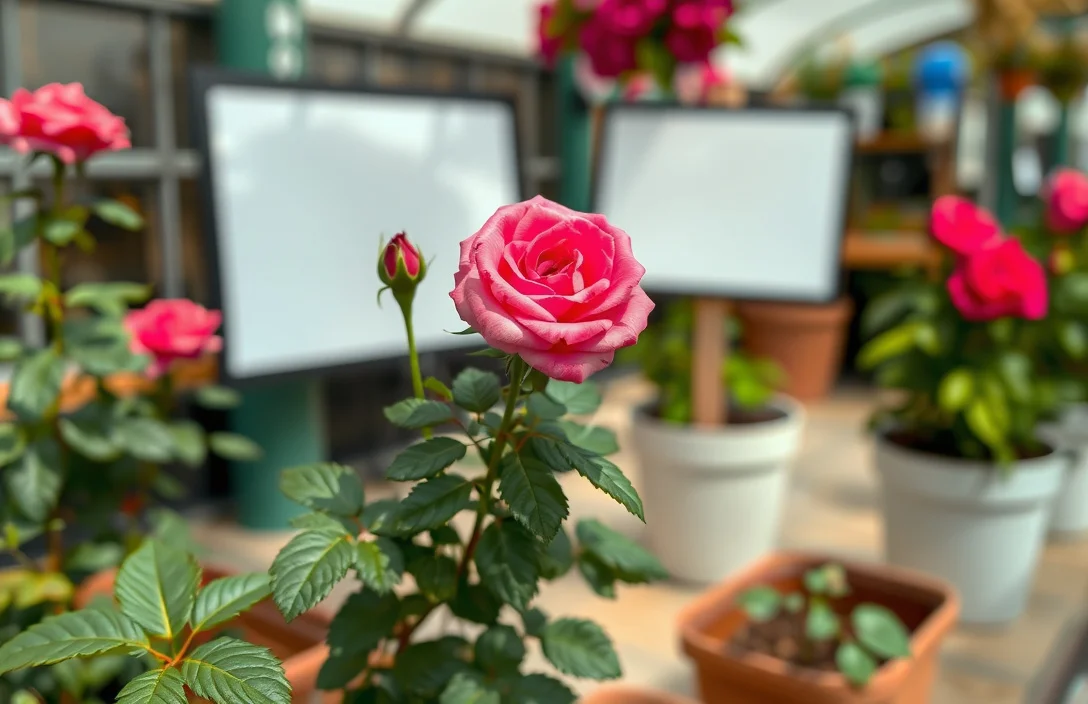
Start with the easiest win: match pot size to how fast lady banks rose grows. If you buy a small nursery plant, don’t put it straight into the smallest pot that “looks manageable.” Go bigger. More soil volume holds moisture more evenly and buffers temperature swings.
Use the right soil, too. Lady banks rose in pots likes a mix that drains quickly but still holds moisture. A common approach is quality potting mix plus extra drainage material like perlite or pine bark, not dense garden soil. If you pack the mix too tight, you create a hidden root problem.
Then stick to a watering rhythm you can repeat. Water deeply until you see runoff, then wait. In summer, it might be every few days; in spring, it could be weekly. The consistent rule is soil moisture, not the calendar.
For fertilizer, keep it light and regular – not strong and sporadic. Container roses do best with steady nutrients during active growth, but overfeeding can trigger weak, floppy growth and salt buildup. If you see crust on the soil surface or leaf edges darkening, back off and water thoroughly through the pot.
How to prune without ruining next spring’s bloom
Lady banks rose typically flowers on older canes. Prune to shape after flowering, not to chase size immediately.
- Cut out dead or thin canes first. It improves airflow and makes shaping easier.
- Trim back long, messy growth lightly. Keep the structure you want and remove only what’s in the way.
- Avoid heavy pruning late in the season. Late cuts can reduce or delay the next bloom cycle.
If you want a trellis look, tie new canes gently as they grow. Don’t wait until they’re stiff and then force them into position – broken canes wipe out weeks of growth.
Benefits of Lady Banks Rose in Pots
Lady banks rose in pots gives you control that ground planting doesn’t. You can move it to follow sunlight, protect it during colder nights, and keep it away from places where climbing would become a nuisance.
Potted growing also helps with “landscape testing.” Many people try it on a patio, fence line, or entry arch first, then decide later if they want to plant it in-ground. The plant can get large quickly, so this trial run saves headaches.
Container growing also makes soil management easier. If your yard has heavy clay or poor drainage, a container lets you control the root environment. That matters for roses because they dislike staying wet around their roots.
Plus, you’ll catch pests earlier. With a pot, you can inspect leaves and stems routinely, and you can move the plant if an infestation gets serious instead of dealing with the whole yard.
What container growing helps with
- Cold protection is practical. Move the pot or wrap the root zone for short cold snaps.
- Light control improves bloom quality. Repositioning keeps the plant at 6+ hours of sun.
- Root rot risk can be managed. Proper mix and drainage matter more than yard conditions.
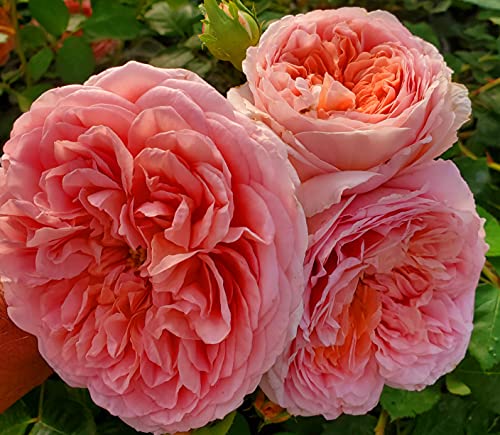
Helpful pick
Ma Cherie Roses – Auscot Rose Bush, 2 Quart Potted Rose Live Plant, Rose Bushes Ready to Plant, Garden Roses, English Roses
A potted rose like Auscot lets you reposition for sun and protect from cold nights.
Options for Lady Banks Rose in Pots
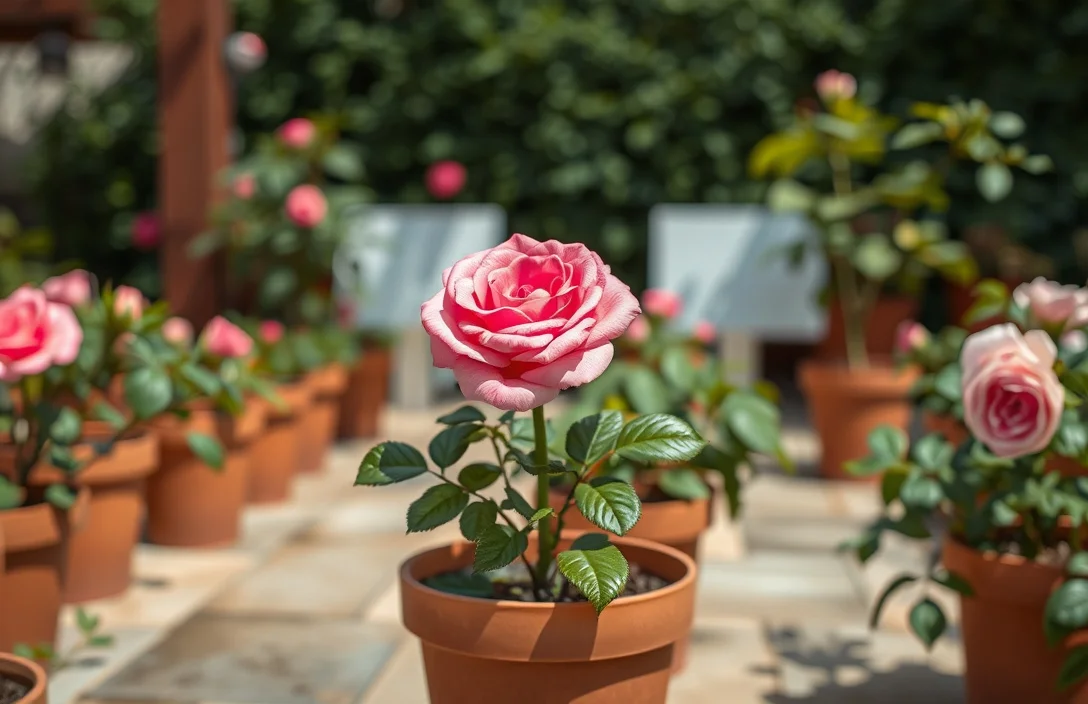
You have a few solid ways to grow lady banks rose in containers, and the best setup depends on space and whether you want it to climb or drape.
Choose a trellis or wall-mounted support for entryways and patios where you want vertical blooms. An arched frame or hoop support guides long canes upward and outward. If you prefer a softer look, train it for a mound with trailing canes – it reads more wild than a formal garden structure, but it’s easier to keep forgiving.
Pot material changes how often you water. Terracotta breathes and dries faster, which can work well in humid areas but needs more frequent watering. Plastic or resin holds moisture longer and reduces watering frequency, as long as you still use drainage holes and the right soil.
For winter, pick a portable strategy. Some people move pots indoors to bright light. Others keep them outdoors and insulate the container and root zone. The best choice is the one that prevents the root zone from freezing solid repeatedly.
Quick decision guide
| Option | Key setup detail | Best for |
|---|---|---|
| Trellis training | Tie canes to a vertical frame | Small spaces, wall displays |
| Arch or hoop | Guide canes upward, then outward | Front porches and gate features |
| Patio mound | Prune to shape, let some canes trail | Courtyards and container gardens |
| Terracotta pot | Faster drying, more frequent watering | Humid regions |
| Plastic/resin pot | Slower drying, steadier moisture | Hot, dry patios |
Helpful pick
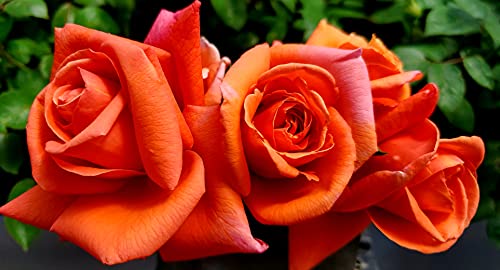
Ma Cherie Roses – Royal Dane Rose Bush Ready to Plant, 2 Quart Potted Live Rose Plant, Apricot Orange Rose, Plant Gifts
This potted rose plant can be trained on a trellis for vertical blooms in tight spaces.
Expert Advice on Lady Banks Rose in Pots
Treat lady banks rose in pots like a high-energy container vine. Plan support early, size the container generously, and watch moisture closely instead of relying on vague watering habits.
Don’t ignore airflow. Dense, tangled canes stay wet longer after rain or overhead watering, and that’s when leaf problems take hold. In a pot, airflow depends on pruning and spacing, not just where the pot sits.
In U.S. winters with big temperature swings, protect roots more than canes. Even a cane that looks hardy can fail if the root zone freezes deeply or stays waterlogged and cold. Insulate the pot and use shelter when you can. Later pruning is secondary to keeping the roots alive.
Feed with consistency. Fertilize during active growth, then ease off as the plant slows down. Overfertilizing late can push new growth that doesn’t harden.
Troubleshooting you can actually act on
Yellow leaves usually point to light or watering before you blame fertilizer. In containers, yellowing often means a drainage or watering mismatch. If the soil stays wet, pause watering and confirm water truly exits through the bottom.
If flowering disappoints, move the pot into more direct light. Lady banks rose responds to sun more reliably than extra fertilizer.
Helpful pick
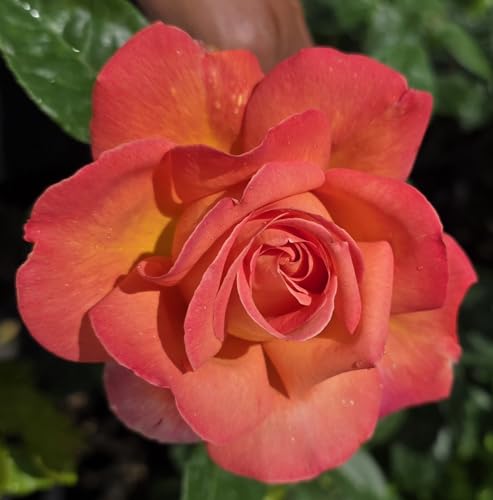
Ma Cherie Roses – Chicago Peace Rose Bush, 2 Quart Potted Rose Live Plant, Rose Bushes Ready to Plant, Pink Blend Rose
Provides a ready-to-plant rose in a compact pot, easing early support and moisture management.
Examples: Lady Banks Rose in Pots
A common U.S. patio setup uses a lady banks rose in a 15- to 20-inch pot trained to a small trellis beside a sunny door. The routine is simple: water deeply until runoff, then check the top inch of soil before watering again. After spring bloom, prune to tidy long canes, tie in new shoots, and fertilize lightly through summer. That pattern usually produces a strong spring display without turning into a tangled mess.
In a humid region, someone might choose a terracotta pot to reduce the chance of staying too wet. They place it where the plant dries quickly after rain and avoid overhead watering when possible. Pruning focuses on removing crowded stems so air moves through the canopy, and weekly inspections catch leaf issues early.
In a colder-climate example, a grower keeps the pot outdoors in fall and winter, but shelters it against a wall and insulates around the container. They stop heavy pruning after the main bloom, then trim only dead or weak canes once temperatures stabilize in spring. Even if some top growth dies back, the plant rebounds when the root system stays protected.
What to copy from real setups
- Use a support from day one. Tie new canes gently as they grow.
- Base watering on soil dryness. Not on “how many days it’s been.”
- Prune right after flowering. Save shaping cuts for the right time.
FAQ
How big of a pot does lady banks rose need?
A lady banks rose in pots generally does best in a container that is at least 15 to 20 inches wide, with drainage holes. Smaller pots dry too fast and can stress roots. If the plant dries out within a day in summer heat, size up the pot or add moisture-buffering mulch on the soil surface.
How often should I water lady banks rose in a pot?
Water deeply until it drains out the bottom, then wait until the top inch of soil feels dry before watering again. In hot U.S. summer weather that can be every few days; in cooler months it may be weekly. Always check the soil, because pot size and sun exposure change the schedule.
Can lady banks rose survive winter in a container?
It can, but root protection is the priority. In colder U.S. areas, insulate the pot or move it to a sheltered spot when temperatures approach about 20°F (-6°C). Avoid leaving it in waterlogged soil during freezes, since wet-cold conditions are where containers fail.
What’s the best time to prune lady banks rose in a pot?
Prune right after the main spring bloom, so you don’t cut off next season’s flower-producing canes. Remove dead or thin growth whenever you see it, but do the heavier shaping after flowering. In late fall or winter, keep pruning light so you don’t stimulate growth that can’t harden.
Why isn’t my lady banks rose blooming in the pot?
Most of the time it’s light or pruning timing. Aim for 6+ hours of direct sun, and avoid heavy pruning right before the bloom window. Also check drainage and watering consistency, because stressed plants focus on survival instead of flowering.
If you want a simple next step: pick a larger pot with real drainage, move the plant to its sunniest spot (6+ hours if you can), then commit to pruning right after the main spring bloom.

- 10 Best Slow Cooker With Leak Resistant Lid 2026 (Tested And Reviewed) - October 24, 2026
- 10 Best Slow Cooker With Spill Proof Design 2026 (Tested And Reviewed) - October 24, 2026
- 10 Best Slow Cooker With Locking System 2026 (Tested And Reviewed) - October 24, 2026