Sweet Potato Plants In Pots In 7 Easy Steps
Sweet potato plants in pots are a practical way to grow slips and harvest tubers in smaller spaces, but they demand two things most people miss: heat and consistent moisture. If you keep the container warm and avoid soggy soil, you can get solid yields without a garden bed. This guide focuses on how to choose pots and soil, manage slip growth, and harvest at the right time.
Container sweet potato growing works when you provide warmth, airy drainage, and deep, loose soil. Use a pot at least 12 inches wide for one plant, and keep the soil evenly moist but not wet. Feed lightly after vines start, manage weeds early, and harvest once the foliage yellows after the first frost risk passes.
Key Takeaways
- Pick the right container. Use a pot at least 12 inches wide per plant with drainage holes.
- Use loose, draining soil. Mix potting media with extra aeration so tubers can swell.
- Start warm, then maintain heat. Growth is slow in cool weather and speeds up when temperatures rise.
- Water consistently, not constantly. Keep moisture even and avoid waterlogged soil that invites rot.
- Feed after slips root. Start with light feeding once vines take off.
- Harvest based on foliage. Dig when vines start to yellow, usually before cold weather hits.
What to Know About sweet potato plants in pots
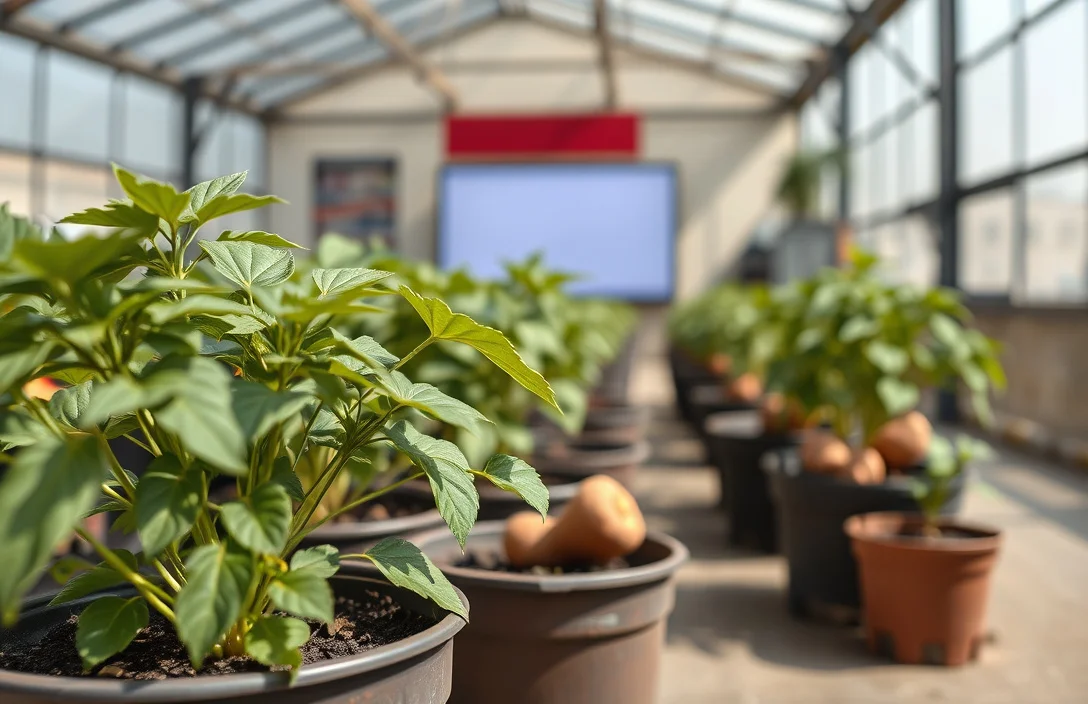
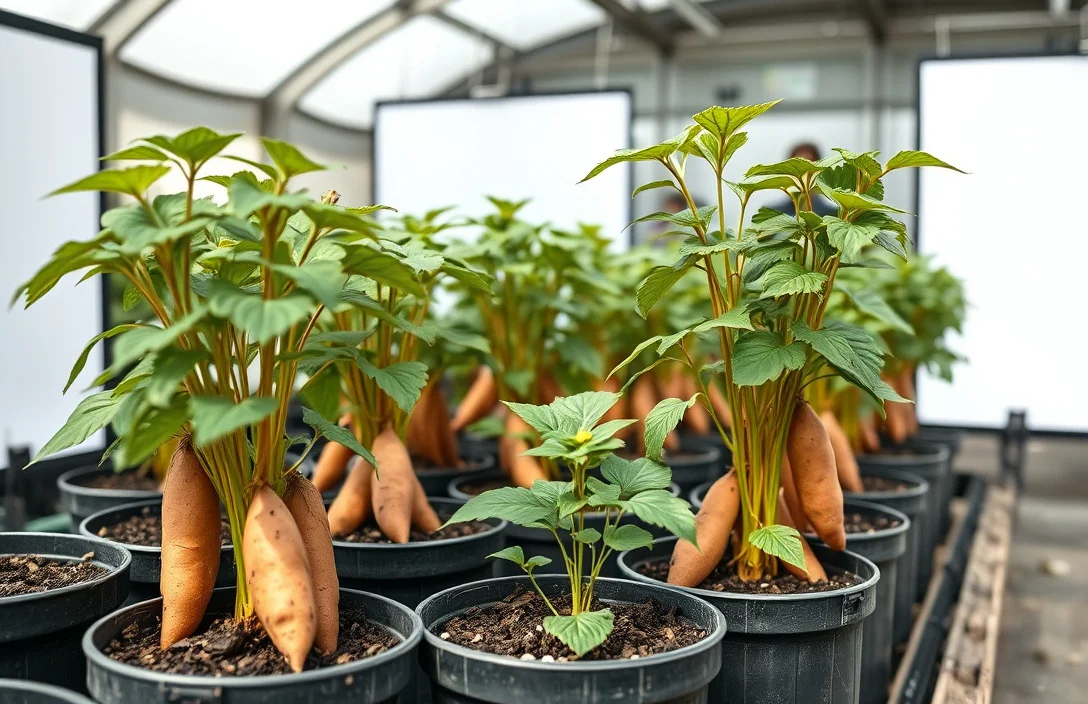
Sweet potato plants in pots are the same crop grown in a container. The bottlenecks are simple: container size, drainage quality, and temperature. The vines can look like the whole show, but tubers form underground along the roots. When the pot is too small or the soil stays wet, you usually get lots of vine and fewer, smaller tubers.
In the United States, sweet potatoes behave like warm-season vegetables. That means you start with slips (young rooted starts) or with slips purchased or started indoors. After transplanting outdoors, the soil needs to warm up. Cool nights slow growth even if the plant survives.
Container yields are realistic but not maximal. You trade the highest pounds per plant for control, convenience, and the ability to move pots into sun or shelter when temperatures swing.
Things that matter most
Match your container setup to how sweet potatoes grow. Tubers swell underground, so they need loose media, oxygen, and stable conditions. The vines keep pushing new growth, so pruning matters less for survival and more for light and airflow across the pot canopy.
These choices shape results the most:
- Pot size drives tuber size. Bigger pots give roots more room.
- Drainage prevents rot. Sweet potatoes do not tolerate sitting in water. If water pools, your rot risk jumps quickly.
- Sun determines pace. Strong daily sun helps the plant make the energy it needs to grow tubers.
- Temperature controls speed. Cool soil slows tuber formation. If you want “fast,” you need warmth.
- Soil depth matters. Tubers need room down, not just across the top.
Pot-grown vines can trail and spill, which is fine. Keep them from forming a dense mat right over the crown. As the plant grows, mound a little soil around the base to support vine nodes while keeping tubers from getting exposed.
Tips for sweet potato plants in pots
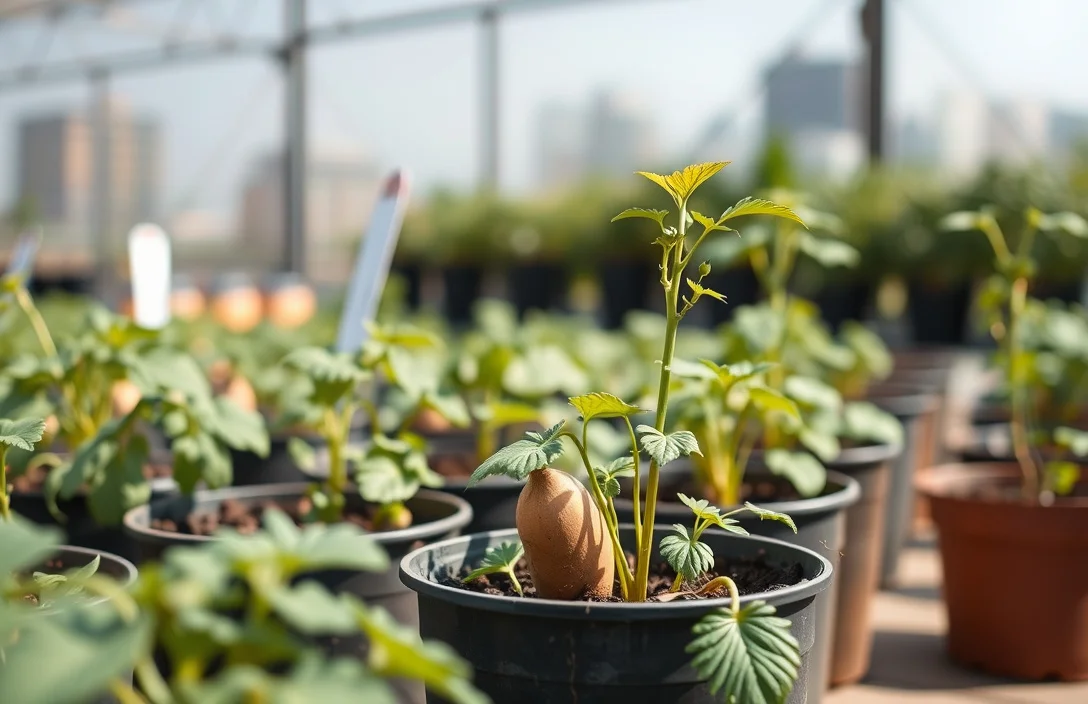
Get the fundamentals right: timing, soil texture, watering, and light. If you plant too early, growth can stall so long that the season ends before tubers size up. Overwatering leads to rot. Heavy soil prevents tubers from swelling evenly.
Follow a routine that fits typical US backyard conditions:
- Choose slips over seed if you want a reliable harvest. Slips are easier for most gardeners because they start from an established rooted stage.
- Use a pot with drainage holes and set it up so excess water can actually escape. If you use a saucer, empty it when water drains out.
- Fill with loose, draining mix and avoid compressing the media when you pot up.
- Plant at the right depth. Keep the crown and vine emergence above the soil line while letting roots settle into the mix.
- Water until evenly moist, then maintain balance. Aim for “damp, not muddy” soil.
- Give full sun once nights warm. Move pots to the sunniest spot available, and acclimate gradually if you started the slips indoors.
- Feed lightly after active growth begins. Too much nitrogen pushes vines and can reduce tuber payoff.
I treat container sweet potatoes as “heat and consistency” crops. If leaves droop in the afternoon and soil is dry several inches down, you have a watering issue. If leaves wilt and the soil feels wet or heavy, you have a drainage issue.
Manage vine growth early, too. If vines smother the soil surface, it gets harder to mound lightly around the base later. A little shaping keeps things workable.
Benefits of sweet potato plants in pots
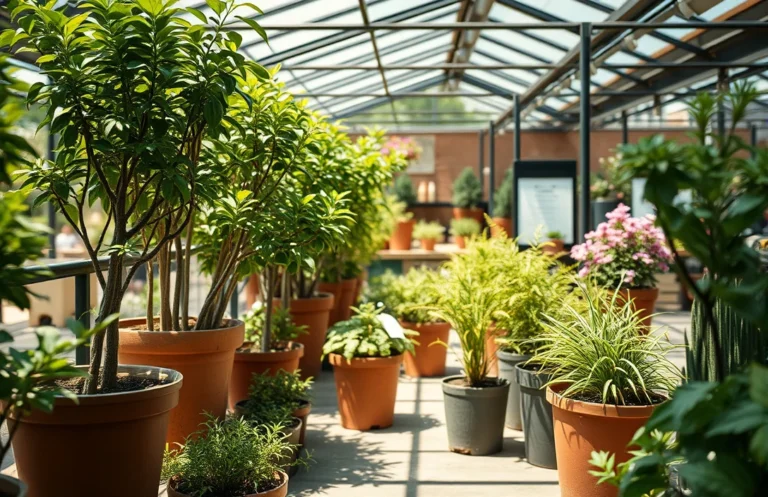
Containers give you control. You can choose soil texture, drainage, and placement, so you can grow sweet potatoes even when ground soil is poor or your space is limited to a patio or balcony. Pots also let you protect plants during short cold snaps or heavy rain by moving them under cover.
Convenience matters, especially in small spaces. You don’t need to till or amend a large area, and pots let you fit a few plants where a full bed would never work. For renters and small-space gardeners, containers can also reduce weed pressure compared with open ground.
There’s also a practical harvest benefit: you can time digging based on what you see above ground, and container edges give you a clearer digging boundary. Once you harvest, you can reuse the container the next season.
The trade-off is yield. If you want maximum pounds per plant, an in-ground bed beats a pot. If you want consistent, flexible results without a yard-wide project, pots are one of the easiest ways to get there.

Helpful pick
Miracle-Gro Potting Mix – For Container Plants, Flowers, Vegetables, Shrubs, Annuals, Perennials, Potting Soil Mix, Feeds up to 6 Months, 16 qt. (2-Pack)
Optimizes drainage and fertility for container-grown sweet potatoes, helping robust vine growth in pots.
Options for sweet potato plants in pots
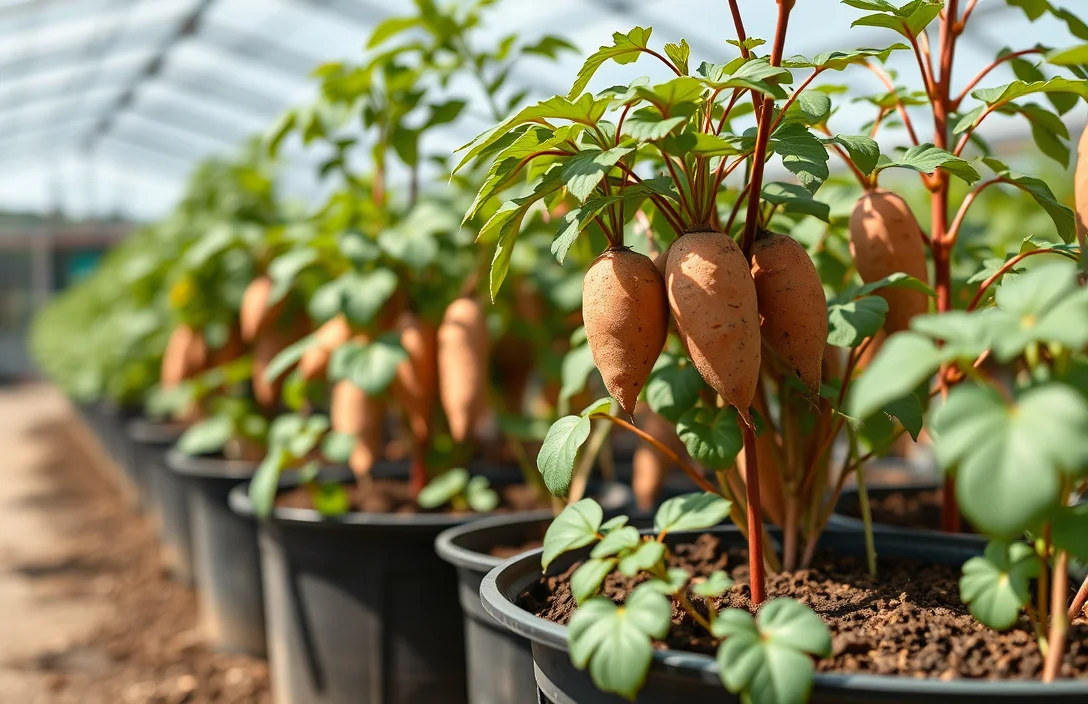
“Options” usually means pot choice, slip choice, and how you manage vines. The best setup depends on your space, sun hours, and how reliably you can water.
Pot and soil options
- Fabric grow bags. They breathe well and reduce waterlogging, but they dry faster, so you need stronger watering discipline.
- Plastic or ceramic pots. They hold moisture longer and can be stable, but you still need drainage and you must avoid heavy mixes.
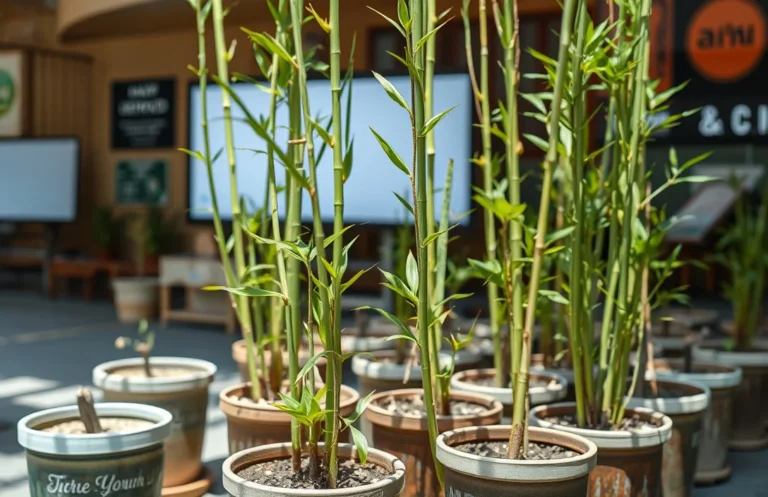
- Deep containers. Sweet potatoes need depth, not just width. Shallow pots usually mean smaller tubers.
Variety and slip options
You can choose slips based on what you want to eat – sweeter or more starchy, and different skin colors. The bigger driver for success in pots is simply starting with healthy slips and getting warm conditions after planting. If you buy slips, pick ones that look vigorous and already rooted rather than weak or stressed.
Training and support options
Vines don’t require trellises in containers, but you can manage them. Some gardeners lay vines along the soil surface and lightly cover node areas with soil to encourage additional rooting. Others let vines trail and focus on steady tuber development below.
| Option | Key Spec / Price Driver | Best For |
|---|---|---|
| 12-14 inch pot (1 plant) | Smaller volume, quicker drying | Patios, first-time growers, smaller harvests |
| 16-20 inch pot (1 plant) | Larger volume, more stable moisture | Bigger tubers and more reliable growth |
| Fabric grow bag | Breathable, faster drying, needs more watering | People who check plants daily and want good drainage |
| Plastic tote-style container | Holds moisture longer, easy to find | If you can drill drainage holes and use loose mix |
If you’re undecided, go with the largest pot you can realistically move and water. Container sweet potatoes do best when the soil doesn’t swing between bone-dry and waterlogged.
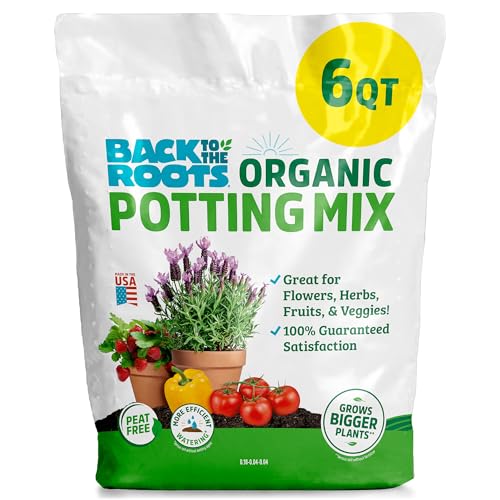
Helpful pick
Back to The Roots 100% Organic Potting Mix (6 Quart) Premium Blend Made in The USA
A versatile organic potting mix that supports container sweet potatoes with good drainage and steady moisture.
Practical Advice on sweet potato plants in pots
Treat sweet potatoes as warm-weather crops with strict moisture control, not as typical “set it by a bright window” plants. Containers amplify mistakes: underwatering stresses tubers, and watering too much invites rot. The goal is steady middle-ground moisture where the soil stays damp and airy.
These moves separate good container harvests from frustrating ones:
- Wait for warm soil before planting outdoors. Cool nights can stall growth long enough to hurt tuber size.
- Prioritize drainage over “more water.” If water lingers, fix that before increasing irrigation.
- Use loose media and don’t compact it. Tubers need space to swell.
- Avoid heavy nitrogen feeding. Keep plants healthy, then let tubers do the main work later.
- Mound lightly as vines grow. If roots start getting near the surface, add a bit of soil to protect developing tubers.
One common mistake is placing pots in full sun and then forgetting that sun plus airflow dries media quickly. When containers dry fast, build a real watering routine. Wilting is late-stage stress, and sweet potatoes don’t handle repeated drought cycles well.
I’d rather you water a little more often with smaller amounts than drench once and let the soil swing. Tubers form over time, and steady moisture supports steady development.

Helpful pick
Burpee, 9 Quarts | Premium Organic Potting Natural Soil Mix Food Ideal for Container Garden-Vegetable, Flower & Herb Use for Indoor Outdoor Plant
Premium organic mix supports proper drainage and moisture management for container-grown sweet potatoes.
Examples of sweet potato plants in pots
A first-time grower might start two slips in 12- to 14-inch pots on a sunny patio, then water whenever the top couple inches dry out. With loose potting mix and drainage holes that aren’t backed up in a saucer, a harvest is achievable. Tubers may still be smaller because root space is limited.
A more ambitious setup uses one plant per 18- to 20-inch pot with a draining mix, placed in strong sun from morning through late afternoon. The grower checks moisture daily in hot weather, keeps soil evenly damp, and uses light feeding once vines are clearly established. With this routine, tubers tend to size up more evenly, and the harvest feels more “worth it.”
In a space-limited balcony scenario, a gardener can use a fabric grow bag and keep it in full sun, but they must water more often because fabric dries faster. The payoff is excellent drainage, which can reduce rot risk if watering stays consistent. If the bag dries out repeatedly, vine stress shows up quickly and tuber development suffers.
A season-extender approach works when you start slips indoors in warmth, then move pots outdoors only after nights are consistently warm. This reduces cool-weather stalling and gives you more time for tubers to grow. The trade-off is acclimation: move plants gradually so they don’t scorch when exposed to intense sun.
If you want a straightforward starting point, plant one slip per medium-large pot, use a draining mix, water consistently, and plan to harvest before cold weather slows growth.
FAQ
What size pot do sweet potato plants need?
For a single sweet potato plant, use a pot at least 12 inches wide with drainage holes. If you can go bigger (like 16-20 inches), tubers usually develop better because roots have more room. Avoid shallow containers since tubers swell underground and depth affects how well they form.
How often should I water sweet potato plants in pots?
Keep soil evenly moist, not constantly wet. Check moisture a couple inches down, then water when it feels damp but not muddy. In hot weather or with fabric grow bags, this can mean daily checks; in cooler weather, it can be less frequent.
When should I harvest container sweet potatoes?
Harvest when foliage starts to yellow and growth slows, and do it before cold weather stops growth. In most US climates, that means digging once frost risk becomes imminent or after the first light dip that signals the plant is ending its season. Harvesting too early gives smaller, less developed tubers.
Do sweet potato plants need fertilizer in pots?
They don’t need heavy feeding. Use quality potting mix, then apply light fertilizer once vines are actively growing. Too much nitrogen can encourage leaf growth at the expense of tuber formation, so feeding is support, not the main driver.
What’s the most common mistake with sweet potato plants in pots?
Overwatering and soggy soil is the usual culprit. Sweet potatoes can rot if the container stays wet, especially with heavy mix or poor drainage. Choose an airy, draining media, use drainage holes, and water consistently rather than cycling between dry and waterlogged.

- 10 Best Slow Cooker For Mess Free Cooking 2026 (Tested And Reviewed) - October 24, 2026
- 10 Best Slow Cooker With Leak Resistant Lid 2026 (Tested And Reviewed) - October 24, 2026
- 10 Best Slow Cooker With Spill Proof Design 2026 (Tested And Reviewed) - October 24, 2026