Growing Tomato Plants In Pots Explained Simply
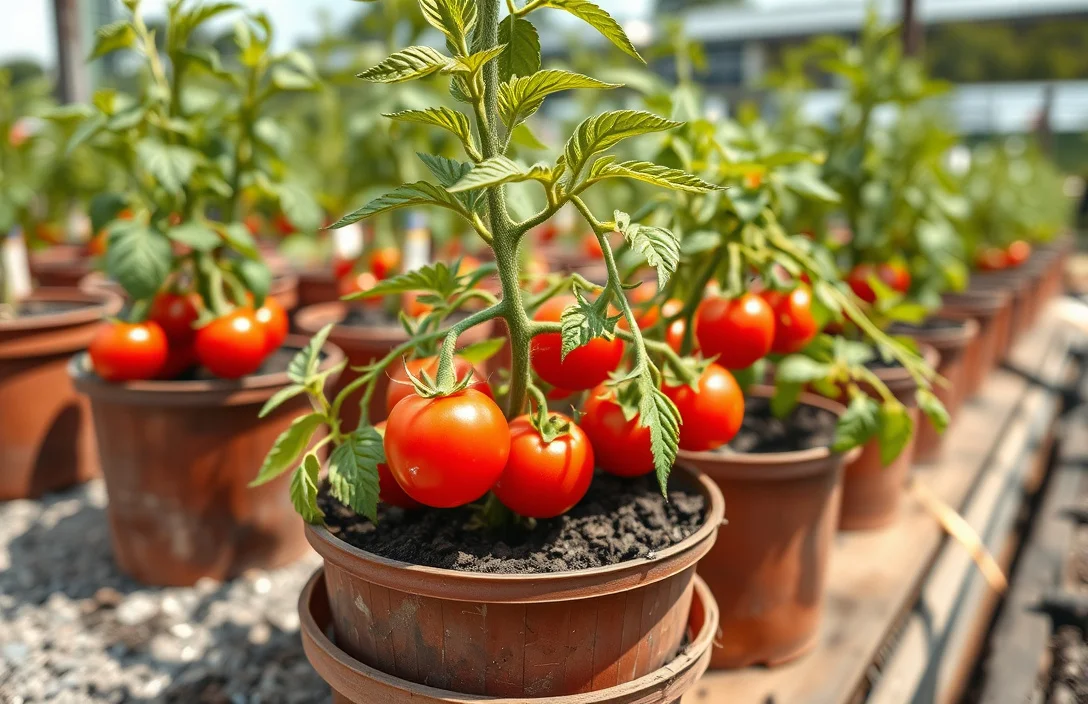
Tomatoes in pots grow well when you treat them like root-limited plants. Plan around at least 5 gallons for most patio-sized determinate types, and more for indeterminate vines. This guide walks through the choices that actually move the needle – variety selection, pot size, soil, feeding, and watering.
Container tomatoes thrive when you match sun (6-8 hours direct) and container size to the variety, then keep moisture steady. Most determinate patio tomatoes do well in 5 gallons, while indeterminate types usually need 15-20+ gallons. Fertilize at planting with slow-release, then feed about every 1-2 weeks once flowering starts to keep fruit coming.
Key Takeaways
- Pot size drives success. Many patio tomatoes do best in 5 gallons, while indeterminate vines need 15-20+ gallons.
- Sun sets the harvest. Aim for 6-8 hours of direct sun daily, or expect more watering and less yield.
- One plant per pot. Plan on 1 tomato per container to protect airflow and reduce disease pressure.
- Feed on a schedule. Use slow-release at planting, then liquid fertilizer every 1-2 weeks after flowering begins.
- Water consistently. In heat, container tomatoes may need daily watering, sometimes twice daily, so check soil moisture first.
- Support early. Put in a trellis or cage before the plant gets big, so stems don’t get damaged later.
What to know about growing tomato plants in pots
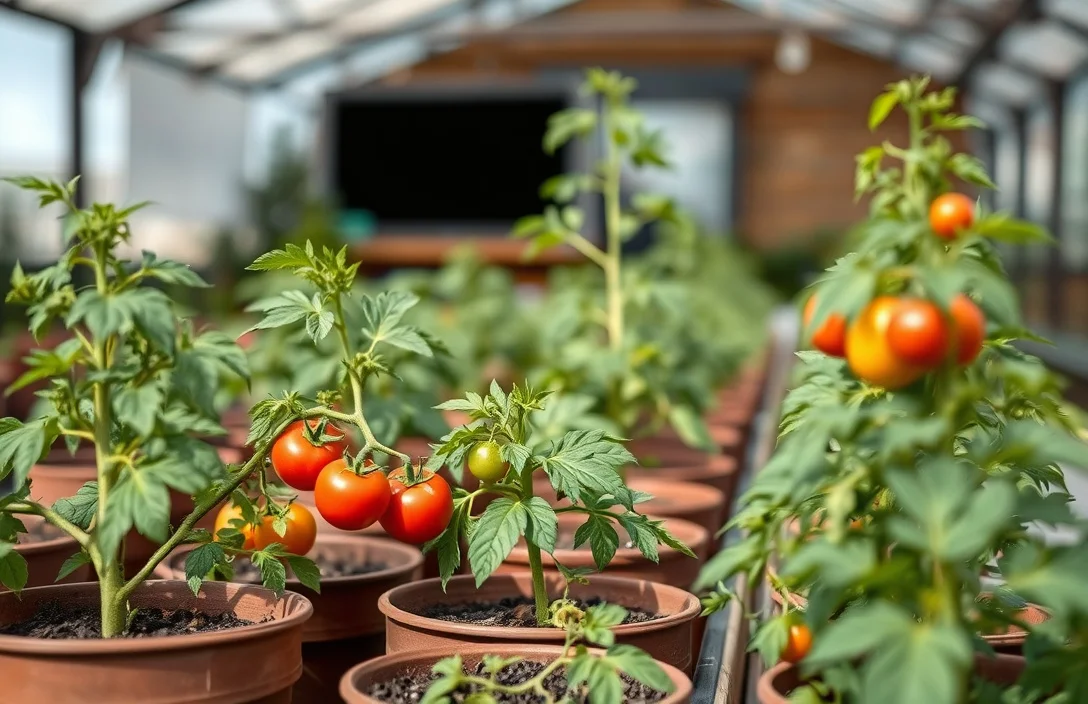
Tomatoes in pots are easy to manage, but they don’t forgive mistakes the way in-ground plants do. In-ground tomatoes pull from a larger, more stable soil volume. Potted tomatoes hit limits faster – especially with root space – so the care that’s optional in the garden becomes non-negotiable in containers.
Start with the basics: containers need drainage holes, and they need enough soil depth for roots to spread. A pot that’s too small dries out quickly and can trigger fruit problems like poor fruit set or blossom-end rot, even when you’re watering often.
If you want plants that look good on a deck or balcony and still produce reliably, match the variety to your space. Patio and dwarf types are built for container life. Larger slicers and long-vine indeterminates need bigger containers and stronger support so fruit stays off the ground and airflow can move through the canopy.
Things that matter most
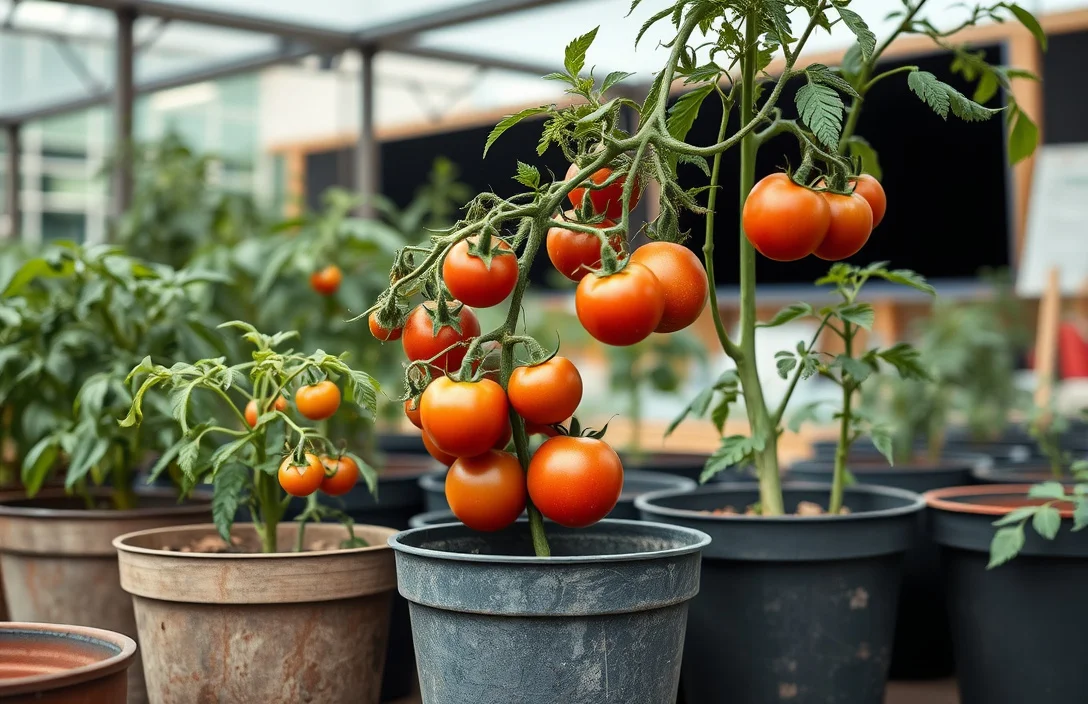
Pot size is the biggest lever. Small cherry or micro-dwarf plants can work in 2-3 gallons, while many determinate patio tomatoes do best around 5 gallons. Standard determinate and small indeterminate tomatoes typically perform better with 10-15 gallons, and full-size indeterminate types often want 20+ gallons.
Use this pot-size cheat sheet:
| Container size | Best tomato type | Expected yield (range) | Examples |
|---|---|---|---|
| 2-3 gallons | Micro-dwarf, cherry | 3-8 lbs | Tiny Tim, Red Robin |
| 5 gallons | Determinate, patio types | 10-15 lbs | Bush Goliath, Patio |
| 10-15 gallons | Standard determinate/small indeterminate | 15-25 lbs | Celebrity, Early Girl |
| 20+ gallons | Full-size indeterminate | 25-40 lbs | Beefsteak, Cherokee Purple |
Next, lock in sunlight and watering. Container tomatoes do best with 6-8 hours of direct sun daily. At 4-6 hours, you’ll usually water more often and manage disease more closely. In hot weather, check soil moisture daily because containers can dry out fast.
Feeding is where most “it didn’t work” stories start. One-and-done fertilizer usually gives you lush leaves and fewer fruits. A practical plan is slow-release fertilizer mixed into potting mix at planting, then liquid feed every 1-2 weeks once flowering begins.
Tips for growing tomato plants in pots
Choose a variety that fits container life. “All tomatoes can grow in pots” is technically true, but plenty won’t thrive. If your space is tight or you don’t want massive containers, pick patio or balcony-friendly types like Patio Princess or Tiny Tim for example.
Get the pot setup right. Use a sturdy container with drainage holes and plan for at least 12 inches of pot depth for healthy root development. Grow bags drain well and are lighter than heavy pots, which can make daily watering easier to manage.
Water on a rhythm, not a guess. Check soil moisture before watering because schedules shift with container size, heat, wind, and plant size. In peak summer, container tomatoes may need watering once or even twice daily depending on conditions. Consistent moisture also helps reduce blossom-end rot.
Fertilize with a plan. At planting, mix slow-release tomato fertilizer (for example, 3-4-6 NPK such as Espoma Tomato-tone 3-4-6) into the potting mix. When flowering begins, switch to liquid fertilizer feeding every 1-2 weeks using mild options like fish emulsion or seaweed extract, and keep feeding through fruiting.
Support the plant before it gets heavy. Determinate types can benefit from cages or stakes, and indeterminate vines definitely need support. Install the trellis early so you don’t damage roots or stems after the plant starts filling out.
Harvest timing is part of container success. Plan on roughly 45-80 days after planting, depending on variety and growing conditions. Keep picking regularly so the plant continues producing new fruit instead of concentrating on ripening everything at once.

Helpful pick
Growia 2 Pack Tomato Planter with Trellis 56 Inch, Self Watering Planter Box with Trellis, Vertical Raised Garden Bed Planter for Climbing Vegetables Indoor Outdoor Patio
Ideal for compact spaces, these self-watering planters with trellis support climbing tomatoes in patios or balconies.
Benefits of growing tomato plants in pots
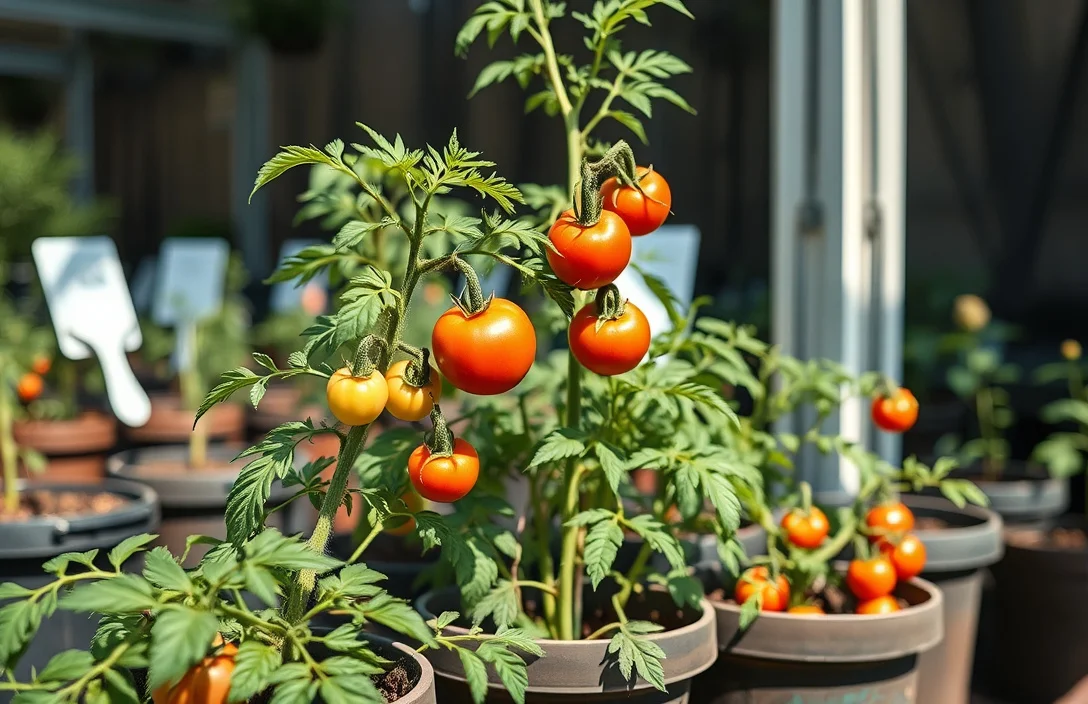
Pots give you control. You choose the potting mix, you manage drainage, and you avoid issues like compacted soil or forgetting a bed rotation. Fresh potting mix also reduces the odds that you’re starting with unknown soil problems from previous seasons.
Containers also fit real schedules and real spaces. If you can’t make an in-ground garden work, you can grow tomatoes on a patio, balcony, or deck. You can even move the plant to chase sun during the day. That flexibility matters in the US, where yard exposure varies a lot by orientation.
Container growing can make pest checks easier too. You can often see the whole plant quickly, and you can adjust placement when trouble repeats. You’ll still deal with common pests, but early detection and small changes to care tend to be faster.
When you manage one tomato plant per container and match the container size to the variety, you standardize the growing conditions. That usually means more consistent results from season to season – your wins are more likely to repeat instead of collapsing from random drainage or soil issues.

Helpful pick
MQFORU 2 Packs Raised Garden Bed Tomato Planter with Trellis, 57″ Tomato Cages for Climbing Vegetables Plant, Self Watering Planters Box for Garden Pots for Patio Greenhouse Indoor Outdoor(2PCS)
The MQFORU raised planters give you control of moisture and soil while keeping plants in pots.
Options for growing tomato plants in pots
You’ve got more container options than most people expect, and the best choice comes down to how willing you are to manage watering. Traditional pots (terracotta, ceramic, plastic) work well if they drain properly. Barrels can work too, as long as you handle drainage correctly. Grow bags are popular because they drain well and are easier to move once plants get big.
Your variety choice also determines the container strategy. Determinate varieties stay compact and fit tidy container plans. Indeterminate varieties keep growing and producing until conditions stop them, so you need more container depth and volume and sturdier support.
Here’s how variety type changes what you should buy. Many determinate patio tomatoes fit well in around 5 gallons. Standard determinates and smaller indeterminates do better with 10-15 gallons. Full-size indeterminate varieties usually need 20+ gallons, plus a trellis or cage that can handle weight and keep airflow moving.
If you want to “right-size” your setup, start with the smallest pot that still matches what the variety needs, then scale up if your goal is maximum yield. Small pots can work, but they dry out faster and usually require tighter feeding. Bigger pots hold moisture longer, which reduces how often you have to intervene.
Quick picks for small spaces:
- Tiny Tim for balconies and even indoor sunrooms (cherry type, compact size).
- Window Box Roma for sauce lovers (container-friendly selection).
- Tumbler if you want cherry tomatoes that spill from hanging or small pots.
- Patio Princess for a productive, long-season patio plant.

Helpful pick
Tomato Planter Pot Tomato Box Raised Garden Bed 56.5″ Tall Self-Watering and Water Indicator Planter for Tomato Outdoor Indoor Metal Trellis for Climbing Plants Large Reservoir-1 planter-not 2
Self-watering design helps simplify watering management for container-grown tomatoes in this tall planter.
Expert advice for growing tomato plants in pots
Match container size to the variety before you buy anything else. Tomatoes are heavy feeders and heavy-rooted. The root zone hits the container limit first, and undersizing turns into a frustrating loop where you water constantly and still can’t keep moisture even.
Treat sunlight like a measurable input. Aim for 6-8 hours of direct sun daily. Container tomatoes struggle in shade. Afternoon sun only still works, but it usually means more frequent watering and closer disease prevention.
Time fertilizer correctly. Don’t feed like you’re growing a leaf plant. Use a staged approach: slow-release at planting for early growth, then liquid fertilizer every 1-2 weeks once flowering starts to support steady fruit production. During flowering and fruiting, prioritize nutrients that support blooms and set, not just leafy growth.
Water deeply, but don’t turn “deeply” into “dry then soak.” Containers that swing between drying out and getting drenched stress the plant. Check soil moisture, water when the mix is dry enough to need it, and keep moisture steadier through the hottest part of summer.
Plan support on day one. Stakes, cages, or a trellis should go in early – especially for indeterminate varieties – so stems stay upright and fruit doesn’t hit the ground. Better structure also makes harvesting easier because fruit is reachable and airflow stays better.
Harvest regularly and expect variation. Most container tomato crops produce a harvest window beginning around 45-80 days after planting, and your daily choices affect ripening speed. If production slows, the first things to check are sun exposure, watering consistency, and whether you kept feeding after the first blooms.
Examples: growing tomato plants in pots
A balcony setup with limited space works best with cherry or compact determinates. Tiny Tim in a small container is a realistic “first container tomato” because it’s designed for balconies and sunrooms. If your spot only gets 4-6 hours, plan for more frequent watering and smaller yields than full sun.
For a patio where you can give one plant a real root zone, a 5-gallon container is a strong target for many determinate patio types. Plant a single Bush Goliath or Patio-type plant in a 5-gallon pot, add a cage or stake early, and expect meaningful harvests over the season. This setup is often the sweet spot for getting “garden flavor” without huge containers.
Go bigger for larger slicers or indeterminate varieties that keep producing. Forcing a full-size indeterminate into a small pot frustrates most growers. A container closer to 20+ gallons fits the ongoing growth, and you can target higher potential yields (the range people plan for is 25-40 lbs in well-matched conditions).
For sauce lovers, Window Box Roma is a container-minded choice. Keep focus on consistent sun and even watering because moisture stability supports fruit size and quality. Then keep feeding on schedule through fruiting so the plant keeps producing instead of running out after the first flush.
For hanging or spillover styles, a Tumbler type can turn tomato plants into a visible feature. Hanging containers dry faster, especially with wind, so check moisture often. Keep fertilizing on the every 1-2 weeks rhythm once flowering begins so flowers don’t drop off.
FAQ
What size pot do I need for a tomato in a container?
Most patio determinate tomatoes do well in 5 gallons. Smaller cherry and micro-dwarf types can work in 2-3 gallons, while standard determinate or small indeterminate types typically do better in 10-15 gallons. Full-size indeterminate tomatoes usually need 20+ gallons to avoid constant drying and nutrient stress.
How many hours of sun do container tomatoes need?
Aim for 6-8 hours of direct sun daily for best results. If your pot only gets 4-6 hours, you can still grow tomatoes, but plan for more frequent watering and a closer eye for disease. More shade usually means slower growth and smaller harvests.
How often should I water tomato plants in pots?
Water based on soil moisture, not the calendar. During peak summer, container tomatoes may need watering once and sometimes twice daily depending on heat and container size. Check daily during hot spells because pots can dry out quickly.
What fertilizer schedule works for potted tomatoes?
Use slow-release tomato fertilizer in the potting mix at planting (mix according to package directions). Once flowering begins, feed with liquid fertilizer every 1-2 weeks. Keep feeding through fruiting to maintain production, and consider lower-nitrogen, higher phosphorus/potassium mixes during fruiting.
What’s the most common mistake when growing tomatoes in pots?
Planting the wrong variety in too-small a container is the big one. Many people start with an undersized pot, then water constantly and still can’t keep the plant unstressed. Match pot size to the tomato type, use drainage, feed on schedule, and support the plant early to prevent a cascade of problems.

- 10 Best Slow Cooker With Leak Resistant Lid 2026 (Tested And Reviewed) - October 24, 2026
- 10 Best Slow Cooker With Spill Proof Design 2026 (Tested And Reviewed) - October 24, 2026
- 10 Best Slow Cooker With Locking System 2026 (Tested And Reviewed) - October 24, 2026