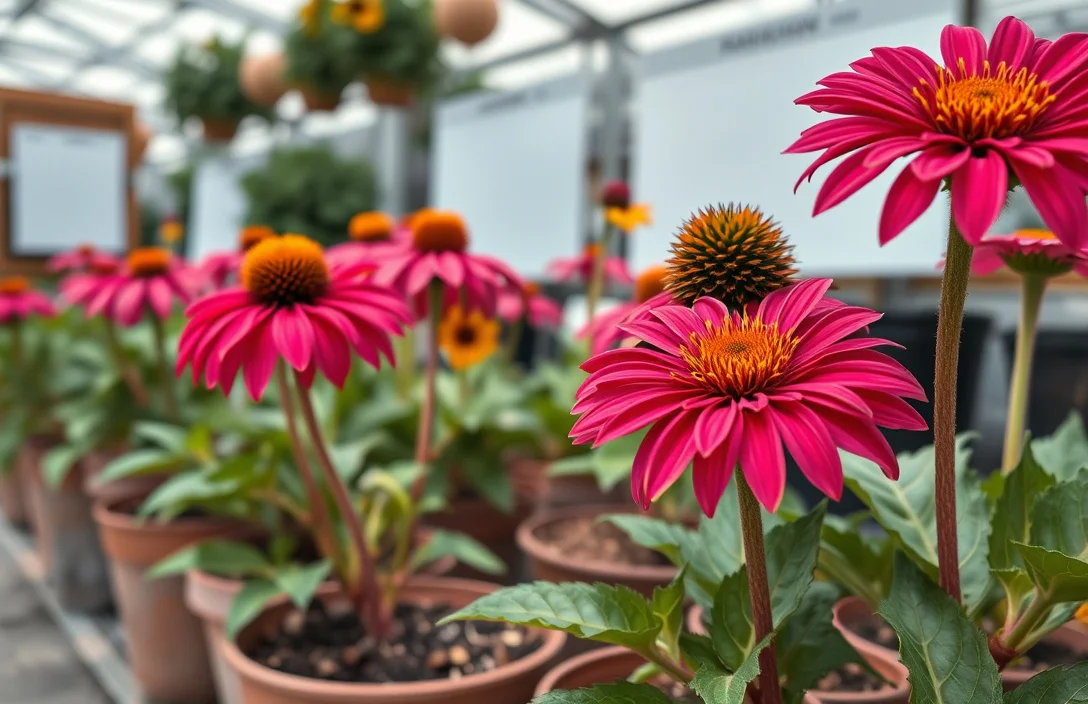
Can Coneflowers Grow In Pots?
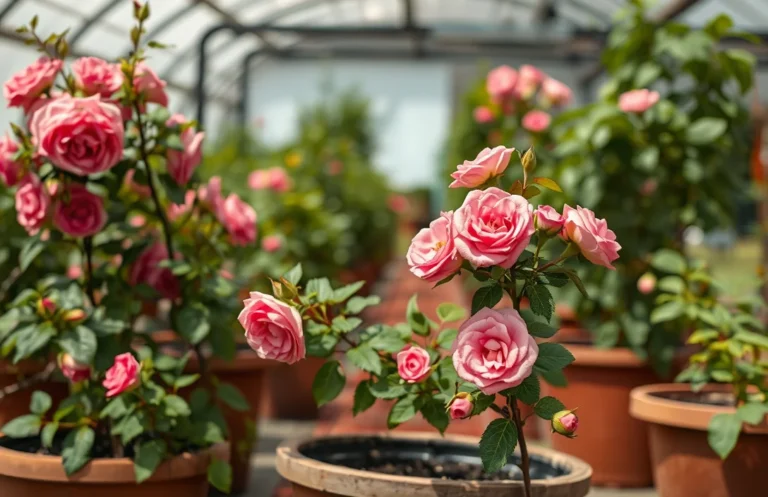
Yes, coneflowers (Echinacea) can grow in pots, and you can get real flowers in a container if you nail a few basics: pot size, sun, drainage, and feeding. Most “my coneflower won’t bloom” problems come from root crowding or soil that stays too wet. This guide gives you a plain answer and then helps you set up a container that works in typical U.S. conditions.
Coneflowers can grow in pots if the container is at least 12 inches wide (bigger is better), has drainage holes, and gets 6+ hours of sun. Water when the top 1 inch of soil feels dry, and feed lightly during the growing season. In summer, plan on watering more often than you would in-ground.
Key Takeaways
- Yes, they grow in containers when you give enough root space and strong light.
- Pot size matters most – aim for at least 12 inches wide, with drainage holes.
- Sun drives flowering – give 6+ hours daily for best blooms.
- Water by soil depth – water when the top 1 inch is dry, then drain fully.
- Feed lightly – a modest fertilizer schedule beats heavy feeding.
- Plan for winter – protect container roots from freezing cycles in cold regions.
What to Know About Conflowers in Pots
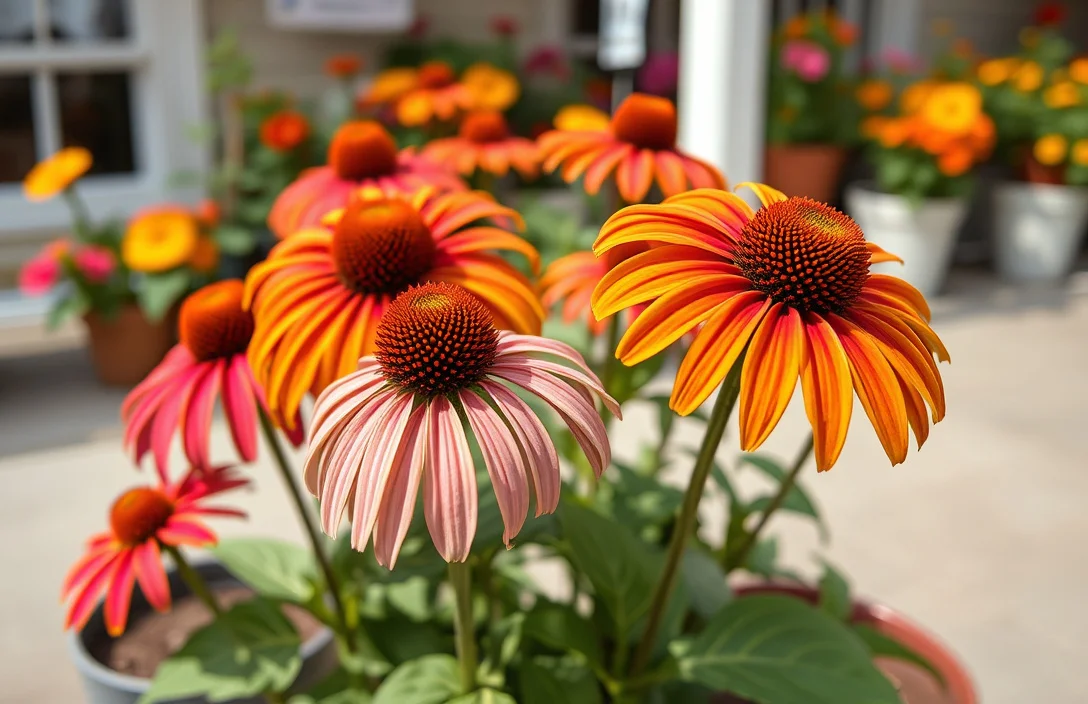
Coneflowers are workable in pots because they are hardy perennials with sturdy stems and a root system that can thrive in a well-managed container. Potted plants dry out faster and swing temperatures more than plants in the ground, so maintenance needs to be tighter.
Most container failures come from two issues: soil that stays soggy (roots rot) and pots that are too small (roots can’t store enough moisture and nutrients to support blooming). Get drainage right and keep the plant in full sun, and coneflower blooms are very achievable.
Decide how you want to grow: if you want a long-term “leave it on the patio” plant, pick a pot size you can live with for years. If you’re experimenting, you can start smaller, but up-pot after the first season when the plant looks crowded.
Things that matter most
Pot size controls moisture stability. For most coneflowers, a container around 12 inches wide is a practical minimum, and larger pots are easier to manage in hot U.S. summers.
Drainage and airflow come next. Use a pot with multiple drainage holes and a potting mix that drains well. If water pools on the surface or drains out slowly, the root zone stays too wet.
Sun is the next big lever. Coneflowers typically bloom best with 6+ hours of sun, and they still need strong light even if they look “fine” in partial shade.
Feeding is support, not a rescue tool. Over-fertilizing pushes leaf growth at the expense of flowers, and in containers it can also increase salt buildup in the soil over time.
Tips for Coneflowers in Pots
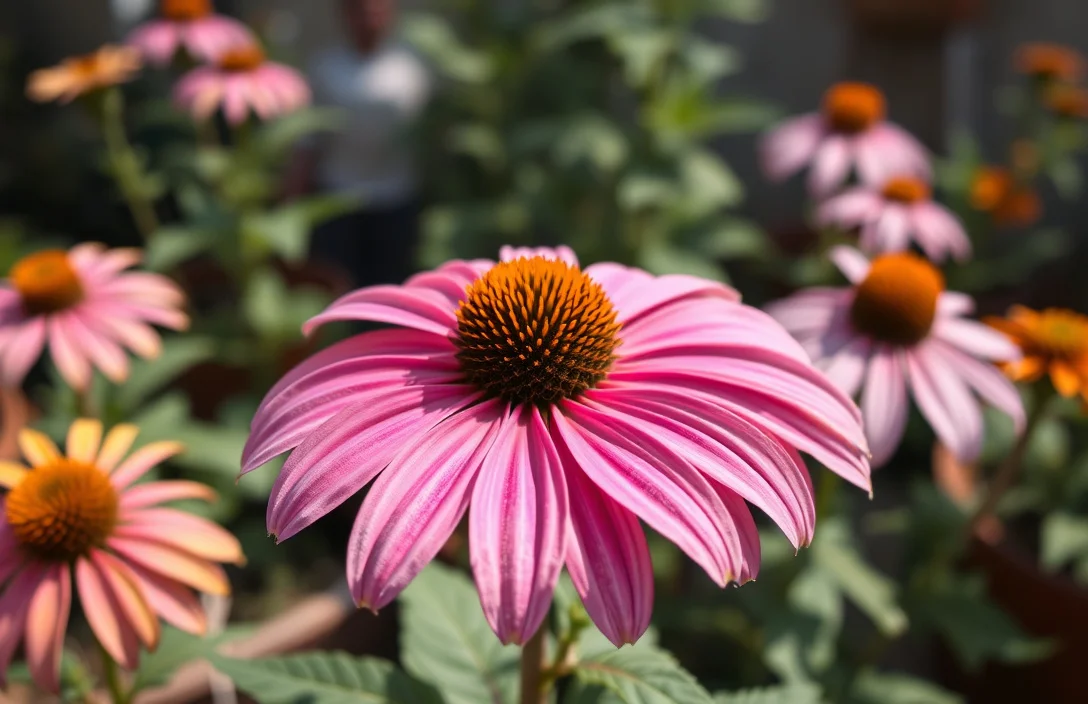
Use a potting mix, not garden soil. Garden soil compacts in containers, drains poorly, and makes it harder to balance water and oxygen in the root zone.
Use a simple watering rule: check the top 1 inch. When that layer is dry, water thoroughly until water runs out the bottom, then empty any saucer. In midsummer heat, that might mean watering every few days; in spring, it may be weekly.
When you plant, set the crown at the same depth it was growing before. Planting too deep can trap moisture around the crown, and planting too high can expose roots and dry them out fast.
To keep blooms coming, deadhead spent flowers. Cutting the flower stem just below the spent bloom often encourages additional flowering, though the timing depends on plant vigor.
Here’s a quick checklist that prevents wasted effort:
- Choose drainage first. Use a pot with plenty of holes.
- Pick sun before style. Patio planters look great, but light matters more.
- Use a fast-draining mix. Easy to water through, not clay-heavy.
- Water deeply, then wait. Wet-dry cycles beat constant damp soil.
- Feed lightly in season. Ease off once flowering slows.
Benefits of Coneflowers in Pots
Pots give you control. You can manage soil quality, drainage, and placement so coneflowers get the sun and moisture conditions they need, even when your yard soil is heavy or your beds are shaded.
Container growing also makes repositioning simple. If you get fewer blooms because the sun angle shifts through the season, move the pot to a brighter spot instead of remodeling your landscape.
Pots can also reduce pest and disease pressure. Coneflowers are tough, but better airflow and fewer stagnant-wet zones in containers can cut down on the repeated wet conditions that trigger fungal issues.
Growing coneflowers in pots is also a practical way to start small with perennials. Test which varieties flower reliably for you, then scale up once you know what works.
Options for Coneflowers in Pots
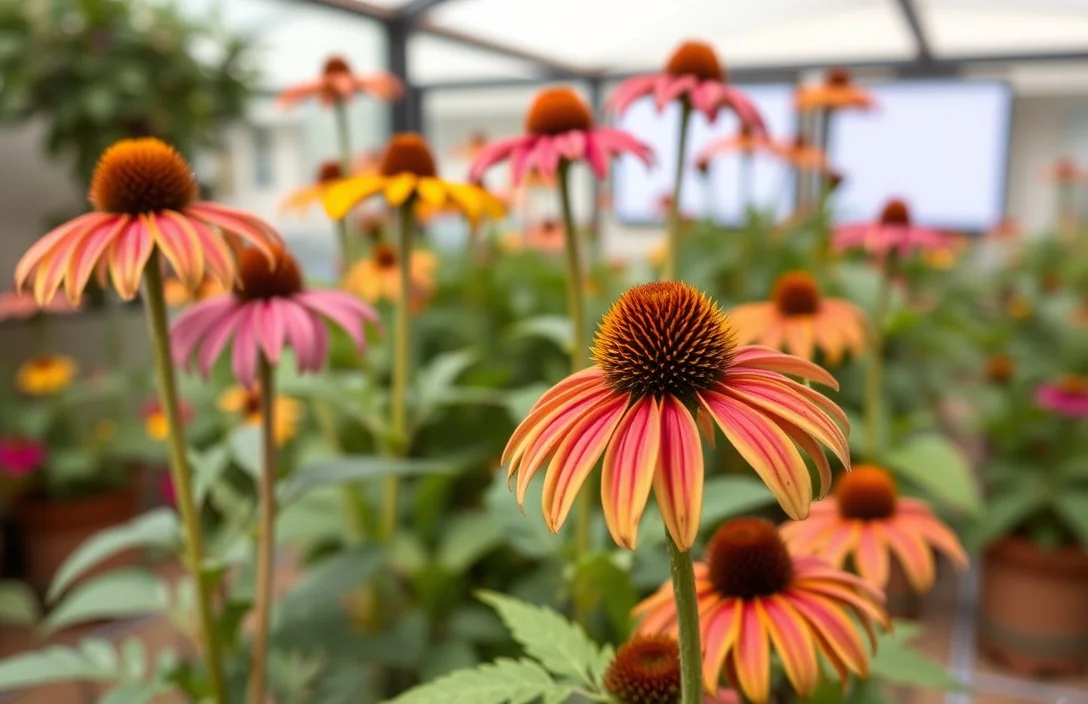
Two container approaches drive two different routines, so choose based on how much time you want to spend.
Option 1 is a larger, long-term pot. This works best if you want the plant to stay put and bloom reliably without constant watering. A bigger container buffers drought and temperature swings, which makes your schedule more forgiving.
Option 2 is a medium pot with more frequent care. This fits patios where you can water easily, but you’ll check soil more often in summer. Medium pots also help when you want to rearrange outdoor spaces by season.
Pick your container material:
- Plastic or fiberglass hold moisture longer and are lighter to move.
- Ceramic or terracotta look great but dry faster, which means more frequent watering.
- Fabric grow bags drain aggressively and can be excellent in humid regions, but they dry quickly in heat.
Soil is the other key choice. Use a quality potting mix with added drainage (like perlite) to keep the root zone airy. A very light, fast-draining mix means more frequent watering, but it lowers rot risk.
Expert Advice on Coneflowers in Pots
Create a stable root zone, not a constantly shifting one. In practice, that means choosing a pot big enough to slow down drying and watering based on soil depth rather than a fixed calendar.
Treat winter as a root issue, not a stem issue. Coneflowers tolerate cold, but potted plants face more freeze-thaw stress because the container insulates less than ground soil. If you get real winter freezes, protect the pot by moving it to a sheltered spot or insulating the container.
Don’t crowd the plant. One coneflower per pot is the cleanest setup for beginners, especially if you want strong blooms and good airflow. Crowding makes it harder for the mix to dry evenly and can reduce flowering.
Troubleshoot with symptom clues:
- Wilting even though soil seems “wet” usually points to drainage or root health problems.
- Lots of leaves, few flowers usually means too little sun or too much nitrogen.
- Leggy growth usually means the plant isn’t getting enough direct light.
Examples: Coneflowers in Pots
On a sunny patio in the U.S. Southeast with afternoon heat and frequent rain, a solid setup is a 14 to 18-inch pot with multiple drainage holes, a quality potting mix, and a watering routine that starts only after the top 1 inch dries. In that situation, coneflowers typically bloom well with full sun and roots that aren’t staying soggy after storms.
On a smaller apartment balcony, conditions can swing fast. With a smaller pot, wind and sun heat the container quickly, so watering may need to happen much more often. Terracotta can dry too fast there, so a plastic, fiberglass, or fabric pot (with close monitoring) may perform better.
For winter, freeze-thaw stress is the real story. In the Midwest, leaving pots outside through repeated freeze-thaw cycles can stress container roots even if the plant looks fine above ground. Moving the pot to a sheltered location (like near a wall) and insulating the container reduces stress and improves survival.
The rule stays the same: container size and watering habits determine how reliably coneflowers bloom, more than the variety label alone.
FAQ
Can coneflowers grow in pots?
Yes. Coneflowers grow in pots with drainage holes and enough sun. A practical starting point is a pot about 12 inches wide or larger. Water when the top 1 inch of soil is dry, then water thoroughly until it drains. In full sun, many people get flowers in a single growing season.
What size pot do coneflowers need?
A good minimum is around 12 inches wide for one coneflower. For easier watering and steadier growth, go bigger, since larger soil volume dries more slowly. If the plant looks crowded and growth slows, up-pot instead of trying to “fix it” with extra fertilizer or more frequent watering.
How often should you water coneflowers in a pot?
Water based on soil moisture, not a fixed schedule. Check the top 1 inch of soil and water only when it feels dry. In hot U.S. summer conditions, that can be every few days; in cooler spring weather, weekly may be enough. Always empty saucers so water does not sit at the bottom.
Are coneflowers in pots harder to keep alive in winter?
They can be. Container roots are more exposed to freeze-thaw cycles than in-ground roots. Stems may die back, but the plant depends on healthy roots. In regions with hard freezes, protect the pot by moving it to shelter and insulating around the container.
What’s the most common mistake when growing coneflowers in containers?
Overwatering or using a soil that drains poorly. When the root zone stays constantly wet, coneflowers can develop root rot and decline even if leaves remain green. Fix it with a pot that has drainage holes, a well-draining potting mix, and a “dry top inch” watering routine.
If you want your coneflowers to thrive in pots, use a larger container, give full sun, and water only when the top inch dries. Then choose your pot (with drainage holes), plant in quality potting mix, and commit to the soil-depth watering check.

- 10 Best Slow Cooker For Slow Cooking Legumes 2026 (Tested And Reviewed) - October 17, 2026
- 10 Best Slow Cooker For Slow Cooking Oxtail 2026 (Tested And Reviewed) - October 16, 2026
- 10 Best Slow Cooker For Slow Cooking Venison 2026 (Tested And Reviewed) - October 16, 2026