Is A Rice Cooker A Pressure Cooker?
Rice cookers and pressure cookers both promise “set it and forget it,” but they do it in totally different ways. If you have ever wondered whether a rice cooker can replace a pressure cooker, the real issue is how each one builds heat and controls cooking conditions. This guide answers that question directly, then helps you choose the right appliance for rice, beans, and everything in between.
A rice cooker is not a pressure cooker. A typical rice cooker uses a thermostat (and sometimes a timer) to heat rice until it boils, then it switches to a lower heat level to finish cooking. A pressure cooker cooks at higher temperatures by sealing the pot and building internal pressure (usually with a gasket and a pressure regulator), which rice cookers do not do.
Key Takeaways
- A rice cooker is not a pressure cooker because it does not seal and pressurize food.
- Pressure cookers cook hotter by building internal pressure, usually via a sealed lid and regulator.
- Rice cookers manage moisture by steaming rice in a controlled pot, usually using temperature sensing.
- Some rice cookers add features like “quick” or “soup,” but they still cook without pressure.
- Beans need pressure to soften reliably, especially dried varieties, unless you soak them and simmer longer.
- Your best replacement depends on your goal: rice gets easy, but pressure cooking needs a pressure cooker.
Is a rice cooker a pressure cooker?
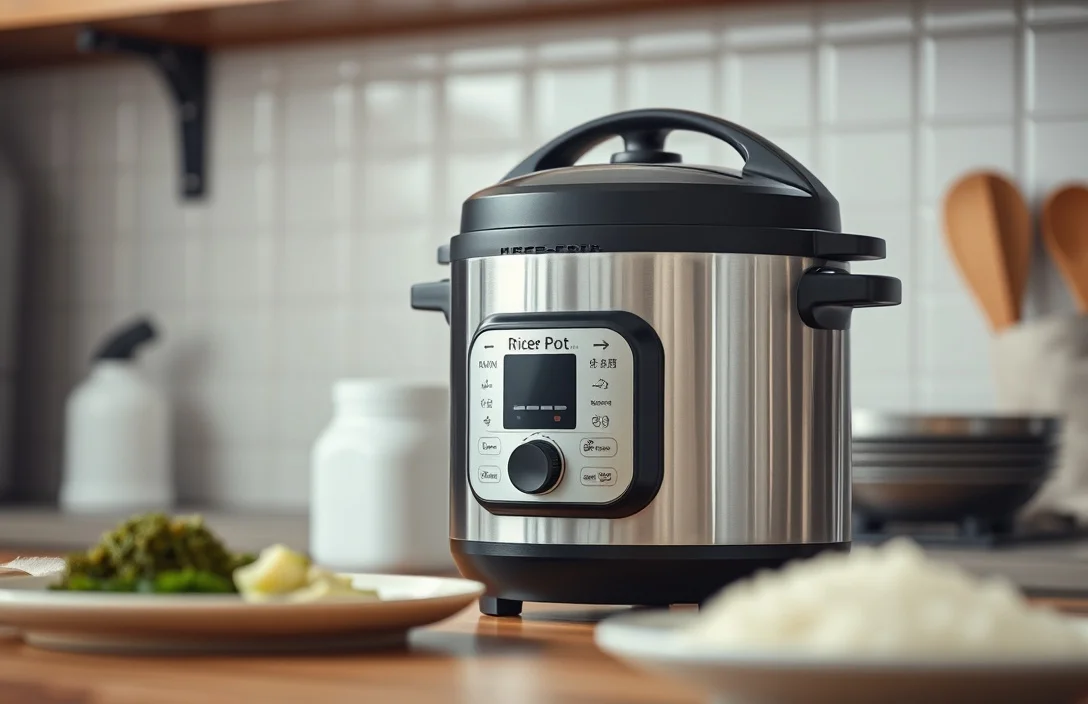
No. A rice cooker heats water until it reaches a boil, then holds the temperature steady so rice absorbs water and finishes steaming. You can usually tell by how the lid sits and vents normally – it is not sealed, pressure-regulated equipment.
A pressure cooker traps steam in a sealed vessel so internal pressure rises. That pressure raises the effective cooking temperature, which cuts cook times for tough foods like dried beans and certain meats. Rice cookers focus on grain cooking, so their “magic” comes from water ratio, controlled heat, and steaming, not pressure.
If you’re buying for speed, this distinction matters: rice cookers can cook quickly, but they do not deliver the pressure shortcut that helps dried foods soften fast. If you’re buying for consistent results, rice cookers do that extremely well because they are tuned to how rice starches gelatinize and how moisture behaves.
Does “fast” on a rice cooker mean pressure cooking?
Rice cookers do not build pressure, even when they have “faster” modes. Most models boil, then switch to a keep-warm or low-heat stage after the rice is cooked. That is different from a pressure cooker, which seals the pot and uses a regulator to maintain a specific pressure range.
Pressure cooking also changes how recipes behave. You typically use less time and less water, and dried legumes soften dramatically because the cooking environment runs hotter. A rice cooker depends on its cooking program (like white rice or brown rice) and the correct water-to-rice ratio, with the cooker’s sensor logic deciding when cooking should end.
Practical difference in one line: rice cookers are “steam and temperature control.” Pressure cookers are “steam under pressure.” If you remember that, choosing gets simple.
How to use a rice cooker without expecting pressure results
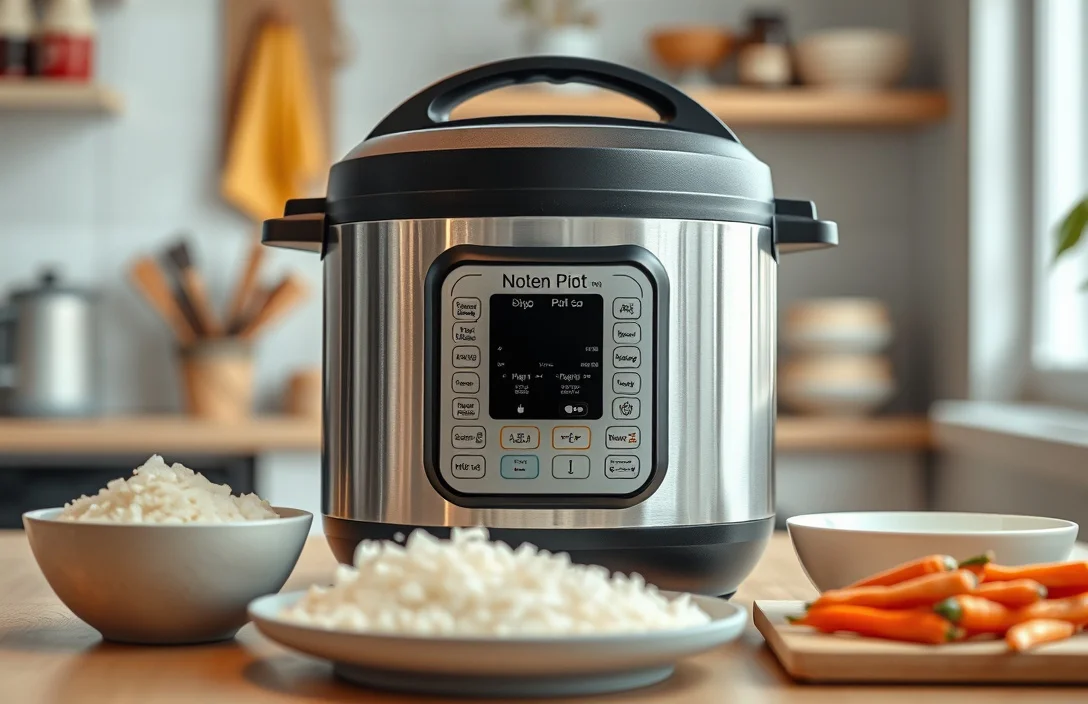
Use your rice cooker for what it’s built to do: consistent rice variety cooking. Short-grain rice for sushi turns sticky because of starch content and hydration behavior, not because of pressure. Long-grain aromatic rice like jasmine and basmati depends on rinsing (to manage surface starch) and the right water level for the texture you want.
When you adapt recipes, treat the cooker like a rice appliance first, not a general pressure-cooker replacement. A pressure-cooking recipe for dried beans uses time under pressure; a rice cooker does not. The texture and timing will come out different. You can cook beans in a rice cooker sometimes, but it’s usually slower and less predictable unless you soak thoroughly and accept a softer, less uniform result.
For best results, follow these habits:
- Measure water with cups or a scale, and stick to the cooker’s rice program guidance.
- Rinse rice when the recipe calls for it (sticky rice and sushi rice often want different rinse handling).
- Use soak time intentionally if you’re trying beans or other grains.
- Do not assume “quick” means pressure – it typically means higher early heat, not a sealed pressure cook.
- Let the rice rest after cooking, since many rice cookers finish during the rest/keep-warm transition.
If your main goal is repeatable rice, these habits pay off quickly. If your main goal is turning dried beans tender in a fraction of the time, get a real pressure cooker.
What you gain with a rice cooker (and what you do not)
A rice cooker’s biggest strength is reliable rice. You set it, it reaches the right boiling point, and it transitions to finishing and holding without babysitting a stove. That consistency is why it works for weeknight rice bowls and simple rice side dishes alike.
Rice cookers also offer texture control through programs and sensor logic. Many models include modes for white rice, brown rice, mixed rice, and sometimes “sushi” or “porridge.” Those settings adjust the heat curve and timing so gelatinization and moisture absorption fit each grain type.
The simplicity is real, too. A rice cooker is generally easier than a pressure cooker because it does not require a sealed lid, gasket checks, or pressure venting cycles. If you want “set it and walk away” cooking without learning pressure safety routines, a rice cooker fits.
For everyday meals, a rice cooker stays flexible. Even when you switch up varieties, you’re still working with grain hydration and controlled steaming – which matches what the appliance is designed to do. That’s why it earns its place in many kitchens.
how to choose
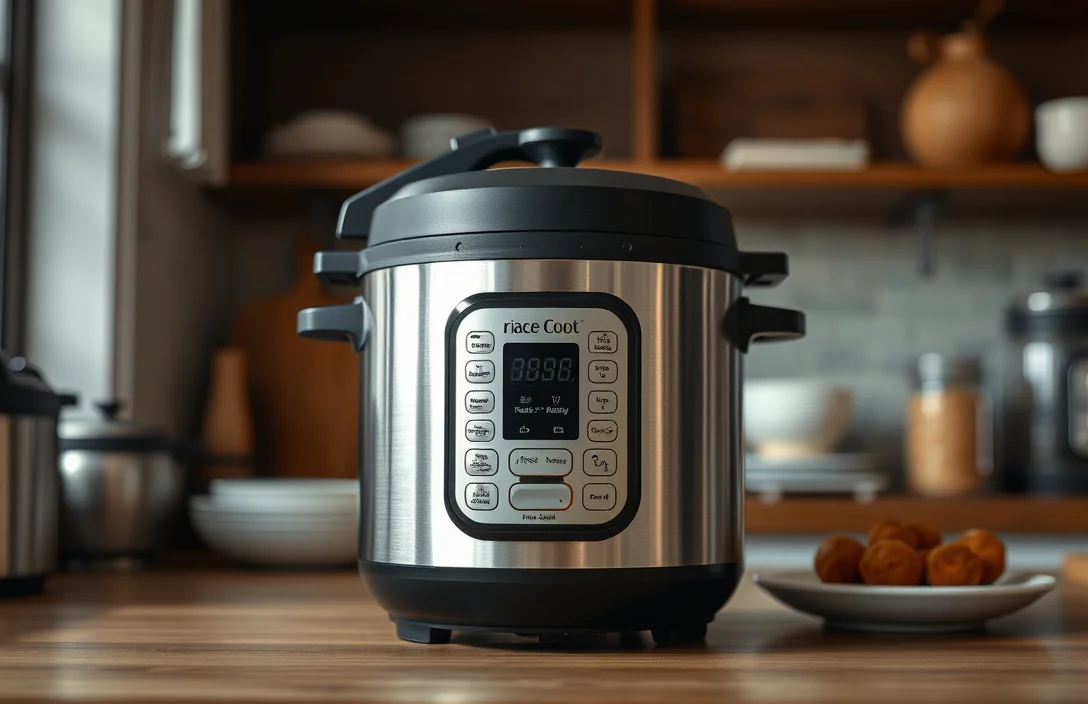
If you want the rice-focused option, buy a rice cooker based on what it does best: sensing and finishing different grains. Basic models handle standard rice well, while more advanced models may add specific rice menus, keep-warm temperature tuning, or logic-based adjustments that respond to how the cook is going. The trade-off is cost versus how often you cook a variety of grain types.
If you want the pressure-focused option, choose a pressure cooker (or electric pressure cooker) designed to seal and regulate pressure. Electric models make pressure cooking simpler because they manage ramp-up and timing automatically, but you still have to follow release and safety steps. A stove pressure cooker gives you more hands-on control, and it also demands more monitoring.
Use this comparison to decide quickly:
| Appliance | Key Spec/Method | Best For | What It Won’t Replace |
|---|---|---|---|
| Rice cooker | Temperature and steam control (no sealed pressure) | Consistent rice, rice-based meals | Fast dried bean softening like pressure cooking |
| Electric pressure cooker | Sealed lid, pressure regulation | Dried beans, faster tough foods | Perfect rice texture every time without rice-specific modes |
| Stove pressure cooker | Sealed lid, pressure control by gauge/regulator | Budget pressure cooking | One-button convenience for rice |
If you cook mostly rice, a rice cooker is the right buy. If dried beans, chili, stews, or other pressure-friendly foods show up often, a pressure cooker is the better tool. Forcing one appliance to replace the other usually ends in disappointing texture or extra time.
The right tool for the food chemistry
Match the appliance to what you’re trying to control. Rice cooking is mostly about starch gelatinization and hydration, which is why rice cookers can be so consistent without any pressure system. Pressure cooking speeds up tenderness by raising the internal boiling point, which is why pressure cookers excel on dried legumes and tougher cuts.
Treat a rice cooker as your “daily driver.” If your week includes rice sides, rice bowls, and experimenting with rice varieties, it’s hard to beat for convenience and repeatability. Use a pressure cooker as your “time-saver” for dried foods, where soaking and long simmering would eat your schedule.
Also, plan around release method. Pressure cooking often requires natural or quick release depending on the recipe, and that timing affects texture – especially for beans and grains. Rice cooking usually just needs a rest period, which is easier to manage since there is no venting step.
My rule is simple: if a recipe title says pressure and it’s written in terms of minutes under pressure, do not try to convert it to a rice cooker. If you’re adapting rice results to other grains, rely on grain type and water ratio, not pressure-cooker timing.
when a rice cooker works (and when it doesn’t)
Sushi rice is a natural rice-cooker job. Short-grain rice hydrates and becomes sticky because of its starch content, and the cooker’s controlled heat curve helps it reach the right texture consistently. Rinse and measure properly, then let it rest so moisture redistributes evenly.
For fluffy basmati or fragrant jasmine rice, a rice cooker can deliver repeatable results without you babysitting simmering. Jasmine and basmati behavior depends on water and how the grains swell, not on pressure. Use the cooker’s white rice or “aromatic” style setting if it has one, and adjust water slightly if you prefer firmer or softer rice.
Beans are where people get disappointed when they assume a rice cooker can pressure cook. Dried beans need enough heat and a long enough cooking environment to soften through the seed coat. Pressure cookers achieve that faster because they cook hotter under pressure. Rice cookers often require longer cooking and may still give uneven tenderness depending on bean type.
A recipe written for pressure cooking chickpeas in under an hour usually won’t translate to a rice cooker with the same time and the same outcome. Soaking and longer cooking can help, but it’s typically slower and sometimes less uniform. If beans are a regular part of your meal plan, the right tool saves time long term.
FAQ
Is a rice cooker the same as a pressure cooker?
No. A rice cooker cooks rice with heat and steam at normal pressure, usually using temperature sensing to switch to a warm mode. A pressure cooker seals the pot and raises internal pressure to cook at higher temperatures. If you need pressure-cooked tenderness for dried beans, a rice cooker will not replace that mechanism.
Can I cook beans in a rice cooker instead of a pressure cooker?
Yes, but expect different results. Many people soak beans first to reduce cooking time, then cook them in a rice cooker until tender. A rice cooker usually takes longer than pressure cooking, and bean tenderness can vary by type and age. If you need consistently tender beans quickly, a pressure cooker is the better tool.
How long does rice take in a pressure cooker vs a rice cooker?
Rice cooks differently because the systems control heat in different ways. Rice cookers are designed to finish rice based on moisture and temperature, so timing often follows the program and sensor behavior. Pressure cookers can shorten cooking time, but rice can overcook quickly if you use non-rice settings and release too aggressively. Use rice-specific recipes when using pressure.
Is a rice cooker safer than a pressure cooker?
Generally, yes for everyday use. Rice cookers do not rely on a sealed pressure system, so there is no pressure build-up and venting cycle. Pressure cookers require correct lid sealing, pressure regulation, and safe release handling. If safety training is a concern, a rice cooker is simpler to operate.
What’s a common mistake people make when they confuse them?
People try to use a pressure-cooker bean or stew recipe in a rice cooker with the same cook time. That fails because rice cookers do not reach the higher-pressure cooking environment. The result is often undercooked centers, uneven texture, or a longer-than-expected cook. Convert only if the recipe is designed for rice cooking, or use a pressure cooker for pressure-style recipes.

- 10 Best Slow Cooker For Mess Free Cooking 2026 (Tested And Reviewed) - October 24, 2026
- 10 Best Slow Cooker With Leak Resistant Lid 2026 (Tested And Reviewed) - October 24, 2026
- 10 Best Slow Cooker With Spill Proof Design 2026 (Tested And Reviewed) - October 24, 2026