Can You Use An Oven Bag In A Slow Cooker?
Slow cookers cook gently for hours, but oven bags are built for the dry, higher-heat environment inside an oven. The practical question is whether the bag holds up, whether it traps enough moisture to help (not hurt), and whether you can still reach dependable doneness in a slow cooker. Here’s how to use an oven bag in a slow cooker tonight, safely and with results you can actually repeat.
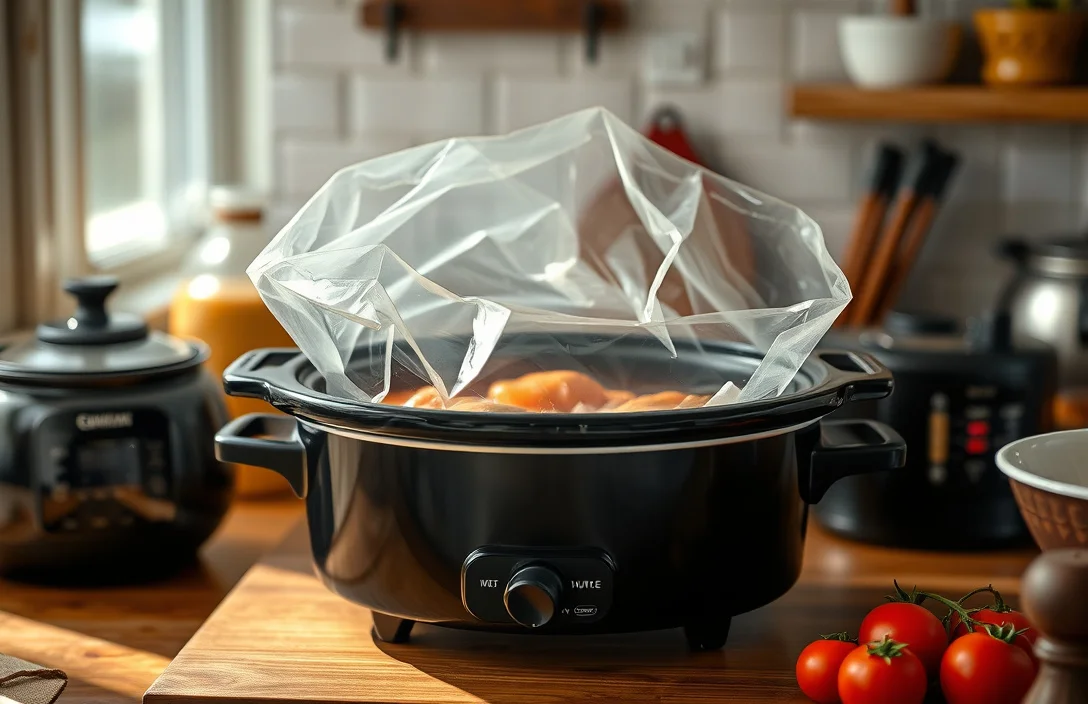
Oven bags work in a slow cooker only when the bag is labeled oven bag – heat-safe for cooking – and you prevent it from contacting the heating element or other hot parts. For most slow cooking, use a bag with moist ingredients, leave it loosely closed (don’t seal it airtight), and cook until internal temperature hits safe doneness.
- Use only heat-safe bags. Check the package for “oven bag” or explicit cooking use that includes the temperature range you’ll run.
- Avoid direct heat contact. Keep the bag from touching the insert sides, lid, or any heating element area.
- Keep it loose, not sealed. Leave slack so steam can escape and the bag doesn’t trap pressure.
- Cook by temperature. Time varies by ingredient and slow cooker size, so use a thermometer.
- Expect extra condensation. Bags trap moisture, so thick sauces may need thinning at the end.
- Skip dry recipes. Oven bags perform best with braises, roasts, and stews that have enough liquid.
What to Know About Using an Oven Bag in a Slow Cooker
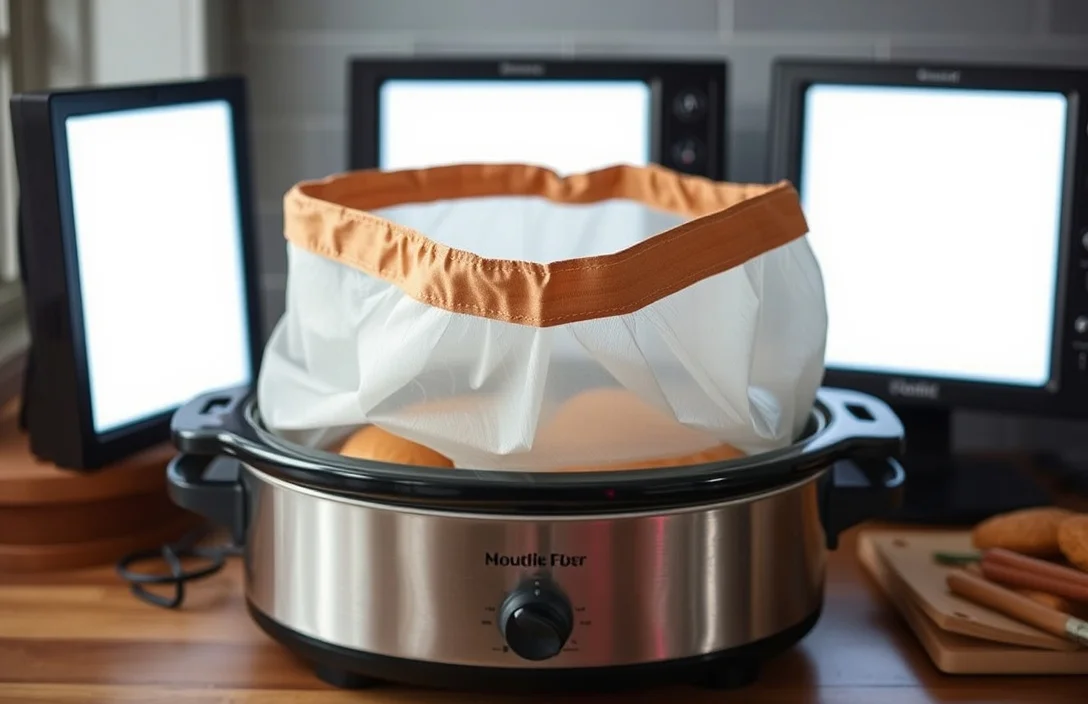
An oven bag can work in a slow cooker when two things are true: the bag is genuinely heat-safe for the conditions you’ll run, and you manage contact and closure. Most oven bags are designed for dry oven heat, so the main risk is mechanical – melting, deformation, or tearing if the bag touches hot surfaces – not some guarantee that it “will never work.”
Slow cooker cooking changes the texture equation. Slow cookers run on trapped steam and gentle simmering, and the bag increases condensation. That can improve tenderness in pot roast and braised chicken. It can also make stir-ins and crispy edges go soggy fast.
Treat the oven bag as a liner, not a sealed cooking chamber. Keep it untied enough for venting and avoid packing ingredients so tightly that the bag gets forced against hot metal.
Things that matter most
Oven bags are usable in slow cookers when you follow three rules: choose a heat-safe bag, prevent direct contact with hot surfaces, and cook by internal temperature. Skip one and you increase your odds of melting, uneven heating, or undercooked centers.
- Bag must be labeled for cooking. Look for explicit “oven bag” – heat-safe instructions on the package.
- No direct contact with heat. Keep clearance from the insert sides, lid, and heating parts.
- Do not seal airtight. Tie loosely so trapped steam can vent.
- Use enough liquid. Bags need moisture to work well, especially with poultry and tougher cuts.
- Doneness is not “time.” Use a thermometer for safety and consistent results.
Quick check: can the bag hang freely inside the insert without touching hot spots? If it can’t, switch methods – foil tent or direct slow-cooker cooking.
Tips to Prevent Bag Contact and Soggy Results
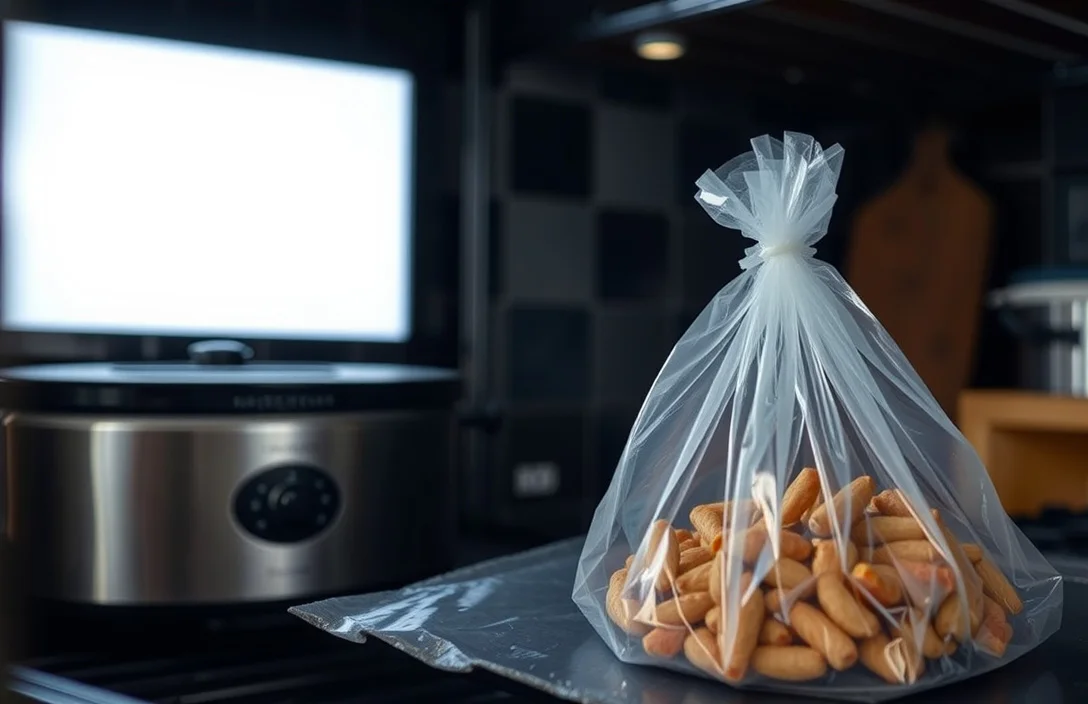
These setup tweaks prevent the most common failures – bag contact, collapsed bags, and bland-looking food from over-diluted seasoning. The goal is simple: let the bag behave like a gentle humidity sleeve, not a wrestling partner for your ingredients.
- Size the bag to the insert. Pick a bag size that allows slack without pushing against the insert.
- Keep the tied end up and above the liquid. For roasts and chicken, this reduces the chance the bag lies against the hottest surfaces.
- Build a “liquid moat.” Add liquid first, then set the bag and ingredients so liquid surrounds them, not just underneath.
- Tie loosely and leave air space. You want venting, not a pressure-cooker effect.
- Don’t overfill. Crowding forces contact and can create dense, cooler pockets.
- Add thick ingredients late. Add tomato paste, thick gravy components, or cornstarch slurry near the end to avoid gummy texture.
The bag often speeds tenderness for tough cuts because it keeps surfaces hydrated. Still, handle delicate vegetables with care. Zucchini and green beans can go from tender to mushy before the meat finishes cooking.
Benefits and Trade-Offs
The biggest upside is moisture control. An oven bag traps steam and helps food stay juicy. That’s useful for tough roasts and for poultry that can turn stringy if it dries out.
Cleanup is also simpler. You lift out the bag with most of the mess, then clean the insert without scrubbing stuck sauce.
The trade-off is browning and sauce texture. Slow cookers already produce less browning than ovens, and bags add condensation. Expect a thinner sauce or extra finishing time uncovered.
Better Alternatives When You Don’t Want to Rely on Bag Behavior
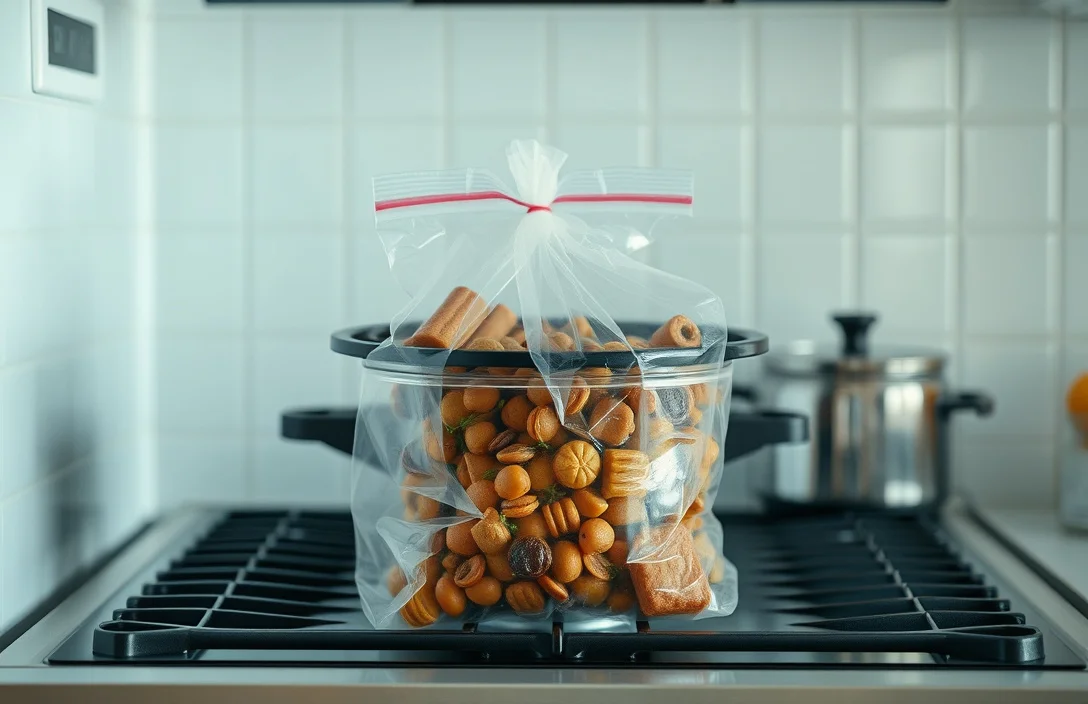
If your goal is easy, consistent slow-cooker results, you can get similar outcomes without betting on how a bag handles contact and condensation. Choose based on what you’re making and how much you care about sauce thickness versus tenderness.
| Method | Best For | What to Watch |
|---|---|---|
| Oven bag (heat-safe) | Chicken, pot roast, stews | Avoid contact with hot surfaces, don’t seal airtight |
| Foil tent | Casseroles, seafood, vegetables that dry out | Foil can block airflow, still cook by temp |
| Slow-cooker liner (if included) | Mess control, easy cleanup | Some liners are designed for specific makers and temps |
| Direct slow cooker (no wrap) | Saucy dishes, soups, chili | You may need to stir and manage liquid level |
| Slow-cooker insert sprayed or lightly oiled | Rice-like mixes, lean meats | Won’t prevent sauce splatter like a bag |
My rule: use an oven bag only when the recipe has enough liquid and you can keep the bag away from hot points. If you can’t confirm the bag’s heat-safe instructions or you can’t prevent insert contact, use a foil tent or cook directly and reduce the sauce at the end.
Food-Safety and Doneness Rules That Still Matter
In a slow cooker, “bag cooking” doesn’t replace food safety. Cooking times also swing based on insert size, load amount, and whether ingredients start cold or at room temperature.
Follow this safe, repeatable approach:
- Confirm the bag is labeled for heat cooking. If it only says “use in the oven” without heat guidance for your slow cooker, don’t guess.
- Place the bag so it hangs freely. If you can’t keep it off the sides, use foil or cook without wrapping (then finish the sauce briefly).
- Use internal temperatures. Chicken needs to be fully cooked; roasts need time to tenderize; both require thermometer checks.
- Finish sauce uncovered if needed. Bags trap moisture. Remove the bag and simmer uncovered 10-20 minutes when sauce is too thin.
Use these commonly accepted temperature targets (check your recipe too):
- Chicken (including thighs): 165°F
- Ground meat: 160°F
- Beef roast: pull based on tenderness, but 145°F gives a safe baseline (then rest as needed)
If you want tenderness, low heat often gets you there. Switching to high briefly can help finish thick centers, but don’t use high to “save” a setup where the bag is touching hot surfaces. That’s where melting and tearing are most likely.
Examples: Oven Bag Slow-Cooker Setups That Work
Example 1: Slow Cooker Pot Roast in an Oven Bag
Ingredients (equipment: slow cooker, oven bag labeled heat-safe for cooking, thermometer)
- 3 to 4 lb beef chuck roast
- 1 to 2 onions, sliced
- 3 to 4 cloves garlic, minced
- 2 to 3 cups beef broth (enough to create a liquid moat)
- 2 tbsp Worcestershire sauce (optional)
- Salt, pepper, and a pot roast seasoning (or thyme + bay leaf)
Timing
- Low: 8 to 10 hours
- High: 4 to 6 hours
Method
- Pour broth into the slow cooker insert.
- Season roast and place sliced onions (and garlic) under and around the roast.
- Put roast into the oven bag with the tied end left loose and above the liquid level.
- Cook on low until the beef is fork-tender (thermometer check optional for tenderness, required for safety).
- Lift out the bag. Skim fat, then simmer sauce uncovered 10-20 minutes to reduce.
Doneness cues
- Beef should shred or break down easily with a fork.
- Sauce should taste rich, not watery (reduce uncovered if needed).
Substitutions
- No Worcestershire – use soy sauce in a small amount for depth.
- No chuck – use bottom round, but plan longer tenderizing.
Storage
- Refrigerate leftovers in covered containers within 2 hours. Use within 3 to 4 days.
Troubleshooting
- Sauce is thin: simmer uncovered, or whisk in a cornstarch slurry and cook 5-10 minutes.
- Bag touches sides: use a foil tent next time, since contact can deform or melt bags.
Example 2: Slow Cooker Chicken Thighs in an Oven Bag
Ingredients
- 2 to 3 lb bone-in or boneless chicken thighs
- 1 cup broth (chicken-friendly liquid level)
- 1 to 2 cups salsa (or a BBQ sauce diluted with broth)
- 1 tsp salt (start low, since salsa varies)
- Optional: peppers or onions
Timing
- Low: 6 to 8 hours
- High: 3 to 4.5 hours
Method
- Add broth and onion/peppers to the insert.
- Season chicken, then place in the bag with salsa (or sauce) so it coats without turning into pure liquid.
- Tie loosely, making sure the bag doesn’t press against the insert sides.
- Cook on low until chicken reaches 165°F.
- Lift chicken out, then boil/simmer sauce uncovered 5-10 minutes to thicken slightly.
Doneness cues
- 165°F at the thickest part.
- Tender, not firm or rubbery.
Substitutions
- Use frozen chicken if thawed overnight in the fridge, but expect longer times.
- Swap salsa for enchilada sauce for deeper flavor.
Storage
- Refrigerate within 2 hours, keep 3 to 4 days. Reheat to steaming hot.
Troubleshooting
- Chicken tastes bland: season the liquid first, not just the sauce.
- Vegetables got mushy: add them during the last 1-2 hours, or use firmer vegetables.
Example 3: Slow Cooker Pork Carnitas-Style (Bag + Finish)
Ingredients
- 3 to 4 lb pork shoulder
- 2 cups broth or orange juice + broth mix
- 1 tbsp cumin, 1 to 2 tbsp chili powder
- 1 tsp salt
- 1 to 2 limes (juice at the end)
Timing
- Low: 9 to 11 hours
- High: 5 to 7 hours
Method
- Place pork and seasoning in the bag with liquid.
- Cook until pork shreds easily.
- Remove pork and shred. Reduce cooking liquid in a pot until it clings.
Doneness cues
- Pork shreds with minimal force.
- Reduced liquid concentrates flavor.
Storage
- Store shredded pork separately from the liquid if possible, so reheating doesn’t steam it dry.
Troubleshooting
- Pork is tender but watery: reduce the liquid before mixing back in so you don’t dilute the meat.
FAQ
Can I use any oven bag in a slow cooker?
Only if it’s labeled heat-safe for cooking and the package instructions don’t limit use to a typical oven-only range. If the bag instructions are unclear, use foil tenting or cook directly. The real safety issue is preventing the bag from touching hot sides or heating parts.
How long does food take when using an oven bag in a slow cooker?
Use standard slow-cooker expectations: about 8-10 hours on low or 4-6 hours on high for roasts, and about 6-8 hours on low for chicken thighs. Bags trap moisture and can shift heat transfer, so check doneness with a thermometer instead of relying on time alone.
Does using an oven bag make slow cooking safer or less safe?
An oven bag doesn’t replace temperature-based food safety. You still need correct internal temps, like 165°F for chicken. If the bag isn’t heat-safe or it contacts hot surfaces, safety can get worse, not better.
What’s the best way to prevent the bag from touching the heating element?
Use the right bag size, hang it so it’s loose and centered, and start with enough liquid so ingredients don’t slump and press the bag against the sides. If you can’t keep clearance, switch to foil tenting or direct slow cooking.
What’s the most common mistake people make with oven bags in slow cookers?
Tying the bag airtight or letting it sit against the insert sides. Bags need venting, and contact can cause deformation or tearing and also lead to uneven heating.

- 10 Best Slow Cooker For Slow Cooking Venison 2026 (Tested And Reviewed) - October 16, 2026
- 10 Best Slow Cooker For Slow Cooking Turkey 2026 (Tested And Reviewed) - October 16, 2026
- 10 Best Slow Cooker For Slow Cooking Ribs 2026 (Tested And Reviewed) - October 16, 2026