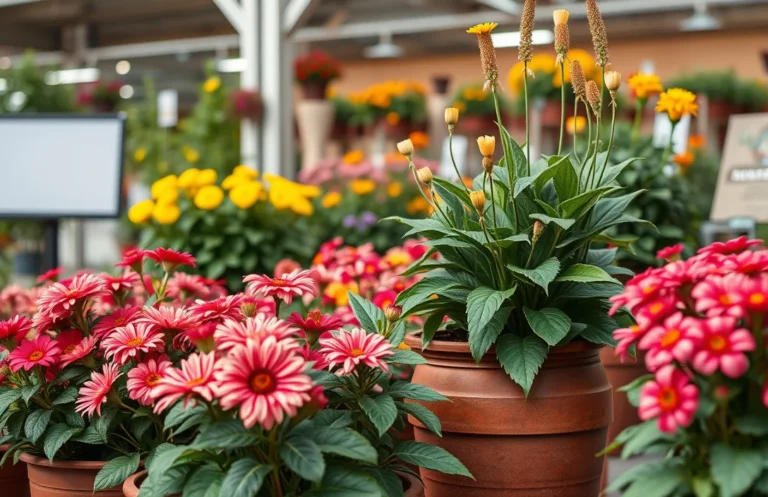
How To Grow Tuberose In Pots?
Tuberose in pots is one of the fastest ways to get that sweet, night-blooming fragrance without dedicating a whole garden bed. In the US, your main job is timing and temperature, because tuberose hates cold and sulks if it stays too wet. This guide walks you through starting tuberose bulbs in containers, feeding them through growth, and handling blooms from first shoots through dormancy.
Tuberose grows in pots best when you plant bulbs in warm soil and give them full sun plus consistent moisture. Aim for a container that’s at least 8-10 inches wide for one bulb, use a fast-draining potting mix, and water when the top 1 inch is dry. Expect shoots when conditions stay warm, and plan to dig or store bulbs if frost is in your forecast.
Key Takeaways
- Warm soil matters. Plant tuberose bulbs when nighttime temperatures are consistently above 50°F.
- Drainage prevents rot. Use a pot with drainage holes and a mix that won’t stay soggy after watering.
- Sun drives blooms. Give at least 6 hours of sun daily for reliable flowering.
- Feed on schedule. Use a balanced fertilizer early, then switch to higher-potassium when buds form.
- Water by the top inch. Let the top inch dry, then water thoroughly until it drains out.
- Plan for winter. In most of the US, store bulbs or protect them before first frost.
How to begin
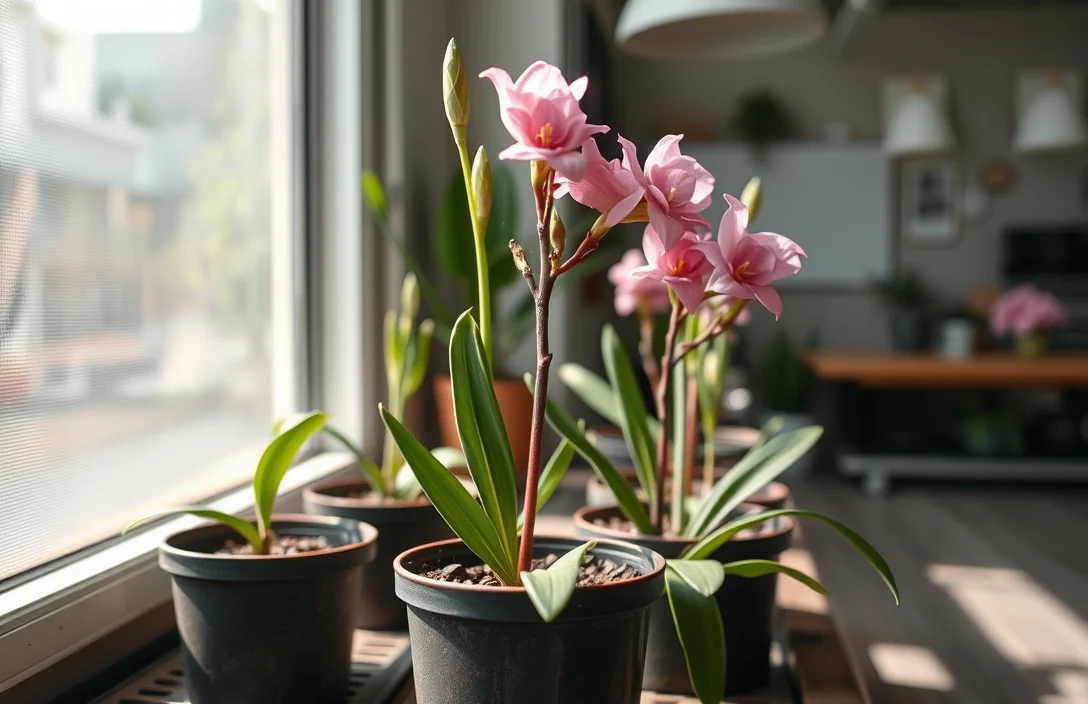
Tuberose in pots works because bulbs can be started indoors or outdoors, then moved into full sun once temperatures cooperate. Warmth wakes the bulb up; airflow keeps the bulb healthy; cold wet soil causes the problems.
Start with the container and bulbs. Use a pot with drainage holes, because tuberose bulbs rot when water sits around them. For each bulb, plan on a pot that’s about 8-10 inches wide (and deeper is better for root growth). If you’re grouping bulbs, use a larger pot and leave enough spacing so the expanding leaves don’t tangle.
Time your planting to your local seasons. In much of the US, that means waiting until spring after the worst cold passes. When nights turn chilly, plan on overwintering bulbs indoors or storing them, depending on how cold your area gets. Warm establishment usually means faster growth and a better chance of blooms the same season.
Set up your watering habits before you plant. In containers, drainage and watering patterns matter more than soil brand. Use a fast-draining potting mix and follow the top inch rule so you don’t keep the bulb sitting in moisture.
Basics of how to grow tuberose in pots
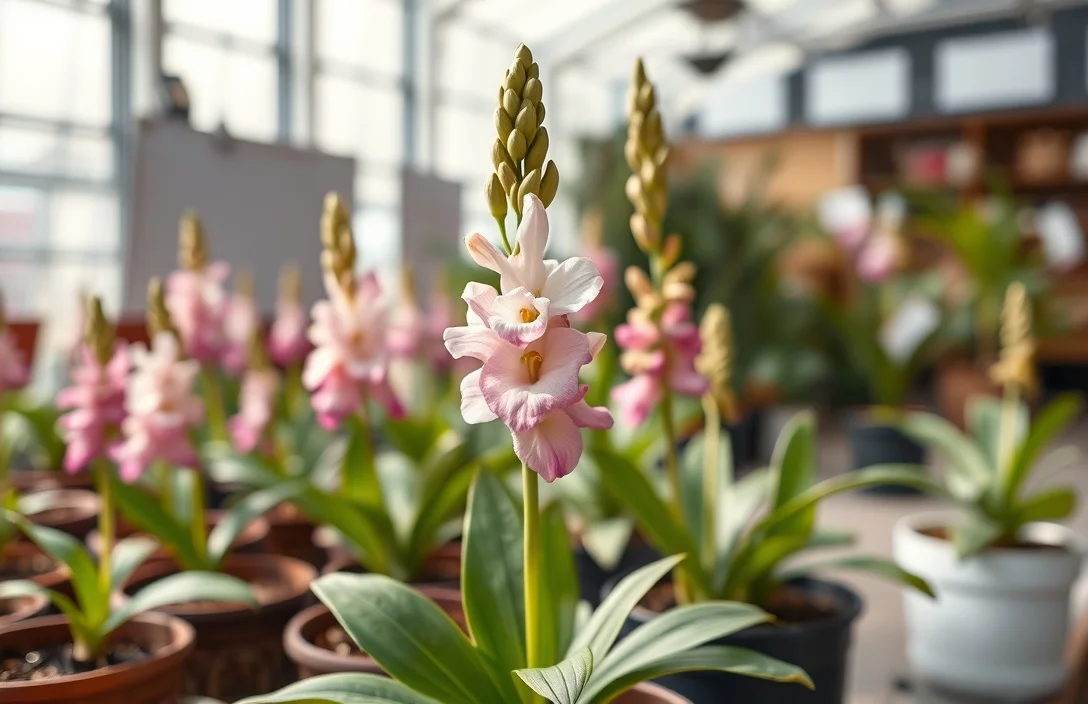
Tuberose (often sold as tuberose bulbs or polianthes tuberosa bulbs) grows from a bulb that pushes leaves first, then sends up flower spikes later. The plant runs on three inputs: warmth to wake up, steady moisture to grow, and sunlight to convert that growth into buds.
Soil has to stay airy. A good potting mix drains quickly but holds enough moisture to keep the bulb from drying out. If the mix stays wet for days, you’ll see yellowing and weaker growth because the bulb is sitting in low-oxygen conditions.
Light is a requirement, not a suggestion. Tuberose wants full sun, and pots don’t give you the same “reach” as open ground. With only 3-4 hours of direct sun, you may still get growth, but buds often form less reliably and spikes can be smaller.
Watering is straightforward once you commit to the rhythm. Water thoroughly, then wait until the top inch of the mix is dry before watering again. Hot spells usually mean more frequent watering; cooler spells mean you water less, even if the leaves are still present.
Fertilizer matters most when you time it correctly. Too much nitrogen early can drive leaf growth and reduce flowering. Once you see bud formation, switch toward a higher-potassium feed to support stronger spikes.
how to grow tuberose in pots
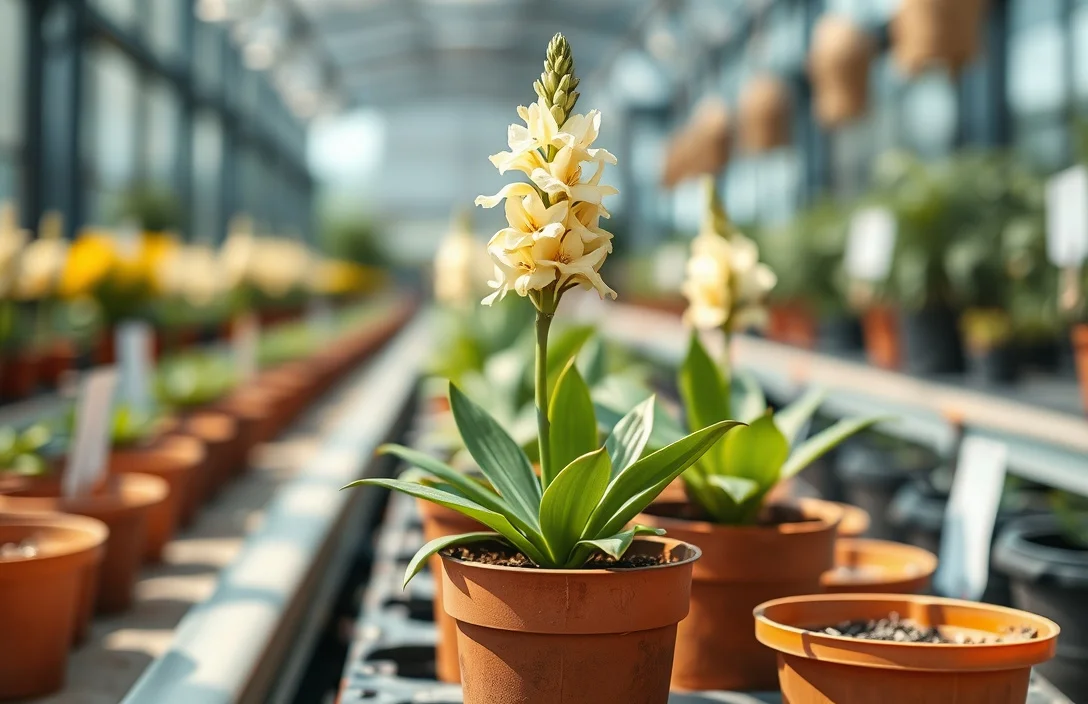
Use this order to avoid the two big container failures
- Choose the right container. Pick a pot with drainage holes, use at least 8-10 inches wide per bulb, and skip decorative cachepots that don’t drain.
- Use fast-draining potting mix. Fill with a quality potting mix. If it stays wet, add extra perlite or coarse material to improve drainage.
- Wait for warm nights. Plant outdoors only after nighttime temperatures are reliably above 50°F. If spring stays cool, start bulbs indoors in bright light and warm conditions.
- Plant bulbs correctly. Set bulbs with the top just covered by potting mix. Space bulbs so leaves have room as they expand.
- Water once, then use the top-inch rule. Water thoroughly after planting. Wait until the top inch is dry before watering again.
- Move into full sun. Once shoots appear and temperatures are favorable, place the pot where it gets at least 6 hours of sun.
- Feed in phases. Use a balanced fertilizer once you see active growth. Switch to a higher-potassium fertilizer when buds form.
- Support flower spikes (if needed). If spikes flop in wind or heavy growth, add a small support ring or stake early so you don’t tear leaves.
- Handle dormancy for winter. Before frost, stop watering gradually and move the pot indoors to a cool, dry place, or dig bulbs and store them for next season.
If you live where last frost hits late spring, plant after that window and expect shoots within a few weeks if warmth stays consistent. If you have a shorter summer or cooler weather, starting indoors (with bottom heat if needed) helps bulbs grow large enough to form buds before cold returns.
Watch the plant, not just the calendar. Steady leaf growth and a pot that dries on schedule mean you’re on track. Stalled growth plus consistently wet soil means pause watering, increase airflow, and fix the conditions – tuberose doesn’t do well with “wet feet.”
Things that matter most
Control water and temperature. In the ground, you get a big soil buffer. In pots, the bulb reacts fast to cold and excess moisture.
Pair airflow with drainage. Even if the mix drains, a pot that sits waterlogged under a saucer can still cause trouble. Empty saucers after watering, and keep the pot out of spots where it stays damp from humidity or runoff.
Start early enough without starting too early. In cooler climates, indoor starts or a sheltered patio bridge the temperature gap until outdoor conditions warm up. You get a head start while protecting bulbs from cold nights.
Manage light so the plant grows evenly. Rotate the pot every week or two when it’s near a wall or under an overhang. Uneven light leads to lopsided growth and weaker spikes.
Time fertilizer like a season plan. I use a conservative approach early: feed lightly once growth is underway, then shift to a bloom-leaning fertilizer when buds start developing. Overfeeding nitrogen usually means thick foliage with fewer blooms, even in good sun.
Treat tuberose as seasonal in most US climates. It needs dormancy and doesn’t behave like an evergreen. As days shorten and temperatures drop, leaves decline, and the bulb needs a dry rest to rebuild energy for next year.
What works in practice
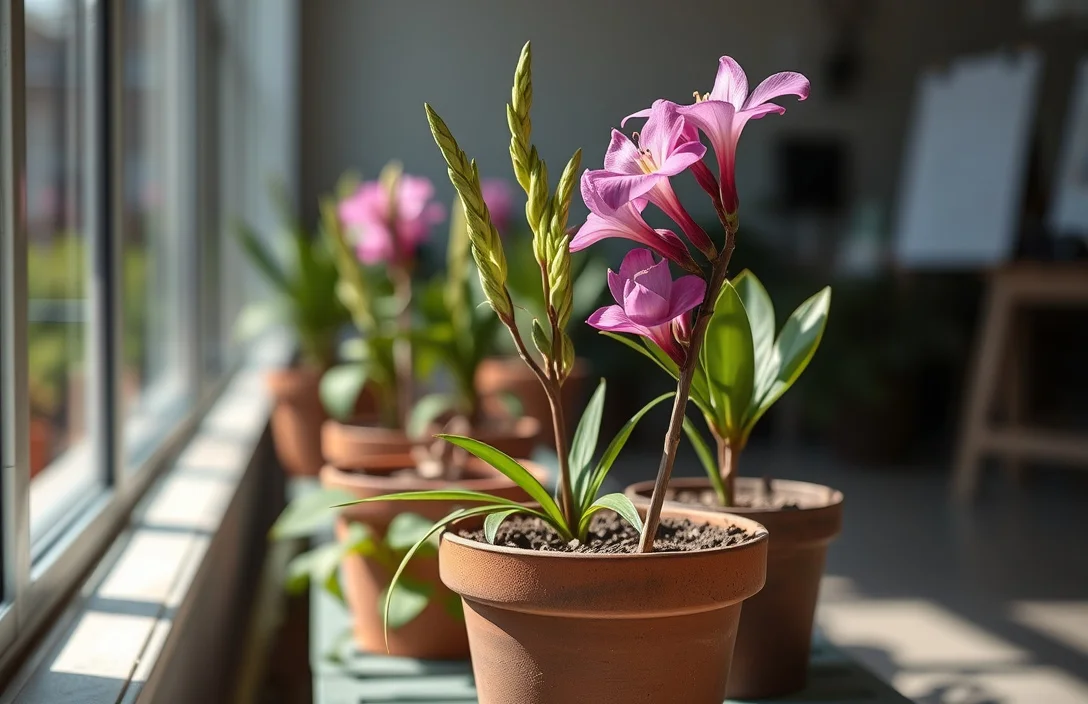
Don’t chase “always moist.” Too-frequent watering is the #1 reason tuberose fails in containers. Water thoroughly, let excess drain fully, and follow the top-inch rule.
Pick the sunniest spot you have. Tuberose can handle heat, but it won’t bloom well in shade. If you’re choosing between morning sun and afternoon sun, prioritize the hours that give true direct sunlight.
Keep the pot warm during establishment. If you’re starting outdoors, use a sheltered patio, place near a south-facing wall, or find a microclimate that reduces cold nights. Indoors, give bright light and keep the potting mix from staying soggy near the bulb.
Fertilize with intent. Use balanced fertilizer while shoots are growing, and push heavier feeding only when you see the plant actively developing flower spikes. If the plant looks stressed (drooping, pale leaves, or slow growth), stop fertilizing and correct the cause first.
Here’s a practical setup that works for most home gardeners:
| Pot size (per bulb) | Best container style | Potting mix goal | Watering trigger |
|---|---|---|---|
| 8-10 inches wide | Terracotta or plastic with drainage holes | Drains quickly, not staying wet days | Water when top 1 inch is dry |
| 10-14 inches wide (2-3 bulbs) | Wider pot with enough spacing | Same mix, more airflow | Slightly more frequent in heat |
| 14+ inches wide (3-5 bulbs) | Deep pot, stable base | Consistent drainage throughout | More regular checks in summer |
Track two things: how fast the pot dries and how fast the plant responds. If the pot dries in 1-2 days during heat, you’ll need more frequent watering. If it stays wet for 5+ days, the mix isn’t draining fast enough or the pot setup is holding too much water.
Mistakes to Avoid with how to grow tuberose in pots
Avoid planting too early. Cold stress is a common reason tuberose bulbs fail to sprout or stay weak, especially when nighttime temperatures dip below the mid-40s.
Avoid overwatering. If the soil stays damp for days, the bulb is likely suffocating. Yellow leaves plus a consistently wet mix is your cue to cut watering right away.
Avoid shade if you want flowers. Tuberose will grow with less sun, but you miss the part you’re growing it for. Choose direct sun for fragrance and spikes.
Avoid high-nitrogen feeding during bud formation. Too much nitrogen can delay flowering or keep buds from forming. If you get lots of leaves but no buds, check your fertilizer balance before changing anything else.
Avoid crowding bulbs. In pots, crowded growth means competition and fewer usable spikes. Give each bulb enough space for airflow and keep the foliage from turning into a damp mat.
Avoid skipping winter planning. In most of the US, tuberose doesn’t reliably survive outdoors through frost. If you do nothing, cold ends the plant and you lose the dry rest the bulb needs for next season.
One common “fix” is watering more when growth looks slow. Slow growth in cool weather is often temperature, not water. If nights are cool and the soil stays wet, extra watering increases the odds of rot.
Pro Tips for how to grow tuberose in pots
Start bulbs indoors when your spring is cool. Warmth and bright light shorten the time from planting to visible growth. Once nights are warm, transplant or move the pot outdoors into full sun.
Use a simple moisture routine. Check the top inch every 2-3 days early on, then adjust based on weather. Hot, windy patios dry faster; compact indoor corners stay damp longer.
Let bulbs set the pace. When the plant naturally declines in fall, reduce watering gradually instead of forcing it to stay green. That transition helps the bulb store energy for the next season.
Protect the pot at the first cold snaps if your area is borderline. Frost cloth, moving the pot into a garage at night, or placing it under cover can be the difference between “it lived” and “it rotted.” The plant handles warmth swings better than repeated freezing.
Separate “performance” from “decoration.” If your goal is the best blooms, use one or two large pots instead of spreading bulbs across many small containers. More soil volume stays steadier and reduces dramatic swings in moisture and temperature.
Check for container pests, especially if other ornamentals sit nearby. Aphids target tender shoots, and scale can hide on stems. Do a quick inspection weekly so you catch problems before buds get damaged.
If you’re growing for fragrance, place the pot near where you actually sit in the evening. Flower spikes release scent most when evening temperatures are comfortable and the blooms are open.
FAQ
Can tuberose in pots survive winter in the United States?
Most tuberose in pots does not reliably survive outdoor winter in the US if you get frost. Before first frost, move the pot indoors and keep it on the dry side, or dig and store the bulbs in a cool, dry place. If your area has consistently mild winters, you still need to protect pots from prolonged cold wet soil.
How long does it take for tuberose to bloom in a pot?
Bloom timing depends on temperature and how large the bulb is when you plant. In warm conditions with enough light, you can see leaf growth within weeks and flowering later in the season, often after the plant has enough foliage to build energy. Planting too early in cool weather can delay or reduce flowering.
What is the best fertilizer schedule for tuberose in containers?
Use a balanced fertilizer once you see steady active growth, then shift to a higher-potassium fertilizer when buds start forming. Fertilize lightly and avoid heavy feeding during stress conditions like cold snaps or after overwatering. If leaves grow aggressively but buds never appear, reduce nitrogen and reassess sun and moisture.
How do I prevent bulb rot when growing tuberose in pots?
Prevent bulb rot by using a pot with drainage holes, fast-draining potting mix, and the top-inch watering rule. Empty saucers after watering, and don’t leave the pot in a constantly damp spot. If the soil stays wet too long, increase drainage (more perlite/coarse material) or move to a smaller pot that dries faster.
What’s the most common mistake people make with potted tuberose?
Overwatering. People keep the mix “slightly moist” because they remember bulbs like moisture, but tuberose bulbs need oxygen around them. Water thoroughly, then wait until the top inch dries, and adjust watering for cooler weather so the bulb never sits wet.

- 10 Best Slow Cooker For Small Kitchens 2026 (Tested And Reviewed) - October 18, 2026
- 10 Best Slow Cooker For Kitchen Countertop 2026 (Tested And Reviewed) - October 18, 2026
- 10 Best Slow Cooker For Countertop Use 2026 (Tested And Reviewed) - October 18, 2026