Can I Use In Ground Soil For Pots?
In-ground soil can work in pots, but it creates problems potting mix is built to prevent – like slow drainage, compaction, and weed seeds. The real question is whether you can fix those issues without wasting time or money. This guide answers can i use in ground soil for pots, then shows you how to prep it so container plants in the United States grow reliably.
In-ground soil is usable in pots only after you change how it behaves. Native soil often compacts in containers and drains poorly, so roots get less oxygen than they need. Mix it with a real potting mix (often 1:1), then add coarse structure like perlite or pine bark for airflow. That combination usually brings drainage under control. Skip the prep and expect slower growth and a higher root-rot risk.
Key Takeaways
- Yes, with prep. In-ground soil works only after you improve drainage and structure.
- Avoid pure soil. Straight native soil compacts fast in pots and can suffocate roots.
- Mix for airflow. A common starting point is 1:1 in-ground soil and potting mix.
- Weed seed risk exists. Native soil can include seeds and pests, so inspect and consider solarization.
- Choose by plant type. Succulents and herbs want faster-draining mixes than tomatoes or leafy greens.
- Watch moisture. If the surface stays wet for days, your mix is too dense and needs more amendment.
What to Know About Can You Use In-Ground Soil for Pots?
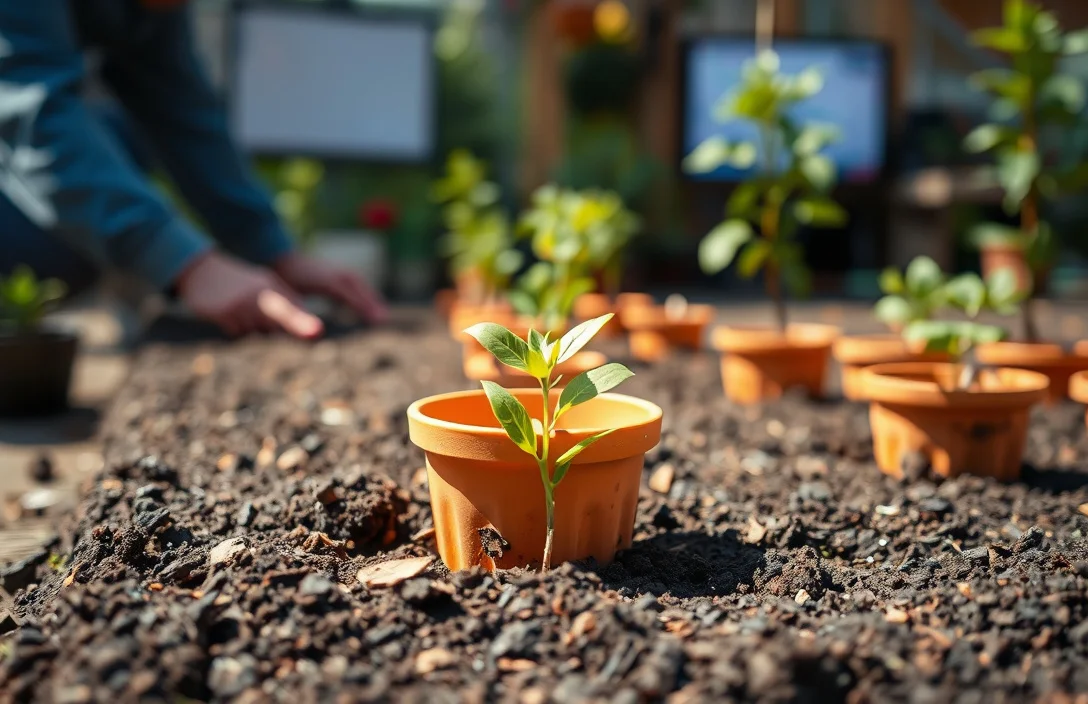
Yes, you can use in-ground soil in pots – you just trade “free soil” for the container problems native dirt is famous for. In the ground, soil stays workable because roots spread out, gravity drains water continuously, and organisms keep the mix looser. In a pot, that same soil packs tighter, holds water longer, and reduces oxygen at the root zone.
Garden soil also isn’t the clean, consistent ingredient potting mix is. It can carry weed seeds, fungus spores, and insect larvae. Warm, moist pot conditions let those hitchhikers show up quickly. If you’ve ever opened a new container and found weeds weeks later or hit damping-off in seedlings, you know why this matters.
Things that matter most
One rule keeps you out of trouble: don’t fill a pot with in-ground soil straight from the yard. Containers need a medium that drains and re-airs after watering. Native soil usually fails that test unless you amend it.
These points decide whether it works:
- Drainage is the whole game. If water lingers, roots sit in low oxygen and rot becomes more likely.
- Texture changes in pots. Clay-rich soil is the biggest offender because it compacts as it settles.
- Pot size matters. Small pots dry faster, but they also magnify compaction and nutrient swings.
- Fertility isn’t the same. In-ground soil can be rich, but containers lose nutrients faster because the root zone is limited.
- Disease can hitchhike. Reusing soil between seasons or moving it indoors can spread soil-borne problems if you don’t refresh and inspect.
Tips for Preparing In-Ground Soil for Pots
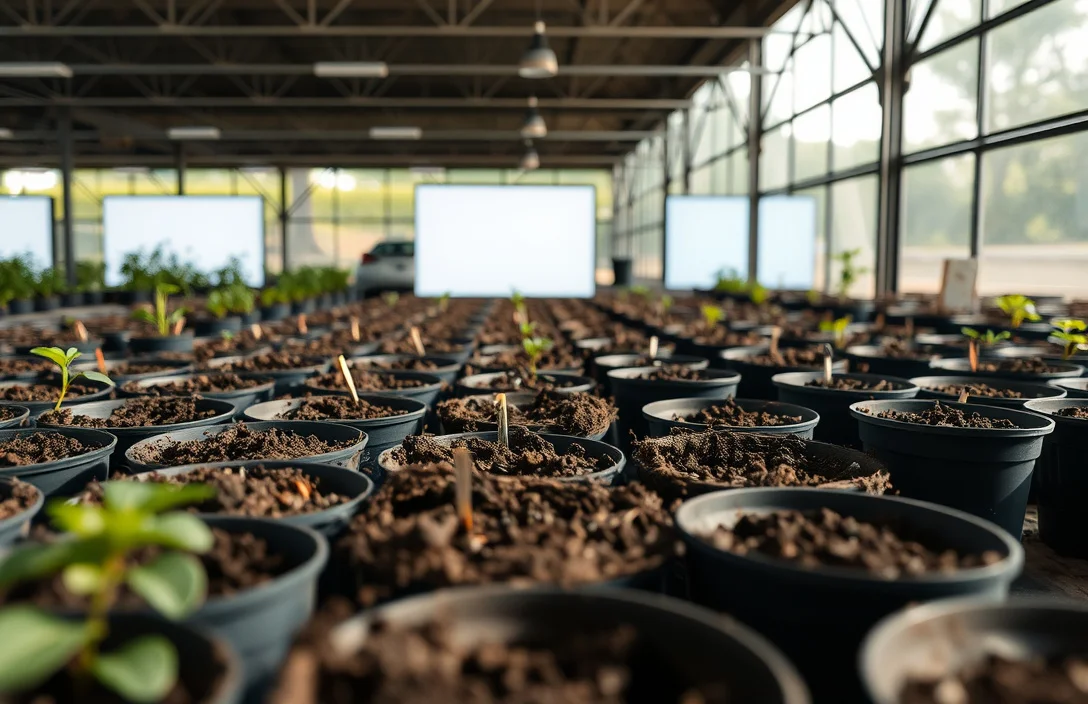
Use a “mix and upgrade” method instead of hoping yard soil will behave in a container. The simplest reliable approach blends in-ground soil with a potting mix that already has structure and organic matter designed for pots.
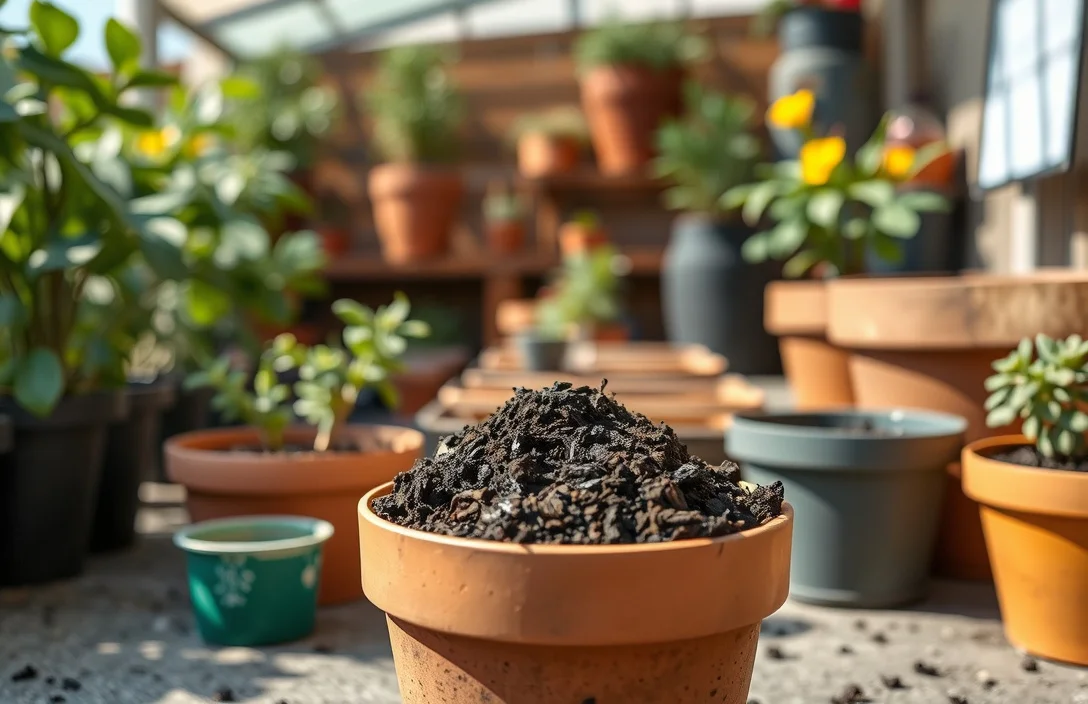
A good starting mix is 1 part in-ground soil to 1 part potting mix, then add extra drainage depending on your soil and the plants. Perlite improves air spaces, coarse pine bark adds long-lasting texture, and horticultural sand can help in some cases – but it can also push a mix toward density if you overdo it. If your yard soil is mostly clay, prioritize perlite and pine bark over sand.
Do this in practice:
- Sift out rocks and clumps. Large chunks create uneven wet spots.
- Break up soil texture. Rub clods between your hands or lightly screen it.
- Blend thoroughly. Mix until the texture looks consistent throughout.
- Add amendments based on your soil. Heavy yard soil usually needs more coarse material.
- Moisten, then test drainage. Water the pot and watch how quickly excess drains and how long the top stays damp.
If the soil forms a ribbon when wet, it’s acting clay-like, so plan on adding more coarse material than you would for sandy loam. If it pours like sand and dries quickly, you may need less amendment – but mixing with potting mix still helps balance water retention and airflow.
Benefits of Using In-Ground Soil in Pots
The biggest benefit is cost. If you already have access to yard soil and you’re potting only a few plants, using it can beat buying bags of potting mix for everything.
In-ground soil can also match your local ecosystem. It may contain active biology that helps certain plants adapt, especially when you keep moisture steady and don’t overwater. For outdoor patio pots where you can control watering, the right blend can work well.
It can also fit “less demanding” container uses. Gardeners often use amended native soil for large outdoor planters, fruit trees in bigger containers, or secondary plantings. You just need to accept that you’ll monitor more closely and amend more often than you would with premium potting mix.
Options for Using In-Ground Soil in Pots
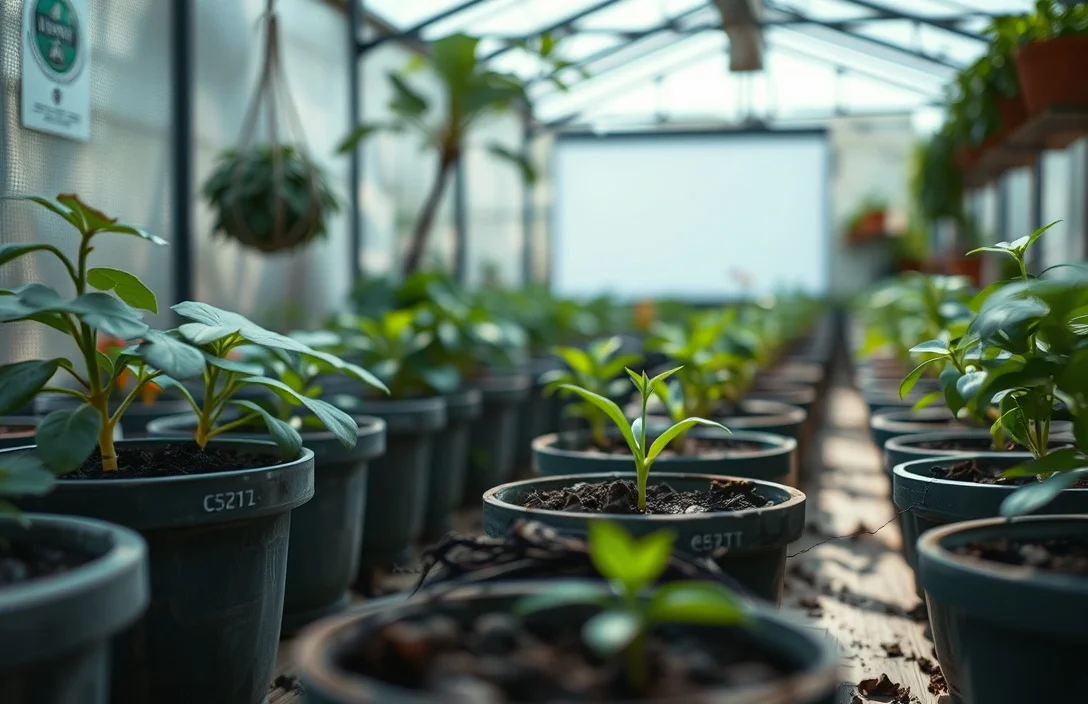
You have three practical routes, based on how much risk you’re willing to manage and how much work you want to do.
Container-soil options that actually make sense
| Option | What you put in the pot | Best for | Key trade-off |
|---|---|---|---|
| 1:1 blend | 1 part in-ground soil + 1 part potting mix | Most general potted plants outdoors | Requires amending for heavy soil |
| Blend + drainage boost | 1:1 blend + extra perlite/pine bark | Clay-heavy soils, hot summers | Mix is bulkier and may need more frequent watering |
| Amended native-only | Mostly in-ground soil, but heavily structured | Large pots where you’re trying to stretch cost | Higher compaction and nutrient-imbalance risk |
| Potting mix only | No native soil | Seedlings, moisture-sensitive plants | Costs more |
For consistent results, potting mix only is the safest choice because it’s engineered for drainage and aeration. If you want to lower costs, the 1:1 blend is the sweet spot for many home gardeners who will actually pay attention to watering.
If you’re reusing soil from last year, expect less benefit when you didn’t sterilize or refresh it. Container reuse can work when you replenish nutrients and inspect for disease, but it’s also one of the easiest ways to bring fungal issues back into the next planting.
Using In-Ground Soil in Pots
Treat in-ground soil like a raw ingredient, not a finished potting medium. Your goal is oxygen and drainage after watering, and native soil usually doesn’t provide that unless you add structure and prevent it from packing down.
Match the mix to the plant’s “wet tolerance.” Succulents, cactus, rosemary, and many herbs need a faster-draining mix with lots of air space. Tomatoes, peppers, and leafy greens can handle more moisture, but they still need aeration and shouldn’t sit in soggy soil.
Stop guessing based on “it feels damp.” Use touch and timing instead. After watering thoroughly, check the pot surface in 12-24 hours and again after 2-3 days. If it stays consistently wet and cool, the mix is too dense. Add more perlite/pine bark or switch to a higher-quality base mix.
If weeds and soil-borne pests are a concern, solarization helps. Spread moist soil in a thin layer in clear plastic, keep it hot in direct sun for long stretches, then cool it before mixing into your pot. Even after solarizing, inspect the soil and avoid mixing in visibly diseased plant material.
Examples of Using In-Ground Soil in Pots
Example 1: Sandy yard soil and basil in a 12-inch pot. A 1:1 blend (in-ground soil + potting mix) with a modest perlite addition usually supports solid growth without turning the mix into a compacted mess. Keep basil evenly moist but not constantly soggy, and water when the top inch begins to dry.
Example 2: Clay garden soil and succulents. A 1:1 blend can still be too slow-draining. You’ll likely need a drainage-boost approach with extra perlite and pine bark, or use a cactus/succulent potting mix as the base. If water sits for days or leaves turn yellow and mushy, the mix holds too much moisture – fix it right away.
Example 3: Tomatoes for a summer patio. Tomatoes tolerate more moisture than succulents, so a 1:1 blend can work if drainage is good and you fertilize appropriately. Don’t rely on that tolerance, though. Dense mixes keep roots wetter than tomatoes want, and that increases fungal risk.
Example 4: A large container tree where cost matters. You can use amended in-ground soil, but compaction becomes a slow problem. Blend in structure, top-dress carefully, and plan to refresh or repot instead of assuming it will stay perfect for years.
FAQ
Can I use in-ground soil for pots without mixing it?
You can, but it’s risky. Pure in-ground soil often compacts in containers, drains slowly, and keeps roots oxygen-starved, which raises root rot chances. If you want a practical baseline, mix in-ground soil with potting mix (a common starting point is 1:1), then add drainage amendments like perlite or pine bark if your soil is heavy.
What’s the best ratio of in-ground soil to potting mix?
A safe starting point is 1:1 (in-ground soil + potting mix). Adjust based on your yard soil texture. If your in-ground soil is clay-heavy or you notice slow drainage, add more perlite or pine bark and reduce the native soil fraction.
Will in-ground soil bring weeds into my pot?
Yes. In-ground soil can contain weed seeds, insect larvae, or soil-borne fungus spores. Warm, wet pot conditions let seeds sprout quickly. Inspect native soil for visible roots or plant debris, and consider solarizing if weed pressure is a big problem.
How long does it take for a potting mix with in-ground soil to work?
You should see drainage behavior right away after the first watering, because compaction shows up quickly in pots. Plant growth depends on roots establishing in the new medium, which typically takes a couple of weeks for noticeable improvement. If water drains too slowly or the mix stays wet for days, amend immediately instead of waiting.
What common mistake ruins pots when using in-ground soil?
Filling pots with native soil straight from the ground is the most common mistake. That usually leads to poor aeration, slow drainage, and uneven watering, which can cause stunted growth or rot. Overwatering is the second frequent issue – the soil can feel damp while oxygen stays low.
If you want the quickest path to success, blend in-ground soil with potting mix (start at 1:1), then add perlite or pine bark if your yard soil is heavy. Next, do a drainage test after a full watering and adjust the mix before planting anything important.

- 10 Best Slow Cooker For Slow Cooking Legumes 2026 (Tested And Reviewed) - October 17, 2026
- 10 Best Slow Cooker For Slow Cooking Oxtail 2026 (Tested And Reviewed) - October 16, 2026
- 10 Best Slow Cooker For Slow Cooking Venison 2026 (Tested And Reviewed) - October 16, 2026