How To Grow Vegetable Plants In Pots?
Growing vegetable plants in pots is a practical way to harvest even when you have no yard. If you give each plant the right pot size, sunlight, soil mix, and watering routine, you can grow strong tomatoes, peppers, lettuce, herbs, and more on a patio or balcony. This guide walks you through how to grow vegetable plants in pots, from setup to troubleshooting, with clear steps you can follow today.
Growing vegetable plants in pots works when you match pot size and soil to the crop, give enough sun (most vegetables need at least 6 hours daily), and water consistently so the soil stays evenly moist. Start seeds or seedlings in clean containers, use a high-quality potting mix, and fertilize regularly as nutrients wash out with frequent watering.
Key Takeaways
- Pick the right pot size. Small herbs need less volume, but fruiting plants usually need bigger containers to stay productive.
- Use real potting mix. Garden soil compacts in pots and drains poorly, which makes roots struggle and leaves yellow.
- Aim for full sun. Most vegetables need about 6+ hours of direct light to grow well in containers.
- Water with a routine. Check daily in warm weather, water until excess drains, and never let the mix fully dry out.
- Feed on schedule. Nutrients run out faster in pots, so plan for regular fertilizing once plants establish.
- Control pests early. Inspect leaves weekly, and fix issues (water, light, airflow) before spraying anything.
How to begin
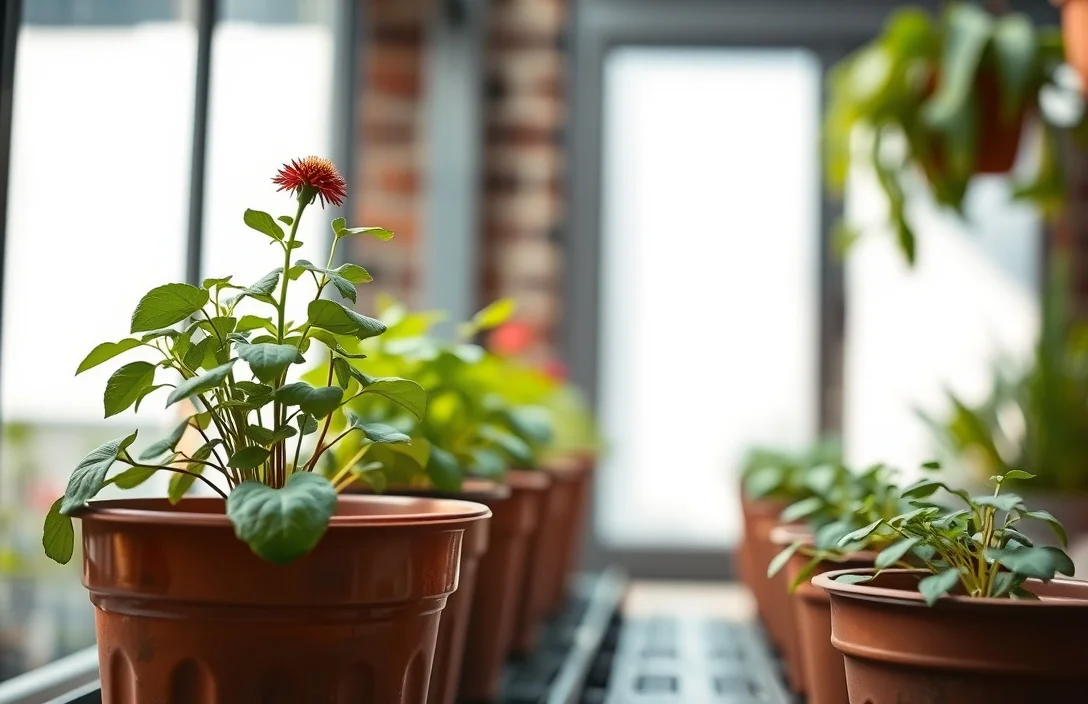
A pot garden starts with choosing what you can actually grow where the containers will live. If your space gets at least 6 hours of sun, you can grow tomatoes, peppers, lettuce, beans, and more. If it’s shadier, focus on leafy greens and herbs that tolerate lower light.
Make the setup easy to maintain. Pots dry out faster than beds, so place containers near a water source and choose pot materials you can handle, like plastic, fabric grow bags, or terracotta (terracotta dries faster). Plan for drainage saucers, a watering can or hose, potting mix, fertilizer, and support for tall plants.
Start with 3 to 5 crops that match your light and your time. A common failure is trying too many varieties at once or choosing plants that need more soil than the pot can provide. For an easy first win list, use a compact pepper or tomato variety, bush beans (or dwarf varieties), lettuce or spinach for quick harvests, and basil or parsley for flavor and convenience.
Basics of how to grow vegetable plants
Vegetable plants in pots grow by the same biology as plants in the ground. The difference is that containers shrink the margin for error. Roots fill the available soil volume quickly, nutrients deplete faster, and water moves through the mix with less total buffer.
Start with three foundations: container, soil, and light. Use containers with drainage holes so soggy soil doesn’t turn into root rot and fungal problems. Use potting mix, not garden dirt, because potting mix stays fluffy and drains while still holding moisture. For light, most vegetables need 6 or more hours of sun, and fruiting plants like tomatoes and peppers do best in the brightest spot you have.
Then manage the daily realities of container growing. Water thoroughly, then wait until the top layer dries slightly before watering again. Fertilize because nutrients wash out with drainage. Inspect for pests and disease because containers can warm up quickly and attract aphids, whiteflies, and spider mites.
Match growth habit to your setup. Bush types handle small containers better than vining crops. If you want cucumbers or larger vines, plan space and support up front so the plant doesn’t sprawl and shade itself.
how to grow vegetable plants
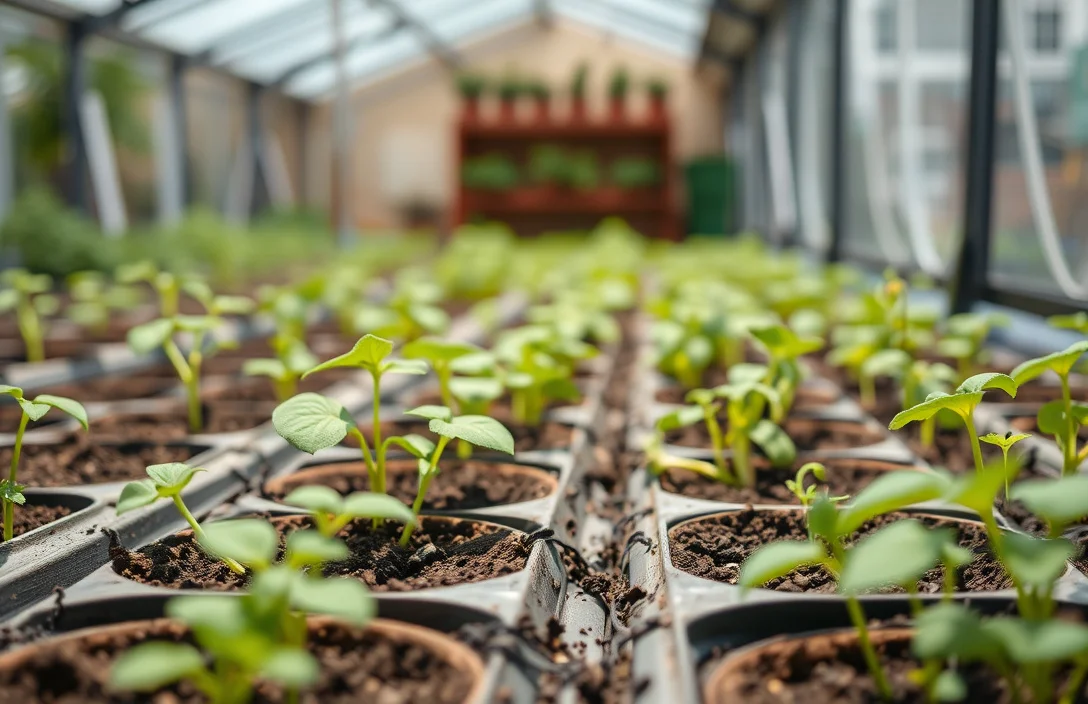
Follow this order and your odds of success go up immediately.
- Choose containers with drainage. Use pots with holes in the bottom, and set them on saucers to protect floors and catch runoff.
- Select the crop and match pot size. Pick plants suited to your pot width – tiny pots limit yield and stress plants fast.
- Fill with high-quality potting mix. Moisten the mix slightly, then fill pots without compressing it.
- Start seeds or transplant seedlings. Direct-sow quick crops like lettuce in spring, or transplant sturdier starts for tomatoes, peppers, and most fruiting plants.
- Plant at the right depth. Bury seeds at the label depth, and transplant at the same depth the seedlings grew in their nursery container.
- Provide full sun and airflow. Place pots where they get strong light, and avoid cramming containers so leaves dry between waterings.
If you’re planting multiple crops, group them by water needs. Lettuce likes consistently moist soil, while some herbs tolerate slightly drier conditions. Grouping prevents the “one plant gets too much, the other gets too little” problem that cuts harvests.
Run a simple early routine. Check soil moisture daily during warm weather, water until you see excess drain, and stop. Wait until the top inch (about 2.5 cm) feels dry before watering again. Once plants establish, start fertilizing on a schedule and adjust if growth slows or leaves pale.
A tomato in a large pot needs steadier moisture and more feeding than a lettuce pot. A basil plant in a medium pot often needs more frequent watering than expected, especially on a hot balcony. Consistent conditions beat dramatic swings every time.
Things that matter most
Stabilize moisture and nutrients, then support the plant correctly. Water inconsistency causes the classic pattern: plants look fine for a week and then stall.
Use a simple moisture check. Stick your finger into the pot and water when the top layer dries slightly, not when the pot feels bone dry. During heat waves, small containers – especially fabric or terracotta – may need water twice a day. Mulch the top with a thin layer of straw or leaf mulch to cut evaporation without trapping the soil so tightly that it stays soggy.
Feed with a routine that matches container losses. Use a balanced fertilizer early, then increase feeding for fruiting plants once flowers form. If you want something simpler, mix slow-release fertilizer into the potting mix and supplement with water-soluble fertilizer every couple of weeks. Containers usually need more feeding than ground beds because every watering drains nutrients away.
Support and prune based on the crop. Tomatoes and peppers do better with staking or cages so branches don’t break under fruit weight. Beans and peas need trellises early so they grow upward instead of crawling. For leafy greens, harvest outer leaves rather than cutting everything at once so the plant keeps producing.
Control temperature too. Pots heat up quickly in summer and cool fast at night. In hot climates, use light-colored containers and provide afternoon shade if midday sun is brutal. In cool weather, keep containers near walls for warmth, and cover plants with frost protection if nights drop sharply.
What works in practice
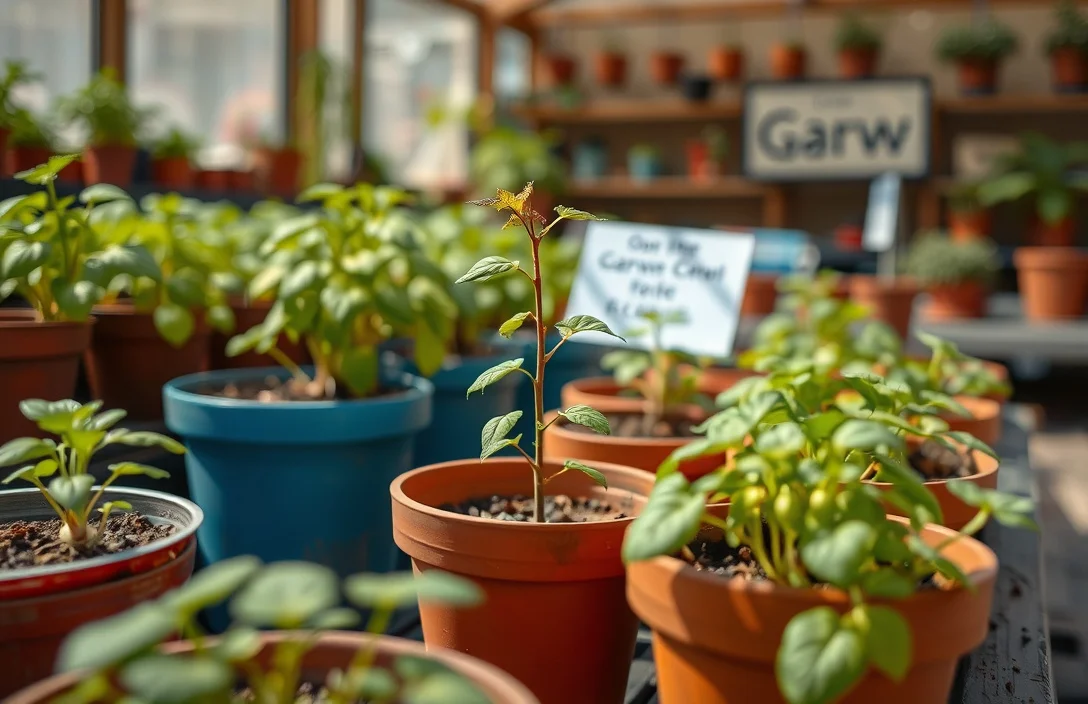
Good pot habits prevent the most common failures. Start with a crop mix that fits your conditions and your patience. If you’re new, pick fast, forgiving plants, then expand once you learn how quickly your pots dry and how fast they need feeding.
Use a quality potting mix and don’t reuse soil every season without care. Over time, potting mix breaks down, compacts, and loses structure. Top-dress with fresh mix and fertilize if needed, but if the mix looks muddy or hard, refresh it. When you transplant seedlings, disturb roots as little as possible and keep the soil lightly firm around the root ball.
Watering technique matters. Water slowly so it penetrates the pot instead of running off the sides, then stop when excess drains from the bottom. If water runs through immediately, the mix may be too dry or hydrophobic. Re-wet gradually next time instead of flooding it all at once. Always empty saucers after heavy watering so roots aren’t sitting in runoff.
Inspect leaves weekly, especially the underside. Catching problems early – aphids, leaf spots, powdery mildew, and nutrient deficiencies – stops small issues from spreading. Yellowing is a signal to diagnose. Light and water problems can show up as leaf discoloration just like fertilizer issues.
Harvest at the right time. Pick leafy greens young for the best flavor and continued production. Harvest peppers and tomatoes frequently to keep plants setting new fruit. In containers, consistent harvesting often matters as much as fertilizing.
Quick pot setup
- Drainage holes are non-negotiable.
- Potting mix stays fluffy, not packed down.
- Sunlight meets or beats the 6-hour target.
- Watering is thorough and scheduled, not random.
- Feeding starts after establishment and continues.
- Support tall plants before branches flop.
Mistakes to Avoid with how to grow vegetable plants
Ignoring pot size is the biggest container mistake. Expecting high yield from a small bucket rarely works. Small pots dry out fast and limit root growth, leading to stunting, blossom drop, and weak flavor. If you want fruiting vegetables, size up early instead of trying to “fix it later.”
Garden soil in pots is another common failure. Garden soil compacts, drains unevenly, and can bring weeds and pathogens into the container. Roots need airy structure in a pot, which potting mix provides. If your potting mix feels heavy and dense, it may act like a sponge at first and then like a rock later – both hurt roots.
Many people overwater by watering on a fixed schedule. “Every day” can work in spring, but summer heat changes everything, and cooler weather often cuts watering needs. Overwatering starves roots of oxygen, causes yellow leaves, and increases fungal problems. Check moisture and water based on the pot, not the calendar.
Underfeeding is the quieter problem. In the ground, plants can scavenge nutrients from a larger soil volume. In pots, the same watering that keeps plants alive also washes nutrients away. If plants stall after initial growth, feeding is often the missing step.
Skipping supports and trellises causes damage. When tall plants sprawl, they shade leaves and stress branches, which raises disease risk and makes harvesting harder. Set stakes or cages at planting time so you don’t try to cage a root-bound plant later.
Pro Tips for how to grow vegetable plants
Make container growing feel easy by optimizing for repeatable wins. Use a crop schedule that fits your climate and your space. Cool-season greens can carry the early harvest, then warm-season crops take over as temperatures rise.
Add drip irrigation or use a watering globe if you travel or can’t water daily. Drip systems and gravity-fed options keep moisture more even. If you hand-water, water in the morning to reduce evaporation and keep leaves drier during the hottest part of the day, which helps with mildew risk.
Choose varieties that fit container life. Look for compact or bush types, shorter days-to-maturity, and plants described as suitable for containers. Fruiting crops still need room, but the right variety reduces stress that leads to blossom drop and small fruit.
Manage the root-space versus growth trade-off. An undersized pot forces the plant to spend energy on survival and moisture recovery instead of building fruit. An oversized pot with constantly wet soil can also stress roots. Pick a pot large enough that the plant can grow without drying out instantly.
Use fertilizer in a plan you can stick to. Mix slow-release fertilizer into potting mix at planting, then add water-soluble fertilizer every 2 to 3 weeks during active growth. If leaves are very dark green but growth is weak, nitrogen may be too high. Adjust based on what the plant is doing.
Pot size guide for common vegetables
| Vegetable | Typical Pot Size (diameter) | Best For |
|---|---|---|
| Lettuce (leafy greens) | 8-10 in (20-25 cm) | Patio harvests and quick cycles |
| Herbs (basil, parsley, thyme) | 8-12 in (20-30 cm) | Flavor boosts with minimal space |
| Peppers (compact varieties) | 12-16 in (30-40 cm) | Small fruiting harvests |
| Bush beans | 10-12 in (25-30 cm) | Easy, productive container crop |
| Tomatoes (determinate/compact) | 18 in (45 cm) | Strong fruiting in medium-large pots |
Pot sizes vary by variety and climate, so treat this as a starting point. Increase pot size if the plant dries out quickly or looks root-bound early.
FAQ
What size pots do I need for vegetables?
Most vegetables do better with bigger pots than beginners expect. Leafy greens and herbs often work in roughly 8-12 inches (20-30 cm) diameter containers, while fruiting plants like tomatoes and peppers usually need much larger pots. If your soil dries out in a day or two, upsize.
How often should I water potted vegetables?
Water enough to keep soil evenly moist, not soaked. Check the top inch (about 2.5 cm) of soil daily during warm weather, then water until excess drains from the bottom. In cooler periods, water less frequently, sometimes every few days, depending on pot size and sun.
What’s the safest way to fertilize container vegetables?
Use a fertilizer plan you can follow consistently. Many gardeners mix slow-release fertilizer into potting mix at planting, then supplement with a water-soluble fertilizer every 2-3 weeks during active growth. If leaves pale or growth stalls, feed more. If growth is lush but fruit is low, reduce nitrogen.
How long does it take to harvest vegetables grown in pots?
Timelines depend on crop type and temperature. Lettuce and herbs can be harvested in weeks, while peppers and tomatoes take longer because they need flowers and fruit set. Choose fast crops first if you want early feedback and faster adjustments.
What’s a common mistake people make when growing vegetables in pots?
The most common mistake is using garden soil or choosing containers without adequate drainage. Garden soil compacts in pots, and poor drainage can cause root rot. Another frequent issue is under-sizing pots for fruiting plants, which leads to drying stress and weak yields.
For your next step, pick 2-3 crops that match your sun level, choose containers with drainage (and the largest pot you can comfortably manage for fruiting plants), fill with potting mix, and start with a simple watering check rule based on the top inch of soil.

- 10 Best Slow Cooker For One Pot Cooking 2026 (Tested And Reviewed) - October 21, 2026
- 10 Best Slow Cooker For Hearty Stews 2026 (Tested And Reviewed) - October 20, 2026
- 10 Best Slow Cooker For Hearty Soups 2026 (Tested And Reviewed) - October 20, 2026