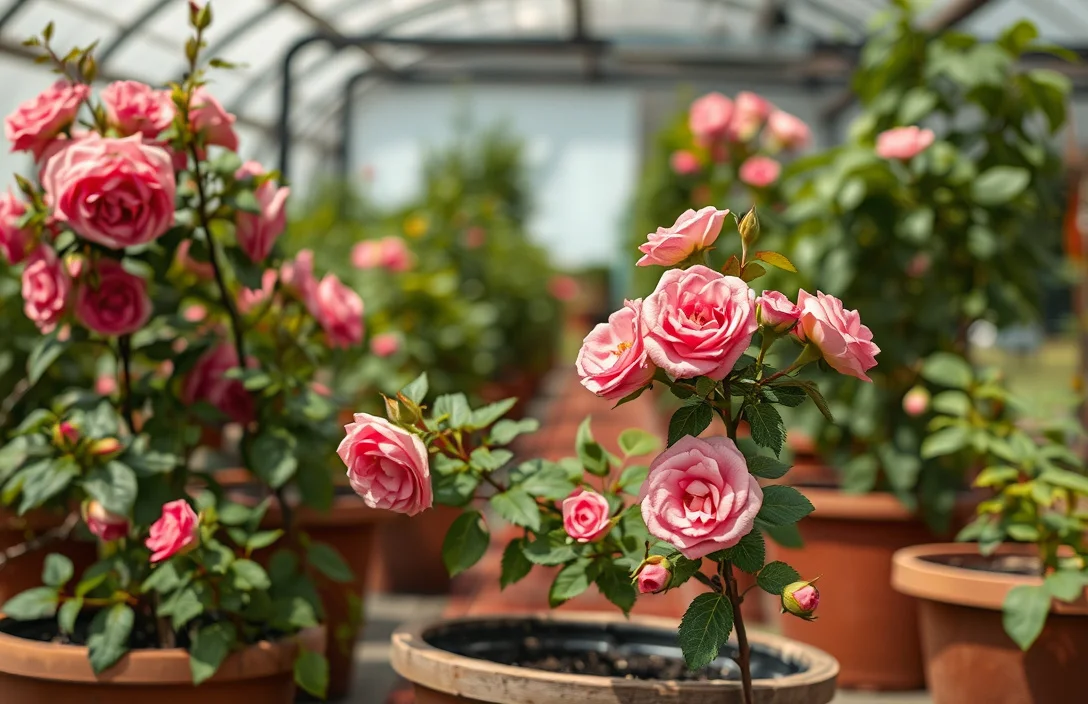
Can You Plant Climbing Roses In Pots?
Climbing roses in pots are absolutely doable, but they have one big requirement: the roots need enough volume to keep up with vigorous growth. If you’ve been tempted to skip the ground and grow a climber on a patio, balcony, or small yard, this guide is for you. Can you plant climbing roses in pots? Yes, and you can make it work in the US by choosing the right container, supporting the right way, and watering on purpose.
Climbing roses can grow in pots if you use a large container (often at least 15-20 gallons), fresh potting mix, and a trellis or support plan. Expect frequent watering in summer and a feeding schedule during the growing season. With a pruning routine and enough light, potted climbers can bloom reliably.
Key Takeaways
- Yes, with the right pot. Choose a container large enough to prevent drought stress, typically 15-20 gallons for many climbers.
- Light drives everything. Aim for 6+ hours of direct sun for steady blooms in most US regions.
- Supports must be planned. Install a trellis before planting so you do not damage roots later.
- Water consistently. Water deeply when the top couple inches feel dry, then let excess drain.
- Feed during active growth. Use a rose fertilizer and keep to the label schedule from spring through fall.
- Prune for container life. Remove old canes and guide new growth to keep the plant manageable.
Can You Plant Climbing Roses in Pots?
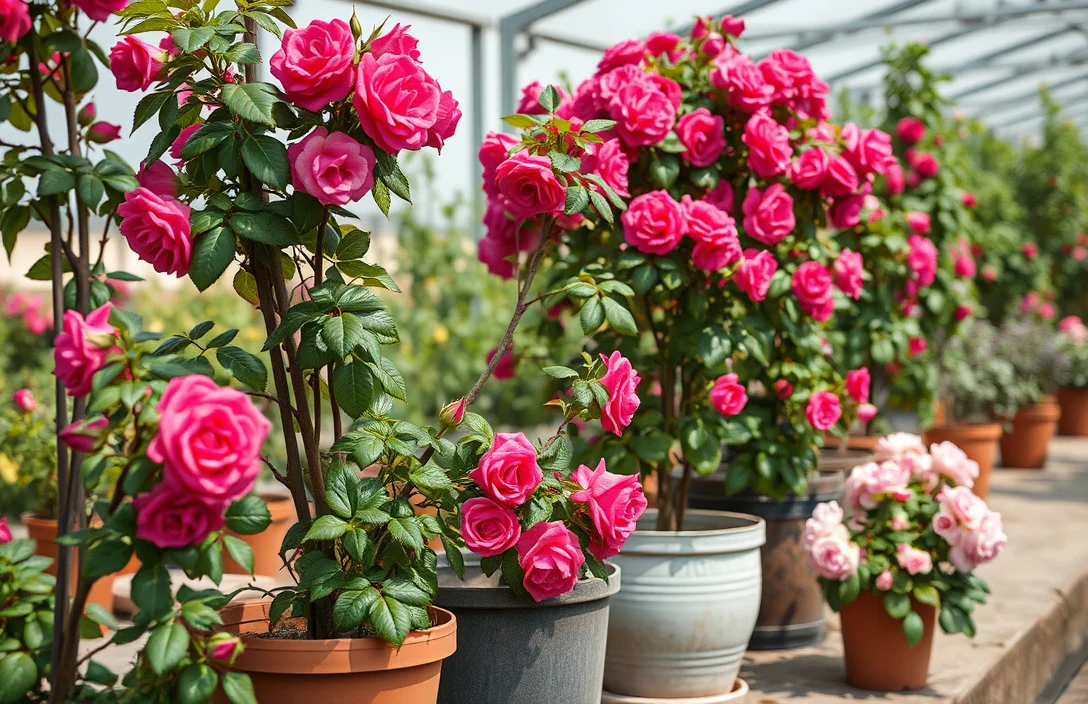
Yes, you can plant climbing roses in pots, but you take over two jobs the ground usually handles: regulating water and preventing root crowding. Climbing roses grow fast, and a small container quickly becomes a drought-and-nutrient bottleneck, leading to dry, weak, and spotty growth.
The support part is just as important. A climber still needs something to grab, and pots can wobble in wind. Install your trellis or staking system early and anchor it securely, so the plant grows upward without tipping the container.
Things that matter most
Pot size is the make-or-break factor. Roses in containers dry out from the inside out, so small volumes stress roots even if the surface looks fine. For many climbing roses, plan for at least 15-20 gallons of soil volume, and go larger for hot, windy areas.
Sun and airflow determine how reliably you get flowers. Most climbing roses need 6+ hours of direct sun, and good airflow helps cut down mildew and leaf-spot problems that worsen when foliage stays damp.
Also, “climbing” is not automatically “easy in a pot.” Some cultivars behave better than others and need more training and pruning than you might expect. Match your plan to the rose’s growth habit, not just the label.
Tips for Planting and Caring for Potted Climbers
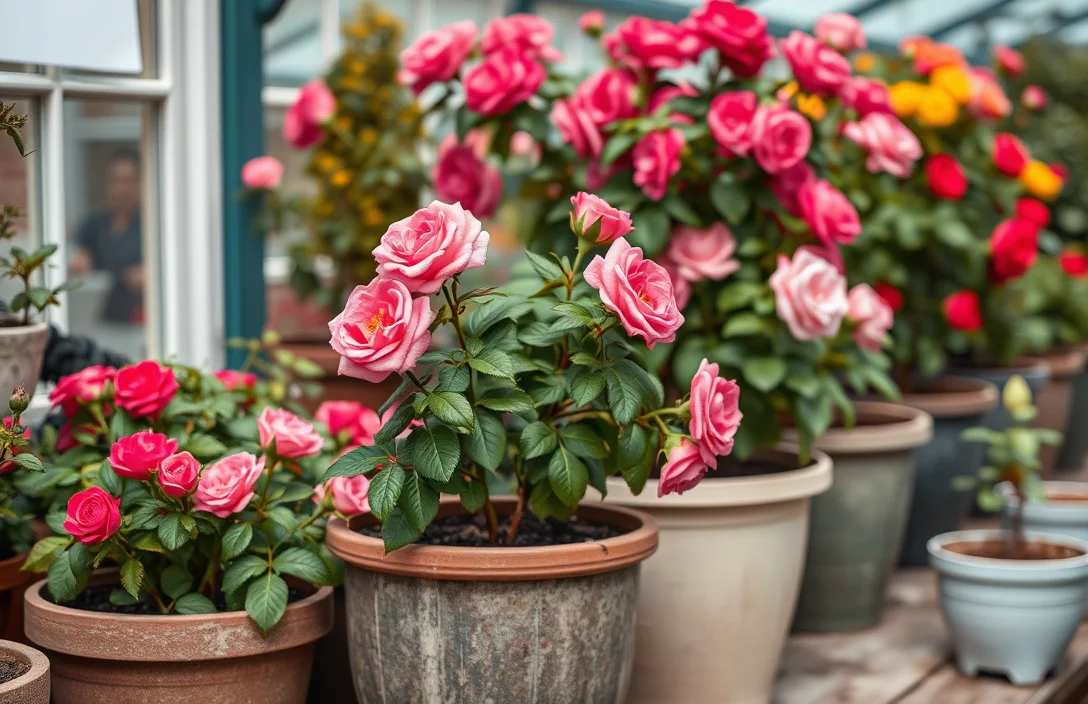
Use a container with real drainage. Drainage holes are non-negotiable, and avoid blocking them with stones. A saucer is fine only if you empty it after watering.
Choose potting mix for roots, not convenience. Use quality potting mix (not garden soil). If your mix is heavy, add extra drainage support like perlite. Dense media holds too much water too long, which can stall roots and weaken flowering.
Water like you mean it. Water until you see runoff, then stop and let the pot drain fully. Check the top couple inches of soil, and in peak summer you may need to water more than once per day, especially in smaller containers.
Train early and keep guiding. Tie new canes to the support with soft ties. When you can, spread canes horizontally to encourage more blooms along the laterals. Let canes flop randomly and you usually get fewer flowers and tangled growth.
Prune for manageable height and airflow. Container roses still need cane removal, plus spacing between shoots. The goal is “control the shape, keep the plant young,” not “let it grow however it wants.”
Benefits of Potted Climbing Roses
Potted climbers are flexible, and that’s the big reason people choose them. You can move the pot to find the best sun angle, protect blooms from rough weather, and relocate when your patio or balcony layout changes.
You also control the soil environment. If your yard soil is compacted or slow to drain, containers let you start with fresh rose-friendly mix and keep feeding consistent.
This setup works in smaller spaces too. A patio-trained climber gives you vertical coverage without digging, and it can stand in for a fence plant when you want seasonal structure and flowers.
Container Options That Work
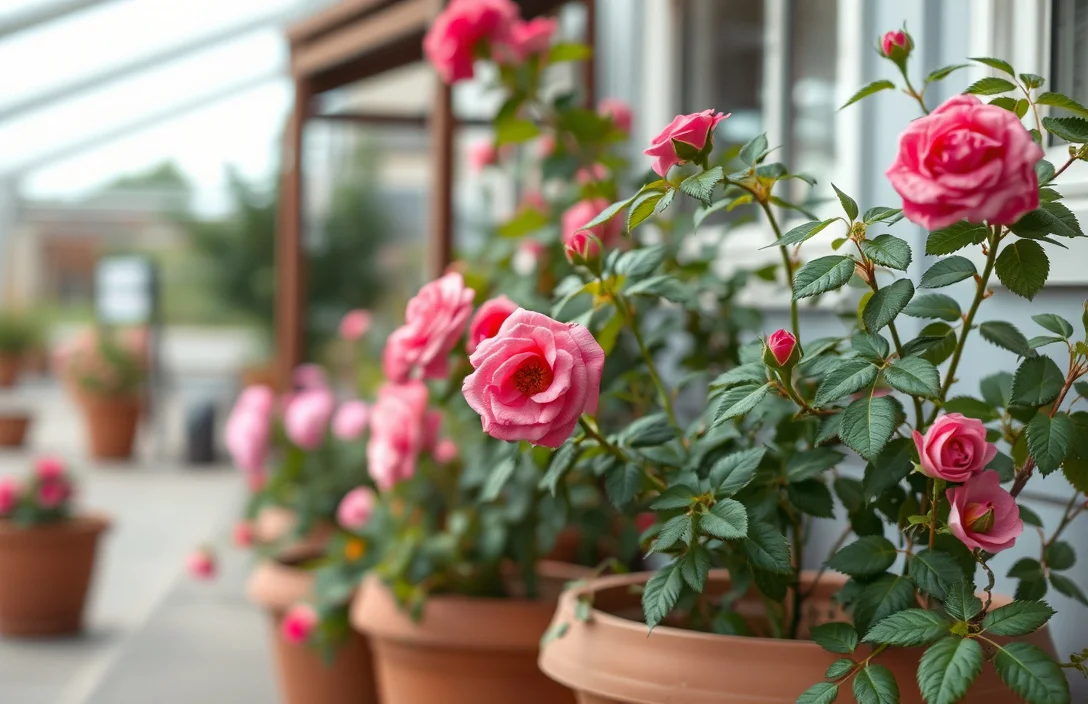
You have three practical ways to set this up, and choosing one early keeps the rest of the plan simpler.
1) Dedicated large pot. Use a single big container and keep the rose in place most of the season. It’s the most stable choice for root health and watering consistency.
2) Moveable patio planter. Use a pot on a wheeled base so you can adjust for heat or sun. It’s a straightforward way to chase the light without constantly stressing the plant.
3) Seasonal grow then refresh. In very hot regions or if your container dries out too fast, you may need to refresh media more often, or repot periodically, to keep nutrients available.
| Option | Key Spec / What It Means | Best For |
|---|---|---|
| Large fixed pot | 15-20+ gallons, sturdy stand, deep roots | Most US patios and decks |
| Wheeled planter | Large pot on wheels, easy repositioning | Bright sun changes, hot climates |
| Refresh/re-pot plan | Bigger soil volume turnover, periodic repotting | Homes with very fast dry-out cycles |
Choose a climber that makes sense for container life. If you’re unsure, buy a climbing rose sold with training guidance for trellises and plan on pruning.
Support, Watering, Feeding, and Winter Planning
Install the support before you plant, and anchor it like wind matters – because it does. Trellises that look sturdy when empty can wobble once the rose fills out. Secure the structure to the container stand or use a stable stake system that won’t rotate.
Pick your container shape. A wide pot holds moisture and supports root stability better than a narrow one, and it gives more room for the rose’s fine feeder roots.
Don’t treat feeding like an optional chore. In containers, nutrients get used and washed out faster than in-ground soil. Follow the fertilizer label during active growth, and avoid heavy nitrogen late in the season so the plant produces mature wood before cold weather.
Plan for winter if you get frost or freezes. Moving the pot into an unheated garage or wrapping the container can prevent damaging freeze-thaw cycles. Canes may need protection too, depending on how severe your local winters are.
Handle pests and disease like container problems, not random leaf drama. Check leaves regularly. Crowded stems and inconsistent watering are exactly how you end up with mites and mildew.
Examples of How to Set It Up
Example, a patio climber on a trellis: Choose a climbing rose, select a 15-20 gallon pot, and set up a trellis behind the pot before planting. Water thoroughly right after planting, then keep the soil evenly moist for the first few weeks while roots establish. During bloom season, tie new canes to the trellis and spread them outward to encourage flowering along side growth.
Example, a balcony rose with wind swings: Use a slightly larger pot than you think you need, and secure it so it cannot shift. Pick a sunny exposure, but place it where it won’t get blasted by the strongest gusts. In midsummer, check soil moisture daily because balconies often dry out quickly from reflected heat.
Example, a small yard with poor soil: Fill a container with fresh potting mix and plant in that instead of trying to amend stubborn ground. Feed on schedule and keep drainage strong, because the roots are working in a limited environment. This is often the difference between “pretty blooms once” and repeat flowering all season.
If you want your potted climber to look like a real climber, training matters more than you expect. Guide the structure early, and your future pruning gets simpler.
FAQ
Can you plant climbing roses in pots without a trellis?
You can grow them in a pot, but a trellis or support is usually needed for true “climbing” behavior. Without support, canes sprawl and tangle, and you lose some flowering potential because laterals don’t spread into good light. Anchor a stable support before planting so you do not damage roots during establishment.
What size pot is best for climbing roses in pots?
Most climbing roses do best in larger containers because roots dry out quickly in small volumes. A practical target is at least 15-20 gallons for many varieties, with larger sizes preferred if your area runs hot. If you go smaller, you’ll water more often and repot sooner.
How often do you water climbing roses in pots?
Water deeply when the top couple inches of soil feel dry, then let excess drain out. In summer, that can mean daily checks, and sometimes more frequent watering in extreme heat or wind. Consistency matters more than a fixed schedule, because rose roots dislike swinging between bone-dry and soggy.
Do climbing roses in pots need fertilizer?
Yes. Container roses rely on you for nutrients because watering removes minerals from the potting mix. Use a rose fertilizer and follow the label schedule during active growth, then ease off late in the season so the plant can prepare for dormancy or cooler weather.
What’s a common mistake when planting climbing roses in pots?
Using garden soil or a pot that drains poorly is a common mistake, because it weakens roots and increases disease risk. Another frequent error is planting, then adding a trellis after growth starts, which can break roots or stress the plant during establishment. Start with a quality potting mix and secure your support before planting.

- 10 Best Slow Cooker For Slow Cooking Legumes 2026 (Tested And Reviewed) - October 17, 2026
- 10 Best Slow Cooker For Slow Cooking Oxtail 2026 (Tested And Reviewed) - October 16, 2026
- 10 Best Slow Cooker For Slow Cooking Venison 2026 (Tested And Reviewed) - October 16, 2026