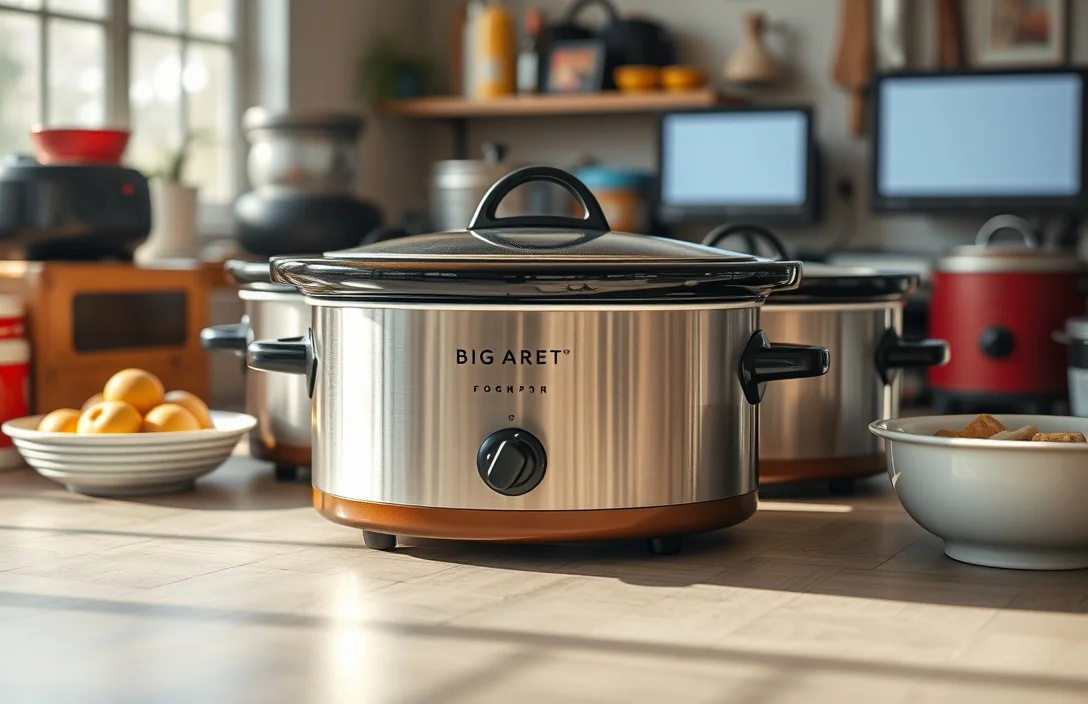
How Big Are Crock Pots?
Crock pots come in several common sizes, and the “right” one depends on how much food you’re feeding and whether you want leftovers. Most shoppers translate crock pot capacity into meal size by using cups, then matching that to the recipe’s yield. This guide answers how big are crock pots in practical terms, so you can pick a size that fits your cooking plans in the United States.
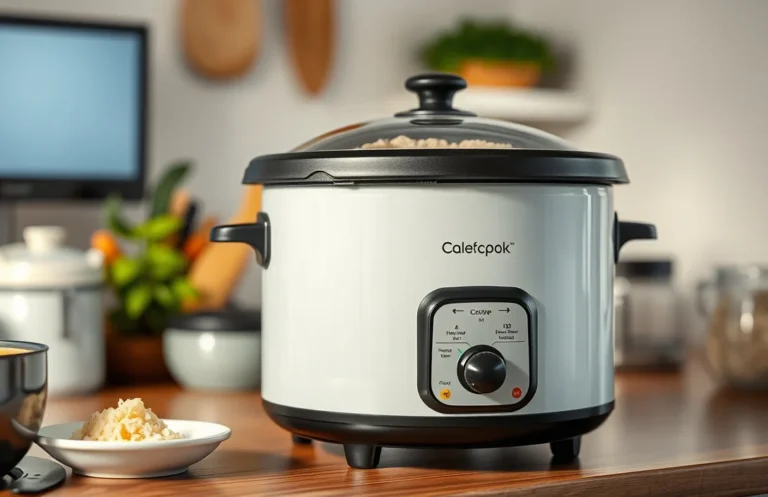
Crock pot sizes usually come in small (around 1.5-2 quarts), medium (around 3-4 quarts), and large (around 5-7 quarts). A quick rule: choose the smallest size that comfortably fits your recipe with headroom, so the food heats evenly and doesn’t threaten the lid seal.
Key Takeaways
- Most sizes are quarts. Crock pots in the US are typically sold in 1.5-2, 3-4, and 5-7 quart ranges.
- Capacity affects cook time. More food in a larger insert often means longer warm-up and different boiling behavior.
- Use recipe servings as a guide. Match the recipe yield to your pot size, then leave some space near the top.
- Don’t fill too high. Keep food well below the rim so it doesn’t spill or block heat flow.
- Larger is great for leftovers. If you want meal prep, go up a size rather than forcing a larger batch into a small pot.
- The lid matters. Use the correct lid and keep the pot closed to avoid losing heat.
How to begin
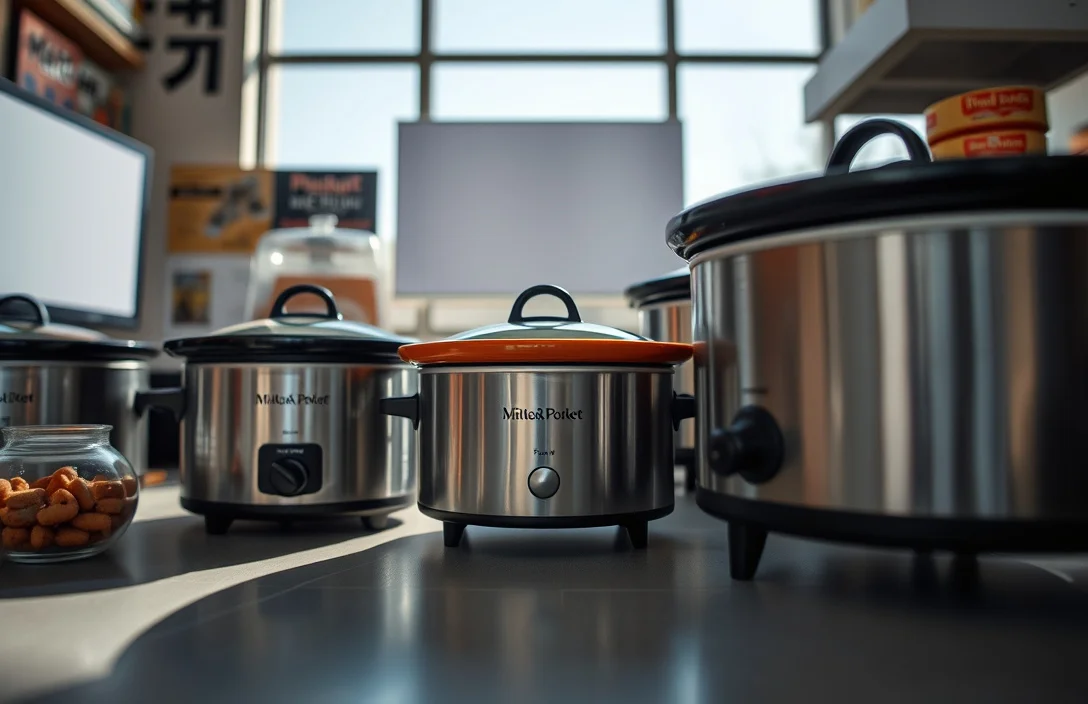
Crock pots are sold by capacity (quarts), and that capacity determines how much stew, beans, sauce, or pulled meat you can fit into the insert. In everyday shopping, you’ll usually see sizes that land around 1.5-2 quarts, 3-4 quarts, and 5-7 quarts. That’s the range most people end up deciding between.
Start with two questions: how many people you cook for most often, and whether you regularly want leftovers. A pot that’s “just big enough” can work, but it tightens the margin for evaporation and expansion, especially with beans, rice, and thick sauces. An oversized pot can also change how the slow-cook process behaves because the food depth is lower.
Basics of how big are crock pots?
Crock pot capacity is measured in quarts of volume, and manufacturers typically rate the insert, not the outer housing. That means the interior shape matters, but quarts still makes the fastest comparison while you shop. The simple truth: you’re buying “how much food can fit,” not “how much heat the machine makes.”
Fill level also changes cooking. Slow cookers circulate hot air and hold a steady simmer or warm temperature, which works best when there’s enough food depth to hold heat. Underfilling can lead to uneven heating and faster-than-expected results. Overfilling too close to the lid can cause thick foods to bubble up and spill.
Here’s a practical way to think about common crock pot sizes in US kitchens:
- Smaller pots work well for dips, small batches, and 2-3 servings.
- Medium pots cover most family dinners and typical leftovers.
- Larger pots fit gatherings, big cuts of meat, and batch cooking.
how big are crock pots?
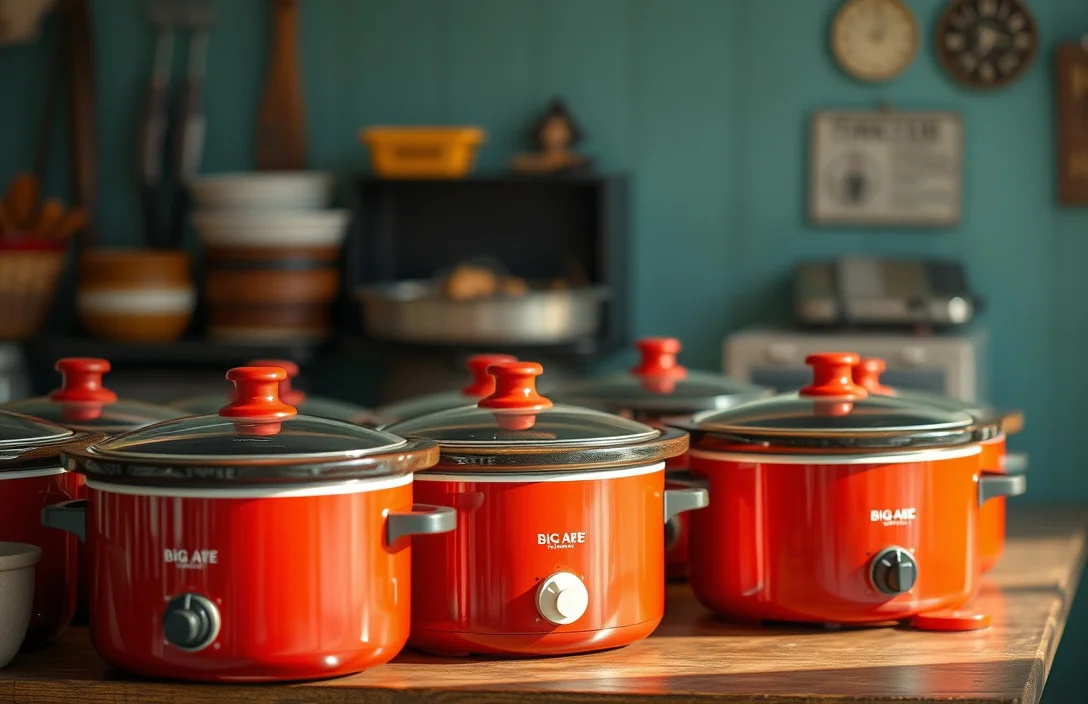
Pick a crock pot size using this order, because each step quickly narrows your options.
- Count the people. Start with your typical number of eaters (for example, 2, 4, or 6+).
- Check the recipe yield. Look up how many servings your recipe makes, or estimate by pounds of meat and amount of beans.
- Translate yield into volume. Recipes don’t label “quarts,” so bracket by the common size ranges – small about 1.5-2 qt, medium about 3-4 qt, large about 5-7 qt.
- Decide on leftovers. If you want leftovers, lean toward the next larger category instead of squeezing into the smallest pot.
- Use a safe fill height. Keep food below the top rim to prevent boil-over and to keep the lid seal functioning as intended.
- Confirm the insert’s shape. A whole roast, a large pork shoulder, or stacked ingredients can take more space than the same “amount” measured by quarts.
Two recipes can both say “serves 6,” yet one is thick and heavy (like chili) and the other is watery (like soup). Thick recipes need more headroom to prevent overflow, even if the total amount looks like it should fit. When you’re between sizes, choosing the slightly larger crock pot is usually the more forgiving move.
Things that matter most
The main technique isn’t math – it’s batch-fit thinking. You match recipe thickness, not just total volume. Thick sauces, beans, and grains expand and bubble, so they do better with extra headroom. Watery soups usually handle tighter packing because they’re less likely to surge upward.
Another technique is use the lid as designed. Every time you lift the lid, you release heat and moisture, which slows the cooking process. That matters more in smaller pots because the food mass changes faster. If you’re already near the fill limit, lid discipline becomes non-negotiable.
Use depth as a sanity check. Too little depth can make the cooker heat faster and your food less tender or less consistent. Too much depth can boil aggressively. The sweet spot is enough depth for even heating while still leaving space near the top.
What works in practice
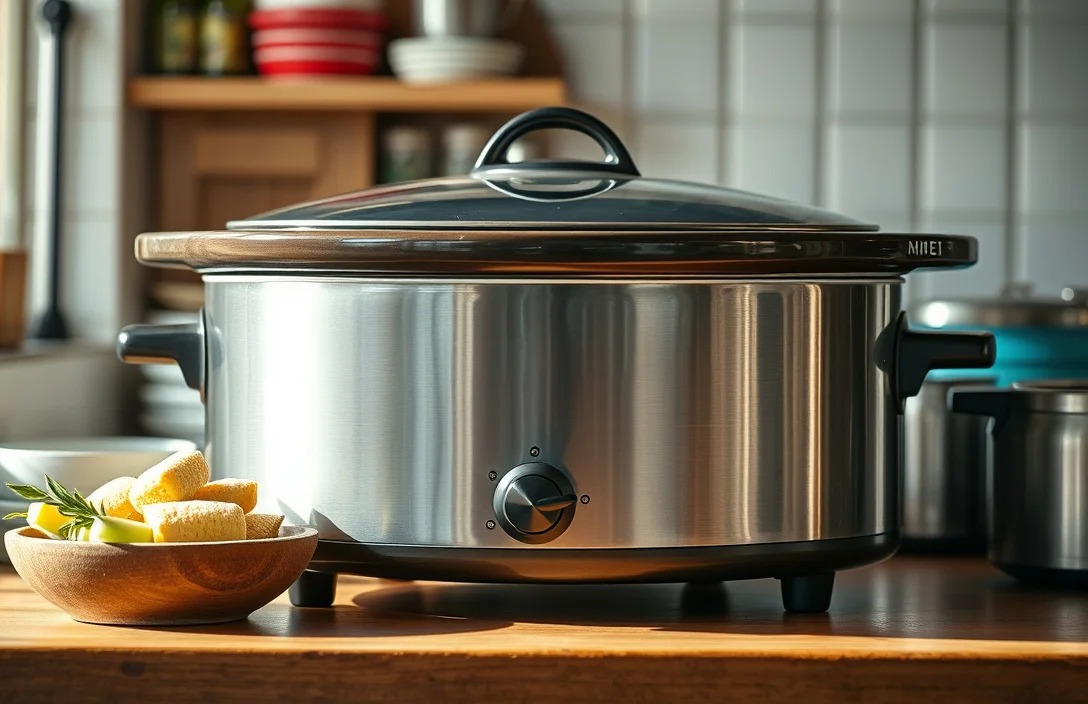
The “best” size is the one that lets you cook without crowding. For most US households, this approach works well:
- If you cook for 1-3 people most nights: start with small (around 1.5-2 quarts).
- If you’re cooking for a household of 3-5: choose medium (around 3-4 quarts).
- If you host or meal prep for 6+: go large (around 5-7 quarts).
Pick based on what you make most, too. If your routine is dips, sauces, or reheating, a smaller pot is simpler and uses less energy. If your routine is slow-braising meats, big batch chili, or tenderizing roasts, medium or large is usually worth it because meat holds heat and needs enough surrounding liquid and space to cook evenly.
When you’re between sizes, choose the one that prevents boil-over. One spill in a smaller pot means scrubbing and can mess with texture. More space is usually easier to manage than extra fullness.
Mistakes to Avoid with how big are crock pots?
The biggest mistake is buying by “maximum capacity” instead of usable fill. The rated quart size isn’t permission to fill the pot to the brim. Thick foods rise, foam, and bubble, and overfilling leads to spillover that interrupts cooking.
Another mistake is assuming bigger always improves cook time and texture. A large pot with only a little food can heat differently, sometimes producing uneven tenderness. If you consistently underfill a large slow cooker, some parts can finish while other parts lag.
A third mistake is ignoring the shape of your food. Even if the quarts add up, geometry can break the plan. A large roast or stacked ingredients might not lay flat or can force you into overfilling. If your favorite recipes include big cuts, check that the cut fits the insert’s interior width and height.
Pro Tips for how big are crock pots?
Use a “comfort buffer” when you’re guessing. If you’re trying a new recipe and you don’t know how thick it runs, treat it like it needs more headroom than a watery dish. When you’re unsure, go one size up instead of relying on perfect fill levels.
Cook to depth, not just volume. If your dish boils up aggressively, the fill is probably too high for that thickness. If your food looks too thin and heat seems to run faster than expected, you may be underfilling for the model.
Plan for leftovers before you buy. Meal prep works best when you can fully cook the batch without shrinking it to fit a small insert. A medium pot often lands in the sweet spot for weeknight dinners plus leftover portions, while a larger pot is better for cooking once and eating for several days.
FAQ
1) How big are crock pots for a family of 4?
For a family of 4, a medium crock pot around 3-4 quarts is usually the most practical starting point. It gives you enough volume for typical slow-cooker dinners while leaving space so thick foods do not boil up immediately. If you routinely want leftovers, consider moving up toward the upper end of that range.
2) What’s the smallest crock pot size I should buy?
The smallest crock pots are commonly around 1.5-2 quarts, which is great for dips, small sauces, and cooking for 1-3 people. If you plan to cook meats or full dinners often, a too-small pot will force you to reduce recipe amounts. A small pot also runs a higher risk of overflow with thick recipes if you pack it tightly.
3) How many servings fit in a 6-quart crock pot?
A 6-quart slow cooker is typically used for bigger batches, often for 6+ servings depending on recipe thickness and how full you cook it. Chili, beans, and pulled meats may “behave” differently than soups. For best results, don’t pack it to the brim, leave headroom, and adjust batch size so the food depth supports even heating.
4) Can I use a larger crock pot than the recipe calls for?
Yes, but you may need to adjust the amount of food or liquid so the dish heats evenly. With a much larger pot, the food depth can be low and may cook differently than the recipe expects. If you can, scale up the ingredients proportionally rather than leaving a small amount in a big insert.
5) What’s the most common mistake when choosing crock pot size?
Overfilling is the most common mistake, especially with thick foods like chili, beans, and sauces. The pot’s rated capacity is not the same as “fill it to the top.” Keep the food below the rim for safer bubbling behavior and to prevent mess that can interfere with cooking.
- 10 Best Slow Cooker For Slow Cooking Legumes 2026 (Tested And Reviewed) - October 17, 2026
- 10 Best Slow Cooker For Slow Cooking Oxtail 2026 (Tested And Reviewed) - October 16, 2026
- 10 Best Slow Cooker For Slow Cooking Venison 2026 (Tested And Reviewed) - October 16, 2026