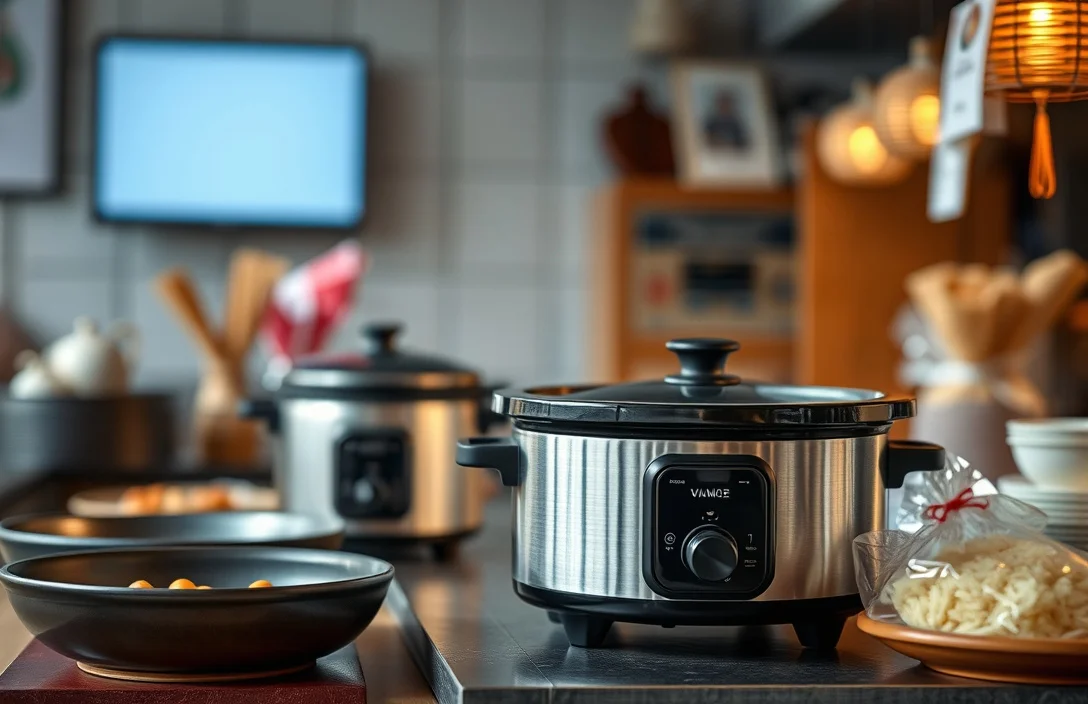
Can A Rice Cooker Be Used As A Slow Cooker?
Rice cookers can turn out tender, stew-like food, but they are not a true slow cooker. The whole game is how the “Cook” cycle gets the dish up to heat, then how the “Keep Warm” stage actually behaves in your model. Stick to foods that tolerate a wider temperature swing, shorten the overall cook window, and check doneness instead of trusting the clock. This guide covers practical conversions, what doneness should look like, and when you should stop trying and use a real slow cooker instead.
Key Takeaways
- Yes, with limits. Rice cookers can braise, but they do not hold the same low-and-steady temperature for hours.
- Best for braises. Tough cuts and legumes handle the heat changes better than delicate sauces.
- Use the “right mode.” Bring the dish to a simmer on Cook, then finish on Keep Warm only if it’s gentle on your unit.
- Shorter timeline. Most conversions need 60 to 180 minutes total, then a texture check.
- Safety still matters. Get food to steaming-hot quickly, then don’t leave it in an uncertain holding temperature for long unattended periods.
- When to swap tools. If a recipe needs 8+ hours, a slow cooker is the safer, more reliable choice.
Can a Rice Cooker Be Used As A Slow Cooker?
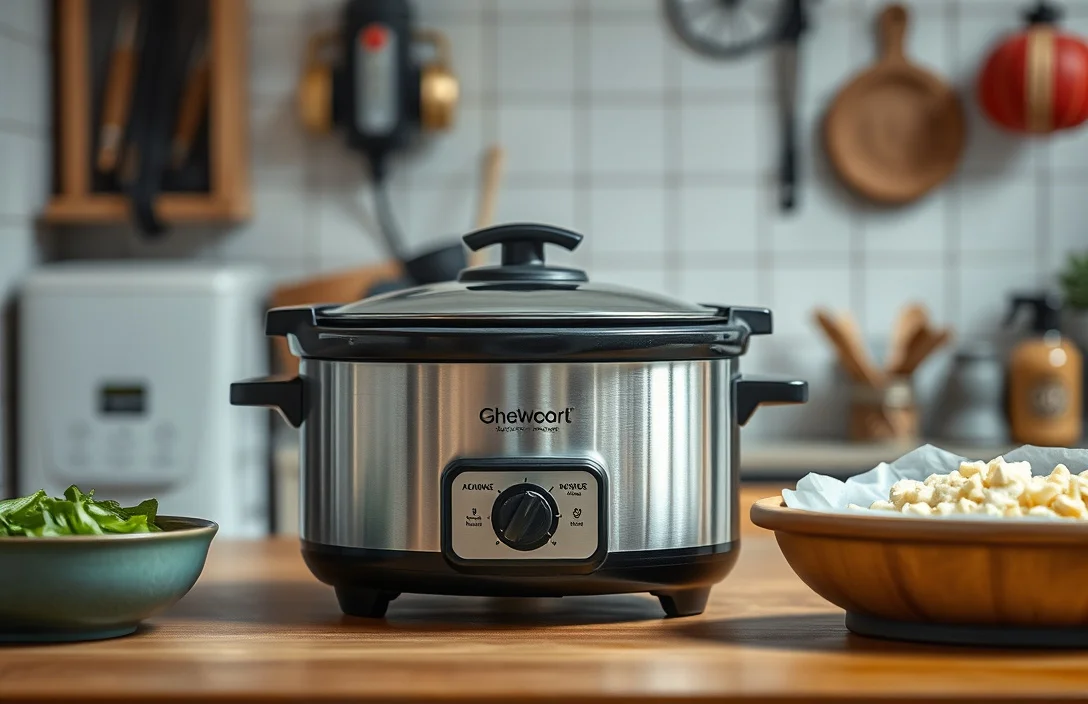
Yes, you can use a rice cooker as a slow cooker in practice, but only for recipes that don’t demand precise low, long heat. A rice cooker boils until the food is done, then switches to Keep Warm, which is often warmer (and less consistent) than a slow cooker’s gentle simmer.
The closest match is a two-stage approach: run the rice cooker on Cook to bring everything to bubbling, then switch to Keep Warm to carry the heat while meat or beans soften. If your model’s Keep Warm is too hot, it can reduce liquid fast and leave you with tougher edges, so you’ll depend on good lid coverage and occasional stirring.
What you cannot reliably recreate is the slow cooker’s consistent low bubbling for 8 to 10 hours. For classic set-and-forget recipes, a rice cooker commonly cools between heat cycles or heats aggressively on warm, which changes both texture and doneness.
Rice Cooker Vs Slow Cooker Settings and Temperatures
A slow cooker holds a steady low temperature for hours. A rice cooker’s job is different: cook until done, then hold warmer. That mismatch is why some “slow cooker” recipes work and others turn out over-reduced, scorched, or undercooked.
| Device | Main heat approach | What it usually means for “slow cooking” |
|---|---|---|
| Rice cooker | Cook mode then Keep Warm | Strong start, finishing heat that varies by model |
| Slow cooker | Low and High settings that hold steady | More predictable simmer for 6 to 10 hours |
If your rice cooker has multiple settings, treat them like a spectrum: “White rice/Soup” style modes often behave closer to a simmer, while “Quick” modes may boil hard early. Keep Warm is the wildcard. Some units are gentle enough for finishing, others effectively hot-hold and dry down your sauce.
Your conversions work best when you plan for it: bring the dish up to heat fast, then switch to the lowest available setting only after it’s actively bubbling with liquid. Don’t assume Keep Warm runs the same across models. If you’re unsure, do a quick test by boiling water briefly, switching modes, and watching how quickly it steams off.
What Cooking Methods Work Best in a Rice Cooker
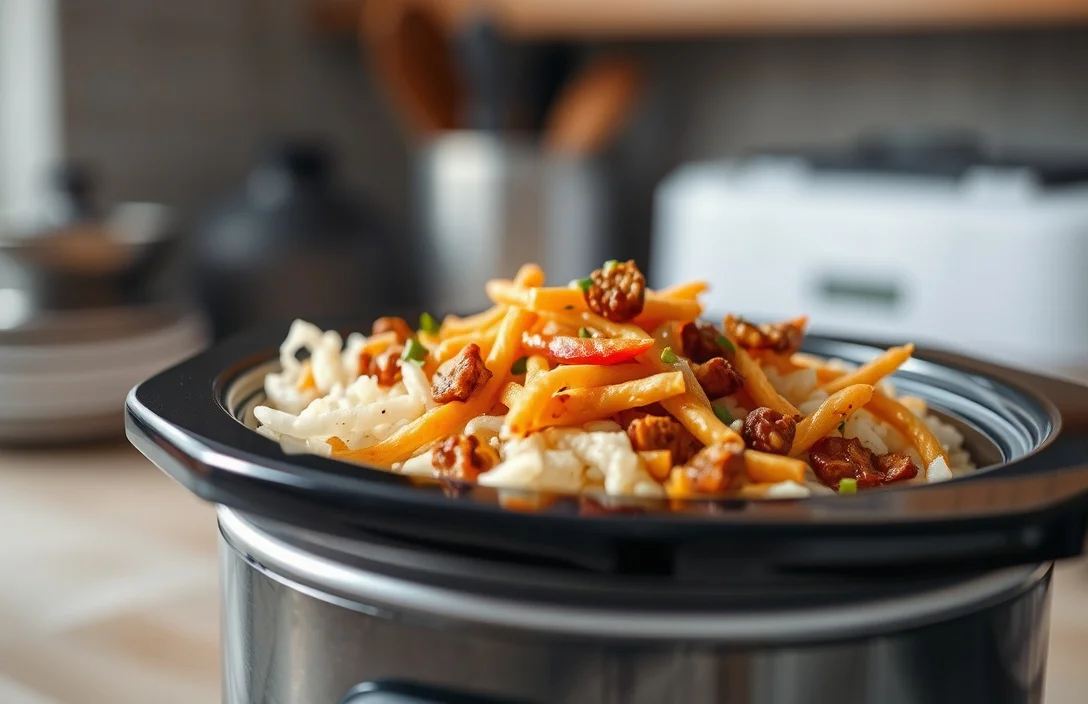
Rice cookers shine with moist, covered cooking where liquid does the heavy lifting. The methods that translate well are braising, stewing with enough broth, and slow-simmer soups – as long as you watch doneness.
Recipes that usually work:
- Braising tough meat in broth, tomato sauce, or a soy-vinegar braine
- Stewing beans or lentils where absorption depends on sustained moisture
- Simmering soups meant to cook through and blend, not recipes that require aggressive reduction
Recipes that often disappoint:
- Dishes that need constant low bubbling without drying
- Thick, dairy-heavy sauces that can scorch on hot Keep Warm
- Meals that rely on a crisping or browning finish after “slow cooking” – they still need a separate step
Lid and stirring matter. Keep the lid closed for steady moisture. If the dish looks like it’s reducing too fast, add a splash of hot liquid during stirring rather than letting it over-reduce on warm.
How to Convert Slow Cooker Recipes for Rice Cookers
Convert by changing the timeline and workflow, not just swapping the appliance name. Most slow cooker recipes assume steady low heat for 6 to 10 hours, while a rice cooker usually gives you a hotter start plus a variable hold.
Start with this conversion approach:
- Use the recipe’s liquid ratio. Don’t cut broth too much – warm stages can evaporate more than you expect.
- Brown separately if the recipe calls for it. Rice cookers can’t replicate true browning. Skipping it often flattens flavor.
- Stage the cooking. Run on a simmering rice mode until it’s bubbling, then switch to Keep Warm (or the lowest available mode).
- Shorten the target time. Plan for 60 to 180 minutes total first. Extend in 15 to 30 minute blocks if needed.
- Check texture early. Meat tenderness and bean softness matter more than the original slow cooker clock.
Example: shredded-pork slow cooker recipe
- Bring pork, onions, garlic, and broth to a simmer in the cooker (Cook mode).
- Switch to Keep Warm and cover tightly.
- Start checking around the 90-minute mark, then every 20 to 30 minutes until the pork shreds easily with a fork.
Doneness cues to trust:
- Meat: Fork should slide in with little resistance; shredding should require gentle pressure, not force.
- Beans/lentils: No crunchy centers. Taste one to confirm.
- Vegetables: If they’re supposed to fully soften, they should mash easily against the pot wall.
- Sauce: Glossy and lightly thickened, not dried out or scorched at the edges.
Substitutions that help rice cooker conversions:
- Thicker sauces: Stir in flour or cornstarch slurry after the cooking stage, especially if your warm runs hot.
- Acid ingredients: Add vinegar or wine toward the simmer stage, not at the very start if you’re worried about texture.
- Dense chunks: Cut carrots and potatoes smaller so they cook through inside your shorter window.
Food Safety Timelines for Rice Cooker Slow Cooking
“Just use Keep Warm all day” is a bad plan because it doesn’t control temperature the way a slow cooker does. Rice cookers can hold food safely once it’s fully cooked and hot, but they don’t guarantee a consistent safe holding temperature for long periods when used as a replacement.
Use a simple rule set:
- Get to steaming-hot quickly. Aim for vigorous simmering or strong bubbling within the first hour (your timeline depends on batch size).
- Keep it covered and hot once cooked. If the food cools down between heat cycles, both safety and texture suffer.
- Don’t rely on warm for long unattended hours. If the recipe would normally cook 8+ hours, don’t mimic that by leaving it on warm. Finish sooner, then reheat as needed.
Treat the rice cooker like a cooking appliance, not a storage appliance:
- Cook until done using the two-stage method.
- Move leftovers into shallow containers to cool quickly.
- Refrigerate within 2 hours of finishing (1 hour if your kitchen is very warm).
Storage and reheat:
- Fridge: Store in sealed containers and eat within 3 to 4 days.
- Reheat: Heat leftovers until steaming hot all the way through, especially if there’s meat or beans.
When timing matters for a group, use a real hot-holding method (warming appliance or stovetop simmer) instead of trusting rice cooker warm indefinitely.
How to Prevent Undercooking or Burning
Undercooking happens when you compress a long cook into a short session without accounting for how your rice cooker cycles. Burning happens when Keep Warm runs hotter than expected or when the sauce thickens before the food becomes tender.
To prevent undercooking:
- Use smaller cuts. Dice meat and chop vegetables so tenderness happens within your 60 to 180 minute window.
- Don’t overcrowd the pot. Large batch volumes heat more slowly and cook unevenly.
- Stir once or twice. Stir gently to distribute heat and liquid, especially near the edges.
To prevent burning and scorched edges:
- Keep enough liquid. Dry starts concentrate faster on warm and burn sooner.
- Avoid adding thickeners early. Dairy, flour, and cornstarch can scorch or form lumps if Keep Warm is hot.
- Check edges in the last 30 minutes. If you see darkening or a film on the bottom, add hot liquid and stir.
Fix-it options:
- Tender meat, thin sauce: Simmer uncovered briefly on a hotter mode (or adjust lid slightly) until it thickens.
- Too thick or burning: Add hot broth in 1/4 to 1/2 cup amounts and stir until the bottom clears.
Rice cooker chili often fails when people thicken it early and then switch to Keep Warm. Cook the chili through first, then thicken at the end on the stove or by stirring in slurry after meat tenderness is where you want it.
When a Rice Cooker Is Not a Good Substitute
Use a rice cooker only when you’re comfortable giving up true set-and-forget reliability. If you need very long, steady low heat or you’re making something prone to scorching or texture damage, a slow cooker is still the better tool.
Don’t swap in a rice cooker if:
- The recipe calls for 8 to 10 hours. Most rice cookers aren’t designed to hold a gentle simmer that long on warm.
- The recipe relies on delicate proteins. Fish, some shellfish, and thin-sliced meats can over-soften or turn mealy.
- The dish needs constant low bubbling to reduce evenly. Thick reductions and creamy sauces can scorch or split.
- You need guaranteed outcomes for a big event. Temperature variability between models makes results harder to repeat.
A rice cooker can still help you with the finishing step, like keeping a stew warm briefly after it’s cooked. The safer move is to finish cooking in the rice cooker, then use a separate hot-holding method if you need extended serving time.
If you’re unsure, shorten the cook and check early. Adding time in 15 to 30 minute steps is much easier than undoing overcooking.
FAQ
Can I use a rice cooker instead of a slow cooker for 8 hours?
Most rice cookers aren’t built to hold a safe, gentle simmer for 8 hours. Cook in stages (Cook mode to simmer, then limited time on warm), then transfer and refrigerate if it’s not served soon. If you need true 8 to 10-hour unattended cooking, use a slow cooker for the most reliable result.
How long does it take to cook stew in a rice cooker?
Plan for 60 to 180 minutes total for many beef or bean stews, depending on batch size and cut thickness. Use Cook mode to bring it to bubbling, then switch to Keep Warm and start checking around 90 minutes. Extend in 15 to 30 minute increments until meat is fork-tender or beans are fully soft.
Is it safe to leave food on Keep Warm in a rice cooker?
Keep Warm can be safe once food is fully cooked and staying hot, but it isn’t a guaranteed, controlled slow-cooker hold. Don’t rely on it for long unattended hours, especially if you notice the dish cooling between heat cycles. For safety, finish cooking, then refrigerate leftovers within 2 hours.
What slow cooker recipes convert best to a rice cooker?
Braises, stews, soups, and bean-heavy dishes convert best because they tolerate wider temperature swings and benefit from liquid. Avoid delicate creamy sauces and recipes where thickening happens early. For best results, keep cuts smaller, use enough liquid, and thicken after the main cooking stage.
What’s the most common mistake when using a rice cooker like a slow cooker?
Switching too early to Keep Warm and walking away is the common failure point – it can leave centers undercooked or scorch the bottom. Bring the dish to a proper simmer first, then monitor the last stage for texture and edge browning. Add hot liquid if the sauce reduces too fast.

- 10 Best Slow Cooker For Quick Preparation 2026 (Tested And Reviewed) - October 18, 2026
- 10 Best Slow Cooker For Family Meal Preparation 2026 (Tested And Reviewed) - October 18, 2026
- 10 Best Slow Cooker For Freezer Meal Preparation 2026 (Tested And Reviewed) - October 18, 2026