Can Azaleas Grow In Pots?
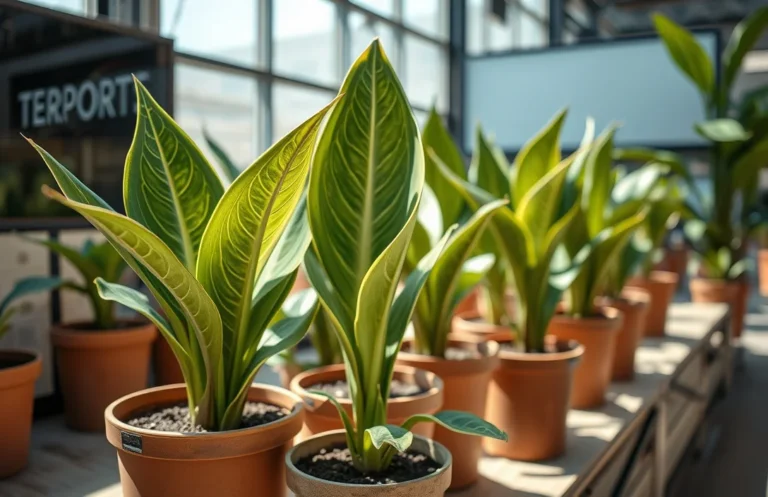
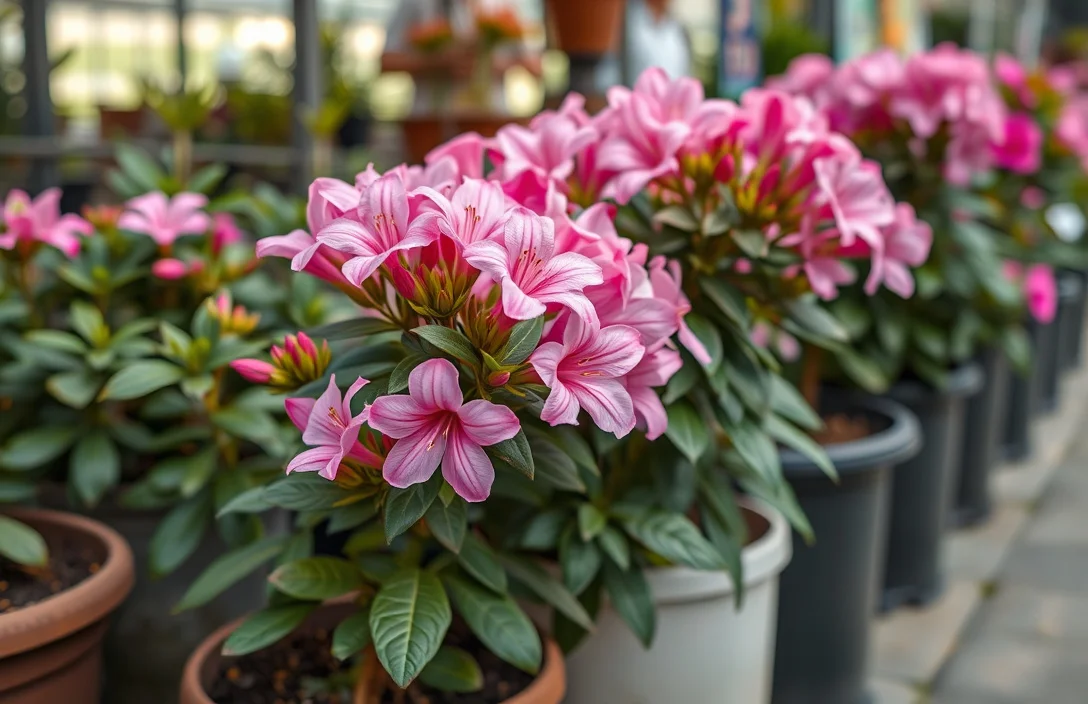
Yes, azaleas can grow in pots, and many people keep them successfully on patios across the United States. The trade-off is container care – pots dry out faster and root temperatures swing more than in-ground soil. Use the right mix, sizing, watering routine, and overwintering plan, and your azalea can thrive instead of struggle.
Azaleas can grow in pots, as long as you meet three conditions – an acidic potting mix (around pH 4.5 to 6), steady moisture without waterlogging, and protection from hot sun and winter freeze-thaw. Choose a pot with drainage holes, use a wide container, and expect to water more often than you would for an in-ground plant.
Key Takeaways
- Yes, but container-fit matters. Azaleas need acidic soil and consistent moisture, and pots change both faster.
- Use drainage holes. Standing water rots azalea roots quickly, especially in compact mixes.
- Pick the right pot size. Wider pots give roots room and reduce temperature swings better than narrow ones.
- Water on a schedule you check. Test soil moisture often, then water when the top layer starts drying.
- Plan for seasonal stress. Heat and winter exposure hit potted azaleas harder, so use shade and real overwintering protection.
- Prune after blooming. Light pruning after flowering helps keep shape and supports bud formation for next year.
What to Know About Azaleas in Pots
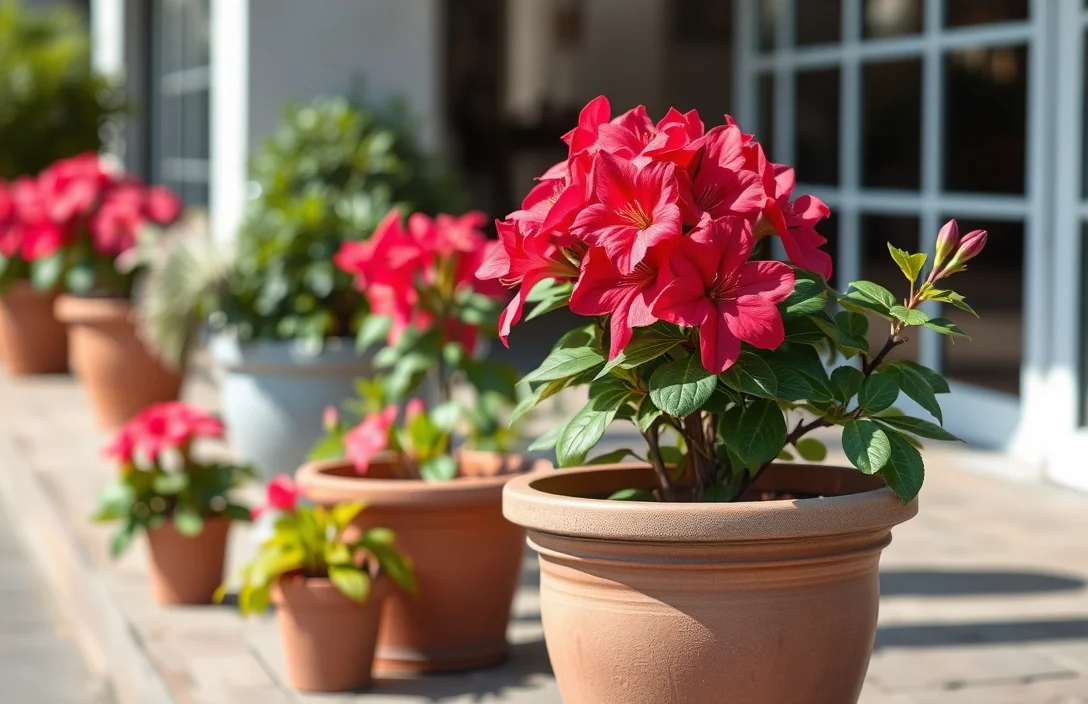
Azaleas grow in pots, but the root environment has to stay right. In-ground soil holds moisture and temperature more steadily, while containers heat up, dry out, and freeze more quickly – all of which stresses fine roots.
Soil acidity is also non-negotiable. Most azaleas prefer acidic conditions, and standard potting soil plus tap water can gradually push pH higher, especially if you fertilize like you would for tomatoes or typical houseplants.
Drainage and airflow determine whether the roots thrive or rot. Azaleas don’t do well with “wet feet,” and poor-draining mixes keep water trapped around fine roots. If the mix stays soggy after watering, the problem is already in your setup.
Variety matters too. Some azaleas stay naturally compact in containers, while others outgrow pots unless you prune, repot, or move up to a larger container.
Things that matter most
Choose a pot that releases excess water. Use a container with multiple drainage holes, and skip saucers that hold water for long periods.
Build and maintain the soil correctly. Use an “azalea-friendly” or “acid-loving” potting mix. If your tap water is hard, consider rainwater or filtered water – higher pH from hard water can limit growth and reduce blooms.
Manage sun and temperature. Potted azaleas do best with morning sun and afternoon shade, particularly in hot climates. In winter, protect pots from repeated freeze-thaw cycles, since that movement can damage fine roots.
Fertilize with restraint and timing. Avoid general-purpose fertilizer that’s heavy on nitrogen forms, since that can push leaf growth without flowers. Light, consistent feeding during active growth usually works better than dumping fertilizer all at once.
Tips for Azaleas in Pots
Start with a wide, stable pot, not a deep one. A broader container helps roots spread and moderates temperature swings compared with narrow pots, which overheat and dry out faster.
Repot on a practical schedule. Many gardeners find repotting every 1 to 3 years works well because potting mix breaks down over time and can lose acidity and structure. Repot when roots circle tightly or when the plant dries out unusually fast.
Use a simple watering check. Stick your finger into the mix up to about 1 inch (2.5 cm). Water when that top layer begins to dry out. If the pot feels heavy, wait. If it feels light and the surface is dry, water thoroughly until water runs out the bottom.
Mulch the surface in containers. A thin layer of pine bark mulch helps hold moisture and supports acidity at the root zone. Keep mulch slightly away from the main stem to prevent rot.
Shade the pot during summer heat. If your patio gets harsh afternoon sun, move the pot or add dappled shade. Heat stress often shows up as drooping, leaf-edge scorch, and bud drop.
Prune after flowering. Remove spent blooms and do light shaping right after the plant finishes flowering, so new buds have time to form.
Benefits of Azaleas in Pots
Potted azaleas give you control over soil conditions, which directly improves success. You can start with an acidic mix and maintain it more reliably than in gardens where soil is alkaline or poorly draining.
Containers also let you control drainage. If your ground stays wet in winter or compacts after rain, a pot keeps roots in a mix that drains the way azaleas need.
Movement is easier when seasons shift. You can place the pot for morning sun, move it under cover during extreme weather, or relocate it to a sheltered spot for winter.
Potted planting also fits small spaces. A driveway edge, balcony, or compact yard can still work – choose a suitable pot size and azalea variety and you’ll get flowers without needing a large planting bed.
Options for Azaleas in Pots
The biggest decision is container size and style. For most home gardeners, a moderately sized, wider pot with good drainage is the safest starting point because it balances root room with easier watering.
Next comes the potting mix. Use an acid-friendly potting mix, and if you want extra insurance, blend materials that improve drainage and structure while still holding moisture. Avoid mixes that stay dense and waterlogged.
Watering methods are another lever. Hand watering works if you stay consistent. Drip systems or a self-watering planter can work too – as long as excess moisture isn’t trapped and the mix doesn’t stay soggy.
Overwintering is where you choose your risk level. Depending on your climate zone and how exposed your patio is, you can wrap the pot, temporarily bury it in the ground, move it to a sheltered area, or keep it near a protected wall. The goal is reducing freeze-thaw stress.
Pick a variety that fits your reality. If you want a pot that stays manageable year to year, choose a compact azalea type and plan to prune lightly after flowering.
Expert Advice on Azaleas in Pots
Don’t treat potted azaleas like “set it and forget it” shrubs. Containers dry out faster, so check moisture at least a few times per week during hot weather.
Protect roots first, not big blooms first. When a potted azalea looks stressed, the first fixes usually involve drainage, potting mix, and accurate watering. Fertilizer won’t save a plant with dry roots, waterlogged roots, or roots exposed to temperature swings.
Give light that stays gentle. Morning sun plus afternoon shade reduces leaf scorch and bud drop. If leaves scorch despite good watering, sun exposure is the more likely cause than irrigation.
Protect the pot in winter, not just the plant. Insulating the container walls or moving the pot to a sheltered microclimate often determines whether the azalea rebounds in spring or declines slowly.
Test pH if you’re unsure. Azaleas are sensitive to acidity, and guessing with fertilizer or watering can take a full season to correct.
Examples of Azaleas in Pots
Example 1: A patio azalea in a 14 to 18 inch wide pot. In hot summer weather, the gardener keeps it on the north or east side of a patio where it gets morning light, waters when the top inch of mix dries, and refreshes mulch. The azalea holds foliage and re-blooms because moisture stays consistent and the mix doesn’t turn into a dense, soggy mass.
Example 2: A compact azalea on a covered porch. A tighter space means fewer extremes in wind and sun, which helps bud retention and prevents rapid drying. The gardener still uses the finger test for moisture and prunes lightly after flowering, so the plant stays the right size without becoming a tangled clump.
Example 3: An azalea kept on a sunny doorstep with a saucer. The saucer holds water for days after rain, and the mix stays wet. Growth declines, and leaves look dull or yellowish. Improvement only happens after the gardener switches to a freely draining potting setup and adjusts watering to avoid waterlogged conditions.
FAQ
Can azaleas grow in pots long-term?
Yes, but you will usually need repotting. Potting mix breaks down over time, loses structure, and can drift out of the acidity azaleas need. Check root health and how quickly the pot dries each season, and repot when roots become root-bound or the plant dries out unusually fast.
What size pot do I need for an azalea?
A wider pot generally helps more than a narrow one because it buffers temperature swings and gives roots room to spread. Use a container with drainage holes, and size up gradually if your azalea is growing well. A pot that’s too small makes watering too frequent, and stress rises.
How often should I water a potted azalea?
Water based on soil moisture, not a calendar. Check the top inch of mix, then water thoroughly when it starts to dry. In hot weather, that can mean every few days. In cooler weather, it may be weekly or less.
Are potted azaleas more likely to die from cold?
Cold can be a bigger risk for potted plants because freeze-thaw cycles stress fine roots. Protect the pot by moving it to a sheltered spot, insulating the container, or temporarily sheltering near the ground if your temperatures swing frequently. Covering leaves alone usually doesn’t solve the root problem.
What is the most common mistake when growing azaleas in pots?
Overwatering and keeping the mix soggy. Azaleas need consistent moisture, but not standing water. Poor drainage damages roots fast. If leaves yellow and growth slows, check drainage, potting mix density, and whether water sits in the bottom after watering.
If you want a practical next step, pick a container with solid drainage, start with an acid-friendly potting mix, and water using the finger test. Once that foundation is right, flowering and leaf health typically follow in the next growing season.

- 10 Best Slow Cooker For Convenient Cooking 2026 (Tested And Reviewed) - October 18, 2026
- 10 Best Slow Cooker For Quick Preparation 2026 (Tested And Reviewed) - October 18, 2026
- 10 Best Slow Cooker For Family Meal Preparation 2026 (Tested And Reviewed) - October 18, 2026