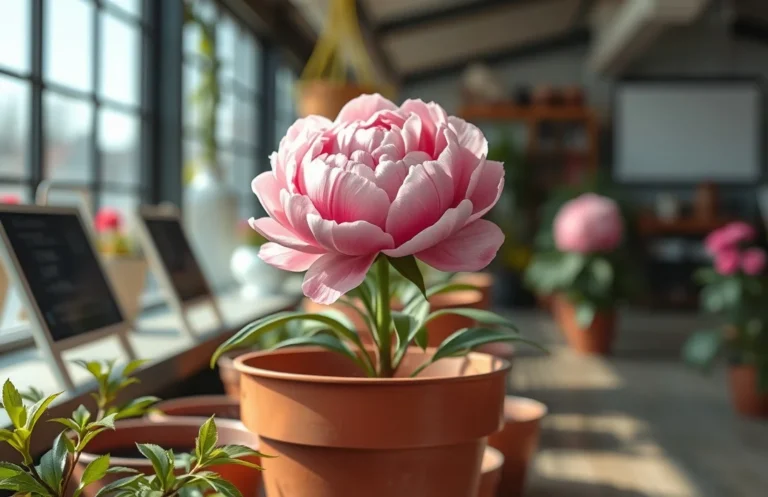
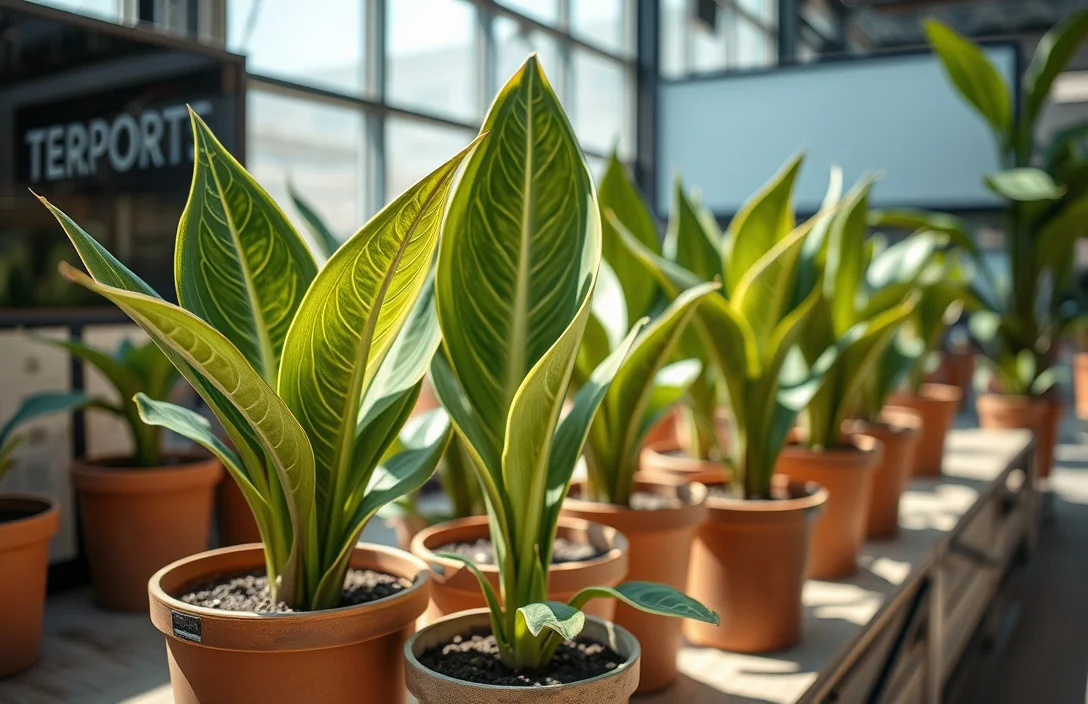
Plant Elephant Ears In Pots In 6 Easy Steps
Elephant ears in pots are one of the fastest ways to get that bold, tropical look without committing to a full garden bed. The catch is that container plants dry out faster, and their winter survival depends entirely on how you store the corms. This guide tells you what to know, what to do step by step, and which pot setups actually work for plant elephant ears in pots in the United States.
Elephant ears in pots grow best when you use a large container with drainage, feed during active growth, and keep them warm enough to sprout, then either store corms or protect the plant through winter. In most climates, plan on overwintering by moving pots indoors or lifting and storing corms, then restarting in spring.
Key Takeaways
- Pick the right size pot. Use at least a 12-inch container for one plant to prevent water stress and tipping.
- Use drainage-first potting mix. Use a quality potting mix and never let the pot sit in runoff.
- Start with warmth. Warm temperatures help bulbs sprout, then steady light drives leaf size.
- Water on a schedule. Water thoroughly when the top 1-2 inches dry, especially in hot weather.
- Feed during leaf growth. Use a balanced fertilizer at label rates once plants are actively growing.
- Plan for winter early. Expect to move indoors or lift corms, depending on your zone.
What to Know About plant elephant ears in pots
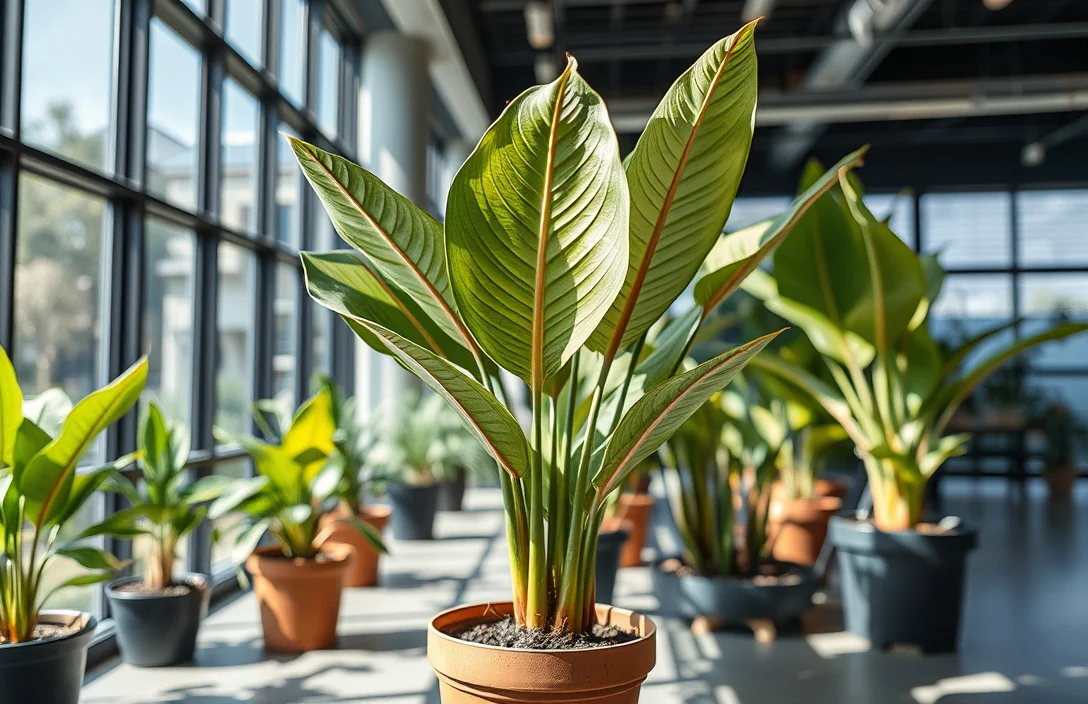
Plant elephant ears (Alocasia, Colocasia, and Xanthosoma are common in pots) are big-leaf plants that grow fast when warmth, light, and water line up. Containers change the math because the roots can’t reach deeper moisture. Drought stress shows up quickly as drooping, crispy edges, and slow new leaf growth.
Winter is the other deal-breaker. Many potted elephant ears slow down in cold conditions or go fully dormant. In the US, you can’t treat them like a year-round indoor plant outdoors. Decide early whether you’ll overwinter in place or lift and store corms.
Size matters more than people expect. A pot that’s too small forces the plant to chase water, and elephant ears get top-heavy quickly. That combination leads to tipping, root crowding, and smaller “show” leaves than you’d get in a deeper container.
Things that matter most
Drainage is the difference between lush growth and constant rot. Elephant ears tolerate moisture, but they hate standing water around the crown and roots, especially in cool weather or during dark indoor periods. If you can see a saucer filling up, you’re feeding rot conditions.
Light is your second lever. Outdoors, more sun usually means sturdier stems and larger leaves, but very hot climates often need afternoon shade to prevent leaf scorch. Indoors, bright light near a window is usually the minimum, and rotating the pot keeps growth even.
Soil and feeding come next. Use fresh potting mix instead of garden soil, and fertilize after you see active leaf growth. Over-fertilizing too early can burn leaves or push weak growth when temperatures aren’t warm enough for the plant to use the nutrients.
These decisions drive your results:
- Outdoor summer display: pot size, drainage, consistent watering, and sun control.
- Indoor winter plan: light and airflow first, then reduced water when growth slows.
- Corm storage option: keeping corms dry, cool, and unmoistened until spring.
Tips for plant elephant ears in pots
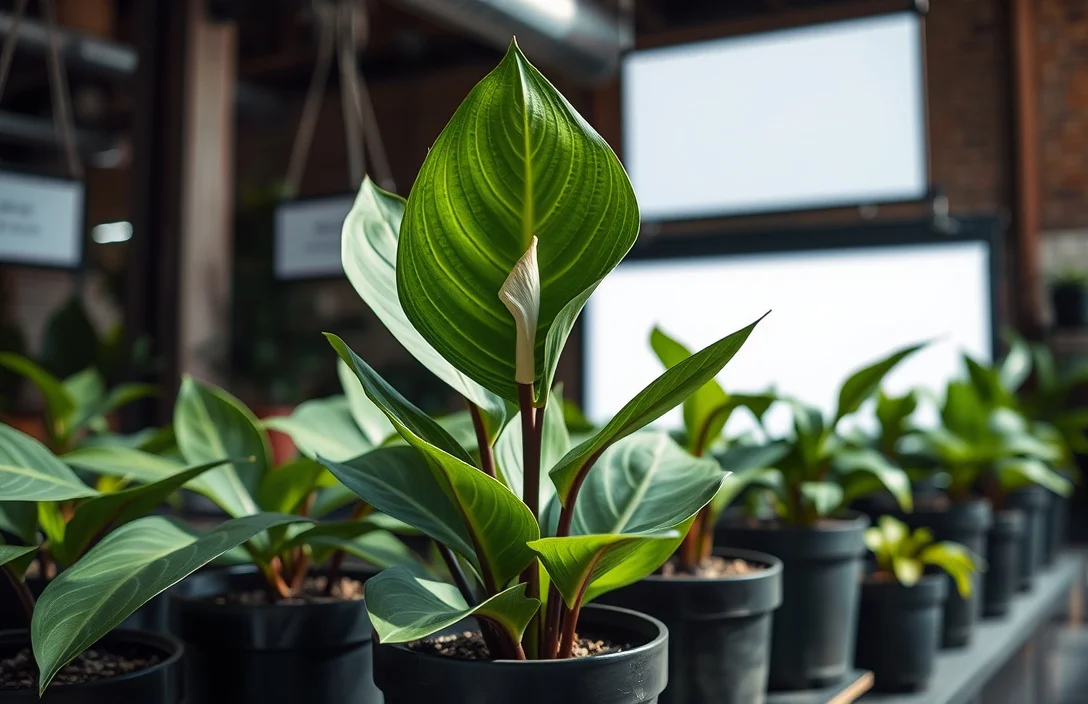
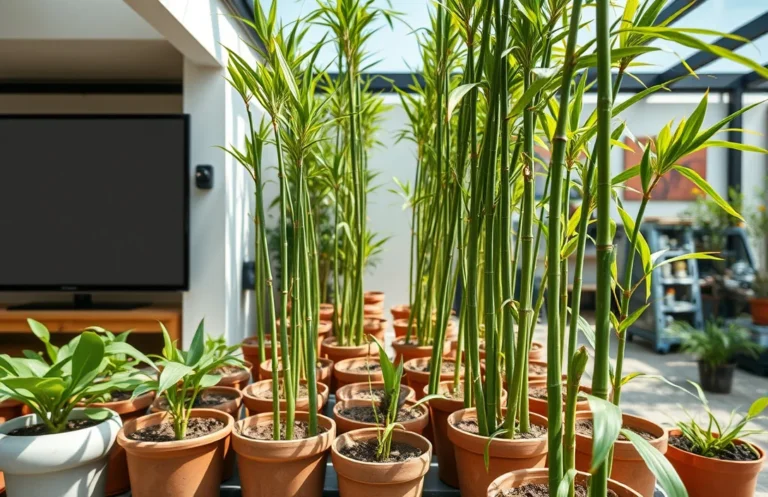
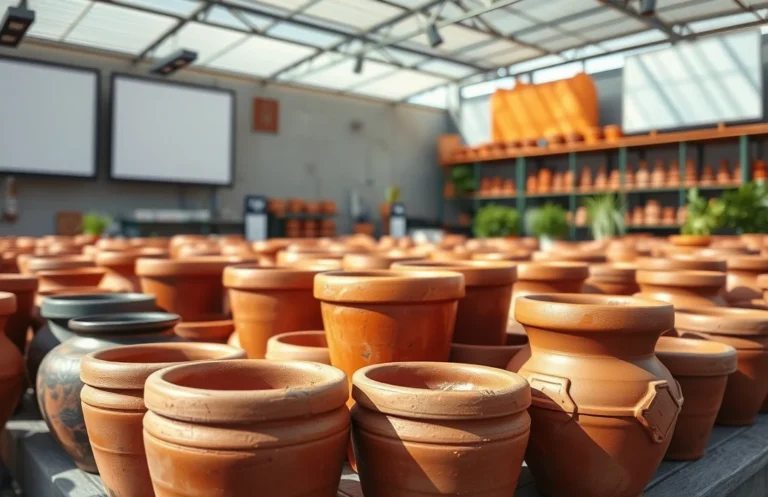
Choose a container that matches how fast your plant grows. For most retail-sized elephant ear plants, a 12-inch pot is a solid starting point, and a 14- to 16-inch pot gives you a better shot at bigger leaves. Use a pot with drainage holes every time. If your plant is tall, keep the saucer under the pot but empty it after watering, not after a “maybe it will soak back in” hope.
Stick to a watering rhythm the plant can actually use. Water thoroughly until it runs out the drainage holes, then wait until the top 1-2 inches are dry before watering again. In heat, that can be every few days. In cooler weather, it can stretch to about once a week.
Start warm to avoid the sprout problem. When growing from corms, warm nights and non-cold media help them establish. Cold, wet soil is the common failure mode because it invites rot before anything has a chance to root.
Fertilize when leaves are actively expanding. A balanced fertilizer at label rates works once you see steady new growth. If you move the plant from outdoors to indoors, pause fertilizer for a couple weeks after the move, then restart when growth resumes.
Keep leaf size and pests in check. Elephant ears transpire heavily. Outdoors, keep humidity reasonable and wipe dust off indoor leaves. Inspect the undersides regularly for container pests like spider mites, especially after you bring pots inside and the air dries out.
Want a simple seasonal routine?
- Pot up or repot in fresh potting mix in late spring once temperatures are warm.
- Place in bright light and water immediately after transplanting.
- Fertilize after you see steady leaf growth.
- Increase watering during heat waves and empty saucers after runoff.
- Stop fertilizer as growth slows in fall.
- Overwinter by either moving indoors for light and humidity or lifting and storing corms.
Benefits of plant elephant ears in pots
Potted elephant ears give you control, and that control is what makes them easier to succeed with. You can move the pot for better light, shelter it from heavy rain, and protect it during unexpected cold snaps. In areas where summers are great but winters are rough, pots turn elephant ears into a seasonal show instead of an all-or-nothing gamble.
Containers also make moisture management easier. Instead of dealing with unpredictable ground drainage, you can use a fast-draining mix and control how wet the crown stays. That predictability helps you avoid the most frustrating problem: rot at the base from staying too wet for too long.
Pots let you scale up fast. You can start small on a patio or balcony and still get strong visual impact, then go bigger next season if you want. With the right conditions, one well-sized container can create a “tropical corner” look quicker than most other plants because elephant ears grow fast.
Overwintering becomes a plan instead of a panic. Whether you move the pot indoors or store corms, you can match the effort to your climate and your indoor light.

Helpful pick
American Plant Exchange Alocasia Elephant Ear – 10-Inch Pot – Live Easy Care Tropical Houseplant, Bold Foliage Indoor or Patio Plant for Home, Office, Garden & Jungle-Inspired Décor
A ready-made 10-inch pot keeps your elephant ears portable, making light adjustment and weather protection easy.
Options for plant elephant ears in pots
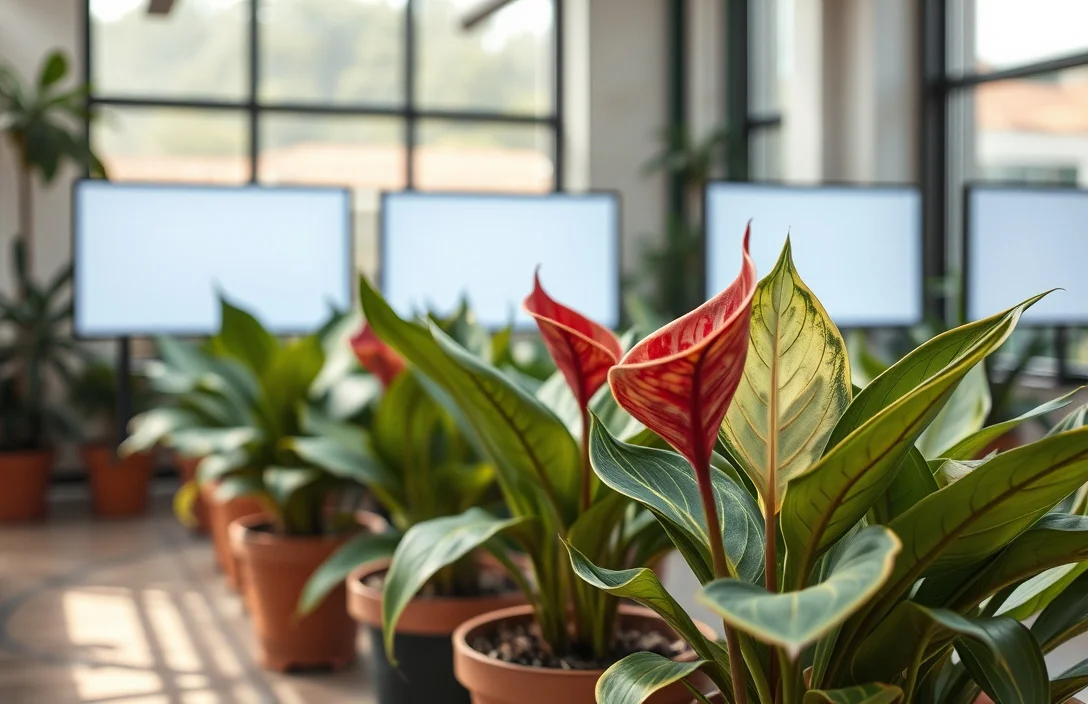
You have three realistic overwinter paths in the US, and the best one depends on your indoor light and whether you’re willing to lift corms.
Option A: Move the pot indoors before cold. This works best with a bright window and indoor temperatures you can keep fairly steady. Growth usually slows in winter, so reduce watering and stop fertilizing when leaves aren’t actively expanding.
Option B: Move the pot to a cool, bright spot. Some gardeners get strong results in cooler indoor areas that still have light. Growth may pause and the plant can act semi-dormant, but it typically rebounds when you return it outdoors in spring.
Option C: Lift and store corms. This is the lowest-risk method in colder regions. Cut back the plant as it naturally declines, lift the corms, let them dry, and store them in a cool, dry place until spring planting.
Your soil and pot setup stays the same during summer no matter which overwinter plan you choose. The big change comes in fall watering. As temperatures drop, water less. Slow growth plus cold, wet soil is the rot recipe.
| Option | Main Requirement | Best For | Biggest Risk |
|---|---|---|---|
| Move pot indoors | Bright light and stable indoor temps | People with sunny windows | Leaf drop or pests from drier indoor air |
| Cool bright indoor spot | Cool temperatures with light | Dormancy-tolerant setups | Overwatering if growth is paused |
| Lift and store corms | Dry storage and spring restart | Cold-winter climates | Rot if corms are stored damp |
Consider your local weather pattern too. If you get early fall chills or sudden cold snaps, moving pots indoors early is often easier than waiting until the plant shows stress.

Helpful pick
Elephant Ear Fertilizer – Liquid Plant Food for Bigger Leaves, Lush Growth & Stronger Roots, 8 oz
Supports healthy indoor growth and maintains vibrant foliage when you move elephant ear pots inside for winter.
Expert Advice on plant elephant ears in pots
Do the basics precisely: drainage holes, fresh potting mix, and a pot big enough to hold steady moisture without tipping. Elephant ears handle more water than many houseplants, but saturated conditions still cause rot. My rule is simple: water thoroughly, then let the top inches dry before watering again.
Placement matters. Outdoors, aim for sun with smart shade in heat. A mix of morning sun and afternoon shade often improves leaf quality in hotter climates. Indoors, a south- or west-facing window is usually the difference between “big lush leaves” and slow, leggy growth.
Feed strategically. Fertilize during active growth, not in dormancy and not immediately after moving the plant. If you fertilize when growth has stalled, you’re loading the mix with nutrients the plant isn’t using, which increases stress.
If leaves are coming in but getting smaller each season, check three causes: the pot is too small, the plant dried out repeatedly, or the light wasn’t strong enough. Elephant ears hate inconsistency. One week of missed watering in hot weather can set you back more than you’d expect.
Don’t ignore regular checking. Container plants attract pests when conditions shift, especially after moving indoors. Inspect leaf undersides once a week for webbing or tiny dots. Catching an early problem protects the plant late in the season.
Finally, don’t fight dormancy. Slower growth or leaf loss in fall is normal for many elephant ears. Adjust watering and light instead of forcing growth with extra fertilizer.

Helpful pick
Black Magic Elephant Ear Bulb (Colocasia ‘Black Magic’) Live Plant – Dark Colored Foliage, Tropical Statement Plant for Garden or Patio (1 Bulb)
This bulb variety thrives in pots; ensure well-draining mix and steady moisture, but avoid waterlogged roots to prevent rot.
Examples: plant elephant ears in pots
If you live in the northern US and want a dramatic summer patio, pot one elephant ear into a 14-inch container with drainage holes. Use quality potting mix and place it in morning sun with afternoon shade. Water deeply when the top 1-2 inches dry out, and start fertilizing once you see consistent new leaf growth. In late September or before first frost, cut back the leaves as they decline and lift the corms for storage.
In mild coastal areas, some gardeners keep pots outdoors longer and only move them indoors when nights drop reliably. They often use the cool-bright window approach and cut back watering so the plant doesn’t sit wet. Fewer handling steps are the payoff, but it depends on having enough indoor light and sticking to lower watering in winter.
If you’re growing elephant ears as a houseplant, treat them like a light-hungry tropical plant, not a low-light ornament. Put the pot close to a bright window, rotate it weekly, and watch for dryness on the leaf edges. If your home air is dry, use humidity support such as a pebble tray or a room humidifier to reduce leaf stress.
If you want a buy-and-go routine, buy during the warm season, pot up into fresh mix, keep the plant outdoors until you notice real slowing, then choose an overwinter path that matches your light. Most failures happen because people keep watering in fall like it’s still summer.
FAQ
When is the best time to plant elephant ears in pots outdoors in the US?
Plant elephant ears in pots outdoors after temperatures warm up and nights are reliably mild, typically once frost risk is over. If you start too early, cold wet soil can delay sprouting or cause rot. If you want a shortcut, buy an already-growing potted plant and set it out when daytime temps stay warm.
What size pot do I need for elephant ears?
Most container growers do well with at least a 12-inch pot for one plant, especially if you want stable growth and good leaf size. If you have the space, a 14- to 16-inch pot is better because elephant ears are fast and can get top-heavy. A pot that’s too small dries out quickly and increases stress.
How often should I water elephant ears in pots?
Water thoroughly until excess drains out, then wait until the top 1-2 inches of the potting mix dry out before watering again. Hot weather can require watering every few days, while cooler periods can stretch it to about once a week. The goal is evenly moist, never soggy.
Will elephant ears in pots come back every year?
Many elephant ears are corm or rhizome plants that can return if you overwinter correctly. In colder US regions, you usually move the pot indoors or lift and store the corms before cold weather. If you leave them outdoors through freezing temperatures, they often fail to survive.
What’s the most common mistake with potted elephant ears?
Overwatering in cold weather is the most common mistake. People keep watering on the same schedule in fall, but growth slows and the mix stays wet longer. Adjust watering down as light and temperatures drop, and always ensure the pot drains well.

- 10 Best Slow Cooker With Leak Resistant Lid 2026 (Tested And Reviewed) - October 24, 2026
- 10 Best Slow Cooker With Spill Proof Design 2026 (Tested And Reviewed) - October 24, 2026
- 10 Best Slow Cooker With Locking System 2026 (Tested And Reviewed) - October 24, 2026