Can Peach Trees Grow In Pots?
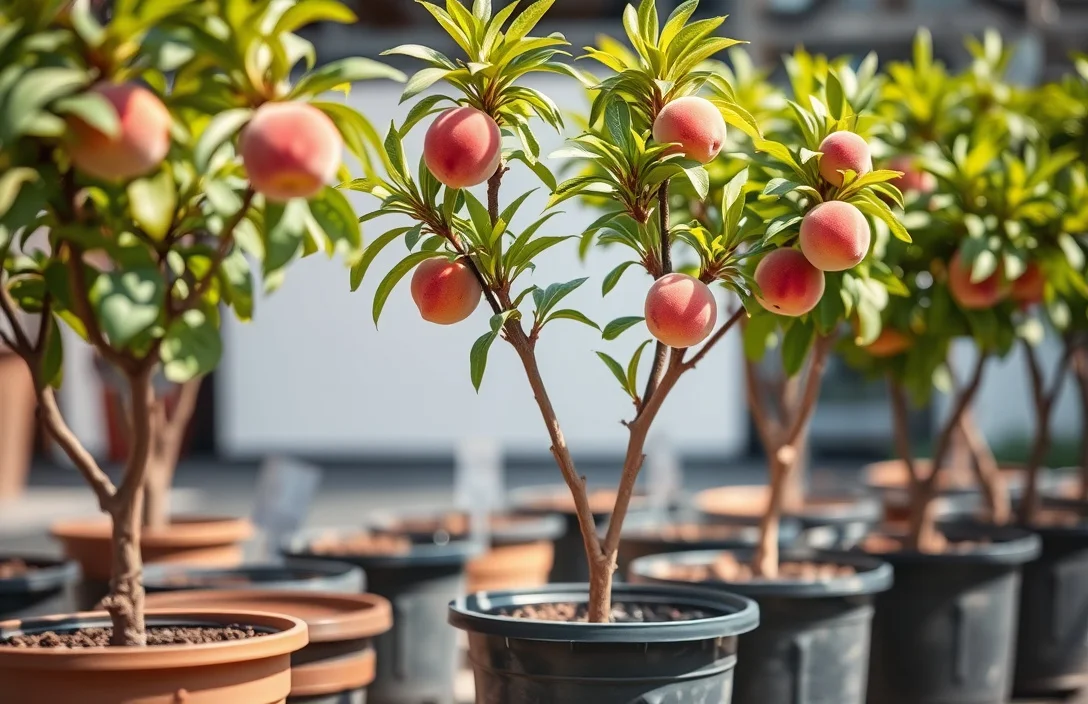
Yes, peach trees can grow in pots, but success depends on container size, full sun, and how you handle pruning and winter. A potted peach trades some rooting room for convenience: you can control space and soil, but you also have to manage water and temperature more carefully. Use this guide to choose the right pot and variety, and to keep fruiting realistic in the United States.
Peach trees grow in pots when they get full sun (ideally 6 to 8 hours of direct light), have enough container depth for steady root growth, and receive consistent watering plus pruning. The pot limits the tree’s size, so pick a dwarf or compact variety, use potting mix made for containers, and plan for winter protection where temperatures dip.
Key Takeaways
- Yes, with limits. Peach trees can fruit in containers, but pot size and pruning choices determine vigor.
- Sun is non-negotiable. Aim for 6 to 8 hours of direct sun daily for better bloom and fruit set.
- Choose the right pot. Use a deep container with strong drainage, and expect to upsize as the tree grows.
- Use container-grade soil. Standard garden soil compacts in pots, so stick with potting mix designed for containers.
- Prune for manageable height. Winter pruning and summer shaping keep the tree productive and within the pot.
- Plan winter protection. Pots expose roots to cold differently, so insulate the root zone and prevent freeze-thaw swings.
Can peach trees grow in pots? What changes in containers?
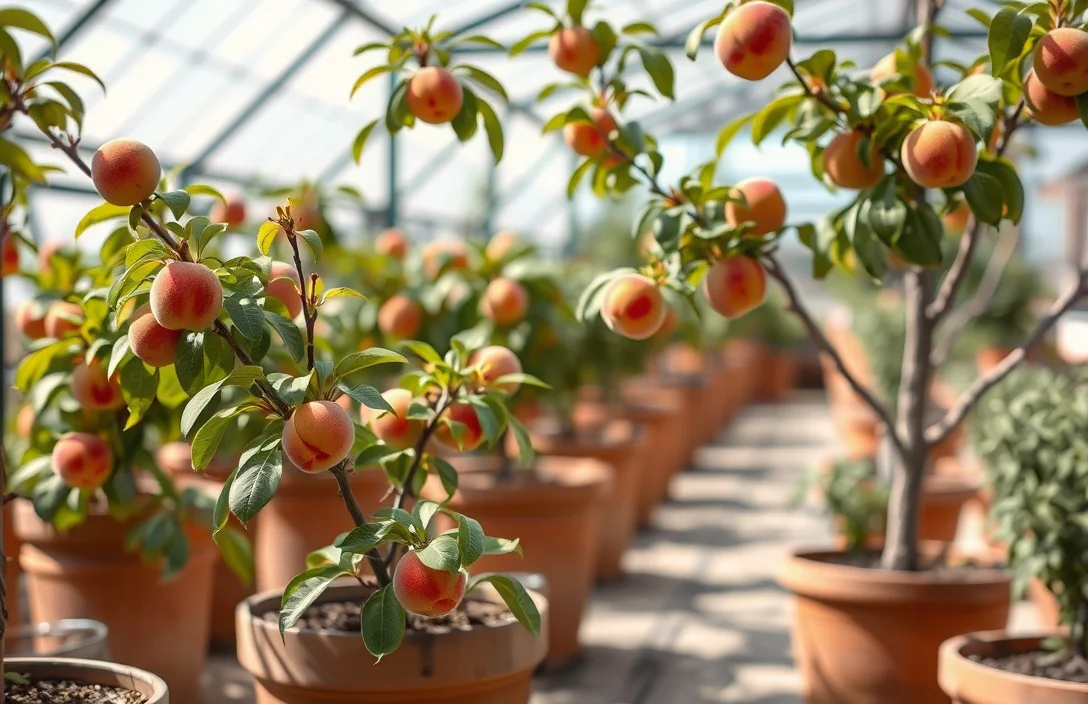
A peach tree can grow in a pot, but it behaves differently than it does in the ground. Roots reach the container walls faster, the mix dries faster, and winter cold can get at the root zone more easily. Those shifts affect growth rate, watering needs, and how consistently the tree blooms and produces fruit.
The common mistake is assuming you can “keep any peach small” with a small pot. Small pots usually mean stress, and stress means weaker growth, more pest pressure, and fewer flowers. If you want fruit, you still need balance: restrict the tree enough to keep it manageable, but give roots enough room to stay healthy.
Treat a potted peach like a container tree, not a houseplant with occasional outdoor time. Put it outside when you can (especially for light and airflow), water on a routine you can maintain, and prune to support structure and light penetration.
Can peach trees grow in pots? The key points that decide success?
Start with variety. Dwarf, semi-dwarf, or compact peach types are the most container-friendly, but you still need to match the cultivar to your region’s typical winter chill range. Peaches require chilling to bloom. If the variety needs more chill than your winters reliably provide, you’ll often get leaf growth without solid flowering.
Next, treat the pot and drainage as core plant care. Drainage holes matter because peaches don’t like waterlogged roots. At the same time, containers can’t afford repeated dry-outs. A container that drains too fast can force near-daily watering in hot weather, which is manageable only if you can keep up.
Plan for more day-to-day attention. Potted peaches usually need more frequent pruning and closer pest checks than in-ground trees because conditions at the roots are tighter and more variable.
Can peach trees grow in pots? Practical care tips?
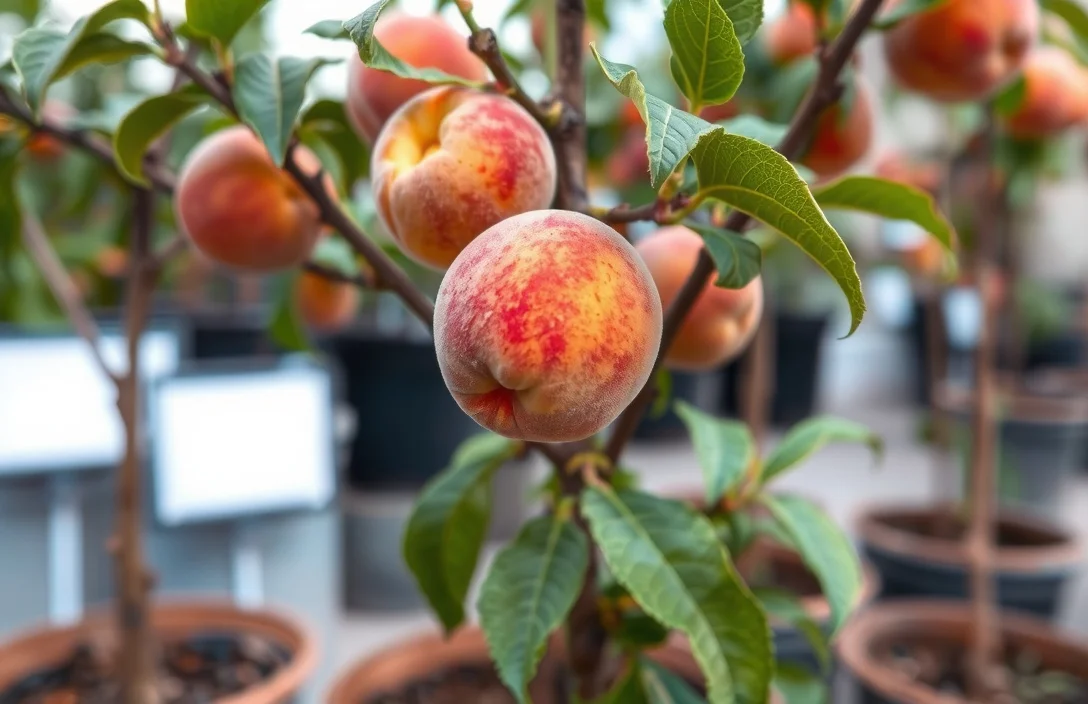
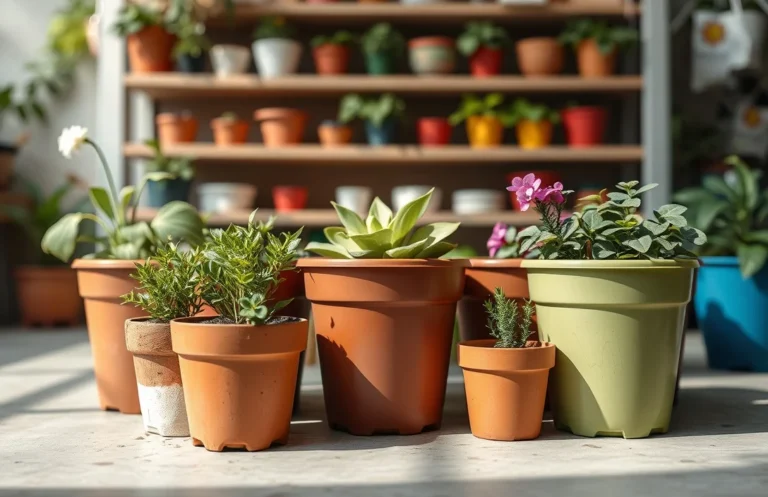
Choose container size for long-term root room, not just the first season. Many people start with a pot that feels “big enough,” then end up repotting sooner than expected. A large pot from the beginning reduces transplant stress and keeps your schedule steadier.
Use an airy potting mix. Choose a quality potting mix with good structure. Water thoroughly until excess drains out the bottom, then water based on soil moisture rather than a calendar. During active growth, aim for evenly moist mix; as the tree approaches dormancy, adjust watering to keep it from staying wet.
Prune for strong branches and sunlight reaching the inner canopy. Many potted peaches do well with a manageable central leader or an open-center approach so the canopy doesn’t become a dense ball. Remove crossing branches, keep fruiting wood within reach, and shape the tree so a good portion of the canopy stays lit.
Watch pests early and keep your routine simple. Container peaches can still get aphids, spider mites in hot or dry conditions, and fungal issues when leaves stay wet too long. Improve airflow with pruning, avoid overhead watering when you can, and inspect leaves and new growth regularly.
Handle winter like a root-zone problem. The trunk may survive while the roots suffer, especially in pots. Reduce freeze-thaw cycles by protecting the pot: move it to an unheated garage or a sheltered area if possible, and insulate the root zone. Once the hard-freeze risk eases, put it back outdoors.
Can peach trees grow in pots? Benefits and trade-offs?
The biggest upside is control. A pot lets you grow a fruit tree on a patio, balcony, or driveway while controlling drainage and soil quality. You can also manage sunlight by rotating or relocating the container when needed.
Pots also help with weather risk. A late frost threat can be dealt with by moving the pot to shelter temporarily. If your schedule changes or you travel, you can place the tree where watering is realistic and consistent.
Potted peaches can also fit people who want a manageable “learning investment.” You can repot when the tree outgrows the container, refresh the soil, and adjust care based on how the tree responds. That feedback loop is easier when the tree is movable.
The costs are real, too: more frequent watering, more careful winter management, and smaller tree size. If you want the most reliable harvest with the least fuss, in-ground planting still wins. If you’re willing to manage the details and you’re limited on space, a potted peach can absolutely work.
Can peach trees grow in pots? Your best setup options?
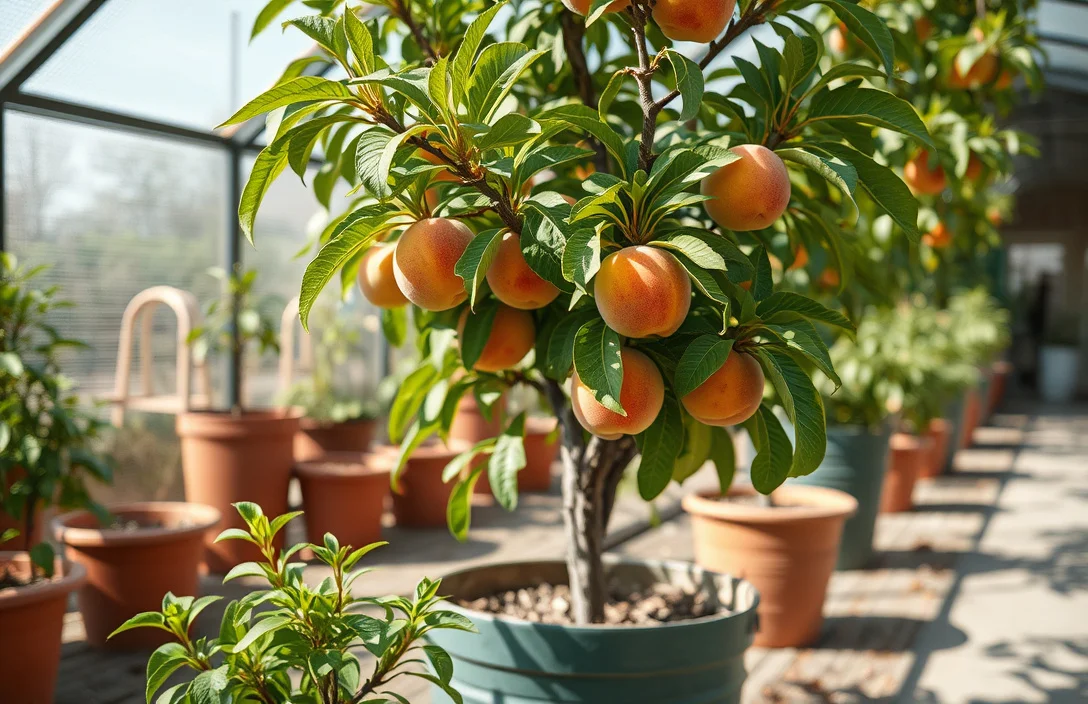
Your main choice is the combination of tree size and training style. Dwarf or compact varieties are the most common path because they stay naturally smaller, which makes pruning and canopy management easier. Even then, prune annually and keep the canopy sized to the container.
You can also match the container approach to your routine. Some people keep potted peach trees outdoors year-round with insulation during winter. Others move the pot into an unheated garage or shed for dormancy, then return it outdoors when hard-freeze danger passes.
Finally, you can choose between in-ground-like care and true container care. A larger pot, quality potting mix, and consistent watering bring performance closer to ground planting. A smaller pot can still grow and sometimes bloom, but reliability drops.
| Option | Key Spec/Setup | Best For |
|---|---|---|
| Compact/dwarf variety | Naturally smaller growth habit | People who want a manageable tree on a patio |
| Large container (roots have room) | Bigger pot, strong drainage, airy potting mix | More reliable growth and less frequent repotting |
| Moveable winter shelter | Pot can be moved to protected area during cold snaps | Areas with harsh winters or freeze-thaw swings |
| Open-center pruning | Canopy kept open for airflow and light | Reducing disease pressure and improving fruiting access |
| In-ground-like “watering discipline” | Consistent moisture checks, not guesswork | People who can water daily in hot weather |
Can peach trees grow in pots? Direct advice you can act on?
Don’t pick the smallest pot you can get away with. Choose the largest container you can manage comfortably, then commit to consistent watering and pruning. Root restriction is real in containers, and peach trees respond to stress by dialing back flowering.
Pick the right cultivar for your region’s chilling. Container-friendly peach types should also match your local ability to provide winter chill so the tree can actually bloom. If your climate mismatch limits bloom, pruning and fertilizer won’t replace that missing biology.
Pruning is required if you want fruit. Peach fruiting wood is seasonal, and the canopy needs light penetration. Shape the tree into an open, accessible structure and remove what blocks airflow. Dense canopies compound mildew and leaf problems.
Feed carefully. Container mix has less nutrient buffer than garden soil, so deficiencies can show up faster. Overfeeding pushes leafy growth at the expense of flowers, so follow the label and avoid heavy nitrogen emphasis during the months when you want flowering and fruit development.
Winter care is about protecting the root zone from freeze-thaw cycles. The trunk can sometimes survive while fine roots take damage in pots, which delays spring growth.
Can peach trees grow in pots? Real-world?
A homeowner with limited planting space installs a compact peach variety in a deep pot with drainage holes and places it where it gets direct sun most of the day. They prune in late winter to keep the canopy open, then water based on soil moisture during hot spells. By late summer, they may harvest small to moderate fruit if the tree blooms reliably in their local conditions.
A gardener in a colder U.S. region keeps the pot on a sheltered side of the house during fall. As repeated freezes begin, they move the pot to an unheated garage or wrap and insulate the root zone. They return it outdoors when hard-freeze risk eases, then prune and monitor new growth. In this setup, winter protection determines whether the tree leafs out weakly or grows more normally and sets fruit.
In a warm climate with mild winters, a potted peach may grow vigorously but bloom inconsistently if its chilling needs don’t match local winter patterns. Leaves and occasional blossoms may happen, but a heavy harvest may be unlikely without a cultivar that naturally cycles into flowering where you live.
FAQ
Can peach trees grow in pots indoors?
Peach trees do best outdoors because they need strong sunlight and seasonal temperature changes. Indoors, light levels are usually too low for healthy flowering. If you keep it indoors temporarily, treat that as a short transition (for example, during a cold snap), and plan to move it outside when temperatures allow.
How big of a pot does a peach tree need?
A peach tree needs enough root room to grow steadily without constant drought stress. Start with a large, deep pot with drainage holes. Smaller pots dry quickly and stress the tree. If you’re unsure, pick the largest pot you can lift safely, then plan to repot if roots start circling the container.
Do potted peach trees fruit, or only grow leaves?
Potted peach trees can fruit, but not reliably without enough sunlight, correct cultivar chilling, and pruning that supports flowering wood. If your tree leafs out strongly but rarely blooms, the problem is often climate mismatch or insufficient chill rather than pot size alone. Container care still matters, but the variety and sunlight are the main gatekeepers.
How often should I water a potted peach tree?
Water frequency depends on heat, wind, pot size, and soil mix, so check moisture instead of following a calendar. Feel the top couple inches of mix, then water thoroughly when it starts drying. Hot weather can require daily checks; cooler conditions can mean watering every few days.
What’s the most common mistake with potted peach trees?
Underpotting and inconsistent watering are the usual culprits. Many people use a pot that’s too small or let the mix swing between bone-dry and waterlogged. That stress can reduce flowering and increase disease risk, so prioritize a large container, airy potting mix, and a consistent watering routine.

- 10 Best Slow Cooker For Large Kitchens 2026 (Tested And Reviewed) - October 19, 2026
- 10 Best Slow Cooker For Small Kitchens 2026 (Tested And Reviewed) - October 18, 2026
- 10 Best Slow Cooker For Kitchen Countertop 2026 (Tested And Reviewed) - October 18, 2026