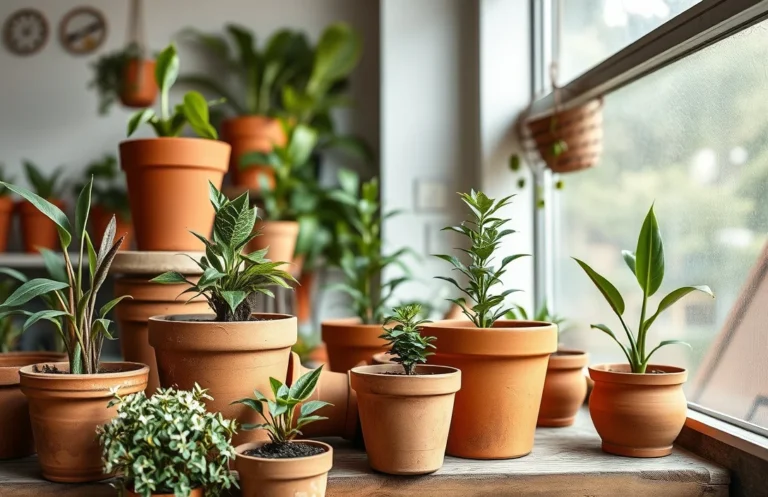
Can You Spray Paint Terracotta Pots?
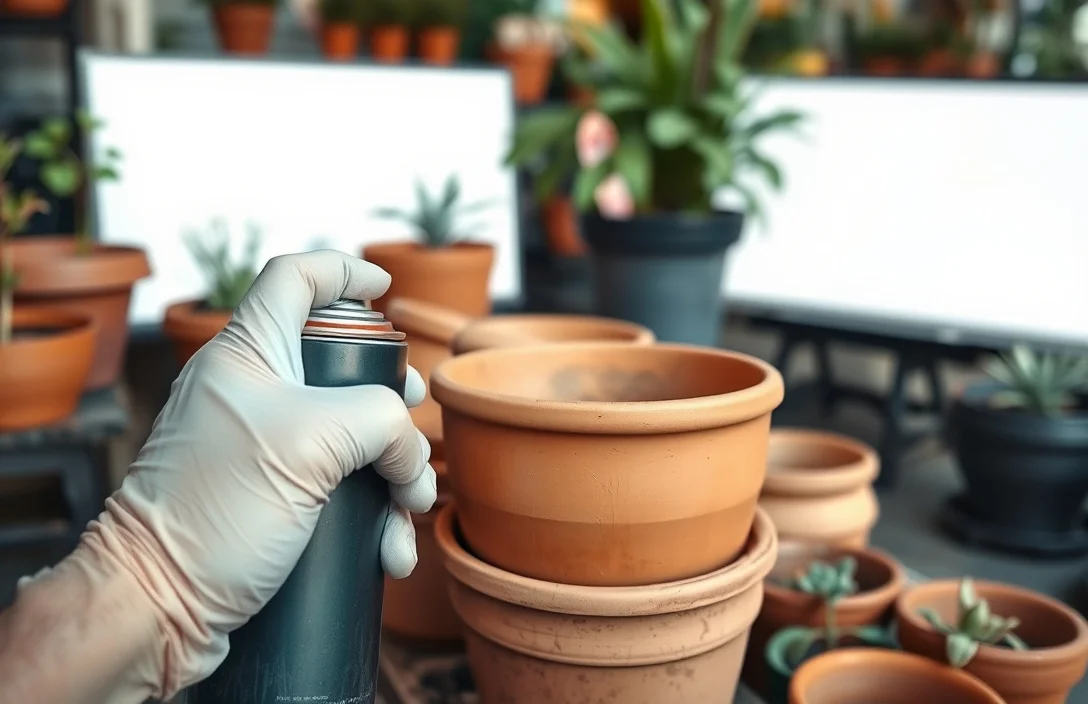
Yes, you can spray paint terracotta pots, and it usually looks great if you prep the clay first. Terracotta is porous, so untreated pots soak up spray and can end up with patchy color. Prep matters: the right primer helps the topcoat sit on top instead of sinking in. Follow this method to avoid peeling when you water plants.
Spray paint terracotta pots only after you clean, dry, and prime the porous surface, usually with a bonding primer. Use spray paint made for plastic or “multi-surface,” and keep coats thin. If the pot will hold plants, choose water-based or clearly non-toxic finishes and let everything cure fully (often 24-72 hours) before watering.
Key Takeaways
- Yes, with prep. Terracotta is porous, so paint needs cleaning and priming to avoid blotches.
- Prime is mandatory. Use a bonding primer so the topcoat sticks to clay instead of soaking in.
- Thin coats win. Apply multiple light passes, letting each coat dry to prevent drips and cracking.
- Pick the right paint. Use spray paint labeled for multi-surface use and, for plant pots, use a safe finish.
- Seal if outdoors. A clear outdoor sealer helps resist weathering and water splash.
- Let it cure. Full cure takes longer than “dry to the touch,” so wait before potting or watering.
What to Know About Can You Spray Paint Terracotta
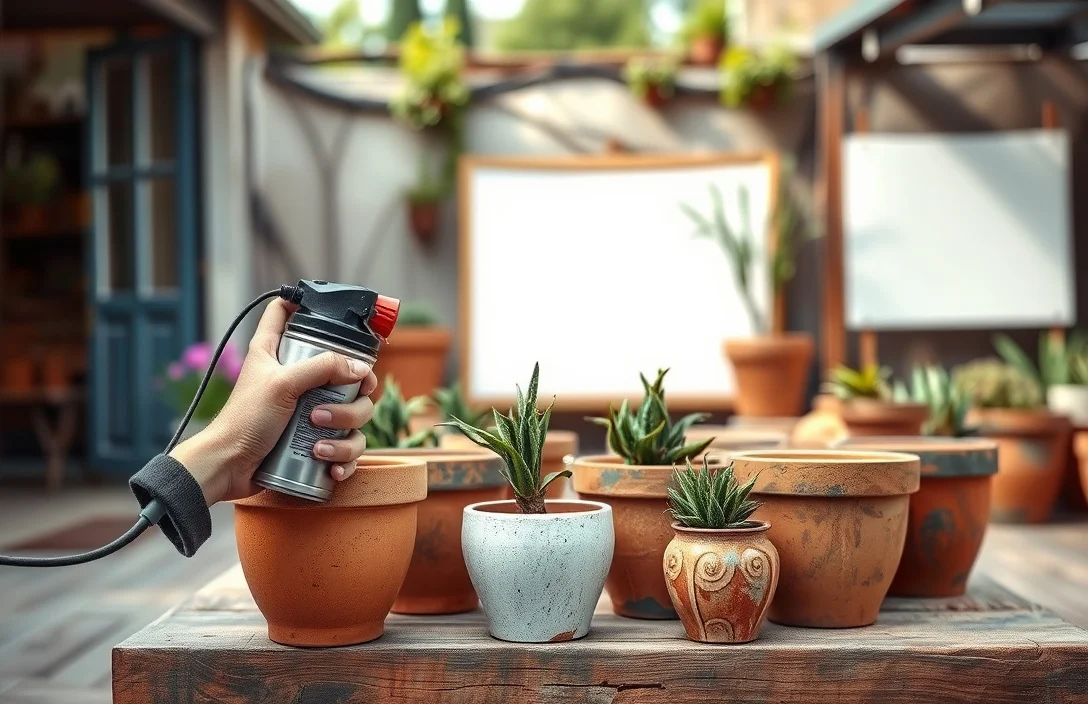
Terracotta is clay, and clay pulls paint in fast by capillary action. Spray directly onto bare terracotta and you can get uneven absorption, rough texture, and dull patches that never really level out. Primer plus thin coats is the practical fix.
Terracotta also carries dust and salts that can interfere with adhesion. Any residue from handling, garden soil, or hard-water deposits can turn into peeling later. Clean it thoroughly, then dry it completely before you paint.
For plant use, think about water hitting the finish. A craft spray that looks great on decorations can fail in regular moisture. If the pot holds live plants, choose finishes that are verified as safe or at least water-resistant for that use.
Things that matter most
Priming is what separates “spray-painted” from “stays looking good.” Use a bonding primer made for masonry, ceramic, or multi-surface. You are not trying to bury the pot in paint. You are sealing the surface so the topcoat bonds instead of soaking into clay.
Coat timing matters. Thick passes trap solvent in the paint, which can lead to runs, orange peel, and weak bonding. Use light, even sweeps, then let the coat dry before adding the next one.
Next, decide whether the pot is decorative or it’s a working planter outdoors. Sun, rain, and freeze-thaw cycles fade and crack finishes quickly, so outdoor pots usually need both a durable topcoat and a clear sealer. Indoor decorative pots still need primer, but they can often get away with less topcoat protection.
Tips for Can You Spray Paint Terracotta
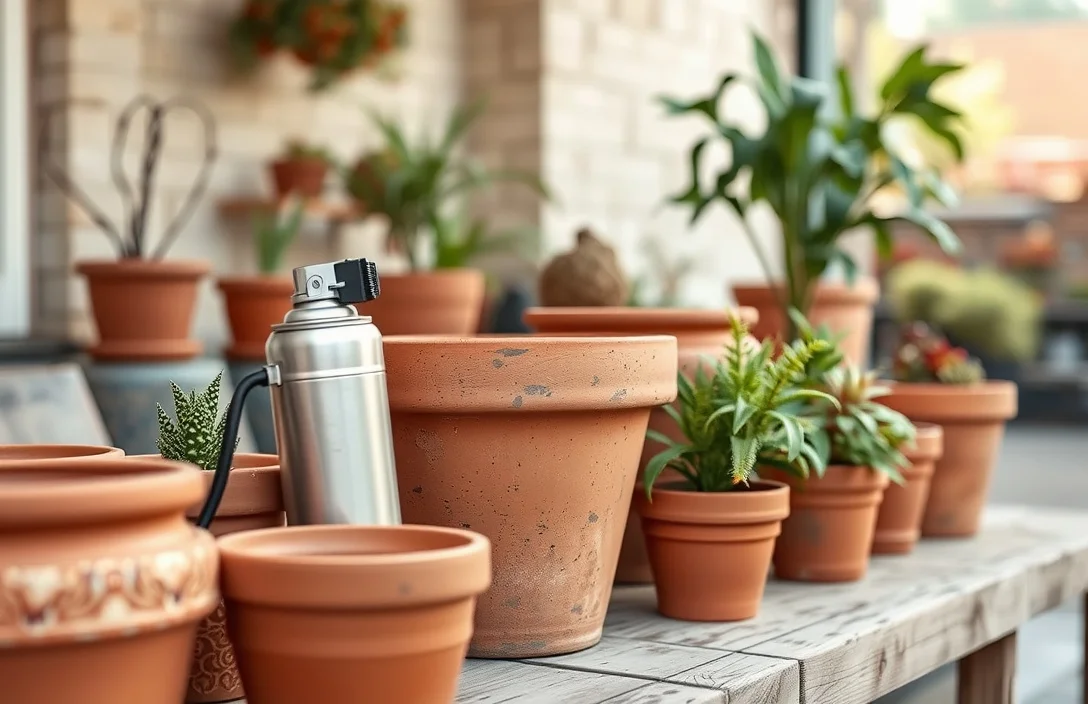
Strip anything off the pot that blocks adhesion. Wash with dish soap and warm water, scrub gently, then rinse well. If you have mold or mineral buildup, use a vinegar rinse, rinse again thoroughly, and dry completely.
Dry time is non-negotiable. Terracotta can hold moisture inside tiny pores, and rushing leads to bubbling or poor bonding. Let the pot dry at least a full day in dry conditions, and longer if it is humid.
Protect the parts you want to keep clean. Tape off drainage holes if you want to keep them uncoated, or cover the bottom rim so roots are not exposed to overspray. Use cardboard or a drop cloth, and spray in a well-ventilated area with low wind.
This is the method for consistent results:
- Wash the pot with soap and water, then rinse.
- Dry completely (no damp feel, no cool spots).
- Lightly dust any remaining grit off the surface.
- Prime with bonding spray in 2-3 light coats.
- Spray topcoat in thin layers (3-5 light passes).
- Dry between coats until each coat is no longer tacky.
- Seal for outdoors and wait for full cure before watering.
If you are repainting an existing pot that held soil, scrape off crusty material at the rim and around drainage holes. Peeling starts there because water and minerals collect in those spots.
Benefits of Can You Spray Paint Terracotta
Spray paint lets you upgrade a cheap pot without replacing it. A basic terracotta planter can match a room color scheme or a seasonal look for far less than buying new planters with the finish you want.
Spray also produces a more uniform surface than many brush-on paints. Terracotta texture is part of the charm, but it can swallow color. Primer plus spray topcoats helps even out the surface so you get cleaner edges and more consistent color.
Sealing adds practical protection. Terracotta naturally “breathes,” letting water evaporate through the walls, but sealing reduces staining from mineral-rich water and slows weathering. Outdoor planters stay more color-stable and avoid rough patches for longer.
One caution: sealing and painted finishes can reduce breathability. Use proper drainage and avoid overwatering just because the paint looks water-resistant.
Options for Can You Spray Paint Terracotta
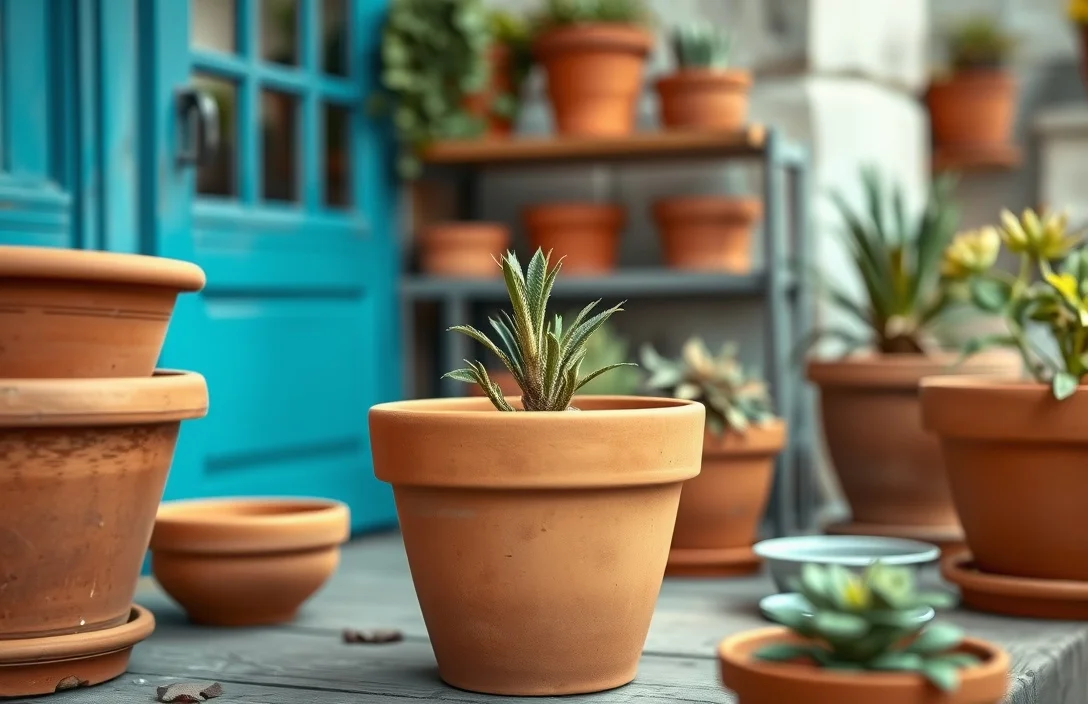
Three routes work, depending on whether the pot holds live plants and how much weather it faces: paint only, paint plus sealer, or paint with a liner.
Start with the topcoat. For spray, choose a multi-surface spray paint that works with priming. If you want a smooth, enamel-like finish, look for “enamel” style spray, but still prime first.
Then pick a sealer. Outdoor pots benefit from a clear outdoor-rated sealer (often polyurethane-type or exterior acrylic) to protect against rain and sun. Indoor-only pots may be fine without sealer if the finish is water-resistant, but sealing still improves durability.
For plant contact, prioritize the safest setup. If you are concerned about chemical exposure, paint only the outside and use a plastic nursery pot inside. That keeps soil and water from directly attacking the painted surface.
| Option | Best For | What to Use | Main Trade-off |
|---|---|---|---|
| Paint only | Indoor decorative pots | Bonding primer + multi-surface spray topcoat | Less protection from water and scuffs |
| Paint + clear sealer | Outdoor planters | Bonding primer + outdoor-rated spray + clear outdoor sealer | Can reduce breathability through walls |
| Painted outside + liner | Plant safety-first setups | Bonding primer + exterior spray + plastic inner pot or liner | Extra step and less “all-in-one” look |
Advice on Can You Spray Paint Terracotta
Use bonding primer and treat terracotta like porous stone. A primer meant for metal or wood can fail to grip clay. Masonry or multi-surface bonding primers are the safer match.
Avoid heavy coats, especially with dark colors. Thick paint can dry with “hot spots” where it looks glossier or chalkier. Thin coats spread more evenly and cure harder because solvent can escape instead of getting trapped.
Plan for full cure. Spray paint often feels dry to the touch within a few hours, but that does not mean it has reached final hardness. Wait at least 24-72 hours before you water, move it outside, or expose it to frequent splashes, especially in cool or humid weather.
Test when possible. If you have multiple pots, do one trial using the exact paint and primer. You will spot uneven absorption or peeling on the test piece instead of ruining everything.
Handle the pot gently while curing. Even “dry” paint can scratch if you stack pots or move them too soon. Use foam padding or leave it undisturbed.
Can You Spray Paint Terracotta?
You want a clean, modern white indoor herb planter. Wash and dry the terracotta fully. Spray bonding primer in 2 light coats, then apply 3-5 light passes of white topcoat. Add a clear sealer if you want it easier to wipe clean, and let it cure before potting the herb.
You have an older terracotta pot with residue around the rim from past soil. Scrub the rim until it feels clean, rinse well, then prime so the topcoat can grip the clay again. Paint the rim and drainage holes last with light passes to avoid thick buildup.
You want outdoor performance through rain. Prime thoroughly, use an outdoor-rated spray, and apply a clear outdoor sealer after the color cures. If the pot gets hard-water splashes, sealing helps prevent chalky mineral spots from showing over time.
You want a two-tone look. Spray the base color first and let it cure. Tape off sections for the second color, then spray the topcoat in thin layers. Removing tape too early can pull paint right off the primer, so wait until the topcoat is fully firm.
FAQ
Can you spray paint terracotta pots without primer?
You can, but it is a gamble. Terracotta is porous, so paint often soaks in unevenly without primer and can peel or look blotchy. Primer creates a sealed surface so the topcoat bonds more consistently. If you want a smooth, durable finish, use bonding primer and apply thin coats.
What’s the best spray paint for terracotta pots?
The best spray paint is one labeled for multi-surface use and compatible with priming. Look for paints intended for masonry, ceramic, or multi-surface projects, and follow the can’s dry and cure times. For outdoor pots, choose an exterior-rated topcoat and add an outdoor-rated clear sealer for better weather resistance.
How long should you wait before watering a freshly painted terracotta pot?
Plan for at least 24-72 hours before watering, depending on temperature and humidity. “Dry to the touch” is not the same as fully cured paint. Watering sooner can weaken adhesion or leave tackiness that attracts dirt. Follow the paint and sealer cure guidance on the product label.
Is spray painting terracotta pots safe for plants?
Paint the outside, and if you are unsure about direct exposure, use a plastic nursery pot inside as a liner. That approach keeps soil and water away from the painted layer. If the pot will be used like a planter, choose finishes that you can verify as safe for that use and keep the painted surface from sitting in wet soil.
What’s the most common mistake when spray painting terracotta?
Applying thick coats or skipping drying time between coats. Heavy spray can drip, trap solvent, and weaken bonding to porous clay. Another common mistake is painting a pot that is still damp or dusty, which causes adhesion failure and peeling. Use thin, even passes and let each coat dry properly.
Quick next
Wash and dry your terracotta pot. Spray bonding primer in light coats, then spray your color in thin layers. Let everything cure fully before potting or watering.

- 10 Best Slow Cooker For Slow Cooking Oxtail 2026 (Tested And Reviewed) - October 16, 2026
- 10 Best Slow Cooker For Slow Cooking Venison 2026 (Tested And Reviewed) - October 16, 2026
- 10 Best Slow Cooker For Slow Cooking Turkey 2026 (Tested And Reviewed) - October 16, 2026