Emerald Green Arborvitae In Pots Explained Simply
Emerald green arborvitae in pots is one of those “instant structure” plants because the color stays rich and the shape holds up well in containers. The catch is that arborvitae are picky about two things in pots – steady moisture and enough root room. This guide helps you pick the right size, soil, pot, and routine so your tree stays dense and healthy all season.
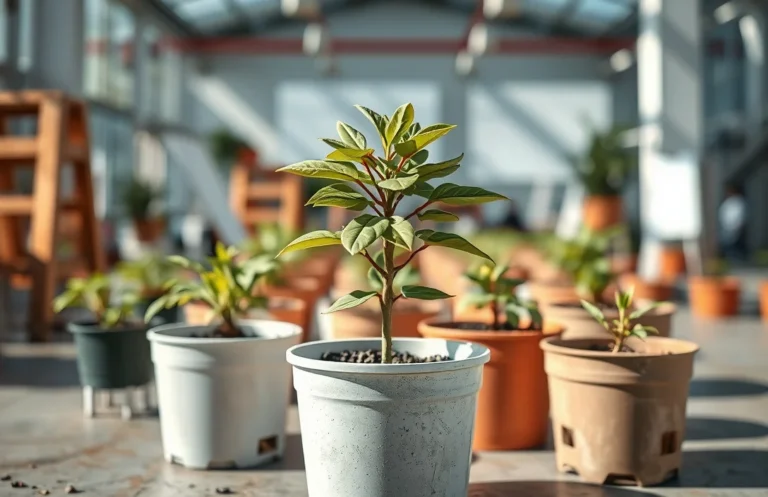
Emerald green arborvitae in pots grow well in large containers with fast-draining soil, consistent watering (especially in heat), and winter root protection. Expect steady growth, then up-pot as the root ball fills. A good rule is to start with at least a 16- to 20-inch pot for young plants, then size up when roots begin circling the container.
Key Takeaways
- Use a big enough pot. Start around 16 to 20 inches wide, then up-pot when roots circle.
- Prioritize consistent moisture. Water when the top 1 inch of soil is dry, but never leave standing water.
- Choose the right soil mix. Use potting mix plus aeration (like perlite) so roots get oxygen.
- Feed lightly, on schedule. Spring and early summer feeding beats heavy mid-season fertilizer.
- Plan for winter protection. Keep the pot from freezing solid, especially for first-year container roots.
- Expect container-specific stress. Wind, heat, and fast dry-out cause more problems than pests.
What to Know About Emerald Green Arborvitae in Pots
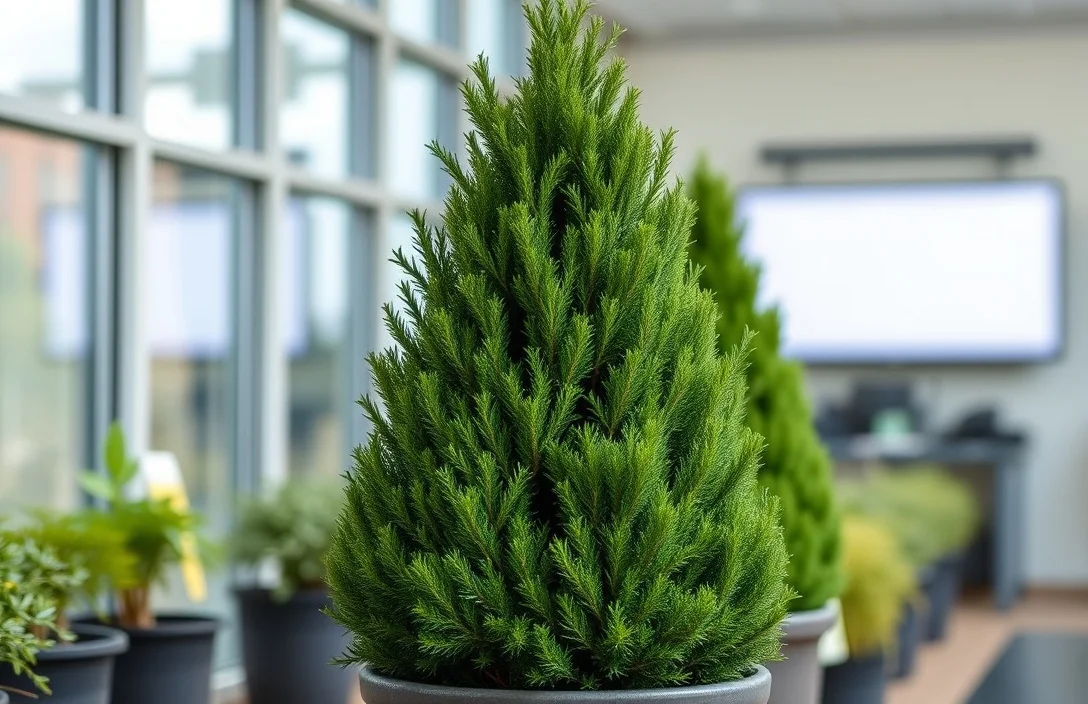
“Emerald green” is a trade name for a green, dense arborvitae cultivar, but the real deciding factor for container care is simple: arborvitae are evergreen trees that hate drought and root stress. In pots, root volume is limited, so moisture swings happen faster than they do in the ground. Treating them like a low-maintenance porch plant is how you end up with weak, stressed roots.
Check the tag before you buy or repot. Confirm whether your plant is meant for full sun or partial shade, and learn how it grows at maturity. Pots change the outcome: slower growth in shade can still lead to leggier form and less dense foliage. If you want that tight emerald look, you usually need enough light to keep new growth compact.
One more reality: container roots are more vulnerable in winter than the needles. A pot that freezes through can damage fine roots while the plant still looks “fine” for a while. If your winters are windy or persistently below freezing, plan root protection before cold weather hits.
Stress timing matters, too. Summer heat and fall or spring freeze-thaw cycles are where containers break most easily. When your routine targets those seasons, the plant stays much more forgiving.

Helpful pick
Golden Globe Arborvitae Live Plant, Compact Evergreen Shrub, Ideal for Landscaping and Garden Borders (2 Gallon/Potted/Single)
A compact, ready to pot arborvitae helps maintain moisture and reduces drought stress in containers with limited root space.
Things that matter most
Pot size and watering consistency drive most results. Containers dry from the sides and surface, and they cool faster at night during shoulder seasons. That means you check soil more often than you would for an in-ground tree.
Use this container checklist as a baseline. Choose a pot with drainage holes you can verify are open, not partially clogged. Use a saucer only if you empty it after watering; letting water sit pooled around roots invites rot. Give the pot enough weight and stability so it does not tip in wind. Root damage from tipping can show up later as browning.
Light controls density. In most U.S. locations, full sun (around 6+ hours) supports the richest color and the tightest growth. Partial shade can work, but it often slows growth and can leave the plant looking less compact, especially when afternoon shade patterns hit hot climates.
Feeding matters, but arborvitae do not want frequent heavy fertilizing. You’ll get better results with a single early-season feed (or two light feeds) rather than treating it like a lawn.
Pruning in pots is mostly about removing dead or leggy tips. Light trimming supports density. Hard pruning into older wood recovers slower in containers because the plant has less stored energy and fewer resources in limited soil.
Tips for Emerald Green Arborvitae in Pots
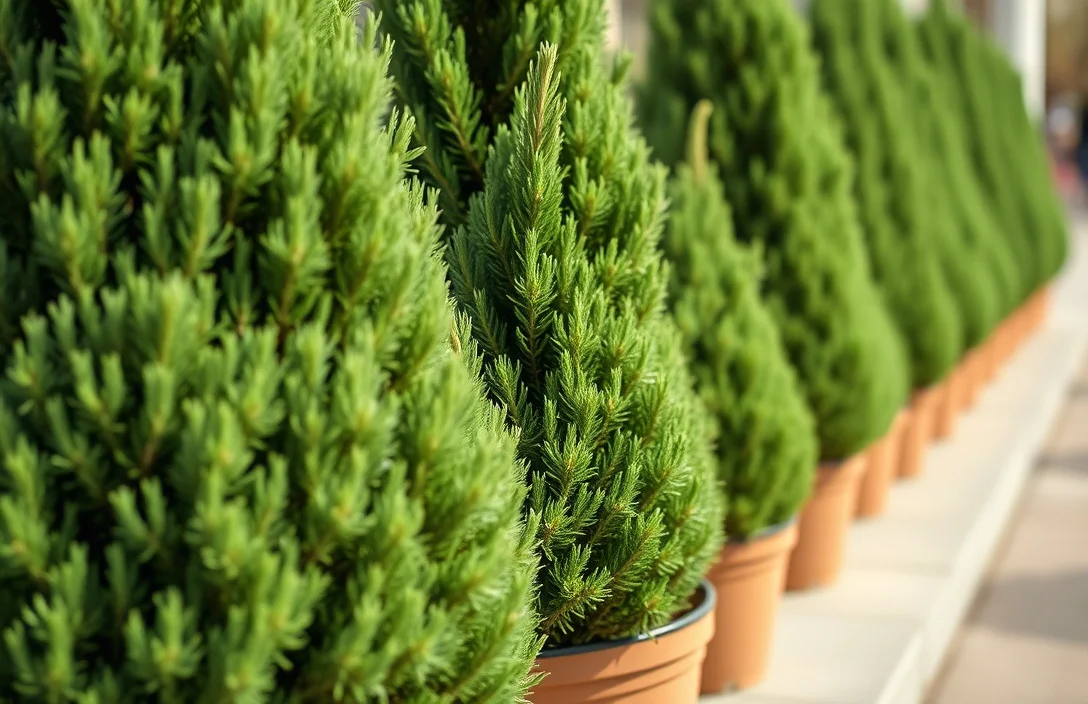
Watering is the tip that pays off fastest. Check soil by touch, not by the calendar. If the top 1 inch is dry, water thoroughly until you see drainage from the bottom, then dump any runoff from the saucer.
Mulch helps, but place it correctly. Add a 1- to 2-inch layer on top to reduce evaporation, and keep mulch pulled slightly away from the trunk base. That keeps moisture steadier without keeping constant damp against the stem.
Choose a soil mix that stays aerated. Standard potting mix can compact over time in containers, especially with frequent watering. Add perlite or use a chunkier container mix so roots stay oxygenated. Arborvitae roots need air as much as they need water.
Repotting is another easy win. Don’t wait until the plant is root-bound and stressed. Upsize in early spring when active growth starts, and move carefully so you don’t tear every fine root. If the roots are already circling hard, gently loosen what you can before adding fresh mix.
Rotate the container for even shape. Containers lean toward light, and arborvitae can grow unevenly as a result. Rotate every couple of weeks to keep symmetry without relying on constant pruning.
Winter protection is often the difference between a thriving container and a struggling one. In cold regions, wrap the pot to reduce freezing depth and insulate around the sides so the root ball does not freeze solid. If you can, place the container near a wall or sheltered spot to reduce wind exposure, since wind intensifies drying on evergreens even when soil is frozen.
Benefits of Emerald Green Arborvitae in Pots
Emerald green arborvitae in pots bring compact evergreen presence that looks deliberate on a deck, entryway, or patio. Dense, layered foliage makes the plant feel full instead of sparse.
In smaller spaces, container arborvitae act like living screens. Move them through the seasons, position them near outdoor seating for privacy, and reposition to match sun exposure. Ground-grown evergreens can’t match that flexibility.
They also deliver consistent winter color. Needle texture stays green through cold months, so your space does not look empty when deciduous plants drop leaves. With good light and watering, the color stays rich instead of fading from stress.
Containers also let you manage soil conditions from day one. If yard soil is heavy or poorly drained, pots let you control drainage and aeration. That matters because arborvitae dislike “wet feet,” and container soil can be tuned for oxygen if you use a breathable mix.
Using a container also helps you control growth pace. A pot limits root expansion, which can keep the tree from getting too big for the space. You still need to up-pot eventually, but pot size can be part of matching the plant to your setup.
Options for Emerald Green Arborvitae in Pots
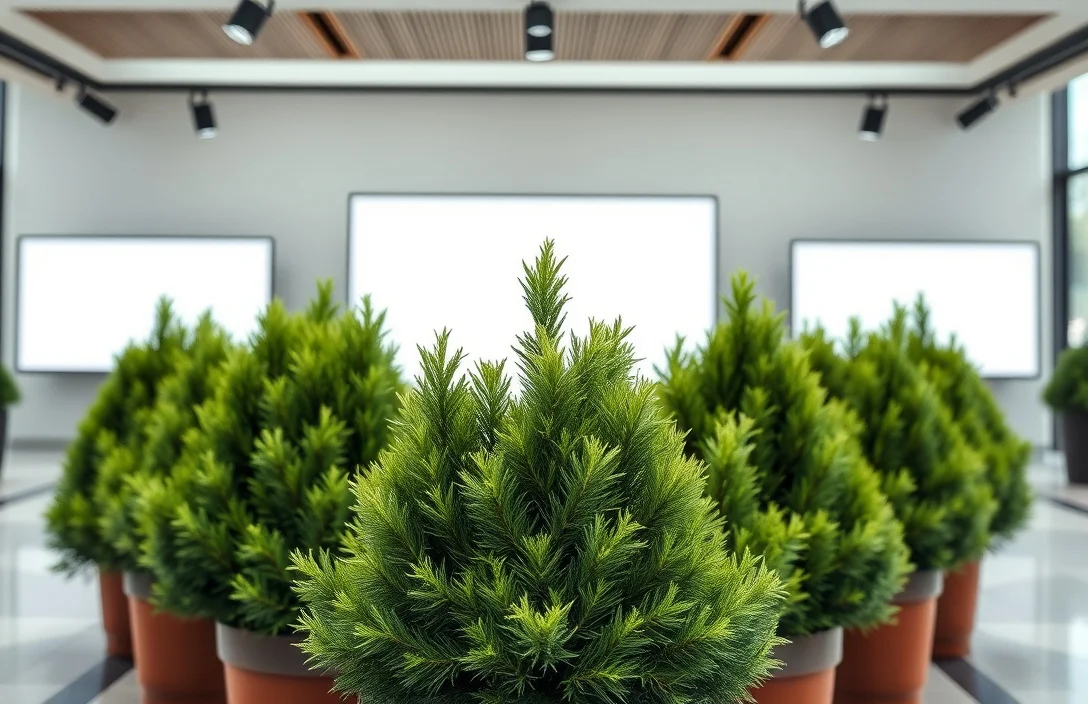
Three container setups work, and the best choice depends on your climate and how much routine you want to handle.
First is a straightforward nursery pot upgrade. Move the plant into a slightly larger container with proper drainage and fresh potting mix, then maintain consistent watering. This is the simplest route if you’re starting with a younger plant and you want an easy routine.
Second is a decorative container plus an inner functional pot. This setup is common on patios. Place the arborvitae in a technical nursery container (with drainage), then set it inside a larger decorative pot. Lift out the inner pot to water thoroughly, then drain fully before returning it. This prevents the “decorative pot traps water” problem.
Third is a planned grow-up pot strategy. Start in a larger pot than you think you need, then up-pot only once more in the next season or two. This reduces transplant shock and gives roots more stable moisture conditions, which can also cut down the number of winter-protection steps you’ll need.
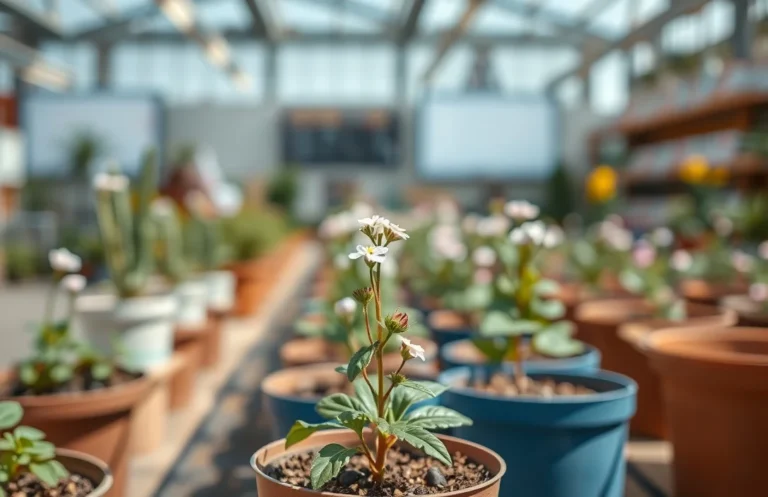
Pot material changes the day-to-day experience. Terracotta looks great and breathes, but it dries faster, which means more frequent watering. Plastic holds moisture longer and can be easier in hot climates, as long as you watch drainage and never let runoff sit. Fabric pots dry quickly too, so they can work well if you can water reliably – and they’re risky if you can’t.
Finally, decide whether you want portable privacy or perimeter permanence. If the container stays near one spot, invest more time in winter protection. If you plan to move it, prioritize stability, light access, and an easy watering workflow that fits your schedule.
Helpful pick
Golden Globe Arborvitae Live Plant, Compact Evergreen Shrub, Ideal for Landscaping and Garden Borders (2 Gallon/Potted/Set of Two)
A compact, pre-potted option ideal for an easy pot upgrade and space-saving container landscaping.
Expert Advice on Emerald Green Arborvitae in Pots
If you want a dense, healthy plant, treat the root zone like the main event. Keep soil evenly moist, use aerated potting mix, and prevent swings between bone-dry and waterlogged. The needles can look okay while fine roots struggle, then brown suddenly after stress builds.
Fertilizer can also backfire if timed wrong. Avoid fertilizing late in the season when growth needs to slow for winter readiness. Feed in spring and early summer, then stop so new growth can harden off before cold weather.
Prune with restraint. In containers, bigger cuts recover slower because the root system has limited reserves. Remove dead tips, tidy straggly ends, and shape lightly to maintain the natural form. If you want to reduce height, do gradual trimming over multiple seasons instead of cutting back hard in one go.
Two container stress signals show up often. Needle browning that starts at the tips or appears after heat waves usually points to drought or inconsistent watering. Yellowing and thinning after overwatering or poor drainage usually points to an oxygen problem at the roots. Fix watering quickly when you see early signs, and the plant often bounces back better than you expect.
Winter protection targets more than the needles. Freeze-thaw cycles can heave soil and damage roots, and wind drying adds evergreen stress. If your container sits in an exposed area, wrap the pot sides and consider moving it to a sheltered spot when temperatures drop sharply.
Set expectations, too. Pot-grown evergreens typically grow slowly and steadily, not explosively. Density and health come first.

Helpful pick
10 Thuja Green Giant Arborvitae 7-10 inches Tall Trees
These potted emerald-green arborvitae offer compact, dense growth when kept in evenly moist, well-aerated soil.
Examples: Emerald Green Arborvitae in Pots
For a bright entryway setup, place one emerald green arborvitae in a 16- to 20-inch container on each side of the door. Use a pot with bottom drainage, fill it with an aerated potting mix, and keep it in full sun for the best density. Water deeply when the top inch dries out, then mulch lightly to slow evaporation. This gives instant structure and frames the entrance without installing a full landscape.
For a patio “mobile privacy” setup, use an arborvitae planted in a functional nursery container inside a decorative pot. Lift the inner container out to water thoroughly, let it drain completely, then set it back into the decorative outer pot. This keeps roots from sitting in runoff while still matching the look you want. Rotate the container every couple of weeks for even growth, especially if the patio gets mostly morning sun.
Winter strategy decides whether the plan holds up. If nights get cold where you live, move the pots near a building wall and wrap the pot sides with insulating material to reduce freezing depth. Keep the top exposed so you don’t trap constant moisture against the plant. When temperatures moderate, check soil moisture and resume normal watering so roots do not dry out.
FAQ
Can emerald green arborvitae grow in pots long-term in the United States?
Yes, but you’ll need to up-pot as roots fill the container. Long-term success comes from consistent watering, aerated potting mix, and enough pot size to prevent frequent root stress. Check soil moisture weekly in summer and protect the pot from freezing solid in winter, especially during the first couple of years.
What pot size is best for emerald green arborvitae in pots?
Start with at least a 16- to 20-inch pot diameter for young plants. If your plant is already larger or you want slower stress, go bigger. Up-pot when roots circle the container or when drying accelerates to the point you need daily watering.
How often should I water emerald green arborvitae in pots?
Water when the top 1 inch of soil is dry, then water thoroughly until you see drainage from the bottom. In hot U.S. summers, that can be 2 to 5 times per week depending on pot material and sun exposure. In cooler weather frequency drops, but rain does not guarantee the pot stays evenly moist.
Are there fertilizer or pruning rules for emerald green arborvitae in pots?
Feed lightly in spring and early summer, then stop before late fall so growth can harden off. Prune to remove dead tips or lightly shape, because hard pruning into older wood recovers slower in containers. For height control, trim gradually over multiple seasons instead of one big cut.
What is the most common mistake with emerald green arborvitae in pots?
Letting the pot swing between drought and waterlogging. People either forget to water during heat, or they leave runoff sitting in saucers, which reduces root oxygen. Fix it by checking soil by feel, watering deeply, and making sure drainage holes stay open with saucer runoff emptied after watering.

- 10 Best Slow Cooker For Easy Meals 2026 (Tested And Reviewed) - October 18, 2026
- 10 Best Slow Cooker For Simple Cooking 2026 (Tested And Reviewed) - October 18, 2026
- 10 Best Slow Cooker For Convenient Cooking 2026 (Tested And Reviewed) - October 18, 2026