How To Clean Cast Aluminum Cookware?
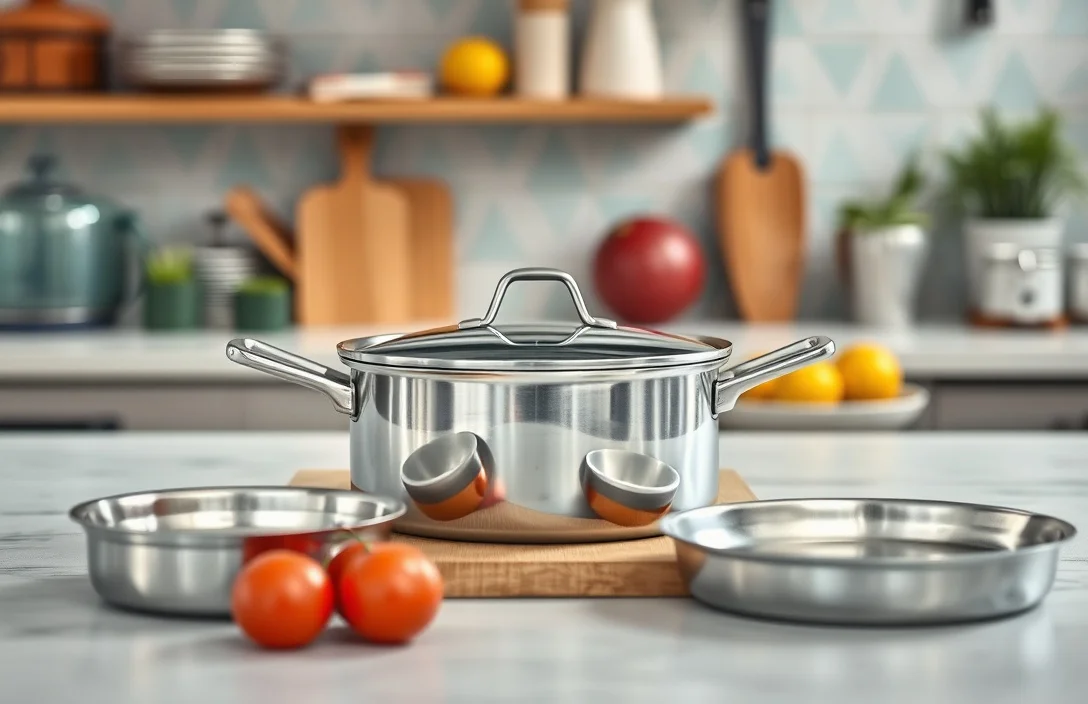
Cast aluminum cookware is popular because it heats evenly, but it also shows carbon buildup fast. If you see black spots, cloudy white residue, or food stuck to the surface, a careful clean can restore it without damaging the finish. This tutorial walks you through how to clean cast aluminum cookware safely, with what you need, a reliable step sequence, and troubleshooting for stubborn grime.
Cast aluminum cookware cleans best with warm water, mild dish soap, and a gentle scrub – a nylon brush or non-scratch sponge. For baked-on grease, soak 20-40 minutes, then use a baking soda paste (baking soda + a little water). For heavy residue, repeat the soak and paste process before using stronger abrasives or acidic cleaners.
Key Takeaways
- Start with cool cookware. Let it cool to room temperature before washing to avoid warping or finish damage.
- Use mild soap first. Dish soap plus warm water solves most surface grease without scrubbing hard.
- Soak before scrubbing. 20-40 minutes of soaking loosens stuck-on food and reduces abrasion.
- Choose the right scrubber. Use nylon, silicone, or non-scratch pads to avoid pitting.
- Avoid harsh cleaners. Skip bleach, drain cleaners, and scouring powders that can etch aluminum.
- Dry fully after cleaning. Dry right away to limit white spots from hard water.
How to begin
Clean cookware without pitting, etched gray patches, or a rough surface that holds onto grime faster next time comes from one simple routine: cool it, soak it, wash with mild soap, then escalate only if residue remains.
Before you start, gather the basics so you do not improvise mid-clean. You will usually need warm water, a mild dish detergent, a non-scratch sponge or nylon brush, and paper towels or a dish rack. For stubborn carbon, keep baking soda handy for a paste. Keep vinegar available only for small spot tests.
Basics of How to Clean Cast Aluminum Cookware
Most issues on cast aluminum cookware come in two forms: grease film and carbonized food. Grease lifts with warm water and soap, while carbonized bits usually need soaking and gentle abrasion to remove.
White cloudiness or streaks usually come from hard water or residue left behind after cleaning. Cast aluminum can also come with different surface treatments – smooth, anodized, or seasoned. The safest tools and cleaners depend on the surface.
If your cookware has a nonstick coating, follow the coating’s guidance and avoid abrasive pads, baking soda paste, and metal utensils. If it is bare cast aluminum, baking soda paste and gentle scrubbing are generally safe, but still avoid steel wool and harsh abrasives.
How to Clean Cast Aluminum Cookware
- Cool the pan completely. Set it on a dry, heat-safe surface and wait until it is no longer hot to the touch.
- Rinse off loose food. Use warm water to remove chunks so you do not grind them into the surface.
- Wash with mild soap. Scrub gently with a non-scratch sponge or nylon brush using warm water and dish detergent.
- Soak stuck-on spots. Add enough hot (not boiling) water to cover the residue and soak 20-40 minutes.
- Use a baking soda paste for baked-on residue. Mix baking soda with a small amount of water, spread it over the affected area, and let it sit 10-20 minutes.
- Scrub gently, then rinse thoroughly. Scrub with the nylon brush or non-scratch pad, rinse well, and repeat the paste step if needed.
- Dry immediately. Dry with a clean towel or air-dry on a rack to reduce white water spots and lingering grime.
If dinner leaves a glossy ring of grease near the handle and a few burned-on flecks on the bottom, start with steps 1-3 and see whether hot soapy water alone loosens it. If dark stuck patches remain, go straight to step 4 (soak), then apply baking soda paste in step 5 on the affected areas only.
Escalation should follow the same order every time. Do not start with abrasives, acids, or specialty cleaners before you try soak plus gentle scrubbing and a baking soda paste. Each jump up in strength increases the chance you roughen the surface you will be cooking on again.
Things that matter most
Baking soda paste is the safest “stronger than soap” option for bare cast aluminum. It is mildly abrasive and alkaline, which lifts food residue and grease without immediately causing the pitting that steel wool can trigger. Keep it localized to the grime, and do not let the paste dry hard on the cookware.
Soaking makes everything easier. Hot water softens oils, and time reduces how much force you need when you scrub. For thick residue, soak in a setup where the pan is mostly covered. Uneven soaking can leave stubborn bands that tempt you into stronger scrubbing.
White cloudy residue also has a common cause: rinse water and mineral deposits. Rinse thoroughly first, then dry quickly. If cloudiness persists, do a small spot test with a diluted vinegar wipe, rinse immediately, and dry right away.
Use this guide to match the first move to what you see:
| What you see | Most likely cause | Best first action | Next step if it remains |
|---|---|---|---|
| Greasy film | Cooking oils polymerized on surface | Warm soap wash + gentle scrub | 20-40 min hot water soak |
| Black burned spots | Carbonized food | Soak, then gentle scrubbing | Baking soda paste 10-20 min |
| Gray scuffs | Too-aggressive scrubbing | Stop abrasive pressure | Return to soap + baking soda paste |
| White cloudy streaks | Hard water/mineral residue | Thorough rinse, dry immediately | Small vinegar spot test, immediate rinse |
| Roughened texture | Finish etched by abrasives/chemicals | Switch to gentler tools | Prevent with immediate cleaning after use |
What works in practice
Clean cast aluminum cookware sooner rather than later. Fresh residue usually lifts with warm water and soap in a minute or two, which prevents hard carbon from forming. If you can, wash soon after cooking and avoid letting oil sit on the surface long enough to bake down.
Use non-scratch tools consistently. A nylon brush, silicone scraper, and non-scratch sponge keep scrubbing effective while reducing pitting. If you find yourself leaning on the pan with heavy pressure to remove residue, soak longer instead – 20-40 minutes – and come back to gentle scrubbing.
Rinse and dry are part of the loop, not optional extras. People scrub well but still leave detergent or minerals behind, which shows up as cloudiness or sticky spots. A thorough rinse and immediate drying make the pan look cleaner and help food release more easily next time.
Skip chemicals that can damage aluminum or its surface chemistry. Do not use drain cleaners, bleach, or strong oven cleaners unless the cookware manufacturer explicitly says they are safe. If you use vinegar for spot tests, rinse immediately and dry right away. Leaving acidic liquids to sit can dull aluminum surfaces over time.
Mistakes to Avoid When Cleaning Cast Aluminum Cookware
Scrubbing hot cookware causes problems. Thermal stress plus aggressive abrasion can lead to uneven wear or surface changes, and residue can smear instead of lifting. Cool the pan first, then clean.
Do not reach for metal scouring pads or harsh abrasives when baked-on spots refuse to budge. Steel wool and scouring powders can create tiny pits that trap grime later. If you need more cleaning power, extend the soak and apply a controlled baking soda paste instead of switching to harsher materials.
Do not soak or store the pan in standing water for long periods. Cast aluminum can discolor when it sits wet with minerals or food residue. Clean promptly, rinse thoroughly, and dry right away, especially if your water is hard.
Avoid mixing cleaners or upgrading to stronger chemistry without a clear reason. Do not pair vinegar with other cleaning agents, and do not use bleach to fight stains. When a pan is truly stubborn, repeat the soap wash, soak, and baking soda steps before switching to anything stronger.
Pro Tips for Cleaning Cast Aluminum Cookware
A quick rule prevents most deep-cleaning: add water right after cooking and let it sit briefly. After you pour out cooking liquid, fill the pan with warm water, let it sit 5-10 minutes, then wash with soap. This softens residue so you avoid long soaks and harsh scrubbing.
For heavy buildup, use a targeted paste approach. Spread baking soda paste only on the blackened areas, then scrub those spots gently. You reduce unnecessary surface wear and keep the pan looking more even.
For stubborn rings at the edges, assume grease baked along the walls. Soaking the whole pan helps, but you can also cover the ring by pouring hot water into the pan so the waterline reaches it for the full 20-40 minutes. Then wash and rinse normally.
For persistent white spots, fix your rinse and drying habit. Rinse thoroughly until water runs clear, then dry immediately with a clean towel. In hard-water areas, this change often eliminates the cloudy pan effect without chemicals.
Helpful pick
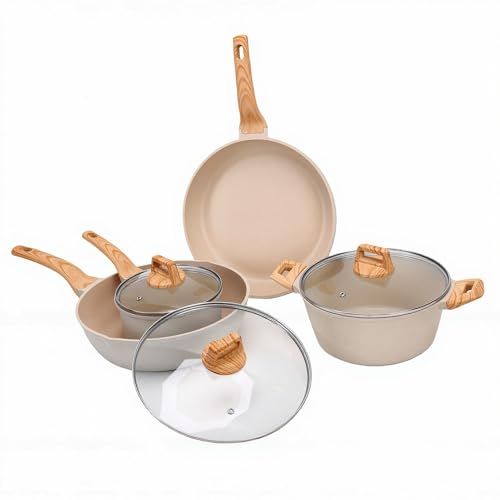
Serounder Non Stick Cookware Efficient Heat Distribution Set for Gas Electric Stove Easy Cleanup for Home Kitchen Cast Aluminum Kitchen Pots and Pans Set
This cast aluminum set emphasizes easy cleanup, complementing the pro tips to soften residue for simple washing.
FAQ
How often should I clean cast aluminum cookware?
Clean cast aluminum cookware after every use. Food residue that dries on the surface bakes into carbon that takes longer to remove. Use warm water and mild dish soap, then dry fully right after rinsing. After cooking something very oily, a quick warm-water soak (5-10 minutes) before washing helps.
Can I use baking soda on cast aluminum?
Yes for bare cast aluminum cookware. Baking soda paste (baking soda mixed with a little water) works well for black burned-on spots and is usually left for 10-20 minutes before gentle scrubbing. For nonstick coatings, baking soda paste can be too abrasive – follow the coating guidance instead.
What if my pan has stubborn burned-on food?
Soak first, then paste. Fill with hot water enough to cover the burned area and soak 20-40 minutes, scrub gently, then apply baking soda paste to the stuck spots for 10-20 minutes. Repeat the soak and paste cycle if needed instead of using steel wool or strong chemical cleaners.
Is vinegar safe for cleaning cast aluminum?
Vinegar works best for small spot tests, mainly for light white cloudiness or mineral residue. Apply diluted vinegar briefly, then rinse immediately with warm water and dry right away. If you see dulling or discoloration, stop and switch back to soap, soaking, and baking soda.
What’s the most common mistake when cleaning cast aluminum?
Using abrasive metal tools or harsh cleaners. Steel wool and scouring powders can pit aluminum, making future cleaning harder and leaving the surface rough. Stick with non-scratch sponges, nylon brushes, and soaking plus baking soda paste for stubborn spots.
In practice, the fastest safe method is cool the pan, wash with warm soapy water, soak 20-40 minutes for stuck residue, then use baking soda paste on the black spots. Do that for the next few uses, and the buildup usually stops before it becomes a full deep-clean job.

- 10 Best Slow Cooker For Easy Meals 2026 (Tested And Reviewed) - October 18, 2026
- 10 Best Slow Cooker For Simple Cooking 2026 (Tested And Reviewed) - October 18, 2026
- 10 Best Slow Cooker For Convenient Cooking 2026 (Tested And Reviewed) - October 18, 2026