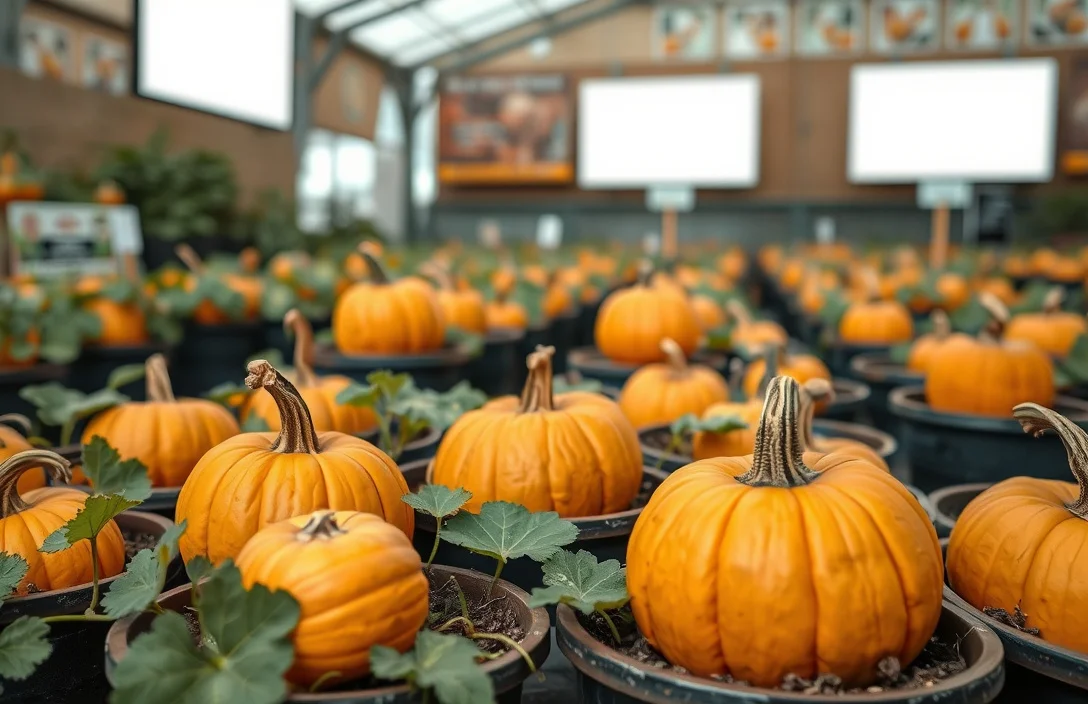
Can Pumpkins Grow In Pots?
Yes, pumpkins can grow in pots, and you can harvest them even in a small yard. The catch is container size and variety choice, because pumpkins are heavy feeders and they need room for roots and vines. This guide gives practical steps for getting plants established in pots, avoiding common failure points, and choosing the right setup for your space.
Pumpkins can grow in pots, but you usually need a large container (often around 20 gallons per plant for most garden varieties) and a compact or bush-type variety. Expect vines to take up space and make sure you can keep soil consistently moist while providing fertilizer. If you can meet those basics, container pumpkins are realistic.
Key Takeaways
- Yes, pumpkins can work. Choose container-friendly varieties like bush types to reduce space stress.
- Use a big pot. Aim for about 20 gallons per plant to support roots and water needs.
- Expect regular feeding. Pumpkin plants are heavy feeders, so plan on consistent fertilizer during growth.
- Pollination is on you. You may need to hand-pollinate if flowers don’t get enough insects.
- Plan for watering. Keep soil evenly moist, and don’t let it dry out for long.
- Give full sun. Most pumpkin varieties need 6 to 8 hours of direct light daily.
Can pumpkins grow in pots?
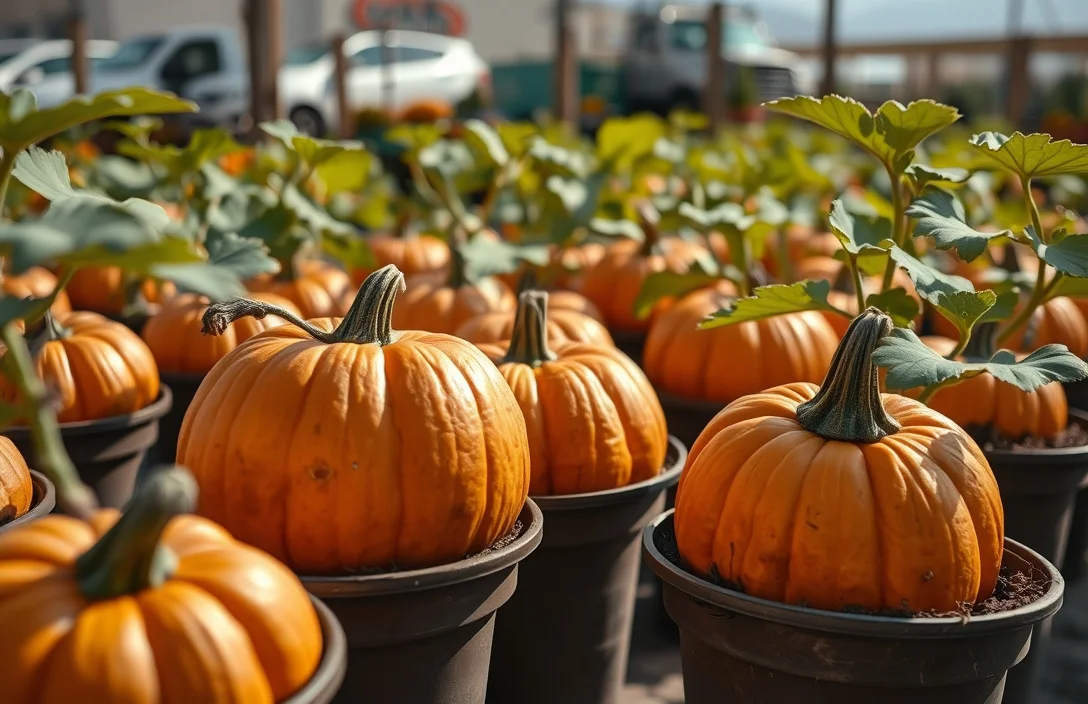
Pumpkins can grow in pots, but they behave less like ornamentals and more like a mini growing field. Their roots spread, their vines run, and they need steady water and nutrients through most of the season.
Your best starting point is a variety bred for smaller gardens or containers. Bush or compact types handle pot limits far better than large “jack-o’-lantern” varieties, which sprawl quickly and can overwhelm both the container and your available space.
Even with the right variety, containers add pressure. Pots dry out faster than ground beds, nutrients wash out after watering, and root restriction slows growth and can shrink fruit.
Things that matter most
Container pumpkins come down to three constraints: container volume, sun exposure, and consistent moisture. Get those right, and the rest becomes normal day-to-day gardening.
Container volume affects how much root mass the plant can build. When the pot is too small, pumpkins often look green at first and then stall, producing smaller fruits or fewer pumpkins.
Light controls how well the plant sets and sizes fruit. Place the pot in partial shade and you can get lush foliage with weak flowering, which is the fast track to “my pumpkins never formed.”
Moisture has to stay steady. Irregular watering can trigger blossom drop and stress the plant during fruit development. If your schedule is packed, build a routine around checking soil, not around guessing.
Tips for can pumpkins grow in pots?
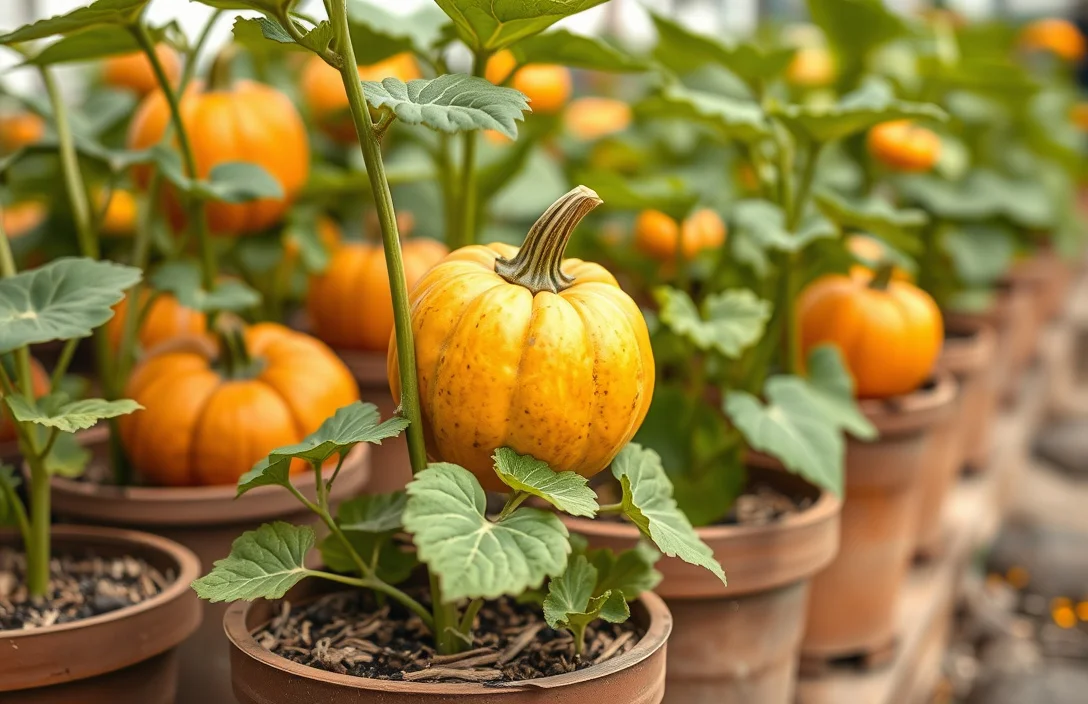
Start with the pot and potting mix, then build a routine around fertilizer and pollination. That’s where container pumpkin attempts most often succeed or fail.
Use a pot with drainage holes and a quality potting mix, not plain garden soil. Garden soil compacts in containers, holds water in odd ways, and can suffocate roots while increasing disease risk.
Treat the season in phases. In the beginning, focus on strong establishment with consistent warmth, moisture, and light. When the vine starts pushing hard and buds show up, increase feeding so the plant has the resources to build flowers and fruit.
Hand-pollination can be the difference between “lots of flowers” and “actual pumpkins.” Transfer pollen from male flowers (often on longer stems) to female flowers (with a small fruit behind the blossom). Do it when you’re seeing flowers but insects seem scarce.
Use these practical steps to keep control of the setup:
- Choose the right variety first. Look for bush or compact pumpkins meant for smaller spaces.
- Use a large pot with drainage. Skip any container without real holes at the bottom.
- Plant one per pot. Multiple plants compete for water and nutrients.
- Feed on a schedule. Increase fertilizer once the plant is actively growing and blooming.
- Water based on soil, not the calendar. Check moisture at the pot level, then water thoroughly when it starts drying.
- Support and manage vines. Train vines along the ground or a trellis-like support to prevent breakage.
Benefits of can pumpkins grow in pots?
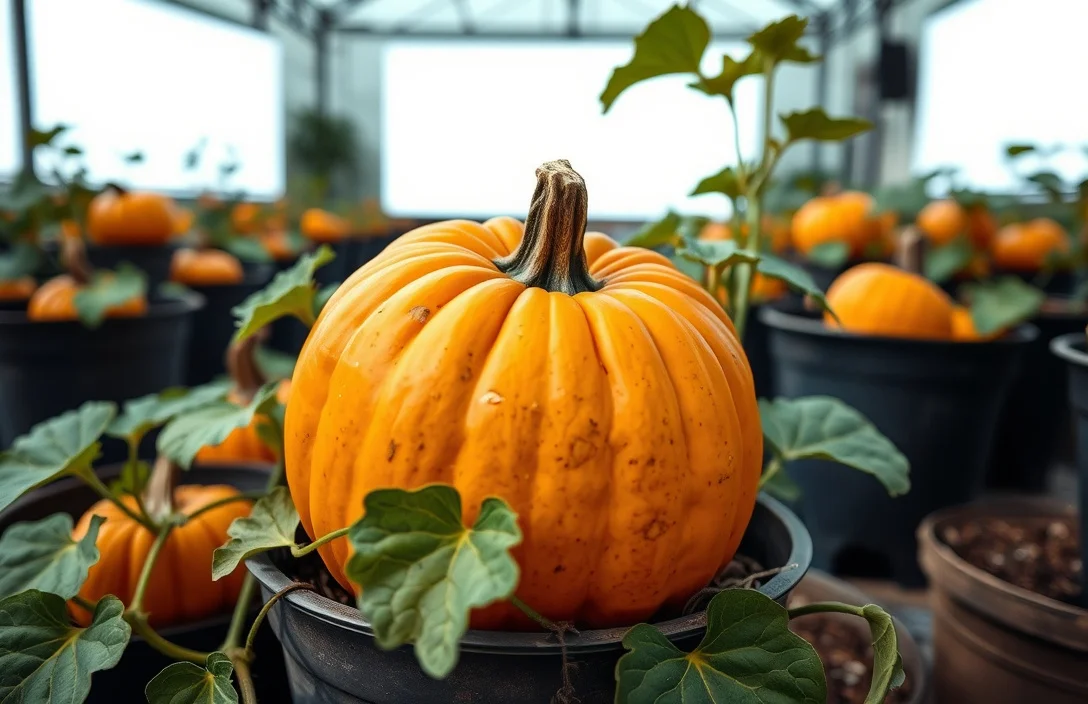
Potted pumpkins give you flexibility that ground planting doesn’t. You can move containers for better sunlight, place them where watering is easy, and control soil quality more precisely.
Containers also make pest and soil issues easier to manage. You’re not fighting compacted ground or the same recurring conditions in the same spot, and it’s easier to spot early problems when everything is concentrated in one container.
Space efficiency is possible, too. With compact varieties and a plan for where the vines go, you can grow pumpkins on patios, in balcony spaces with enough sun, and even in tight suburban yards.
There’s also an advantage for beginners: containers show problems quickly. Wilting, slow growth, and weak flowering stand out faster, so you can adjust watering, feeding, or light before the season slips away.
Options for can pumpkins grow in pots?
Choose based on whether you want “classic pumpkin size” or “a reliable harvest in limited space.” With pots, the second goal is usually more realistic.
Option one is compact or bush varieties in large containers. This is the simplest route for most people because the plant shape fits the space limits.
Option two is training vines to manage space. If your variety isn’t fully bushy, guide growth so vines don’t sprawl into walkways or shade other plants. Training doesn’t change the plant’s root and nutrient needs – it just helps you keep the growing area usable.
Option three is starting indoors and transplanting carefully. In many parts of the U.S., pumpkins benefit from a head start, especially where summers are short. You’ll still need warmth and sun after transplanting, but you’ll give yourself a better chance to catch up before daylight and heat taper off.
Here’s a practical comparison to help you choose:
| Approach | What You Use | Best For | Main Trade-Off |
|---|---|---|---|
| Compact varieties in large pots | Bush/compact pumpkin + big container with drainage | Most people with patios or small yards | Smaller fruits than giant varieties |
| Vine training in pots | Pot + support method (guide vines along ground/structure) | People with limited space but willing to manage growth | More hands-on time, still needs big roots |
| Early-start seedlings | Indoor start + careful transplant | Colder areas with shorter seasons | Transplant stress if done carelessly |
Expert advice on can pumpkins grow in pots?
Treat pumpkins like a long-running project, not a quick seasonal plant. Consistent conditions from day one solve most problems before they start.
Match plant size to container size. If you can only spare a medium pot, choose the most compact type you can find. Want bigger pumpkins? Increase container volume – don’t rely on hope.
Timing matters because pumpkins stall in cool conditions. Wait until soil and nighttime temperatures stay reliably warm before transplanting or sowing.
In containers, soil nutrition and watering are tightly linked. Frequent watering can wash nutrients out, so feeding becomes necessary rather than optional. Underfeeding often looks fine at first and then hits hard when buds and fruit need energy.
Pollination is part of your job, too. If insects are limited and your setup is isolated, flowers can fail to become pumpkins. Check pollination when flowers appear and step in with hand-pollination if needed.
can pumpkins grow in pots?
Example 1: A small backyard patio. A gardener with limited ground space chooses a compact bush pumpkin variety, plants one seedling per large pot, and places the container in full sun. They water when the top layer of soil dries and fertilize more once flowers appear. Hand-pollination during peak bloom helps ensure set, and the final pumpkins stay within manageable vine boundaries.
Example 2: A front porch with strong sun but busy foot traffic. A gardener uses a big pot, keeps the plant trained so vines don’t block walkways, and adds a shallow support system to reduce vine breakage. They check moisture daily because the porch can heat up fast, and they adjust watering during hot spells. By keeping the pot easy to access, they prevent the common problem of letting soil dry out between weekend visits.
Example 3: A short-season region. A gardener starts seeds indoors for an early start, then transplants only when conditions are reliably warm. They use a potting mix that drains well and place the plant where it gets uninterrupted daylight. Once blossoms arrive, they pollinate early in the day and keep feeding so fruit development doesn’t stall.
FAQ
Can pumpkins grow in pots on a patio?
Yes, if the patio gets enough sun and you use a container with good drainage. Most pumpkin plants need strong light, roughly 6 to 8 hours of direct sun daily, and they do much better with a large pot. Choose a compact or bush variety, and plan for frequent watering because patio containers dry faster.
What size pot do pumpkins need?
A common rule of thumb is about 20 gallons per plant for many garden pumpkin varieties, but you can go smaller only if you choose a genuinely compact type. The pot must have drainage holes, since pumpkins don’t tolerate waterlogged roots. If your pot is small, expect smaller yields even with perfect care.
How long do potted pumpkins take to harvest?
Pumpkins typically take most of the warm growing season to reach harvest size. If you start from seedlings after the weather warms, you may still need several months, depending on your variety and local temperatures. The safest approach is to follow the “days to maturity” listed for your specific pumpkin cultivar.
Do potted pumpkins need fertilizer?
Yes, pumpkins are heavy feeders, and containers run low on nutrients more quickly than garden beds. Use a fertilizer routine that increases as the plant transitions from vine growth to flowering and fruit set. If you skip feeding, you may get lots of leaves but fewer or smaller pumpkins.
What’s the most common mistake when growing pumpkins in pots?
Letting the soil dry out or watering inconsistently is the most common failure point. Dry spells stress the plant, and irregular moisture can reduce flowering, cause blossom drop, and stall fruit growth. Check soil moisture regularly at pot level, then water thoroughly so the root zone actually gets soaked.
A container pumpkin harvest is realistic if you commit to three things: full sun, a pot big enough for the variety, and steady watering plus feeding. If you want the easiest path, pick a compact/bush pumpkin, plant one per pot, and keep a daily moisture check during flowering.

- 10 Best Slow Cooker For Slow Cooking Oxtail 2026 (Tested And Reviewed) - October 16, 2026
- 10 Best Slow Cooker For Slow Cooking Venison 2026 (Tested And Reviewed) - October 16, 2026
- 10 Best Slow Cooker For Slow Cooking Turkey 2026 (Tested And Reviewed) - October 16, 2026