Is Gatorade Good For Pots?
Pots get thirsty for a reason – containers dry out fast, especially in heat and wind. Gatorade technically adds water plus electrolytes, but it also adds sugar and calories. If you’re asking whether it helps plants the way it helps athletes, the answer is mixed: it can look helpful for a brief dehydration fix, but it’s usually the wrong routine.
Gatorade usually isn’t a good go-to for potted plants because it delivers sugar and extra calories, not just water and electrolytes. A 12 oz serving can have 50-186 calories depending on the drink category, while water has 0. For pots, plain water or a properly planned fertilizer routine typically does the job better.
Key Takeaways
- Gatorade is sugary water. It has electrolytes plus added sugar, and most potted plants don’t need that sugar load.
- Use it only once, not often. A tiny, short experiment carries less risk than making it a habit.
- Watch for salts buildup. Repeated use can leave residues and shift soil chemistry.
- Skip if you grow sensitive plants. Succulents and herbs often don’t tolerate extra salts well.
- Choose better alternatives. Plain water plus fertilizer gives you cleaner, controllable nutrition.
- Spot stress early. Yellow leaves, crusty soil, and slow growth are stop signs.
Is gatorade good for pots?
Gatorade is made to help people rehydrate and replace electrolytes during exercise. Pots are a different situation: soil chemistry changes quickly in containers, and “electrolytes” from a drink aren’t the same thing as plant nutrition.
The practical problem is the sugar and calories. Those don’t act like fertilizer nutrients that plants use to build leaves, stems, and roots. Many forms of medical guidance on Gatorade point out that it’s electrolytes mixed with high sugar – exactly the ingredient you generally don’t want in potting soil.
There’s also a container effect. As water evaporates from a pot, any dissolved salts can concentrate and leave residue on the soil surface and sometimes on the pot itself. Over time, that residue can make it harder for roots to take up water reliably, even if you’re watering regularly.
Bottom line: Gatorade isn’t a plant-care product. If you use it at all, treat it like an emergency, not a dependable routine.
Things that matter most
The real issue isn’t whether plants can absorb some minerals – it’s that Gatorade doesn’t provide the nutrient balance plants need, and it adds sugar instead.
Electrolytes are just salts in water. Plants do need minerals, but fertilizer is how you control type, ratio, and dose. Gatorade is a pre-mixed drink with a fixed formula, and the sugar makes it hard to justify as anything other than a risky shortcut.
Also look at the watering system itself. Pots dry out faster and depend heavily on drainage and soil mix. Many “not enough nutrients” problems turn out to be light levels, watering schedule, pot size, or soil structure issues. Before you try any drink, fix the basics: enough sun, a fast-draining potting mix, and a watering rhythm that matches the plant and season.
If you want one clear rule: if you wouldn’t water a pot regularly with soda, don’t treat Gatorade as a nutrient solution. Water with 0 calories is the safest baseline. Add nutrients with fertilizer, not sports drinks.
Tips on is gatorade good for pots?
If you still want to test Gatorade on a potted plant, keep it low-risk and tightly controlled. Use one plant, one pot, and a small amount. Then watch for changes over 1 to 2 weeks, because stress can show up after the soil chemistry shifts.
Dilution matters. If you mix anything sugary into potting soil, keep the concentration low and avoid repeated applications. The goal is to prevent sugar and salts from accumulating.
Use it for what it can realistically do: temporary dehydration support while you correct the real cause. If the plant is drooping because the soil is dry, water with plain water until the pot drains freely. Then adjust watering timing and soil moisture retention.
Check drainage while you’re at it. If water doesn’t run out the bottom, anything you add stays in the root zone longer. That makes residue buildup more likely and increases the chance of yellowing or stunted growth.
Finally, inspect the soil surface. Crusting or a sticky film means stop. Crust usually signals salts concentrating as water evaporates inside the container.
Benefits of is gatorade good for pots?
The only direct “benefit” is that Gatorade is liquid water with dissolved salts, so it can temporarily help if the plant is wilting from short-term dryness. The plant still receives water.
It also contains small amounts of minerals that overlap with what plants use. The overlap is the key word: the mineral mix in a sports drink isn’t tuned for pot-grown nutrition, so any improvement is accidental rather than intentional.
There’s a stronger benefit in the decision-making itself. If you’re trying to replace fertilizer with something easy to buy, Gatorade can feel like a hack. The grounded takeaway is that easy solutions are often the wrong ones for containers. Plain water plus fertilizer you control usually produces better growth and fewer side effects.
If you experiment, keep it time-limited. Think of it as a quick hydration substitute while you fix light, watering, and soil moisture, not a nutrients upgrade.
In plain terms: Gatorade might help a plant survive a short dehydration episode, but it’s not a better way to grow than plain water plus appropriate plant food.
Options on is gatorade good for pots?
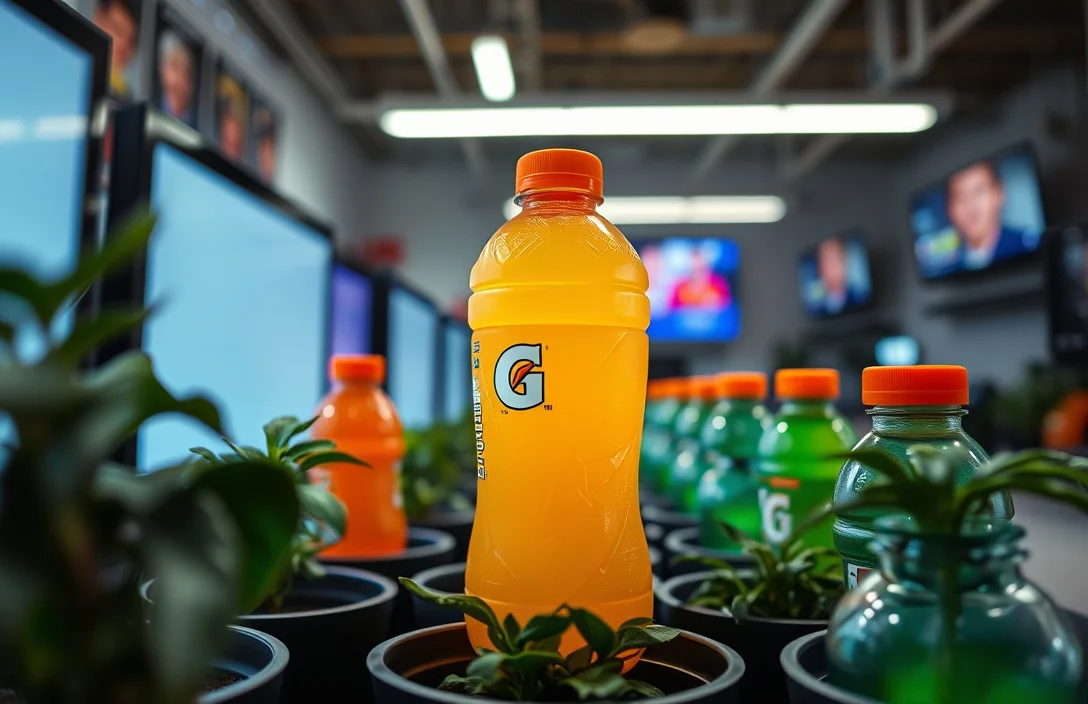
Better options deliver the same “minerals” idea without sugar or unpredictable dosing, and they reduce the risk of salts building up in containers.
Table: Better drink-like alternatives for potted plants
| Option | What it adds | Best for | Avoid when |
|---|---|---|---|
| Plain water | Water only (0 calories) | Most watering needs | None, as long as drainage works |
| Diluted balanced liquid fertilizer | Nitrogen, phosphorus, potassium (NPK) + micronutrients | Active growth in containers | Using it on stressed/dormant plants |
| Water + slow-release fertilizer (in soil) | Gradual nutrient supply | Beginner-friendly container feeding | Over-fertilizing already-rich potting mixes |
| Compost tea (light dilution) | Organic nutrients, microbes (varies) | Some gardeners for feeding | If you want precise dosing |
| Electrolyte-free plant nutrient solution | Plant-formulated minerals | Consistent container nutrition | If you can’t follow label directions |
If you’re trying to “replace electrolytes,” use a plant fertilizer that lists what it contains. That gives you predictable nitrogen and micronutrients designed for root uptake.
If your goal is just a better watering workflow, switch to a potting mix with improved moisture retention or move up to a larger pot. Those changes often fix drooping faster than any additive.
If you share your plant type (herbs, houseplants, tomatoes, succulents) and pot size, you’ll get a cleaner routine.
Expert advice on is gatorade good for pots?
Treat container nutrition like nutrition, not like a sports drink. Plants need a steady nutrient profile delivered in a controlled way, not sugar-based calories that complicate soil chemistry in a pot.
Start with the basics: correct light, a breathable potting mix, and watering until runoff. Many container failures come from bad water and oxygen exchange, not from a lack of electrolytes.
Feed with fertilizer designed for the plant category you’re growing. For potted vegetables, follow edible-plant fertilizer guidance and use it at labeled rates. For houseplants, choose a balanced indoor formula and reduce frequency during low-light seasons.
If you run any Gatorade experiments, treat them as tests – not practice. Use 1 or 2 light applications in a very diluted form, then stop if you see crusting, odor, or leaf changes.
The most “expert” rule is straightforward: buy plant food for minerals, use water for hydration. Mixing those goals with a sports drink usually creates more problems than it solves.
Examples on is gatorade good for pots?
Example 1: a potted tomato wilts during a hot week. If the soil is bone-dry, the fix is plain water until it drains, then mulch the surface or improve moisture retention. Gatorade may hydrate briefly, but tomatoes need consistent water plus nutrients – not sugar water.
Example 2: a small herb pot on a sunny windowsill that dries every day. The better move is adjusting watering frequency, moving the pot to slightly brighter or more sheltered conditions, and using a mild liquid fertilizer during active growth. Gatorade won’t provide the right NPK ratio, and it can leave residues as the container dries.
Example 3: a houseplant owner tries Gatorade once after running out of plant fertilizer. The plant may not show an immediate benefit, but the soil surface can start to look crusty after drying cycles. That’s a cue salts are building up – switch back to water and proper plant food.
Example 4: panic-fertilizing after a long dry spell. Gatorade feels like a shortcut, but the reliable approach is to rehydrate evenly, then feed lightly based on growth stage. You’ll get more predictable results and fewer soil chemistry problems.
FAQ
Is Gatorade good for potted plants?
Usually, no. Gatorade is formulated for human rehydration during exercise and includes sugar plus electrolytes. Pots do best with plain water and properly dosed fertilizer because container soil chemistry can shift as salts and sugars concentrate.
How much Gatorade should I use on a pot?
If you’re testing it at all, use a very small amount and dilute heavily, then stop. Repeated use is where residues and salt buildup become likely. Plain water remains the safer default for routine watering.
Can Gatorade harm plants in containers?
It can, especially with repeated use. Sugar and dissolved salts can accumulate in potting mix as water evaporates, leading to crusty soil and root stress. If you notice leaf yellowing or slow growth, stop and flush with plain water.
What’s the best alternative to Gatorade for container plants?
Use plain water for watering and a labeled liquid fertilizer (or slow-release fertilizer) for nutrients. That provides controllable nitrogen, phosphorus, potassium, and micronutrients without sugar. If you want “electrolytes,” choose plant-formulated mineral solutions instead.
What’s a common mistake people make with Gatorade for plants?
Treating it like fertilizer and using it regularly. Gatorade is a beverage with sugar, and it doesn’t match plant nutrient needs. If you want to feed, use fertilizer at the recommended rate – not a sports drink.

- 10 Best Slow Cooker For Mess Free Cooking 2026 (Tested And Reviewed) - October 24, 2026
- 10 Best Slow Cooker With Leak Resistant Lid 2026 (Tested And Reviewed) - October 24, 2026
- 10 Best Slow Cooker With Spill Proof Design 2026 (Tested And Reviewed) - October 24, 2026