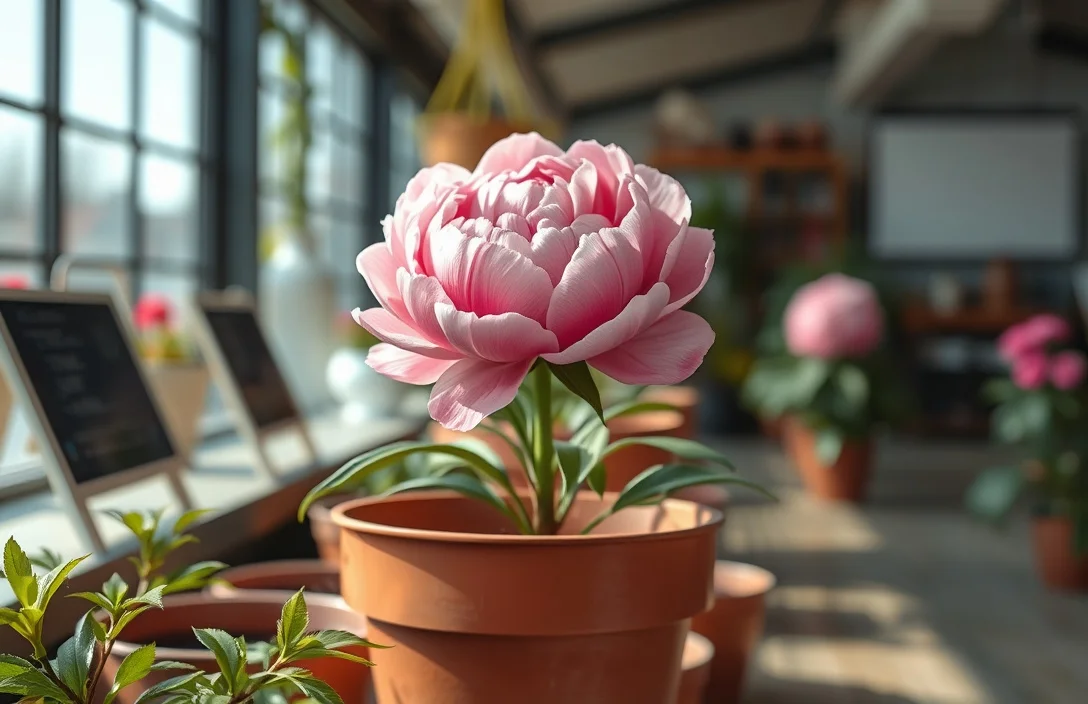
Can Peony Be Planted In Pots?
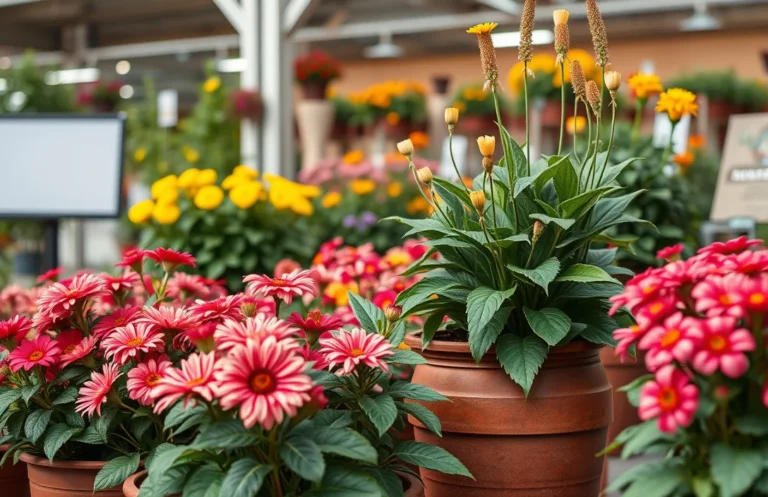
Yes, peony can be planted in pots, but it works best when you treat it as a long-term plant, not a patio seasonal. Peony roots want room, and the plant needs a real cold period to perform well. Use the right pot setup, plan for winter chilling, and pick cultivars that handle container life in the United States.
Key Takeaways
- Yes, with the right pot. Use a wide container (commonly 18-24 inches) so the roots can develop properly.
- Drainage is non-negotiable. Use a container with drainage holes, and avoid waterlogged soil.
- Sun matters. Aim for 6+ hours of direct light for best flowering.
- Cold is part of the deal. Peonies generally need winter chilling to bloom reliably.
- Choose the right type. Herbaceous peonies can work in pots, while tree peonies are trickier.
- Expect patience. Container peonies often flower less quickly than in-ground plants.
Can peony be planted in pots?
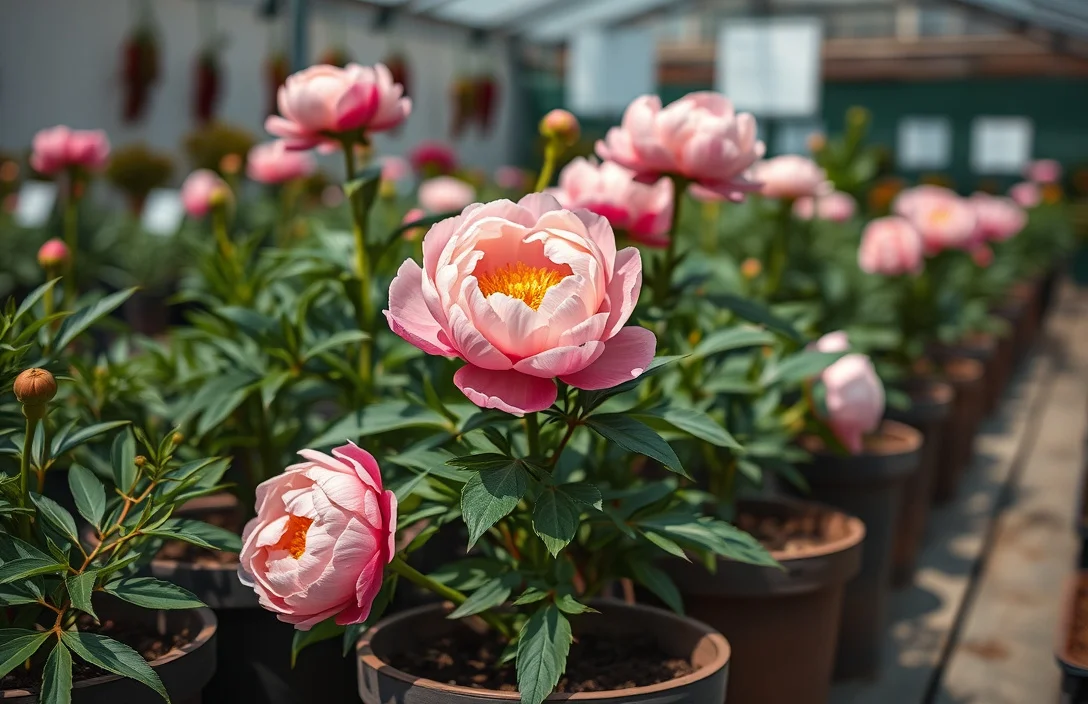
A peony in a pot can thrive, but root space is the limiting factor. Peony roots are thick and long-lived, and container restrictions can slow growth and reduce blooms. A pot that’s too small can leave you with a plant that looks healthy while struggling to flower.
Winter is the second hurdle. Peonies need a true cold period to set up flowering, and pots can freeze and thaw more dramatically than ground soil. That’s why winter protection matters in containers, whether you mulch, wrap, or move the pot to a sheltered spot to keep the root zone stable.
Things that matter most
Start with container size because it sets your maintenance needs for years. A practical rule is to choose a pot wide enough for the root mass to spread, not just deep enough to “fit.” A wider pot also helps you stabilize moisture and temperature.
Then match the potting mix and light. Peonies do best in full sun (often 6+ hours) and a rich but well-draining potting mix. If the mix stays wet, peony roots can rot. Over-fertilizing can also backfire by pushing leafy growth at the expense of flowers.
Tips for peony in pots
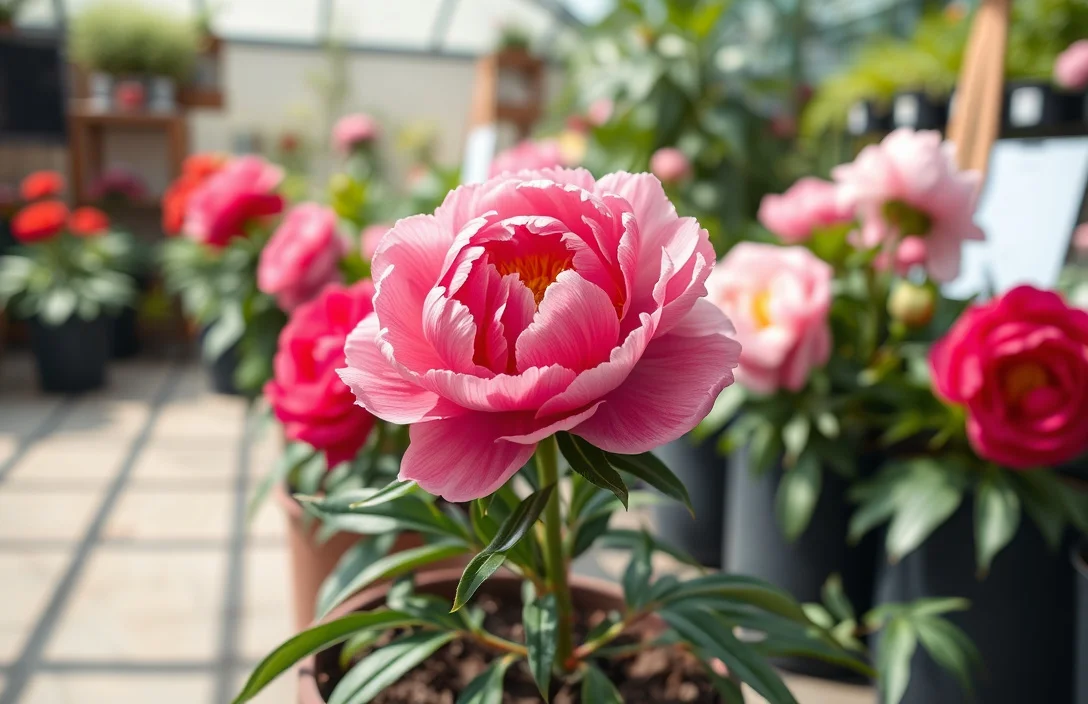
Use a container that drains fast and doesn’t trap water. Choose a pot with multiple drainage holes and fill it with container-grade potting mix, not straight garden soil. If your garden pots have had fungus gnats or constantly damp soil, treat that as a warning sign for peony.
Potting depth and spacing matter. Don’t jam multiple peony divisions into one pot, and don’t bury the plant too deep. Peonies can be sensitive to planting depth in the first year, so set the roots at the correct level (use the planting label or match how it was positioned in the nursery).
Watering is where container peonies most often fail. Water thoroughly when the top layer starts to dry, but don’t leave the mix constantly wet. Hot weather can dry containers quickly, so use a consistent schedule rather than random deep soak-and-wait cycles.
Winter protection is the last big lever. Move the pot to a protected area (like near a building) or insulate it so the root zone avoids repeated freeze-thaw cycles. If winter wind is a problem, wrap the pot or add a barrier to reduce extreme temperature swings.
Benefits of peony in pots
Flexibility is the main win. Pots let you place peonies where they get the right sun, and you can adjust if a spot turns out too shady or too windy.
Containers also give you better control over soil conditions. In heavy clay or places with poor drainage, a pot lets you use a high-quality, well-draining potting mix instead of fighting the native ground. If you’ve had trouble keeping other perennials alive in soggy spots, that control is real value.
There’s also a practical “test” benefit. If you don’t want to commit to a permanent peony bed yet, a pot helps you evaluate growing conditions on your property. Even then, keep expectations realistic: container peonies should be treated as long-term plants.
Options for peony in pots
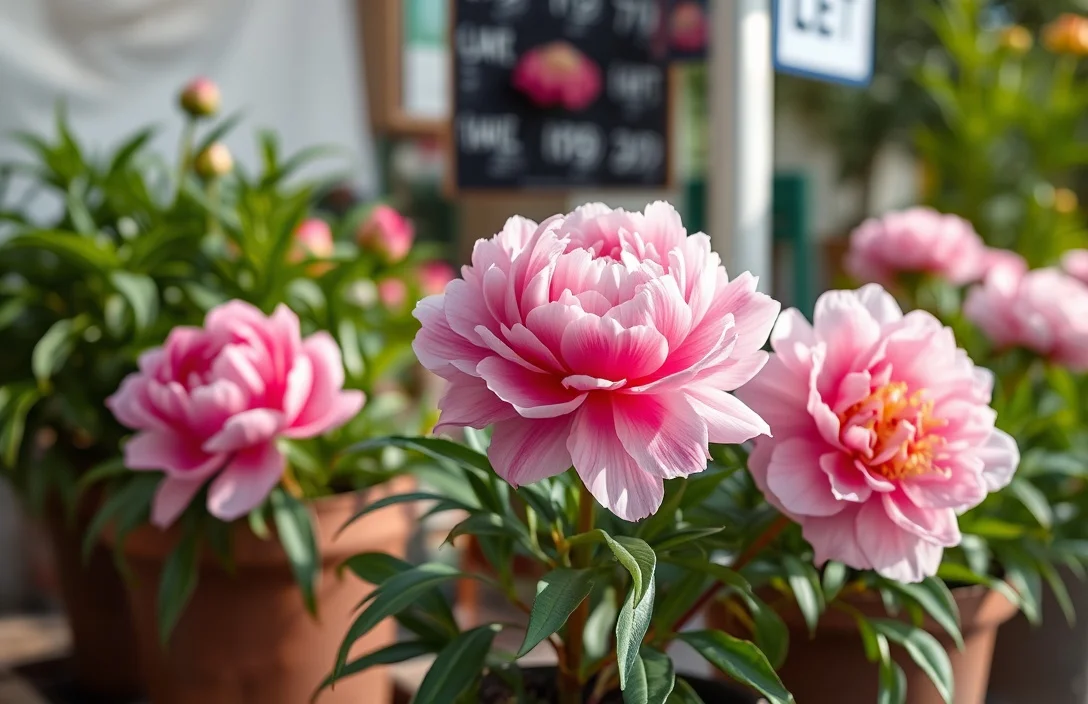
Two container approaches work best, depending on whether you want mobility or maximum flowering potential.
First, keep a single peony division in a large pot for years. This is the most reliable route to flowering because it avoids frequent root disturbance and prevents the plant from constantly running into root-space limits. It’s also easier to manage watering consistency when you’re not repeatedly changing containers.
Second, pot a peony temporarily in a smaller container while it establishes, then upsize later. This can work, but it raises the odds of delayed blooming because the plant may spend extra time recovering from being root-limited. If you do this, plan to repot carefully into a larger container once the roots fill in.

Helpful pick
Briful Faux Peony Flowers in Blue and White Ceramic Pot – 13.8″ Realistic Silk Peonies Artificial Peony Floral Arrangement Fake Potted Peony Flowers for Home Office Room Desk Shelf Decoration(Pink)
Provides a ready-made pot display while you experiment with real peony container setups.
Expert advice for peony in pots
Plan for the pot to be the “home” for a long time. Peonies don’t like frequent repotting, and every move can delay flowering. Pick a pot size you can stick with across multiple seasons, then focus on light, drainage, and winter stability.
For the highest chance of flowers, prioritize cultivar fit and placement. Choose peony types that naturally stay more compact for their category. Don’t assume every peony will act like a dwarf ornamental in a small planter. Container peonies tend to look and flower best when grown as stable, patient perennials.
Adjust your timeline too. Container plants often take longer to mature than in-ground plants, partly because root space and temperature swings behave differently in pots. If you’re fine with bigger foliage first and blooms later, you’ll get better results.
Examples: peony in pots
Example 1: A sunny patio corner with 6-8 hours of direct sun. Plant an herbaceous peony division in a wide pot with drainage holes, water deeply when the top layer dries, and mulch around the pot to buffer temperature swings. In year one, you may get strong growth, with flowers depending on the plant’s maturity and how well the roots were set up.
Example 2: A backyard with heavy clay soil and frequent puddling after rain. Skip the fight with the ground. Use a container filled with quality potting mix and keep the plant on the patio or near a raised area. This avoids waterlogged native soil, which is exactly the kind of condition that can cause peony root problems.
Example 3: An apartment terrace where you can’t leave plants exposed to extreme winds. Use winter protection by moving the pot to a sheltered spot near the building and insulating the container to smooth out freeze-thaw cycles. The goal isn’t perfect protection from every freeze, it’s preventing repeated stress in the root zone.
FAQ
Can peony be planted in pots long-term?
Yes, but long-term success depends on pot size, drainage, and winter protection. Use a wide container (commonly around 18-24 inches), potting mix that drains well, and a location that gets enough winter chilling. Container peonies typically grow slower than in-ground plants.
What size pot is best for peonies in the United States?
The limiting factor is almost always width. Many growers use pots around 18-24 inches wide because peonies need room to spread. In a smaller pot, expect slower growth and possibly fewer flowers, plus faster drying and overheating, which means you’ll need to water more carefully.
Do container peonies need winter protection?
Yes, most container peonies benefit from winter protection because pots freeze and thaw more aggressively than garden soil. The goal is to stabilize the root zone and reduce repeated temperature swings. Shelter the pot near a wall, mulch it, or wrap it with insulating material, especially if you’re in windy freeze-thaw conditions.
How long does it take for potted peonies to bloom?
Container peonies often bloom later than in-ground plants, especially if the plant was recently moved or started in a smaller pot. Some peonies bloom within a season once established, while others take one or more years to build a strong root system in the new container. If you get leaves but no blooms, check pot size and sunlight first.
What’s the most common mistake when growing peonies in pots?
Using a pot that’s too small and keeping the soil too wet. Cramped roots struggle to mature and flower, and constantly damp mix raises the risk of root problems. Start with a wide pot with real drainage holes, use container-grade potting mix, and water only when the top portion begins to dry.
If you’re deciding today, pick a wide pot with drainage holes, use quality potting mix, and plan for winter protection. Then choose your peony type, place the pot where you can reliably provide 6+ hours of sun, and set up a consistent watering routine before the first hot days.

- 10 Best Slow Cooker For Slow Cooking Legumes 2026 (Tested And Reviewed) - October 17, 2026
- 10 Best Slow Cooker For Slow Cooking Oxtail 2026 (Tested And Reviewed) - October 16, 2026
- 10 Best Slow Cooker For Slow Cooking Venison 2026 (Tested And Reviewed) - October 16, 2026