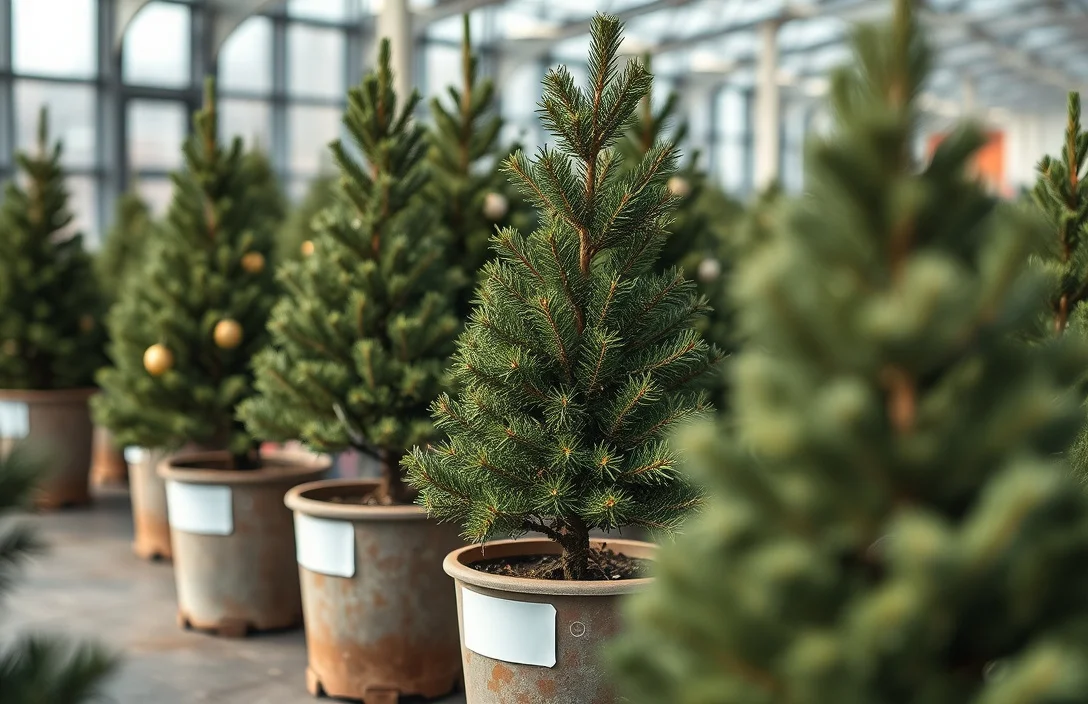
Christmas Trees Grown In Pots: 3 Tips Worth Trying
Christmas trees grown in pots can stay fresh through the holidays, but only if you treat them like living plants, not cut trees. In the U.S., the biggest success factors are keeping roots from drying out, giving indoor light that mimics outdoors, and planning your next step before Christmas ends. This guide walks you through choosing a healthy potted tree, keeping it alive indoors, and moving it outdoors safely.
Potted Christmas trees can last beyond the holiday if the root ball never dries out and the tree gets enough light indoors. Keep moisture steady, don’t let the pot sit in standing water, and aim for cooler indoor temperatures instead of heat. If you can’t provide bright light and cool temps, expect needle drop and a higher chance the tree won’t recover outdoors.
Key Takeaways
- Start with a healthy root ball. Look for a pot with intact soil, not a loose, crumbly mass or exposed roots.
- Pot size matters a lot. Smaller pots dry faster, so they need more careful watering.
- Drainage is non-negotiable. Choose a setup where excess water can leave the pot.
- Indoor success is about conditions. Cool temps, bright light, and steady watering beat warm, dim rooms.
- Transition slowly outdoors. Harden off for about a week to reduce shock after Christmas.
- Plan to plant soon. A potted tree does best when it goes back to outdoor ground or a larger container.
Christmas Trees Grown In Pots for Holiday Style
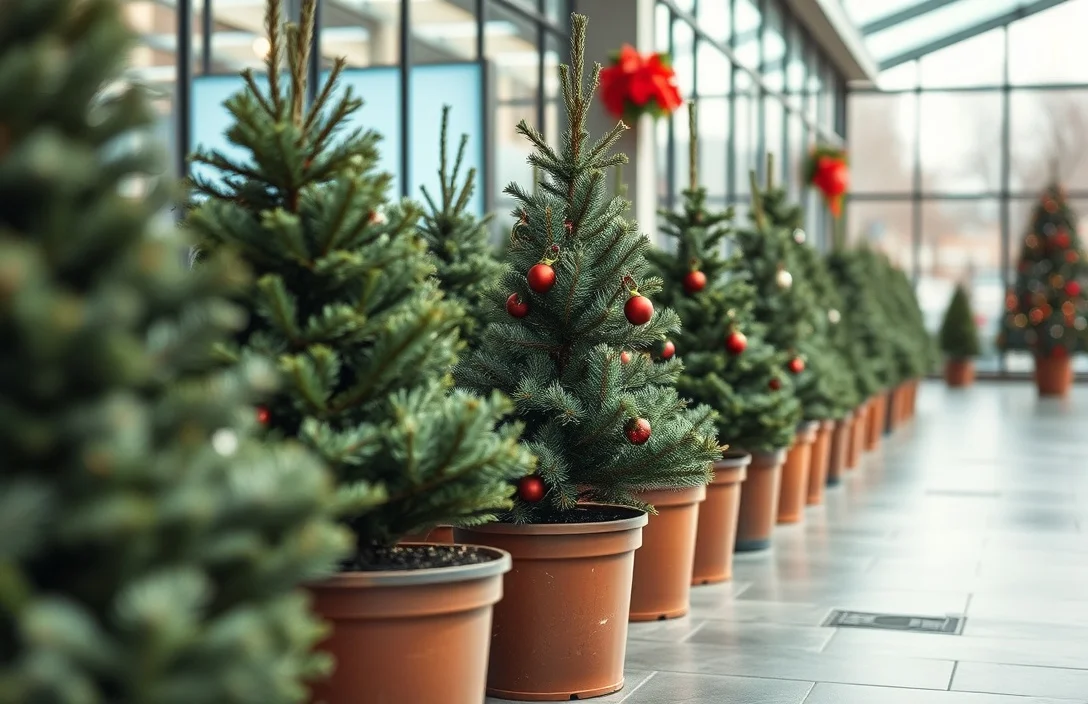
A Christmas tree grown in a pot is still a living conifer with roots that need water, oxygen, and light – it will not behave like a cut tree. Place a potted tree in a warm living room with low light and skip watering, and needle drop becomes the default outcome, even if the tree looks fine on day one.
The upside is that a healthy potted tree can be reused year after year. The catch is that “reused” depends on species, your care, and whether you can move it outdoors once winter weather allows. The real work happens in two windows: indoor conditions during the holiday and recovery after Christmas.
Treat the pot like part of the tree, not packaging. Start with drainage – water should flow through the pot and drain away. If the pot sits inside a decorative sleeve or tray, empty the tray after watering so the roots aren’t sitting in water.
How Pot Size Affects Root Health
Pot size controls how fast the root ball dries and how stable moisture stays, which directly affects needle retention. A tree in a small container can look “okay” for a few days, then start shedding needles once the root ball dries even a little too far.
Small pots also react faster to indoor swings. Heater air, a sunny window warming the pot, and even how close the tree sits to a vent can accelerate evaporation. Bigger root volumes buffer those changes, giving you more margin for normal life, late-night checks, and weekends.
When shopping, don’t focus only on the tree height. Ask for the pot diameter, or compare pots among similar-sized trees. As a rule of thumb, choose the largest pot you can comfortably manage and still place where you’ll keep it indoors.
You can also “read” root-zone moisture by weight. Lift the pot gently and notice how heavy it is before and after watering. If it feels light quickly after watering, the root ball is drying faster than your routine can handle.

Helpful pick
Haute Decor 4 Foot Tall Pre-lit Carolina Potted Christmas Tree for Front Porch with 80 Soft White LED Lights on Auto Timer, Berries, Real Pinecones and Sturdy Planter – Small Potted Christmas Tree
Choosing this compact potted tree helps illustrate how smaller pots can dry the root ball quickly.
Best Soil Mix and Drainage for Potted Trees
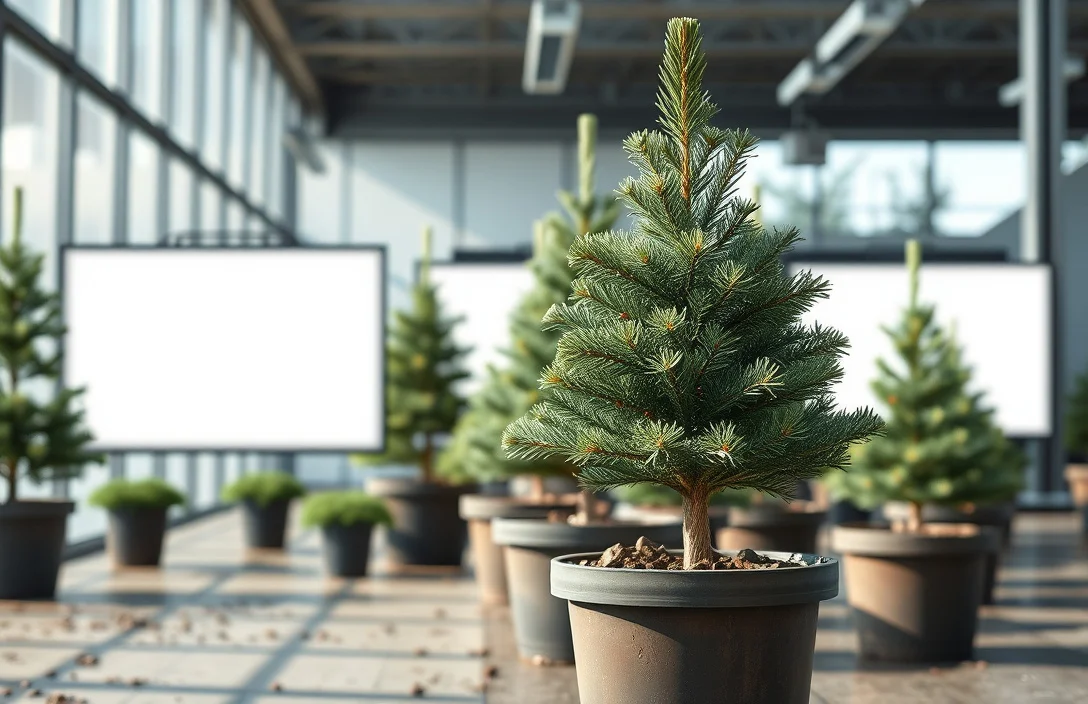
Potting medium needs to do two things at once: hold enough moisture to hydrate roots and drain enough to keep oxygen available. Garden soil is usually too dense for long-term container life indoors. It can compact, slow water movement, and increase the risk of soggy roots.
In most successful setups, use a mix that stays airy. Choose a container-friendly potting mix instead of backyard dirt. Skip blends that form a hard crust on top. Crusting slows water penetration and can leave the lower root zone drier than the surface suggests.
Drainage is where many beginners get stuck. If the pot has no drainage holes, or if excess water can’t escape, roots can suffocate. Yellowing, decline, and stubborn needle drop often follow. Even if the tree looks fine for a week, constant sogginess becomes a slow problem.
If your tree came with a nursery pot inside a decorative cover, water so excess water can drain freely. Then empty any catch tray after 10-20 minutes so you aren’t storing water under the pot.
A simple check after watering: the soil should look evenly moistened, not swampy. If water runs straight through without wetting the root ball, either the mix is too hydrophobic or the tree may be rootbound. Those situations need careful technique, not just “more water.”
When and How to Move a Potted Tree Indoors
Move the tree indoors only when you can keep it cool and give it bright light. Bring it in too early and keep it warm, and the tree starts pushing growth – then it has to reset when you move it back outdoors. That cycle increases stress and makes recovery harder.
For most households, the best timing is late enough that you aren’t forcing the tree to live indoors through the coldest stretch. The earlier you bring it in, the more you have to compensate with strong light, consistent watering, and tight temperature control – and most people can’t.
When you do move it indoors, acclimate in stages if possible. Start it in a sheltered, bright spot such as a porch or a cool entry for a day or two. That reduces shock from the jump between outdoor cold and indoor warmth.
Watch drafts and heat sources. Keep the tree away from fireplaces, heat vents, and direct HVAC blasts. One week of forced heat can dry the pot faster than you expect because warm air pulls moisture out quickly.
Water right before or right after bringing it inside, then stick to your new routine. The move changes how fast the pot dries, so check the root ball during the first several days and adjust from there.
Watering Schedule to Prevent Needle Drop
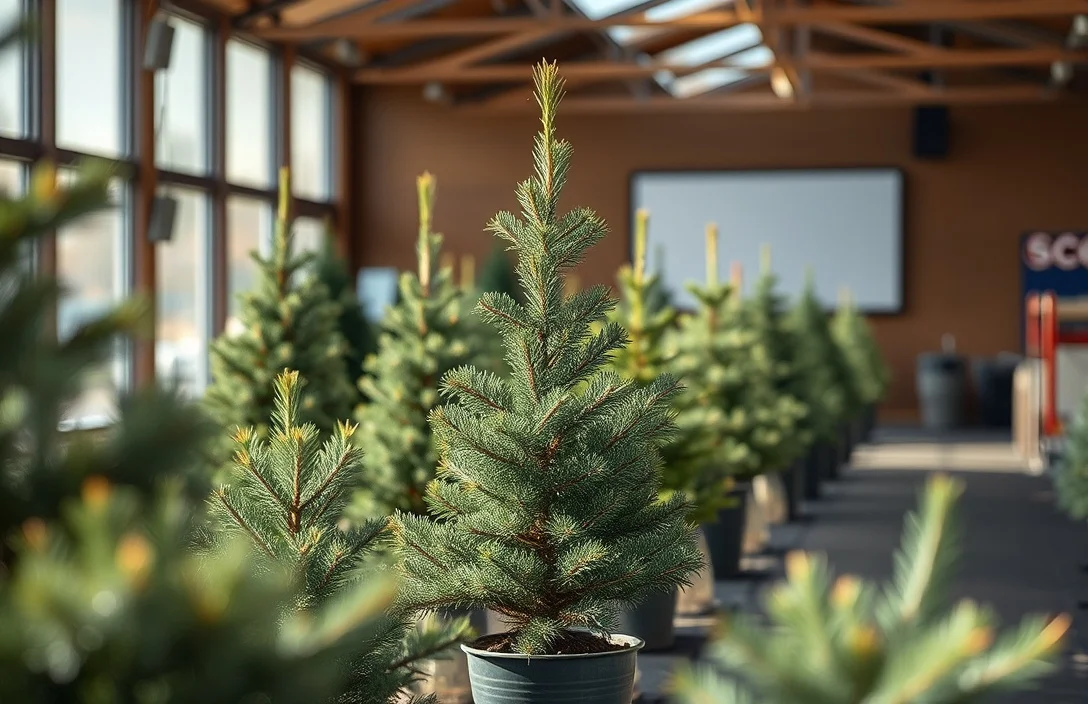
Preventing needle drop means preventing a drying cycle. Conifers in containers often show stress after the root ball gets too dry, and once needles start dropping, it’s difficult to reverse.
There’s no perfect “every X days” schedule because pot size, indoor temperature, and light level vary. Use a moisture check instead. Poke a finger a couple inches into the top of the potting medium. If it feels dry at that depth, water thoroughly.
Water thoroughly every time. Water slowly until excess water runs out of the drainage holes, then let it drain completely. That approach wets the whole root ball instead of just the surface.
If the tree sits near a sunny window or a heater, you may need to water more often than you expect. Small pots can require checking daily during sunny weather. Larger pots usually need less frequent checks, but they still need monitoring.
Avoid a second common mistake: watering a little and stopping. Surface “sips” can leave the center of the root ball dry while the top looks damp. That mismatch can trigger needle drop even when you technically watered.
Humidity, Light, and Temperature Control Indoors
Indoor temperature is one of the biggest levers you control without special equipment. A cool room slows stress. A warm, dry living space speeds evaporation and dries the root zone faster.
Light matters because it keeps the tree from running low on energy. Dim interiors reduce photosynthesis, and a stressed conifer often sheds needles to conserve energy. Put the tree where it gets the brightest natural light you have. A sunny window beats a corner every time.
Humidity helps only after the basics are covered. If the air is very dry and the pot dries too fast, consider a humidifier in the room rather than daily misting. Misting doesn’t fix root drying, and frequent misting is usually more hassle than benefit.
Airflow matters too. Stagnant warm air near the tree increases drying stress, but you also don’t want constant blasts from a vent. Aim for “steady comfort,” not direct drafts.
A reliable indoor setup comes down to four things: bright light, cooler temperature, watering based on root-zone moisture, and no standing water under the pot. Nail those and you give the tree the best chance to look good through the holiday.

Helpful pick
Best Choice Products Prelit Potted Pencil Christmas Tree, 6Ft Realistic Artificial Lighted Holiday Décor, 250 Twinkling LEDs for Home, Porch
This lit, potted tree visually reinforces the section’s emphasis on light control indoors.
Hardening Off and Planting Outdoors After Christmas
After Christmas, the goal is a smooth transition back to outdoor conditions without shocking the tree. Skip the adjustment period and go straight from a warm indoor room to outdoor weather, and many trees respond with extra needle drop or decline.
Harden off by gradually increasing outdoor exposure over several days. Start by moving the tree outdoors to a sheltered spot with partial protection from wind and harsh sun. Each day, give it a bit more time outside, and when conditions are safe, a little more direct exposure.
Timing depends on your local weather. Avoid freezing conditions that are extreme for your area right after you move the tree out. If you’re unsure, check forecasts and choose milder days with calmer winds.
When it’s time to plant, pick a location that drains well and gets the sun your tree needs. Dig a hole that fits the root ball without compressing it, and don’t bury the trunk deeper than it was in the pot. Water after planting, then monitor moisture over the following weeks.
If you can’t plant immediately, keep the tree outdoors in a sheltered spot and water as needed. A container that stays too dry still causes trouble, but planting is usually the better long-term option because ground soil holds moisture more steadily.
A practical benchmark: after planting, the root ball should stay consistently moist but not soggy. If it dries out quickly, the tree will likely need closer attention during the first months outdoors.

Helpful pick
VIVATREES 4FT Artificial Cedar Topiary Trees with Rustic Barrel Planter, Outdoor Indoor Realistic Faux Pine Shrubs Plants, Fake Cypress Trees for Home Offices Porch Decor, Set of 2
Provides a sturdy, attractive outdoor-friendly option that transitions smoothly from indoor to outdoor seasonal display.
FAQ
What’s the easiest way to keep a potted Christmas tree alive indoors?
Keep the root ball moist and prevent standing water under the pot. Place the tree in the brightest spot you have and keep the room as cool as you can. Don’t rely on a fixed calendar. Check moisture in the top couple inches of the potting medium daily.
How often should I water a Christmas tree grown in a pot?
Check the potting medium first, then water when the top couple inches start drying. Many small pots need daily checks indoors, while larger pots may need checks every few days. Water thoroughly until excess drains out, then empty any catch tray.
Is a potted Christmas tree safe to keep indoors around pets?
It depends on the specific tree type, but most conifers sold as Christmas trees aren’t intended for pet consumption. The main practical issue is the environment: secure decorations, avoid toxic holiday plants nearby, and don’t use chemical sprays unless you confirm they’re pet-safe.
Can I reuse a potted Christmas tree next year?
Often, yes – but only if you keep the roots in good condition through the holiday and then plant or re-pot outdoors afterward. Warm, dim indoor conditions or repeated root-ball drying reduce your chances. Plan to harden off and plant when outdoor conditions allow.
What’s the biggest mistake people make with potted Christmas trees?
Letting the pot dry out or leaving the pot sitting in water after watering. Either stress the roots, and conifers often respond with needle drop even when the tree looks fine at first. If you fix only one thing, fix your watering method: water thoroughly, keep drainage working, and check moisture routinely.

- 10 Best Slow Cooker With Cool Touch Handles 2026 (Tested And Reviewed) - October 22, 2026
- 10 Best Slow Cooker With Quality Construction 2026 (Tested And Reviewed) - October 22, 2026
- 10 Best Slow Cooker With Premium Construction 2026 (Tested And Reviewed) - October 22, 2026