Potting Plants In Pots Without Holes: 5 Steps That Work
Potting plants in pots without holes is risky, because excess water has nowhere to go and the roots can suffocate or rot. The good news is you can still do it, as long as you manage drainage and watering carefully. This guide walks you through what to know, what to avoid, and the simplest ways to make a non-draining pot work in real life in the United States.
Pots without holes require “forced drainage” – either by adding a drainage insert layer plus a catch basin or by choosing a pot-in-pot setup. Water slowly until you see moisture in the inner catch layer, then stop. If water stays in the bottom for hours, switch methods, use a liner with drainage, or repot.
Key Takeaways
- Your biggest enemy is waterlogging, so never rely on a solid-bottom pot to drain.
- Use a catch system like a saucer or inner cachepot so excess water stays separate from roots.
- Choose the right plant since drought-tolerant plants handle risk better than moisture-hungry ones.
- Water less often and check soil moisture before watering again.
- Avoid “rocks on the bottom” because they rarely improve drainage in solid pots.
- Plan an exit strategy by keeping spare pots ready for repotting when needed.
What to Know About potting plants in pots without holes
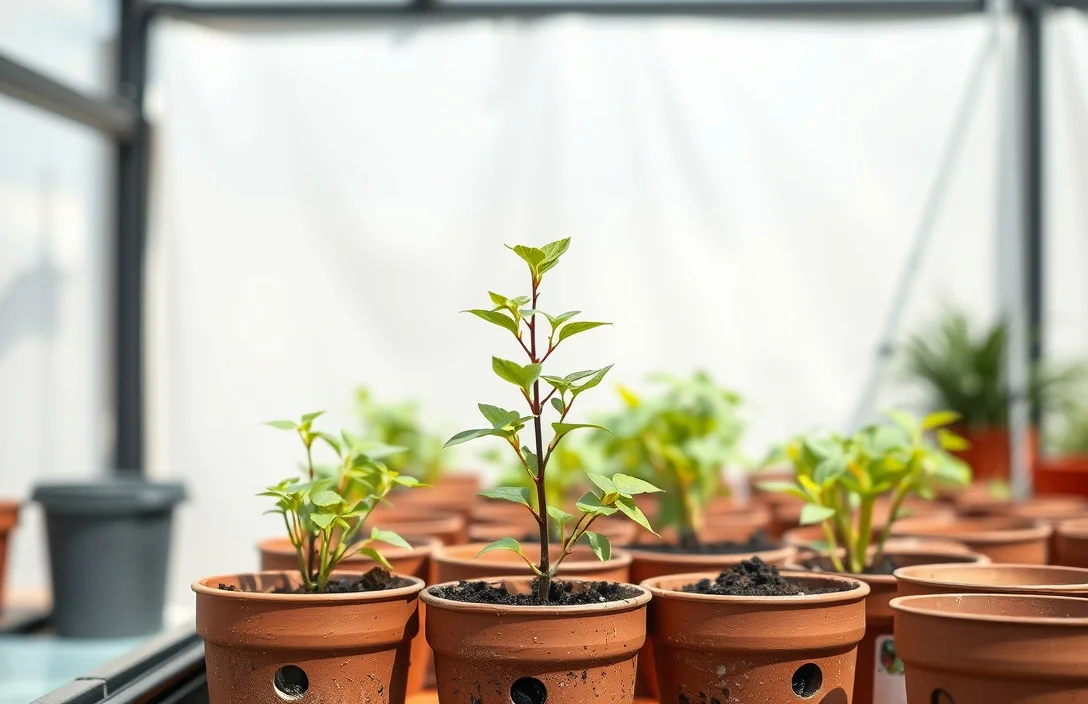
Plants hate stagnant water, even if they look fine for a week or two. In a pot without holes, every watering event either gets absorbed by the soil and roots, or it evaporates. Evaporation is slow, which is why a plant that thrives in a holed nursery pot can struggle in a solid decorative cachepot.
“No holes” also changes how the soil behaves. In a solid container, potting mix stays wetter longer. As pores fill with water, oxygen in the root zone drops. If you keep the mix consistently wet, you push the plant toward root rot, fungus gnats, and a slow decline that often shows up only after damage is underway.
Non-draining pots also demand tighter routines. Water based on soil dryness, not a calendar. Keep excess water away from the bottom of the root ball. Without those controls, you end up guessing every time you add water.
Things that matter most
If the pot has no holes, you must either (1) create a drainage pathway inside the pot, or (2) keep the roots inside a separate inner container that can drain. Most problems come from treating a solid pot like it’s self-draining and following the usual watering habit.
Moisture still moves through potting mix – but in a solid-bottom pot, there’s no easy route out. The top can look dry while the lower mix stays wet. That’s why surface checks can mislead you unless you check deeper.
Soil mix matters. Regular garden dirt compacts and holds water too long, which is extra dangerous in a non-draining container. Potting mix (or a chunky mix) with good structure leaves air pockets in the root zone, which buys you time between waterings.
Here’s the decision logic I use:
- If you want the easiest success, use a pot-in-pot setup where the plant sits in an inner container with holes.
- If you want the solid pot directly, use an internal drainage-and-catch approach plus conservative watering.
- If you’re planting something that hates “wet feet” (many succulents), a solid pot can work briefly, but you still need a catch system and infrequent watering.
Tips for potting plants in pots without holes
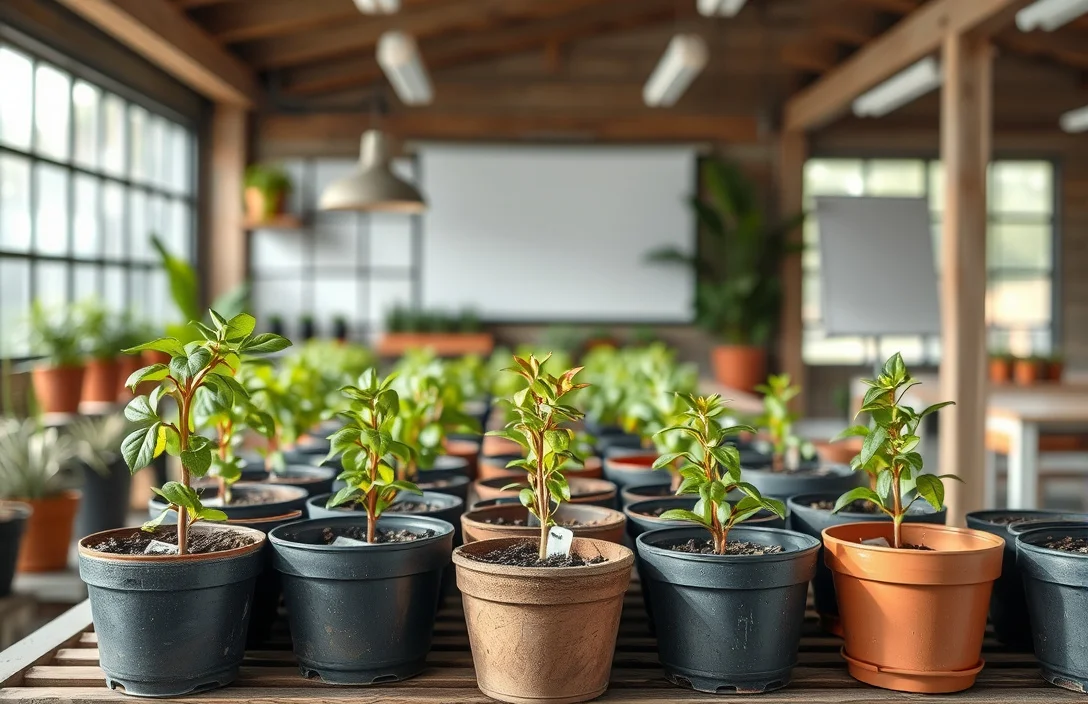
Watering is where most people lose plants. Don’t pour in a full cup and assume it will drain away. Water slowly, stop when you see water entering the catch layer (or inner saucer), and empty any visible standing water after enough time for drainage – not days later.
Check moisture deeper than your fingertip. Push a wooden skewer or chopstick into the soil to about the depth of the root ball, leave it for a minute, then pull it out. If it feels cool and wet, wait. If it’s dry or barely damp, water. This avoids the classic mistake where the surface looks fine but the roots are staying wet.
Don’t rely on “rocks at the bottom.” Gravel or stones in a solid pot doesn’t reliably create drainage, because the soil still sits over the same waterlogged zone. It also shrinks the effective soil volume, which can stress roots even if drainage improves a little.
Use a liner that solves a specific problem. A sealed barrier or fully sealed plastic lining can make the situation worse by trapping water at the bottom. The safer route is a cachepot approach (inner draining container) or a drainage-safe, breathable liner that doesn’t leave water pooled under the root zone.
Adjust for your climate. In humid areas, slower evaporation makes overwatering easier in a solid pot. If you live somewhere humid, lean more toward the pot-in-pot method.
Benefits of potting plants in pots without holes
You can still get the look without holes. Decorative planters, ceramic vessels, and wrapped containers are often solid-bottom by design, and swapping to a holed planter can ruin the aesthetic. With the right setup, you keep the style while protecting the roots.
Solid pots also make placement easier. They’re cleaner on furniture, near floors, and in indoor spaces where drips are a problem. When you pair them with a saucer or catch layer, you can manage overflow without mess.
You also gain control over your routine. With a cachepot system, you water the inner draining pot, let excess drain, then place it back into the outer container. That removes guesswork and reduces the chance the root zone stays in a puddle.
The trade-off is clear: the margin for error is smaller with a solid-pot setup. You’re not making “no holes” safe. You’re adding a barrier against water damage and then working under a stricter watering routine.

Helpful pick
PSW Pot Collection FM35TP 14-inch Plastic/Stone/Wood Composite Large Ribbed Planter – No Drainage Hole (Drillable), Indoor/Outer Garden Pot for Foliage, Trees, Flowers, Ferns, Taupe
This large, drillable, no-drainage pot preserves the look of solid-bottom containers while allowing drainage if needed.
Options for potting plants in pots without holes
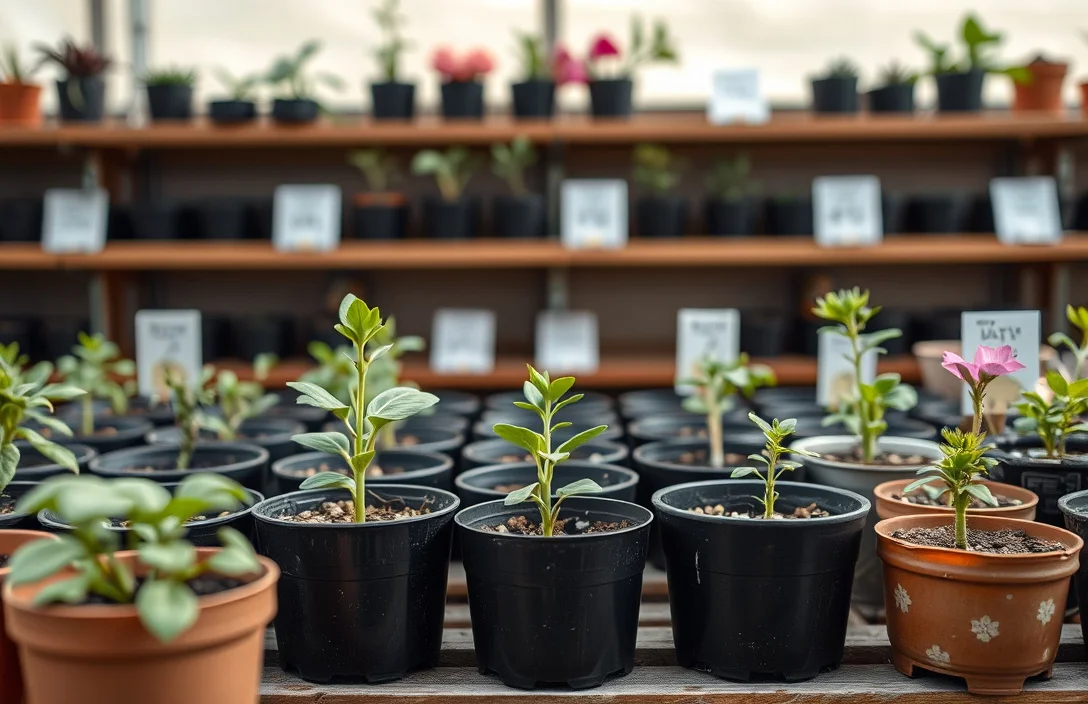
The best option is usually a pot-in-pot (cachepot) setup. Put the plant in a plastic nursery pot or any inner container with drainage holes, then place that inner pot inside the solid decorative outer pot. Water the inner pot, let excess drain into the outer pot, and empty the outer pot if water remains.
If the plant must sit directly in the solid pot, use an inner drainage layer and catch approach. You create space for water to collect away from the root zone and prevent upward wicking that keeps the mix wet. In practice, this often uses a drainage insert made for self-watering-style setups – but you still need careful watering because the pot does not naturally vent water out.
Another option is choosing plants that tolerate drying cycles. Some plants handle less-than-perfect drainage better because they store water and prefer drying between waterings. Succulents, cacti, and many herbs that like drier conditions can be more forgiving in a solid-bottom scenario, as long as you keep watering conservative and never leave standing water around the base.

Helpful pick
PSW Pot Collection M20DCB 8-inch Plastic/Stone/Wood Composite Low Bowl Planter – No Drainage Hole (Drillable), Shallow Indoor/Outer Pot for Succulents, Bonsai, Fairy Gardens, Herbs, Dark Charcoal
This 8-inch drillable inner pot lets you add drainage inside a solid decorative outer pot.
Use this quick checklist:
- Lowest risk indoors: pot-in-pot with an inner draining container.
- Decorative outer pot only: use a drainage insert plus strict watering.
- Most forgiving plant choice: drought-tolerant plants with dry-down periods.
- If you can’t monitor: don’t use solid pots; switch to holed planters.

Helpful pick
Arcadia Garden Products PSW Pot Collection TD25TP Plastic/Stone/Wood Composite Shallow Bulb Pan – No Drainage Hole (Drillable), Planter for Succulents, Bonsai, Fairy Gardens, Herbs, 10-inch, Taupe
Large, drillable pot to pair with an inner draining container for a safe indoors pot-in-pot setup.
Expert Advice on potting plants in pots without holes
“No holes” is a watering management problem, not a planting problem. The mix and planting matter, but the real control comes from how quickly water leaves the root zone. If you can’t control that, you’re borrowing trouble.
Be strict about what you do after watering. After watering in a cachepot setup, give it time to drain, then check for pooling if you’re still learning your system. Once you know the typical drainage timing, you can streamline – but early on, confirm reality.
Use a breathable potting mix and don’t compact it. Fill with potting mix, not dense garden soil, and avoid packing it down hard. A lighter mix holds moisture without turning into a soggy brick, which matters more when there’s no drainage outlet.
Watch for early warning signs and respond quickly. Yellowing leaves that feel soft, a persistent musty smell from the soil, and slow decline despite adequate light can point to root stress. If that happens, don’t wait it out. Switch to a pot-in-pot setup or repot into a draining container so the roots can breathe again.
Don’t “solve” the issue by watering blindly. Underwatering can be harmful too, but it’s usually more recoverable than root rot. Water based on deeper soil dryness and keep the catch layer from turning into a bathtub.
Examples: potting plants in pots without holes
Example, a solid ceramic planter in your living room: you want the look and zero puddles on the floor. Use a plastic nursery pot with drainage holes for the plant, then set it inside the ceramic pot. Water the inner pot thoroughly, let it drain, then lift it out briefly if you see water pooling in the ceramic base.
Example, an herb planter near a sunny window: many herbs like consistent moisture but not constant wetness. If your planter has no holes, skip “daily tiny sips.” Water only after the mix is dry an inch or two down, then water thoroughly enough for excess to reach the catch layer. Empty any standing water and let the mix dry back.
Example, a small succulent in a decorative glass bowl: glass and ceramics trap moisture. Use a fast-draining cactus/succulent mix and a cachepot setup if the bowl is solid-bottom. If you must plant directly, be extra cautious with watering and make sure the mix has plenty of airflow, because once it’s wet, it stays wet longer.
Example, a repotting moment you can’t postpone: you already bought the solid pot and the plant is in a holed nursery container. For the first few weeks, keep the inner draining pot as-is and use the solid outer pot only for decoration. If the plant adapts and growth stays healthy, keep going. If leaves decline, repot into a holed container permanently.
FAQ
1) Can I pot plants in pots without holes at all?
Yes, but only if you control excess water. Use the simplest method: a cachepot setup where the plant sits in an inner container with drainage holes inside the decorative outer pot. Planting directly in a solid-bottom pot is only workable if you prevent standing water at the root zone and water based on deeper soil dryness.
2) How often should I water a plant in a pot without holes?
Water less often than you would in a holed pot because the soil stays wet longer. Skip a calendar and check moisture deeper in the pot using a skewer or by feeling soil a couple inches down. Water only when the deeper area is dry or nearly dry, then stop and let excess drain into a catch layer.
3) Do I need drainage rocks if my pot has no holes?
No. Rocks or gravel at the bottom usually don’t create real drainage in solid pots, and they can reduce soil volume and airflow. If you want an internal drainage solution, use a designed drainage insert or switch to a pot-in-pot setup with a container that has holes.
4) What’s the safest way to use a decorative solid planter indoors?
Use a pot-in-pot system. Put the plant in a smaller draining nursery pot, place it inside the solid decorative planter, and use a saucer or catch space for overflow. After watering, let it drain fully, then empty any remaining water so the root zone never sits in standing water.
5) What’s the most common mistake people make with pots without holes?
Leaving the roots sitting in pooled water after watering. People often assume the soil will “eventually drink it all,” but the bottom can stay saturated for a long time. Fix it by using an inner draining pot, emptying pooled water, and watering only after deeper soil checks confirm dryness.
In practice, the most reliable way to use pots without holes is the cachepot approach, because it gives roots a drainage path while you keep the decorative look. Use or keep an inner nursery pot with holes, add a saucer or catch space, and start with careful watering based on a deeper soil moisture check.

- 10 Best Slow Cooker With Cool Touch Handles 2026 (Tested And Reviewed) - October 22, 2026
- 10 Best Slow Cooker With Quality Construction 2026 (Tested And Reviewed) - October 22, 2026
- 10 Best Slow Cooker With Premium Construction 2026 (Tested And Reviewed) - October 22, 2026