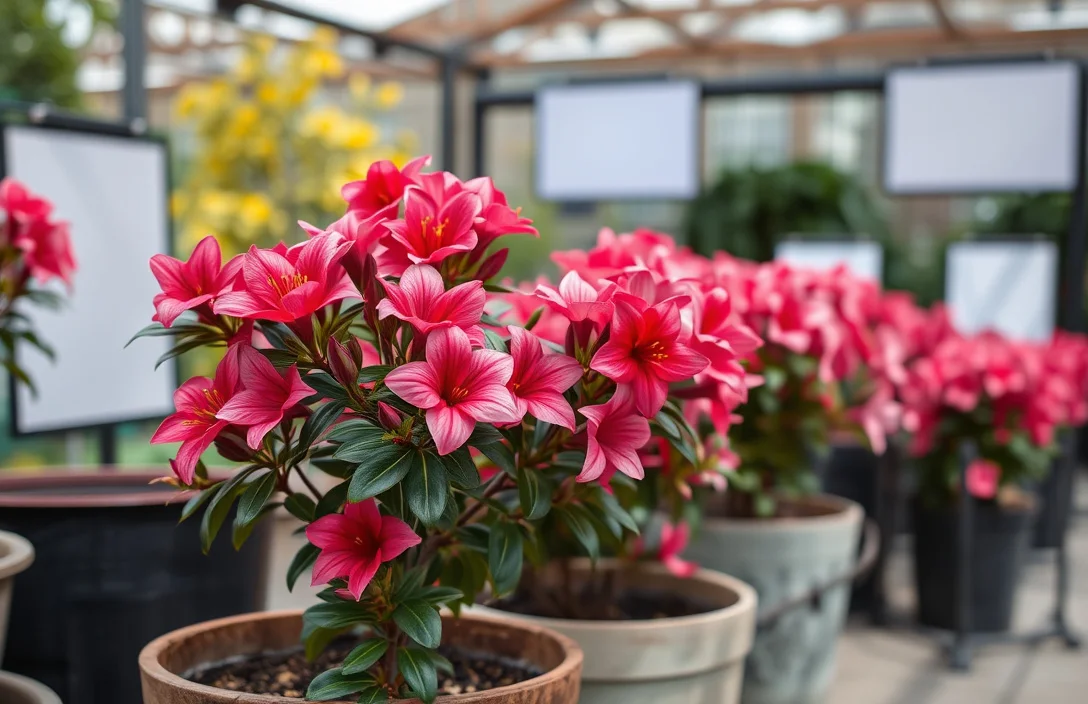
Can Azaleas Be Grown In Pots?
Yes, azaleas can absolutely be grown in pots in the United States, and many people do it successfully on patios, decks, and entryways. The catch is that container-grown azaleas need the right pot, an azalea-safe soil mix, consistent moisture, and protection from winter temperature swings. This guide gives you the practical “do this, avoid that” steps so your potted azalea grows and blooms reliably.
Azalea pot gardening works when you use a large enough container, keep the soil acidic (around pH 4.5 to 6), and make sure drainage never leaves the root ball sitting in water. Water based on weather and pot weight, not a strict schedule. Plan for winter protection, too, because pots freeze and thaw faster than ground soil.
Key Takeaways
- Yes, with the right setup. Potted azaleas do best with acidic soil and excellent drainage.
- Pick the right pot size. A larger pot dries more slowly and reduces temperature stress.
- Use azalea-friendly soil. Aim for an acidic mix and don’t rely on regular potting soil alone.
- Water by conditions. Check moisture often; containers dry faster than garden beds.
- Protect in winter. Pots can freeze hard, so insulate or shelter them.
- Feed for blooms. Use fertilizer for acid-loving plants, and stop at the right time.
What to Know About Growing Azaleas in Pots
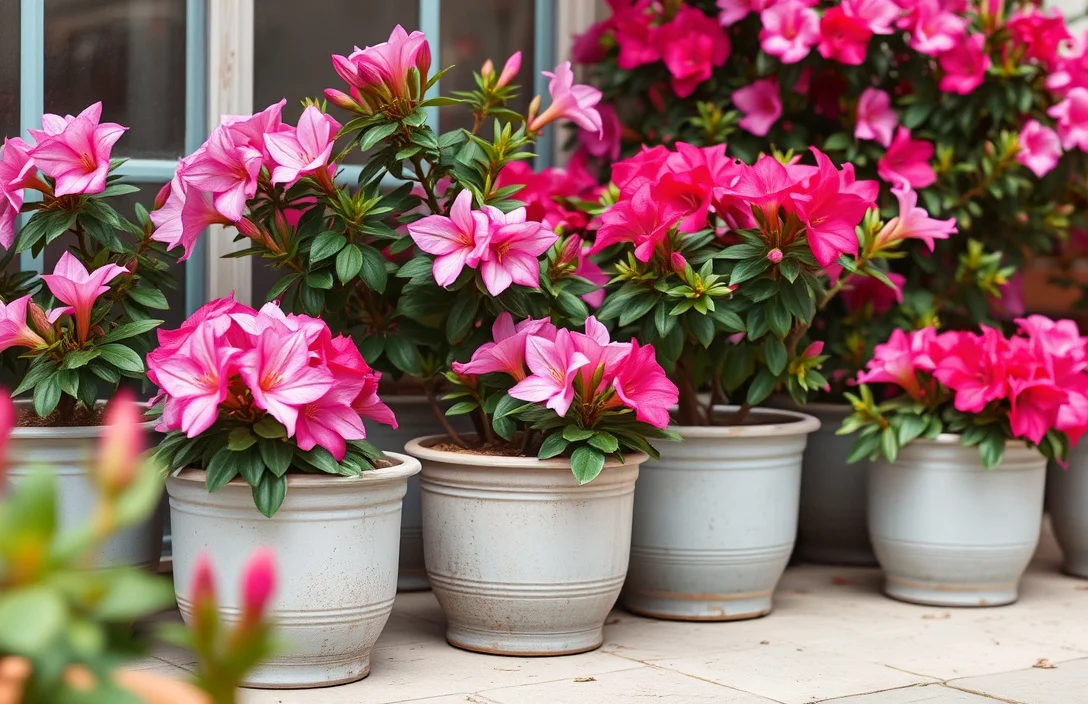
Potted azaleas thrive, but they have less natural buffering than plants in the ground. Garden soil moderates temperature swings and holds moisture longer. In a container, azaleas dry out faster, and their roots experience bigger shifts during both hot summers and cold winters.
Soil chemistry matters just as much. Azaleas prefer acidic conditions and struggle when the potting mix drifts alkaline over time. Neutral potting soil plus hard water can slowly change the environment enough to stunt growth and reduce flowering.
Things that matter most
Container azaleas do well when four things line up: container size, soil type, watering consistency, and seasonal care. When one slips, the plant usually tells you through leaf drop, dull growth, or fewer blooms.
Start with the pot. For azaleas, drainage is non-negotiable, and a pot that’s too small dries out too quickly. Next, choose a mix that’s acidic and airy. Azalea roots need moisture, but they also need oxygen to stay healthy.
Prioritize these details:
- Drainage holes matter. Use a pot with plenty of bottom holes so water moves through quickly.
- Avoid plain potting soil. It often drifts away from the acidic range azaleas need.
- Keep moisture even. Long dry-outs followed by heavy watering stress the plant.
- Temperature swings are real. Pots freeze and thaw faster than ground soil.
- Fertilize lightly and on schedule. Too much late-season feeding can interfere with dormancy.
Tips for Growing Azaleas in Pots
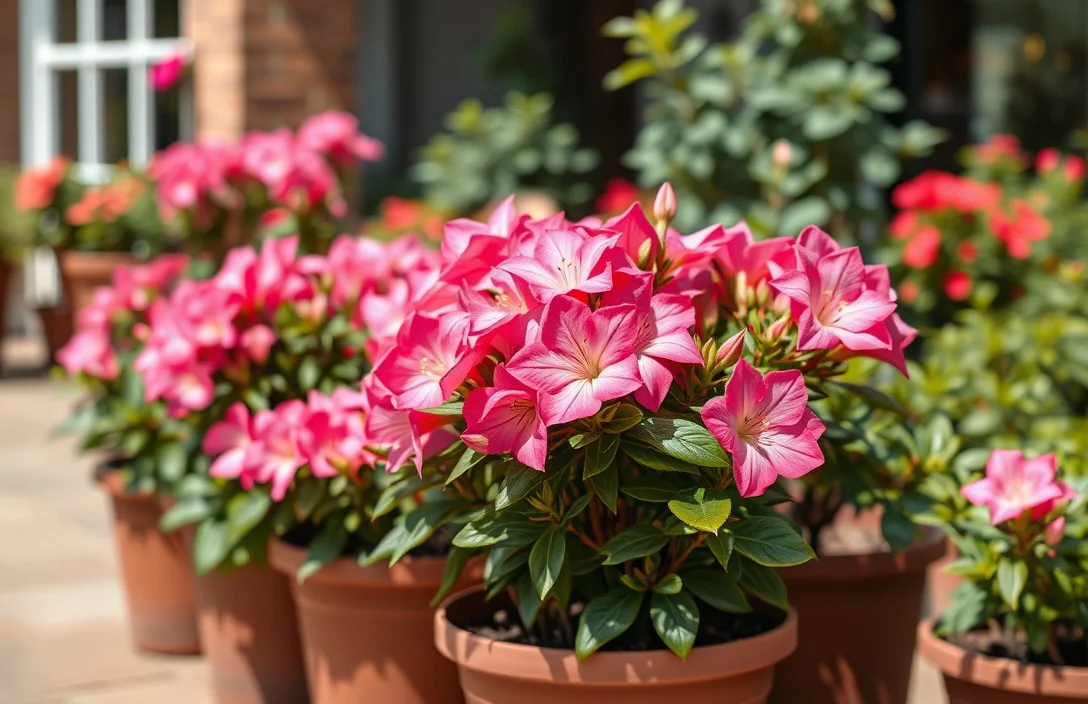
Treat a potted azalea like a small, controlled ecosystem. Stable moisture, acidic soil, and roots that never sit in water are the difference between steady blooming and constant troubleshooting. Most container failures trace back to fixed watering routines or consistently wet mix.
Use watering as your daily tool. Check the potting mix instead of guessing: press a finger into the top inch of mix (or lift the pot). If it’s still cool and damp, wait. If it’s drying and feels light, water thoroughly until water runs out of the drainage holes.
Winter protection deserves more attention in containers than most people expect. In cold weather, the root ball can freeze from multiple directions, even if nearby ground plants would survive. A simple approach: move the pot to a sheltered spot out of harsh wind, then insulate the sides with bubble wrap or burlap and mulch the top of the mix.
Planting and repotting should limit root disruption. Use the right potting mix and don’t pack it down tightly. Azaleas do best in a loose, structured mix that drains while still holding enough moisture for the root system.
Benefits of Growing Azaleas in Pots
Pots give you control. You can manage soil pH, soil texture, and placement for light and visual impact. If your yard soil is alkaline or not very supportive, containers let you create the acidic environment azaleas need without fighting your existing ground.
Potted azaleas also offer flexibility in light management. Morning sun with afternoon shade often improves bloom quality and reduces leaf stress during hot spells. When the weather turns, you can shift the pot to match the season and protect the plant.
There’s also a practical benefit: faster diagnosis. Container soil conditions are more consistent and localized, so problems show up sooner and you can adjust care quickly – refresh the top layer, change exposure, or move the plant away from damaging weather.
Options for Growing Azaleas in Pots
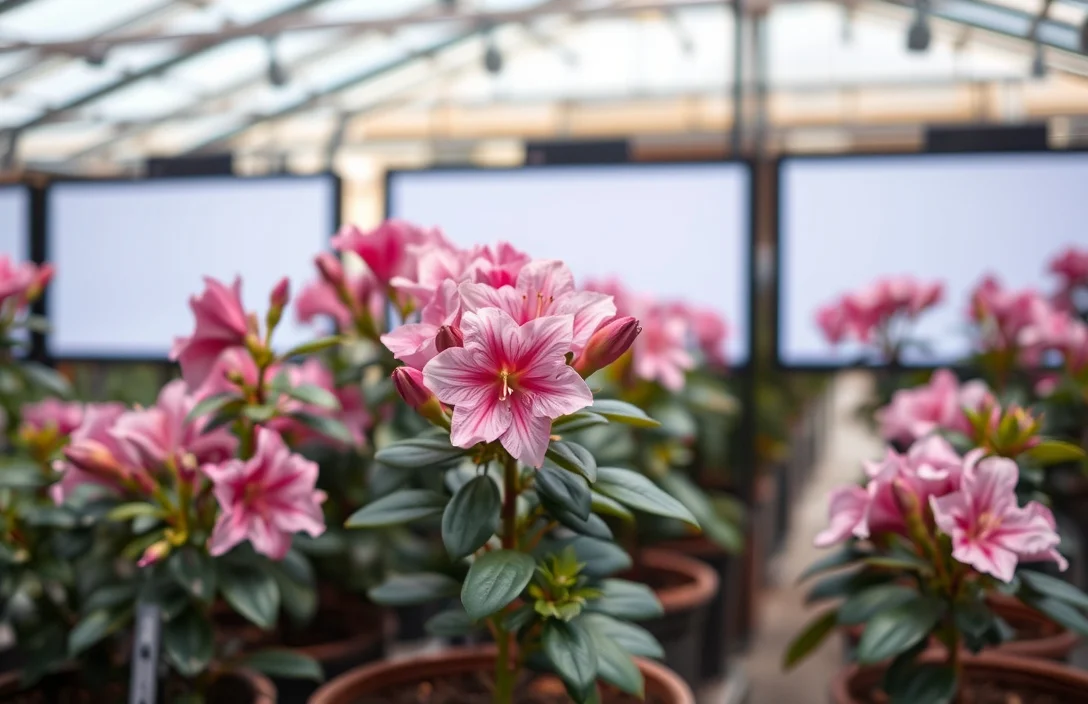
You have a few solid container approaches, and the best one depends on your climate and how harsh your winters are.
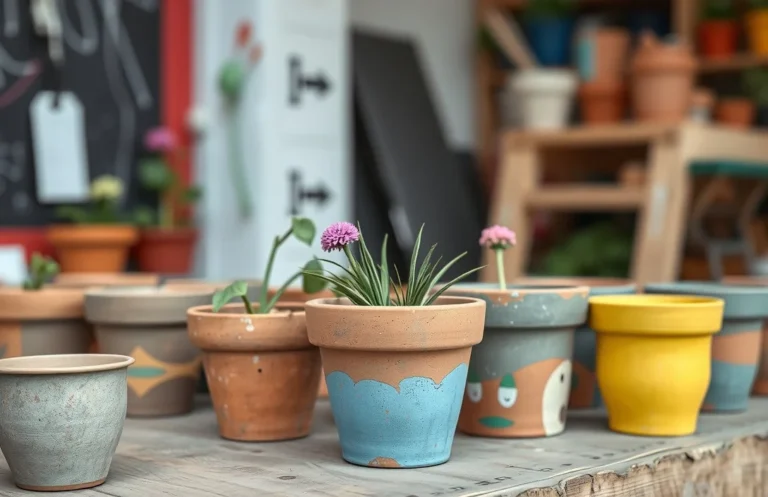
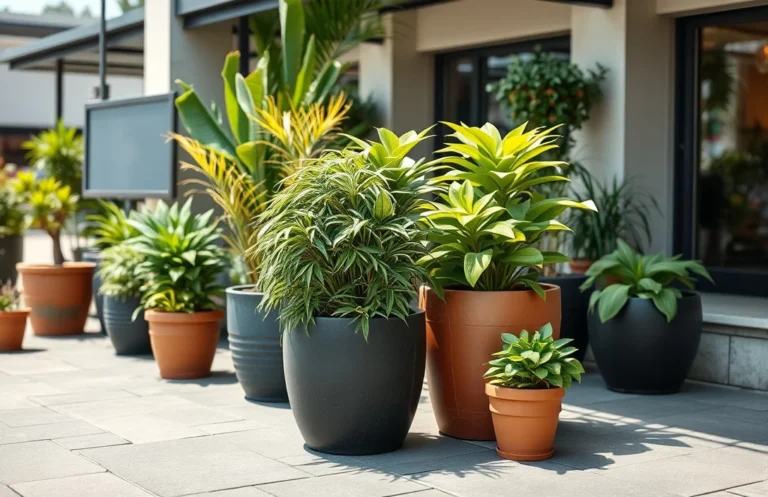
Choose the pot style first. Terracotta breathes and can help prevent surface sogginess, but it dries out faster. Plastic or fiberglass holds moisture longer, which can be helpful in hot, dry areas. No matter the material, you need drainage holes and a saucer you empty.
Then choose your soil strategy. Some gardeners succeed with an azalea-specific mix; others build a custom blend to keep the mix acidic and well-aerated. The rule stays the same: use an acidic mix that drains without turning dusty or staying constantly wet.
Finally, plan your seasonal placement:
- Patio or deck (sheltered, easy access). Great for daily monitoring and watering.
- Entryway accent. Works if you protect it from direct afternoon sun and drying wind.
- Moveable winter placement. Useful when your winters swing between freezing and thawing.
If you want the least fuss, start with an azalea-ready potting mix and re-check acidity over time. If you like tinkering, you can adjust texture and acidity – just keep an eye on results like leaf color and bloom quantity.
Expert Advice on Growing Azaleas in Pots
Consistency drives results. Azaleas respond better to steady moisture and steady acidity than to occasional big fixes. Keep the mix evenly moist (never soggy) and you prevent much of the stress that leads to leaf drop and fewer blooms.
Avoid root disturbance and overpotting at the same time. People sometimes size up too aggressively, which can leave extra mix around roots staying wet. Go too small instead and the mix dries out rapidly. Aim for a pot that gives the roots room to grow without turning the soil into a swamp after watering.
Feeding matters, too. Use fertilizers labeled for acid-loving plants and follow label directions. Stop fertilizing when new growth needs time to mature before cold weather arrives. Pushing soft, late-season growth increases the plant’s vulnerability when temperatures drop.
Watch the light setup. Morning sun usually helps, but intense afternoon sun can scorch leaves, especially in smaller containers. If leaves look dull, curl, or brown at the edges, adjust placement before changing everything else.
My decision rule is simple: if your azalea is blooming well and the leaves look firm and healthy, don’t overhaul the whole setup. Change one variable at a time – usually watering first, then light, then feeding.
Examples of Growing Azaleas in Pots
A common U.S. setup is a 12- to 16-inch container on a shaded patio. The gardener uses a drainage-holed pot, fills it with an acidic potting mix, and places it where it gets morning sun. This works because the plant avoids the hottest part of the day, and watering stays manageable when you check moisture often.
In a colder region, a typical approach keeps the pot near a house wall through fall, then shelters it for winter. The gardener wraps the container sides with insulation and mulches the top of the potting mix to slow freeze depth. In spring, regular watering resumes once the mix thaws and new growth starts.
In warmer, drier climates, the setup usually shifts. The pot goes under a covered porch or into bright shade, and watering happens more often because containers lose moisture quickly. People in these areas often benefit from a mix that holds moisture without compacting.
When troubleshooting, look for a pattern: a potted azalea that keeps shedding leaves while you water “often” usually has inconsistent moisture or a mix that stays too wet. Fix it by improving drainage and adjusting watering based on how dry (or wet) the mix actually is, not the calendar.
FAQ
Can azaleas be grown in pots year-round?
Yes, but year-round success depends on winter protection and watering discipline. In-ground azaleas handle cold better because ground soil doesn’t freeze as fast or as deeply as a container. In winter, shelter the pot from harsh wind and insulate the sides. Water lightly only when the mix isn’t frozen and the plant isn’t dormant.
What size pot do I need for an azalea?
A larger pot stabilizes moisture and temperatures, which supports more reliable blooming. Very small pots dry out quickly and stress roots. Choose a container that gives the plant room to grow for the next season and make sure it has drainage holes.
How often should I water a potted azalea?
Watering frequency depends on heat, wind, sunlight, and how quickly your potting mix dries. Check the top inch of mix and water when that depth feels dry. Water thoroughly until it drains. In summer, containers can need water much more frequently than you’d expect – sometimes even on hot, windy days.
Do potted azaleas need fertilizer?
Potted azaleas usually benefit from fertilizer formulated for acid-loving plants because nutrients wash out over time. Follow the label directions and avoid overfeeding, especially late in the season. If you see lots of new tender growth after cooling weather begins, your fertilizing timing was likely too late.
What’s the most common mistake when growing azaleas in pots?
Overwatering or watering on a fixed schedule is the most common problem. Soggy mix suffocates roots, and inconsistent dry-down stresses the plant. Use an acidic, well-draining mix and check moisture regularly – water based on how dry the mix is, not on a calendar.

- 10 Best Slow Cooker For Slow Cooking Legumes 2026 (Tested And Reviewed) - October 17, 2026
- 10 Best Slow Cooker For Slow Cooking Oxtail 2026 (Tested And Reviewed) - October 16, 2026
- 10 Best Slow Cooker For Slow Cooking Venison 2026 (Tested And Reviewed) - October 16, 2026