Can Apple Trees Be Grown In Pots?
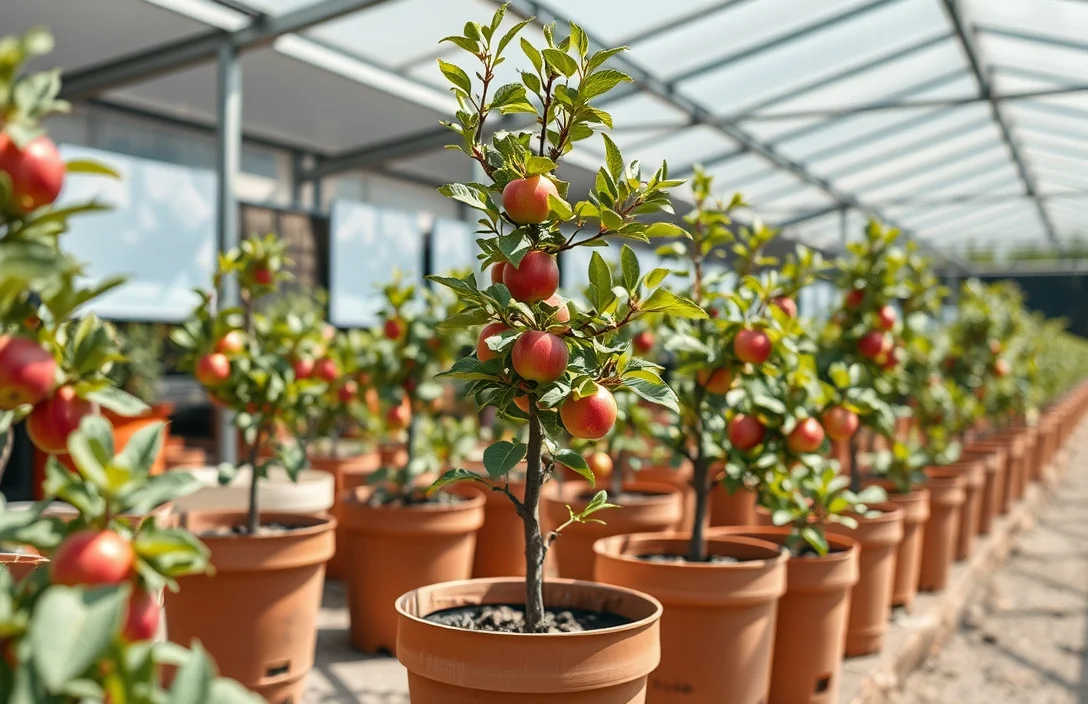
Yes, apple trees can be grown in pots in the United States, but you have to treat them like long-term container plants, not quick patio projects. In a pot, the biggest limits are root space, winter hardiness, and consistent watering. This guide walks through the choices that decide whether you get healthy growth and real apples, including pot size, varieties, soil, light, watering, pruning, training, and pollination.
Container-grown apple trees can succeed when you choose a dwarf or compact variety, use a large pot with solid drainage, and manage roots so they don’t outgrow the container. Plan on at least a 20- to 25-gallon container for decent long-term growth, plus full sun (6+ hours/day). For fruit, you also need compatible pollination nearby or a self-fertile type.
Key Takeaways
- Yes, with the right setup. Dwarf or compact apples can fruit in containers, but they need root space and consistent care.
- Choose a large container. Aim for at least a 20-25 gallon pot to reduce stress and how often you have to reroot or repot.
- Use fast-draining potting mix. A quality container mix (often improved with perlite) beats garden soil in pots.
- Give full sun. Expect best flowering and fruiting with 6+ hours of direct light daily.
- Water consistently. Letting the pot dry out repeatedly weakens flowering and increases leaf drop.
- Plan pollination early. Some apples are self-fertile, but many need a compatible second cultivar to set fruit.
Can Apple Trees Be Grown in Pots Successfully?
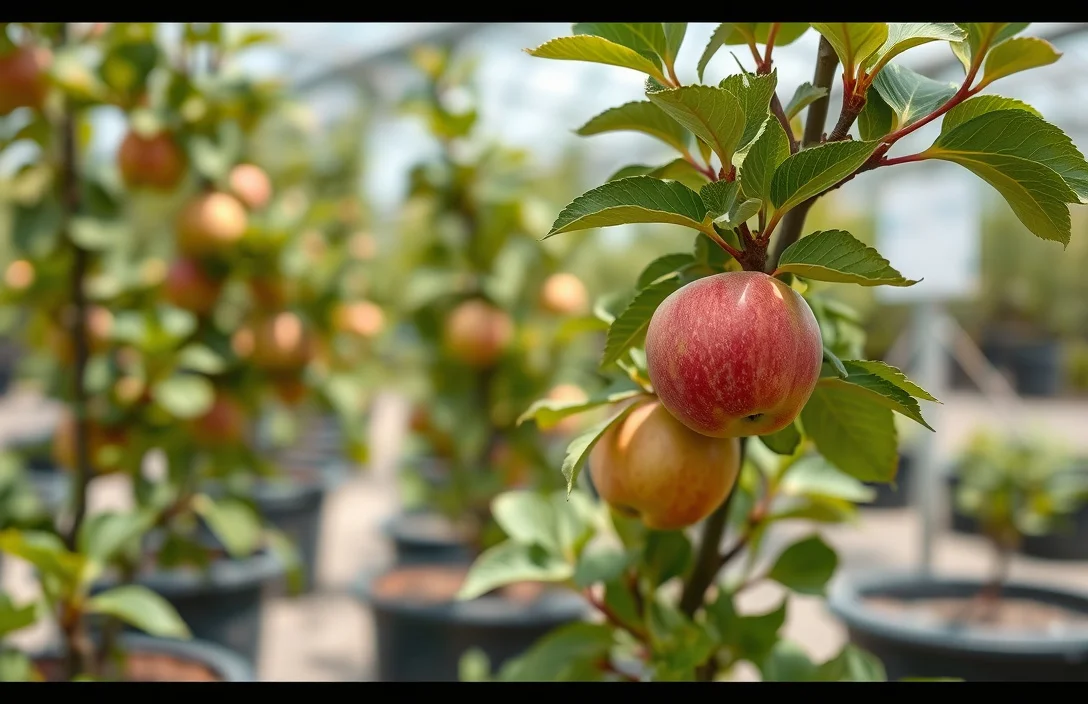
Apple trees grow in pots successfully when you accept the container rules: roots are confined, moisture swings faster, and winter temperatures hit exposed root systems harder. You’re not trying to grow a full-size yard apple in a decorative planter – you’re growing a dwarf or naturally compact tree that can handle the limits of a container.
Root management and winter protection decide success. In the ground, roots sit in more stable soil temperatures and benefit from natural insulation. In a pot, roots swing between summer heat and winter cold, so you may need to move the container, insulate it, or wrap it based on your USDA zone.
Container apples also demand more frequent attention than in-ground trees. Pots dry out faster under sun and wind, and nutrients wash out more easily with repeated watering. If you can keep up with consistent watering, seasonal feeding, and pruning, potted apples are a realistic project.
Best Pot Size for Apple Trees in Containers
Pot size is where most container apple attempts either stabilize or spiral into chronic stress. A small pot can look fine at first, then flowering drops as the tree becomes root-bound and dries out too quickly.
For a dwarf apple, plan for at least a 20- to 25-gallon container long-term. Going smaller usually means more frequent repotting and more aggressive root work, and that stress can reduce fruit set.
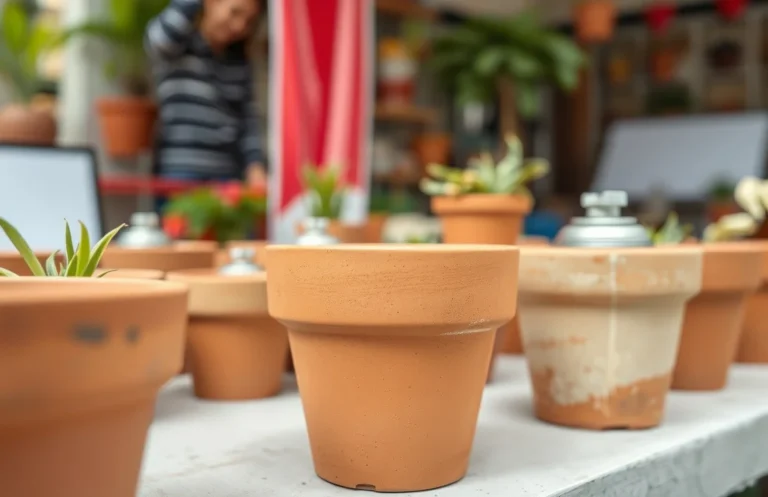
Drainage matters as much as volume. Your pot should have multiple drainage holes, and the tree should never sit in pooled water. If water collects, roots can suffocate, and container apples can decline even if you’re watering “on schedule.”
If you want a simple decision rule:
- Start with a 20-25 gallon pot for a dwarf or compact apple.
- Size up if you want fewer repot cycles over the years.
- Use a smaller pot only if you’re ready for tighter watering control and more routine root management.
Which Apple Varieties Work in Pots
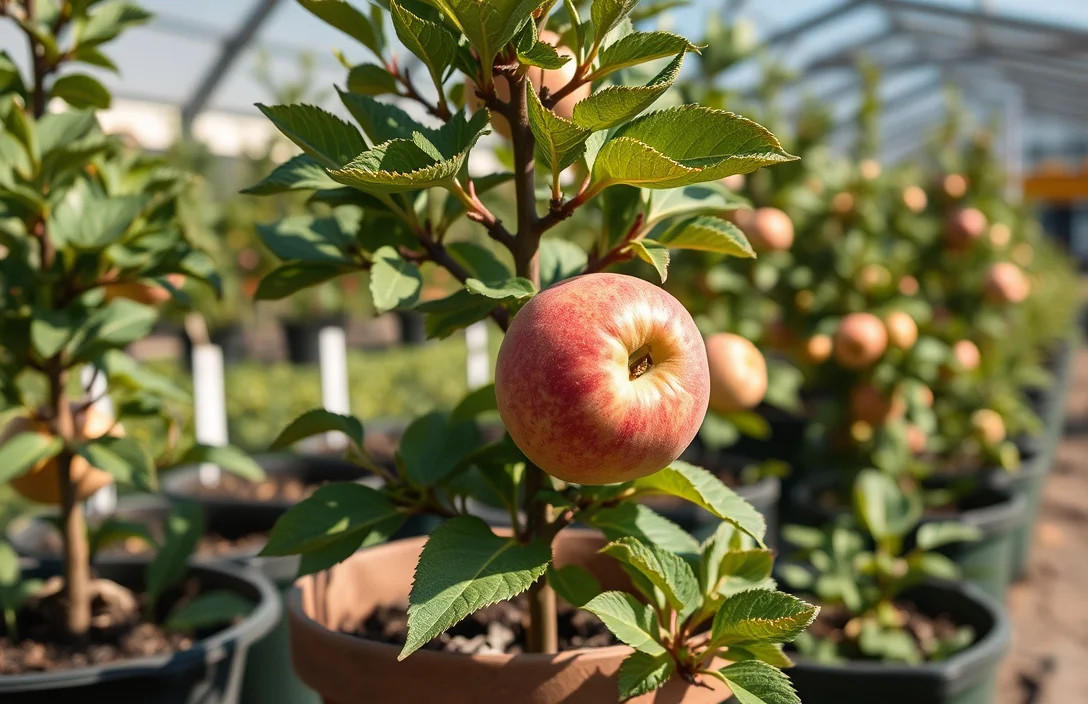
Variety choice determines whether you’ll end up with a productive tree or a plant that struggles. The best container apples are dwarf or compact types grown on size-controlling rootstocks, because they cap the tree’s height and fit better in confined roots.
Look for apples labeled dwarf, patio, or compact, then check the rootstock. Many container apples are grafted onto dwarfing rootstocks that keep the mature tree smaller and more manageable in a pot.
Pollination is the other requirement. Some apple varieties are self-fertile and can set fruit from their own pollen. Others need a compatible second variety nearby, which gets tricky if you only have one pot.
A straightforward way to choose:
- Pick a dwarf/compact variety that matches your container limits.
- Confirm whether it’s self-fertile or needs cross-pollination.
- Check your USDA zone and chill needs, since apples require winter chilling to set fruit reliably.
Cooler U.S. regions usually offer more reliable options because chill requirements are easier to meet. Warmer regions often require more careful variety selection to get consistent fruit.
Soil Mix and Fertilizer for Potted Apple Trees
Use potting mix made for containers, not garden soil. Garden soil compacts in a pot, drains poorly, and can create root-air problems as it settles.
A good container mix stays loose, drains well, and holds moisture without turning soggy. In many cases, blending perlite into container mix improves aeration, especially in humid climates or if you tend to water generously.
Fertilizer is essential for container apples because nutrients wash out with regular watering. In-ground apples access more soil volume and buffer nutrient swings. In pots, feeding needs to match the tree’s seasonal growth.
A practical feeding plan:
- Start fertilizing when active growth begins in spring.
- Feed again after flowering when the tree shifts energy into developing fruit.
- Avoid heavy nitrogen late in the season so growth hardens off before cold weather.
A simple rule that prevents most problems: feed lightly and consistently instead of dumping a lot at once. Over-fertilizing often pushes leafy growth with fewer flowers, and salts can build up in containers if you never leach the soil.
Watch the potting mix too. If it breaks down, stays wet too long, or shrinks away from the pot edges, refresh or repot.
Light, Water, and Drainage Requirements for Potted Apples
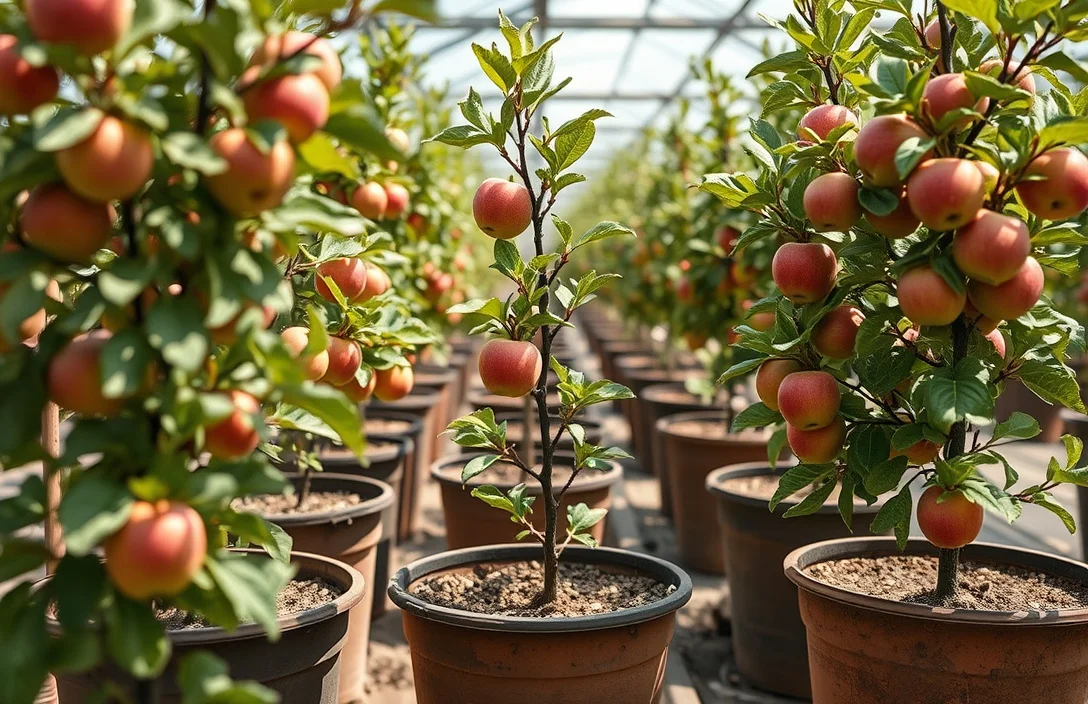
Full sun is a non-negotiable for container apple trees. Aim for at least 6 hours of direct sunlight daily, and more when summers are mild. Insufficient light often means weak flowering, fewer apples, and a tree that leans or struggles.
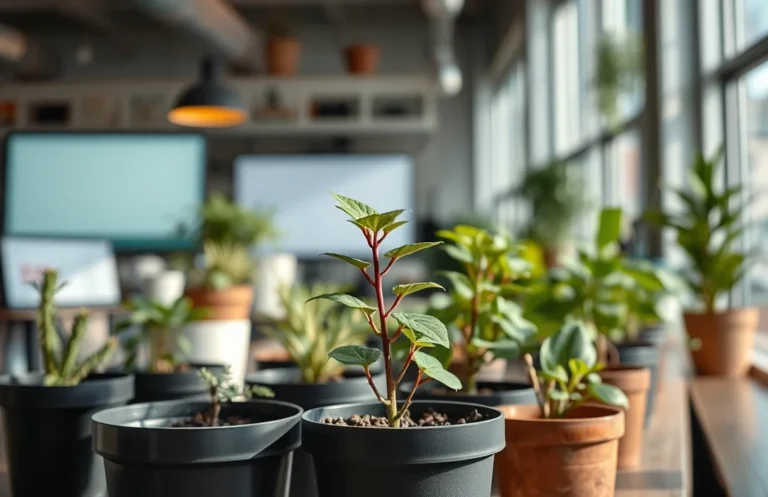
Water is the second major job. Container apples can dry out fast, especially in black plastic pots or windy spots. Drying out and then soaking creates stress. The target is evenly moist soil that isn’t waterlogged.
Check the top few inches before watering. If the surface feels dry, water thoroughly until excess drains from the bottom. If it still feels damp, wait. This prevents the guessing that causes many container fruit failures.
Drainage keeps watering from becoming a root problem. Use a pot with proper drainage holes, skip saucers that trap water, and keep the mix from compacting. Yellowing leaves plus persistently wet soil points to drainage or overwatering before anything else.
In hot weather, daily watering or every-other-day watering may be necessary. In cooler weather, you may only need once or twice per week depending on pot size and rainfall. Follow conditions, not the calendar.
Pruning, Training, and Root Management in Pots
Pruning in containers is about more than shaping. It keeps the tree’s energy balanced and prevents a top growth canopy from outgrowing the root system. When roots are limited, pruning helps avoid the mismatch that leads to weak flowering.
Many container growers use low, manageable forms. Common options include a central leader on a dwarf tree or an espalier-style structure against a fence or trellis. Choose the method you can maintain without breaking branches and without letting the canopy get too dense.
Root management is the less visible side of container apple success. Over time, roots fill the pot and the tree becomes root-bound. That usually shows up as fewer leaves, reduced flowering, and faster drying.
A practical plan:
- Prune lightly during dormancy or early spring. Remove dead, crossing, and overly vigorous branches.
- Thin crowded growth to improve light penetration and airflow.
- When root-bound, repot or selectively prune roots, then refresh the potting mix.
Root pruning sounds intimidating, but careful work can refresh the root system without losing the whole tree. It still stresses the plant, so avoid major root work at the same time as heavy canopy pruning. Let the tree recover in stages.
Stability matters too. A loaded container apple can tip in wind, especially as branches extend. Use a sturdy pot, consider heavier container materials, and stake the tree when needed.
Pollination and Fruit Set in Container-Grown Apples
Fruit set catches many first-time container growers off guard. Blossoms can look great while the tree fails to set apples if the variety doesn’t produce reliably without the right pollen.
Start by checking each variety’s pollination requirement. Self-fertile apples can set fruit with their own pollen, but a second cultivar can still improve results. Many apples are not self-fertile and require a compatible second variety within the pollinator travel range.
In a yard, that travel range is usually easy to satisfy. In a container setup, you may have fewer flowering apples nearby, and a balcony or patio can leave you effectively isolated. That’s why you sometimes need two compatible varieties, even if both are in pots.
Help pollinators do their job. Avoid broad insecticides during bloom and keep the flowering canopy open enough for insects to access blossoms.
Weather also affects fruit set. Cold snaps during bloom can reduce pollination, while heat waves can shorten bloom duration. If you consistently get flowers but no apples, pollination is the first suspect, followed by insufficient sunlight and nutrient imbalance.
If your goal is edible apples, treat pollination as part of the design. Choose varieties together, then plan spacing and placement from the start.
FAQ
Can I grow an apple tree in a pot on a patio in the United States?
Yes. Patio container growing works when you use a dwarf or compact apple, a large pot with drainage, and the willingness to water more often than you would in-ground. Provide at least 6 hours of direct sun and plan pollination so blossoms can develop into apples.
What size pot do I need for a potted apple tree?
Use at least a 20- to 25-gallon container for long-term success with dwarf apples. Smaller pots can work briefly, but they usually become root-bound sooner, which reduces flowering and speeds up drying. Always choose a pot with multiple drainage holes and never let roots sit in standing water.
What soil mix and fertilizer works best for potted apples?
Use container potting mix that drains well instead of garden soil. Add aeration like perlite if your mix stays too wet. Fertilize regularly because nutrients wash out, and avoid heavy nitrogen late in the season to prevent tender growth that cold weather can damage.
How do I get apples to grow on a container apple tree?
Pick a self-fertile variety or set up a compatible second apple cultivar for cross-pollination. Keep the tree in full sun (aim for 6+ hours) for strong blooming. Water consistently during flowering and fruit development, and avoid disrupting pollinators during bloom.
Do potted apple trees need special winter protection?
Yes. Pots expose roots to temperature swings that the ground buffers. In winter, move the pot toward a sheltered wall, insulate it, or wrap it to reduce freezing damage risk. Also, prevent waterlogged conditions during cold spells.
If you want one clean next step, start with your dwarf apple variety, confirm whether you need a second pollinator cultivar, then buy a 20-25 gallon pot and fill it with real container potting mix before planting.

- 10 Best Slow Cooker For Quick Preparation 2026 (Tested And Reviewed) - October 18, 2026
- 10 Best Slow Cooker For Family Meal Preparation 2026 (Tested And Reviewed) - October 18, 2026
- 10 Best Slow Cooker For Freezer Meal Preparation 2026 (Tested And Reviewed) - October 18, 2026