Can You Plant Sweet Peas In Pots?
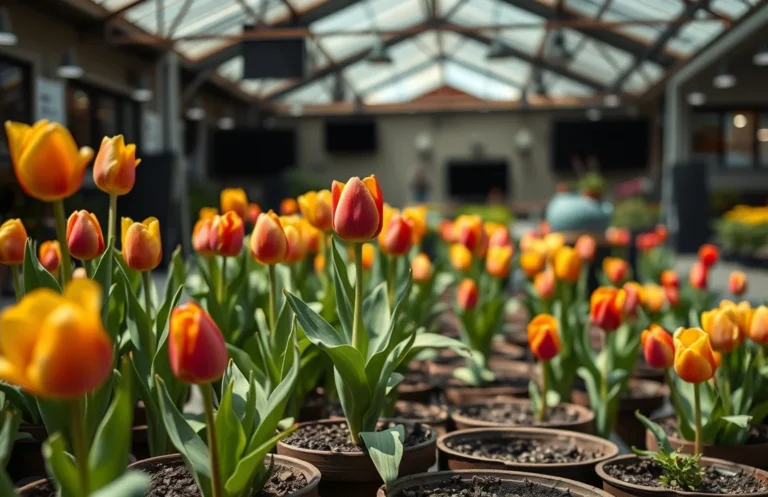
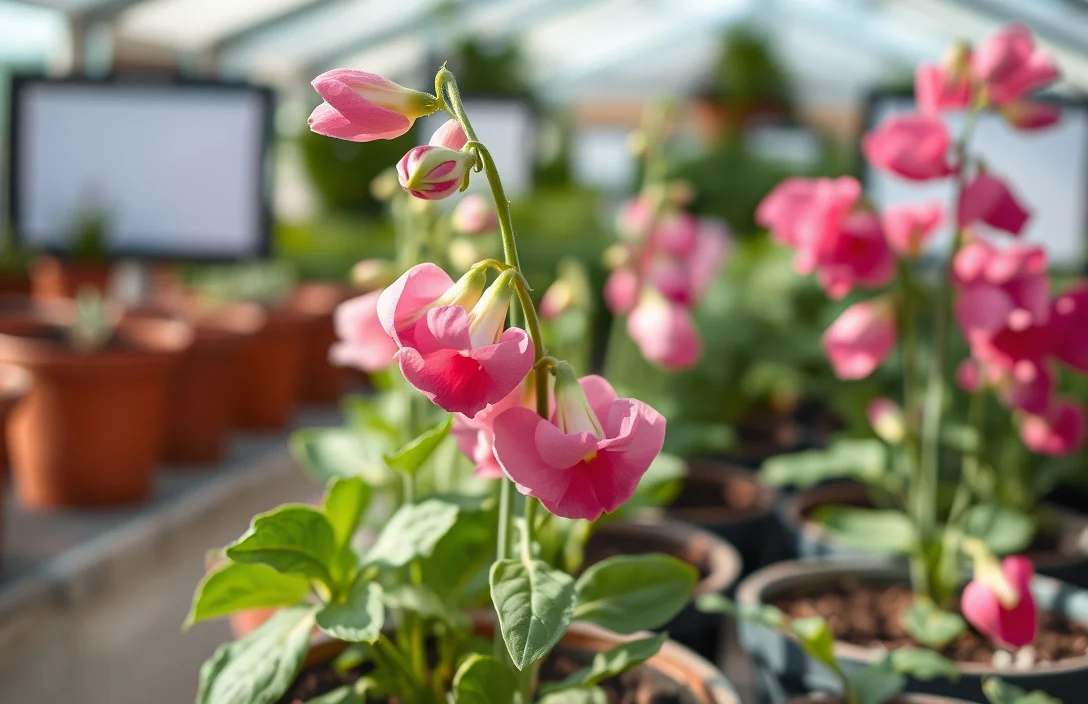
Sweet peas are one of those flowers people assume need an in-ground bed, but you can plant sweet peas in pots and still get serious blooms. Containers dry out fast, and sweet peas are climbers, so the pot, soil, and support you choose make or break the season. This guide walks you through what works in the United States, from pot size to feeding and troubleshooting.
Sweet peas in pots are absolutely doable if you give each plant enough root room and a climbing support. Use a container at least 8 inches (20 cm) wide with good drainage, keep soil consistently moist (not soggy), and start seeds in cool weather. Expect germination in about 7 to 14 days and stake immediately.
Key Takeaways
- Pick the right pot size. Use at least 8 inches (20 cm) wide per plant for healthy growth.
- Use loose, fertile potting mix. Choose a quality potting mix, not garden soil, to avoid compaction.
- Plan support early. Install a trellis or netting at planting time so tendrils can grab quickly.
- Keep moisture steady. Water when the top inch feels dry, because pots dry faster than beds.
- Feed lightly and consistently. Use a balanced fertilizer schedule to support flowering.
- Mind cool-weather timing. Sweet peas perform best when nights are cool, especially in spring.
Can You Plant Sweet Peas in Pots?
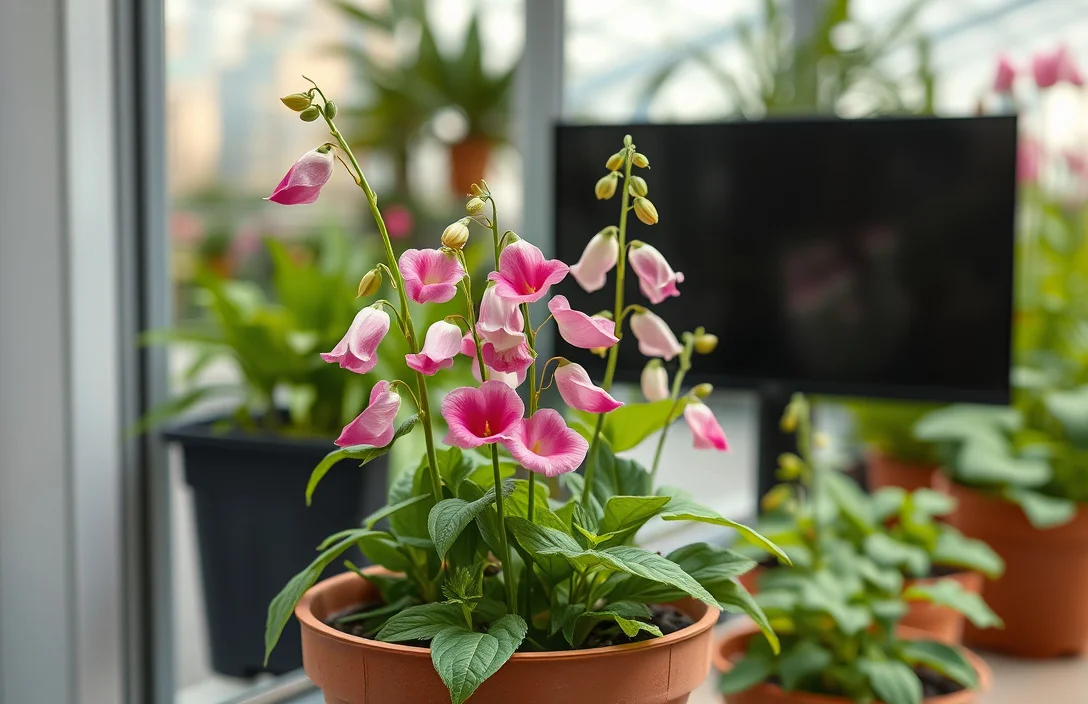
Yes, you can plant sweet peas in pots, but they behave differently than they do in a garden bed. Roots have limited room in a container, so you need enough space, consistent watering, and a structure to climb from day one. Undersize the container or let the soil swing between dry and wet, and you’ll often end up with weak or patchy flowering.
Sweet peas also need a strong “start right” window. They like cool conditions and struggle when they overheat, especially once weather turns hot. In much of the US, that means planting for early spring or placing pots where they get morning sun and afternoon shade.
Things that matter most
Sweet peas in pots succeed when container size, drainage, and support align. Too small and the roots run out of room, limiting bloom production. Too wet and root rot becomes a real threat – it can end a season fast.
Set support at planting time. Sweet peas climb with tendrils that grab as they grow. Trellis after the plants are already leggy makes training harder and less neat. Water regularly too, because even short dry spells can stall growth.
Use a potting mix that stays airy. Garden soil compacts in containers and reduces oxygen at the roots, which sweet peas don’t tolerate well. If you want a simple rule, treat pot-grown sweet peas like a fast-growing plant that must stay evenly moist and be fed gently but consistently.
Tips for Planting Sweet Peas in Pots
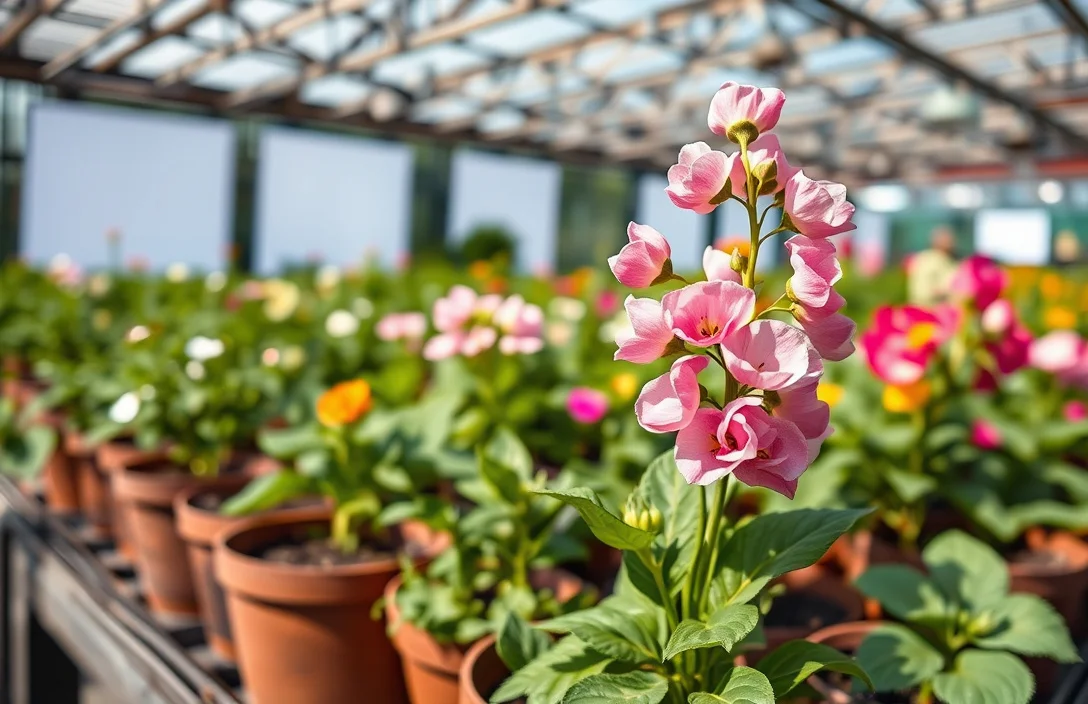
Spacing comes first, even when you’re trying to fit more flowers into a tight patio. For best results, grow one sweet pea per pot (or at most two in a large container) so each plant has enough moisture and root volume. Cram multiple seedlings together and the weakest one usually fails.
Handle seed-starting on purpose. Direct sow works for many gardeners, but if your spring temperatures are inconsistent or you want more uniform results, pre-soak seeds for 12 to 24 hours and sow in cool conditions. If you start in smaller cells, transplant only when seedlings are sturdy and disturb roots as little as possible.
Watering should be predictable, not “whenever you remember.” Stick a finger into the soil; when the top inch is dry, water thoroughly until you see drainage. If water runs straight through without soaking, your mix may be too sandy or hydrophobic, so switch to a higher-quality potting mix or refresh the container mix.
Prevent heat stress. If your location gets hot, protect the root zone with placement – morning sun and some afternoon shade works well. Light-colored pots can reduce heat buildup, and a thin layer of mulch on the surface can slow evaporation.
Benefits of Growing Sweet Peas in Pots
The biggest benefit is flexibility. Pots let you grow sweet peas on a balcony, patio, driveway, or near a walkway where you can enjoy the scent, while still controlling the growing conditions. If your soil is poor or you don’t want to amend garden beds, containers skip a lot of prep.
Pots also make pest and disease management easier. They’re not immune to problems, but containers can reduce contact with some soil-borne issues and keep airflow around plants more consistent. Mobility matters too – you can protect young plants from heavy rain or harsh heat waves by moving them.
Pots also give you practical “season control.” You can time planting, adjust light exposure, and fine-tune watering based on how the plants respond. In-ground sweet peas are harder to reset once stress takes hold, while container plants often recover faster when you correct placement or moisture.
Container Options for Sweet Peas
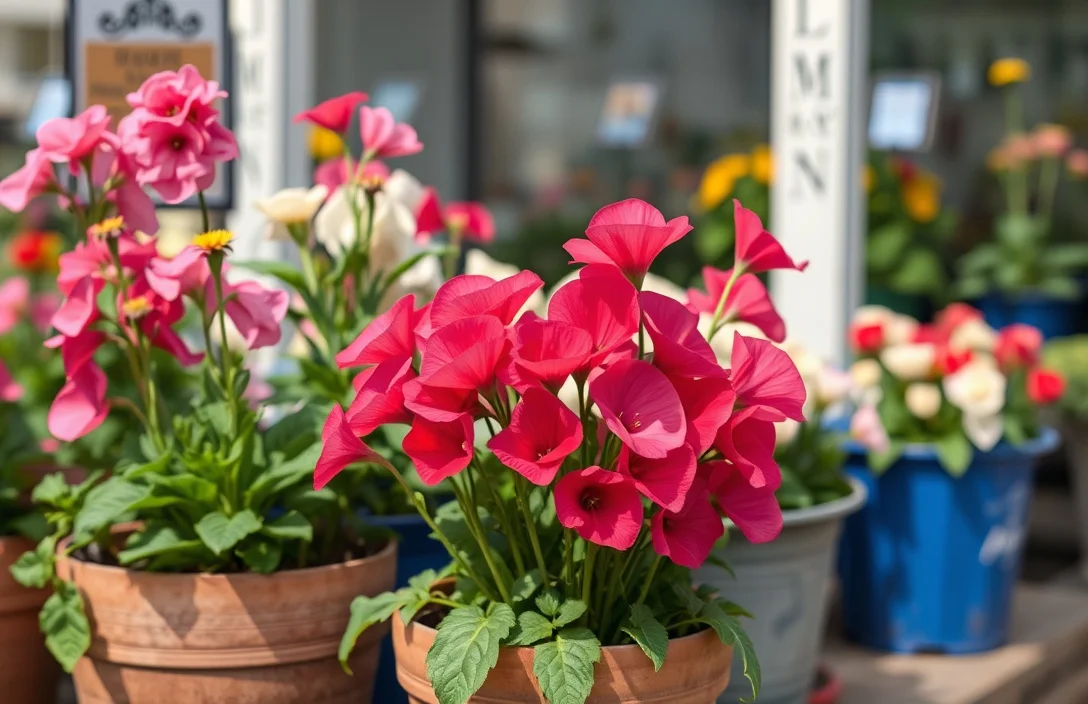
Two container approaches work, and they differ mainly in effort. Option one uses individual pots or larger planters. Option two uses a long trough or window box with careful spacing and a strong trellis system.
You also choose how you start. Direct sow in the container is simple and often works when early spring temps stay cool enough for steady germination. Transplanting can help you get going faster, but root disturbance is the trade-off, so handle seedlings gently.
Here’s a practical comparison to help you choose:
| Option | Key Spec / Price Range | Best For |
|---|---|---|
| 8-10 inch (20-25 cm) pot, 1 plant | Small container, usually low cost | Patios, balconies, gardeners who can water daily |
| 10-14 inch (25-35 cm) pot, 1 plant | Moderate cost, more soil volume | More reliable moisture, better performance in hot weeks |
| Window box or trough (wide) with net trellis | Higher container cost, needs trellis | Straight-line planting near a fence or walkway |
| Starter tray + transplant | Extra time and supplies | Cooler climates with short cool windows |
| Direct sow in final pot | Lowest labor | “Plant and wait” gardeners with stable early spring temps |
For the simplest “most likely to work” path, pick a deep pot (about 10 to 14 inches wide, if you can) with built-in drainage and attach your trellis before you fill it.
Expert Advice for Keeping Sweet Peas Happy in Pots
Treat container sweet peas like cool-season plants with constant root moisture. When sweet peas get too dry, growth slows and flower count drops. When they get too wet, root problems follow. The goal is middle-ground conditions: consistently moist soil with excellent drainage.
Train early and keep it simple. Tie the first few shoots to the trellis or guide them so the plant knows where to go. After that, let tendrils do the work. Avoid moving the pot once vines start grabbing, because it disrupts training.
Feed as flowering approaches, but don’t overdo nitrogen. Too much nitrogen can push leaves instead of blooms. A balanced fertilizer routine, used at the label rate on a regular schedule, tends to produce the best flowering in containers.
Plan for deadheading too. Pinch off spent blooms to encourage more bud formation. It’s one of the fastest ways to extend flowering in pot-grown sweet peas because the plant has less root space to support a long season.
Examples: Sweet Peas in Pots
Example 1: A balcony in a hot-summer city. You put one sweet pea in a 10- to 14-inch wide pot, place it where it gets morning sun, and add a small trellis in the same pot. Water daily during warm spells, and deadhead regularly. The result is a compact plant that climbs cleanly and keeps producing flowers through much of spring.
Example 2: A backyard with cool spring weather and a fence line. You grow sweet peas in a long trough with a trellis net attached to the fence. Seeds go directly into the container after soil temperatures are suitable, and seedlings get trained immediately. Because the larger trough holds more water, you spend less time correcting drying.
Example 3: A gardener who wants the neatest patio look. Choose individual pots with matching trellises and stagger planting dates for a gradual bloom start. This approach makes the display feel intentional and prevents “all blooms, then nothing.” It also lets you replace a pot if one seedling fails without disturbing the others.
All three scenarios work for the same reason: you match container size and support to your weather and your watering habits.
FAQ
1) Can you plant sweet peas in pots in the United States?
Yes. Sweet peas do well in containers if you give each plant enough root space (aim for at least 8 inches/20 cm wide), use a quality potting mix with drainage, and keep soil consistently moist. They also need a trellis or netting for climbing, and they perform best when temperatures are cool, especially in spring.
2) What size pot do sweet peas need?
A good minimum is 8 inches (20 cm) wide per plant, but larger pots (10-14 inches) are easier to manage because they dry out more slowly. Make sure the pot has drainage holes, because sweet peas dislike standing water. If your balcony dries quickly, sizing up is one of the simplest upgrades you can make.
3) How long do sweet peas take to germinate in pots?
Sweet pea seeds commonly germinate in about 7 to 14 days under cool, suitable conditions. Cooler temperatures can slow things down, while very hot conditions can reduce germination reliability. Keeping the pot mix evenly moist (not waterlogged) helps seedlings come up more uniformly.
4) How often should you water potted sweet peas?
Water when the top inch of the mix feels dry, then water thoroughly until excess drains out. In containers, this often means daily watering in warm weather and less often when it’s cooler. If you see flowers dropping early or growth stalling, check whether the pot is drying out between waterings.
5) What’s the most common mistake when growing sweet peas in pots?
The most common mistake is using too-small containers or letting the soil dry out too often. Root stress shows up as fewer blooms, leggy growth, and poor climbing. Fix it by sizing up your pot, providing stable moisture, and adding support at planting so seedlings can grab quickly.

- 10 Best Slow Cooker For Slow Cooking Legumes 2026 (Tested And Reviewed) - October 17, 2026
- 10 Best Slow Cooker For Slow Cooking Oxtail 2026 (Tested And Reviewed) - October 16, 2026
- 10 Best Slow Cooker For Slow Cooking Venison 2026 (Tested And Reviewed) - October 16, 2026