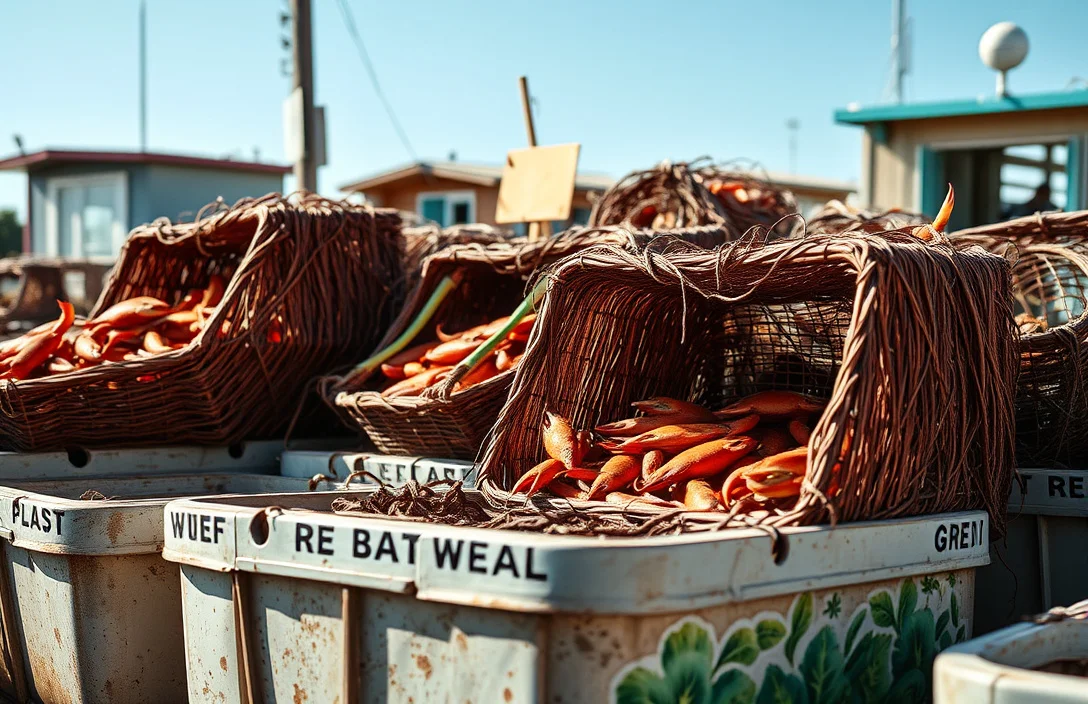
How Much Are Crab Pots?
Crab pots in the US usually cost about $60 to $250 per pot, depending on size, material, and whether you’re buying basic traps or heavier commercial-style gear. The sticker price is only part of the story. Rope, floats, bait bags, ties, and replacement parts often add enough to change your total budget more than the pot price itself. Use the calculator-style breakdown below to estimate what you’ll actually pay.
Crab pots typically run $60 to $250 per pot in the US, and your total cost usually climbs once you add the stuff that makes them usable – rope, buoys, bait accessories, and (sometimes) a frame or flotation kit. If you’re buying more than a few, pot size and durability differences can swing your “cost per usable pot” faster than you’d expect.
Key Takeaways
- Typical per-pot range. Most crab pots cost $60 to $250 depending on size and build.
- Total cost is rarely just pots. Rope, floats, bait accessories, and parts can add tens of dollars per set.
- Larger traps cost more. Bigger mesh and thicker frames generally push you toward the top of the range.
- Buying in bulk helps. Group purchases can reduce your per-pot cost compared with single-item buys.
- Local rules affect gear. Sizes and marking requirements can force you into specific pot types.
- Plan for replacements. Expect wear and occasional replacement of rope, ties, or damaged traps.
how much are crab pots?
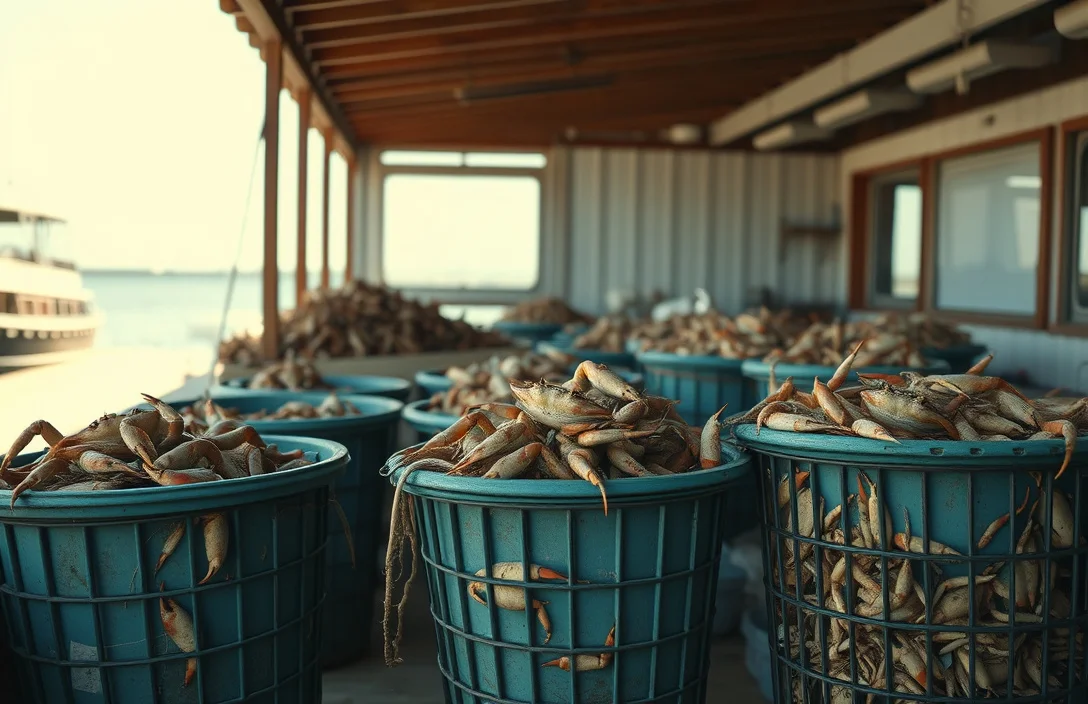
Crab pot cost depends on your fishing setup, your deployment location, and how long you want the gear to hold up. For most first-timers in the United States, a practical starting point is that one trap often lands around $60 to $250, while your “ready-to-fish” total usually rises once you add setup gear and replacements.
Start with how many pots you’re buying. If you want to test your plan, 2 to 4 pots keeps the learning run affordable. If you already know your route and soak time, 5 to 10 pots can make sense because you spread setup overhead across more deployments.
Treat crab pots as a system, not a single purchase. Rope length, flotation choice, and bait-handling accessories can change your total cost even when the pot price stays the same.
how much are crab pots?
A crab pot is only one line item in the total expense. The pot itself is usually the biggest cost, but the gear around it – line, buoys, and attachment hardware – can add up quickly if you don’t already have it.
Two pots with the same sticker price can still produce very different totals. One may arrive nearly ready to deploy; the other may require extra flotation, rope, or replacement components. A better budgeting mindset is simple: pot cost + deployment cost.
Price climbs with common durability features like thicker or more rigid frames, higher-capacity designs, and more durable mesh or coatings. You’ll also see a bigger jump when you go from lightweight recreational gear to heavier commercial-style builds. Those can cost more up front, but they’re often easier on your long-term maintenance budget.
how much are crab pots?
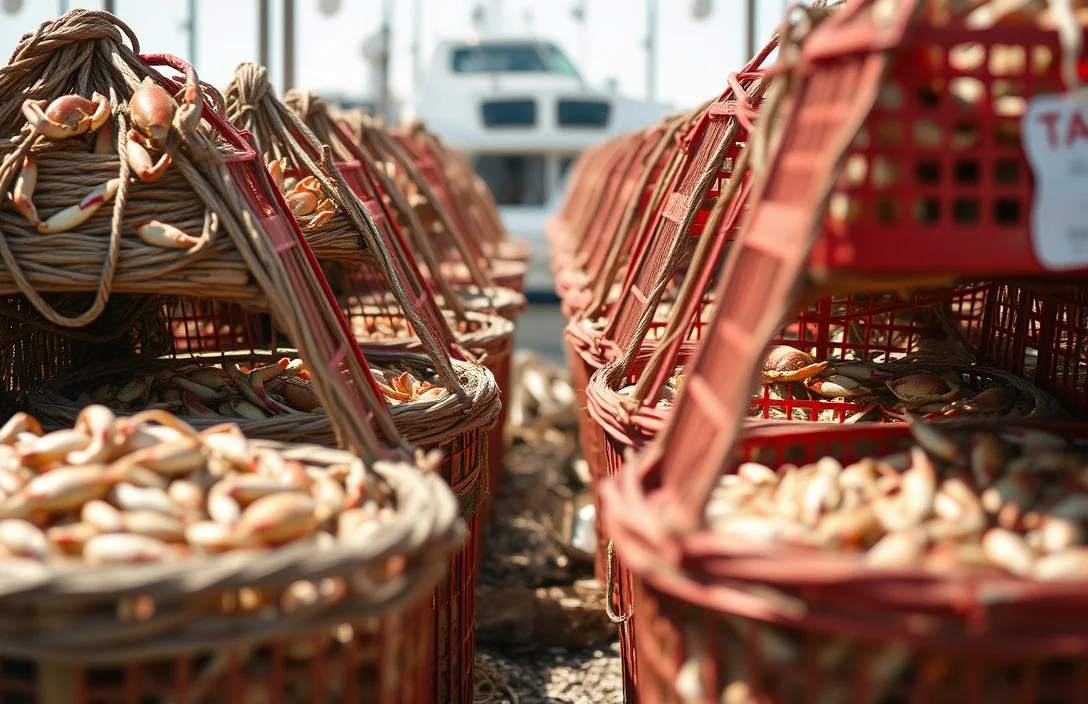
Estimate your budget without overthinking it.
- Pick your pot count. Example: 4 pots for a first test.
- Choose a per-pot price assumption. Use $60 to $250 per pot for the US. If you’re leaning toward sturdier gear, use the higher end.
- Add rope and flotation. Even if you have some supplies, assume you may still need rope, clips, weights, or buoys. If you don’t know what you’ll need, budget 10% to 40% on top of pot prices for deployment accessories.
- Budget bait accessories and replacements. Bait bags and minor repairs matter. If you’ll fish often, set aside a small “wear-and-tear” amount.
- Multiply and sanity-check. Your total should feel realistic for how you plan to spend time on the water.
Total budget ≈ (Pot price per trap × Number of pots) + (Deployment add-on % × Pot subtotal)
Where pot price per trap is in the $60 to $250 range.
Quick estimate
Assumptions:
| Pot price: choose a low, mid, or high point.Deployment accessories: use 20% (middle-of-the-road guess). | Pot count | Low pot price ($60) | Mid pot price ($155) | High pot price ($250) |
|---|---|---|---|---|
| 2 pots | $144 total | $372 total | $600 total | |
| 4 pots | $288 total | $744 total | $1,200 total | |
| 6 pots | $432 total | $1,116 total | $1,800 total | |
| 10 pots | $720 total | $1,860 total | $3,000 total |
\Mid point shown as $155 for a midpoint estimate since no exact pricing data was provided beyond the range.
If you already own rope or buoys, you can lower the deployment add-on percentage. If you’re starting from scratch, use a higher add-on number.
Example scenarios
For 4 pots, if you buy mid-range gear at $155 per pot, your pot subtotal is $620. Add 20% for deployment accessories and you land around $744 before you account for replacements.
If you buy 2 pots at $60 per pot, your pot subtotal is $120. With 20% deployment add-on, your ready-to-fish budget is about $144, assuming you don’t need major missing equipment.
how to compare crab pot deals
Pricing gets easier when you shop with a checklist, not a headline price. Avoid the “cheap crab pots” approach when it leads to missing parts.
First, compare complete vs kit. Some listings include rope length, floats, or bait-handling extras. Others expect you to source them separately. If two pots cost the same, the “complete” option usually wins on total cost.
Second, read for durability signals. Frame strength, mesh quality, and how the trap holds up after hauling matter more than “bigger” alone. If you plan long soaks and frequent trips, replacement frequency becomes part of the price.
Third, price by total setup cost, not per-pot sticker price. A $90 pot plus $40 of missing accessories can be a worse deal than a $125 pot that’s genuinely deploy-ready.
Finally, match the pot type to your area. Local rules can dictate pot construction, escape mechanisms, size, or identification requirements. Skipping the right gear can force an extra purchase later.
What to check before you buy
- Is the listing “deploy-ready” or a trap-only item?
- What flotation or connection hardware is included?
- What rope length (or line type) is recommended or supplied?
- What spare parts are commonly needed (and available)?
- Does local regulation require specific features or markings?
how to budget for crab pots
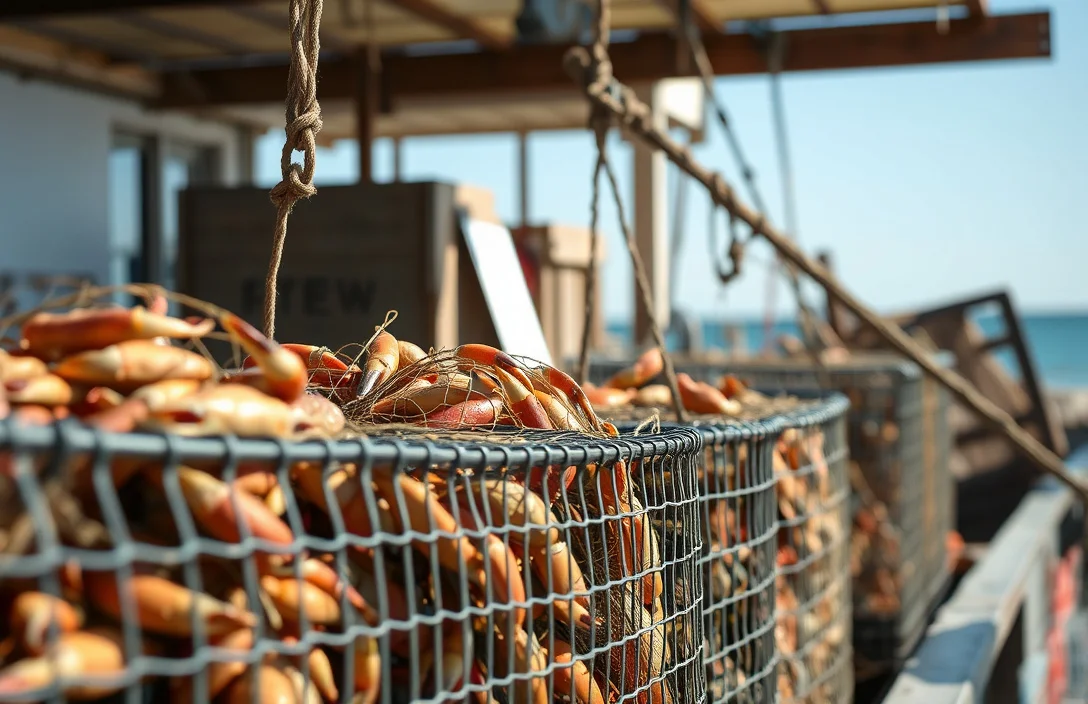
Buy in a way that prevents regret. If spending a bit more avoids missing components or a short service life, that trade-off often pays off. Crab pot failures are annoying and tend to cost you twice – repairs and lost time.
Start with a modest learning set unless you already have a clear deployment plan. If you’re unsure, begin with 2 to 4 pots so you can dial in rope lengths, flotation needs, and bait strategy.
Standardize your gear after that. Using the same make and size across pots reduces spare-part hunting and guessing when something breaks, which lowers both cost and downtime.
Plan for wear from day one. Rope frays, ties break, and traps take hits. Put a small replacement budget into your first month so repairs don’t feel like surprise spending.
Track cost per effective fishing day. Buying ten pots for one outing is expensive. Buying four pots and using them repeatedly usually drops your per-day cost quickly.
A practical buying
- Choose pot count first, then pricing.
- Confirm included parts (rope/flotation/hardware).
- Buy matching sizes if you’ll maintain multiple pots.
- Set aside a small repair budget for year-one.
- Verify local rules so you don’t replace gear later.
how much are crab pots?
Treating crab pots like a single purchase causes most budgeting problems. The pot price is only part of the budget – the extras can turn a $60 plan into a higher real cost fast.
Ignoring whether setup parts are included is another common mistake. Trap-only gear can still require rope, buoys, connectors, and bait-handling accessories, pushing the effective cost per pot well above your starting assumption.
Chasing only the cheapest sticker price often leads to higher replacement frequency. Cheaper gear may fail sooner under real hauling and soak conditions, which means you pay again and spend time maintaining instead of fishing.
Buying the wrong pot type for your area can also become costly. Even if the trap itself looks affordable, a mismatch with local requirements can force you into an additional purchase.
Forgetting regulations is a silent budget killer. If you get forced to swap gear after buying, your “per pot” math stops matching reality. Verify local constraints before you commit.
how to get the best value for crab pots
Reduce uncertainty before you buy. The best move is to calculate total deployment cost – not just the pot price – then choose the lowest option that’s actually deploy-ready.
Pro Tip: Ask what’s included. Use one question when you compare products: “What exactly comes in the box?” If rope, floats, or hardware aren’t included, price them separately. That’s how you avoid comparing listings that aren’t comparable.
Pro Tip: Use tiers while shopping. For example:
- Budget tier: assume the lower end of $60 to $250 per pot.
- Comfort tier: assume the midpoint and include an accessories add-on.
- Durability tier: assume the high end and plan less frequent replacement.
Pro Tip: Buy spares early for the parts you lose most. Rope sections, ties, and common connectors cost little compared to scrapping a trip due to missing parts.
Pro Tip: Match your setup to your routine. If you haul at the same intervals, standardize your pot count and deployment pattern. Fewer variables mean faster troubleshooting when a gear issue shows up.
FAQ
How much are crab pots for a beginner set in the US?
A beginner set often costs more than the pot sticker price. Most crab pots run $60 to $250 per pot, and your total budget usually lands higher after you add rope, floats, bait accessories, and minor replacement parts. If you’re buying 2 to 4 pots, a realistic planning target is the low-to-mid end of that range plus a deployment add-on.
What is the cheapest way to buy crab pots?
The cheapest approach is buying gear that’s closer to deploy-ready, not trap-only items. If two pots look similarly priced, compare what’s included in the box and what you still need to add. Decide using total cost (pot cost plus accessories), not just the per-pot price.
Are crab pots safe to handle, and what should I watch out for?
Crab pots are generally safe to handle with gloves and by avoiding sharp hardware. Still, inspect for broken ties or damaged frames before you deploy them, since wear can create snag hazards. When handling rope under tension, keep your fingers away from pinch points and use controlled movements.
How many crab pots should I start with?
Most first-timers start with 2 to 4 pots to learn deployment timing and gear behavior without overspending. If you already have rope, floats, and a clear plan for where you’ll fish, moving to 5 to 10 pots can make sense. Your right number depends on how often you’ll service the gear and how quickly you want to scale up.
What’s the most common mistake when budgeting for crab pots?
People usually budget only the pot price and forget deployment accessories and replacements. That’s how a plan based on $60 traps turns into a higher real cost once you add rope, floats, connectors, and repairs. Price a complete setup before you buy anything.

- 10 Best Slow Cooker For Slow Cooking Legumes 2026 (Tested And Reviewed) - October 17, 2026
- 10 Best Slow Cooker For Slow Cooking Oxtail 2026 (Tested And Reviewed) - October 16, 2026
- 10 Best Slow Cooker For Slow Cooking Venison 2026 (Tested And Reviewed) - October 16, 2026