Growing Xmas Trees In Pots: 3 Tips Worth Trying
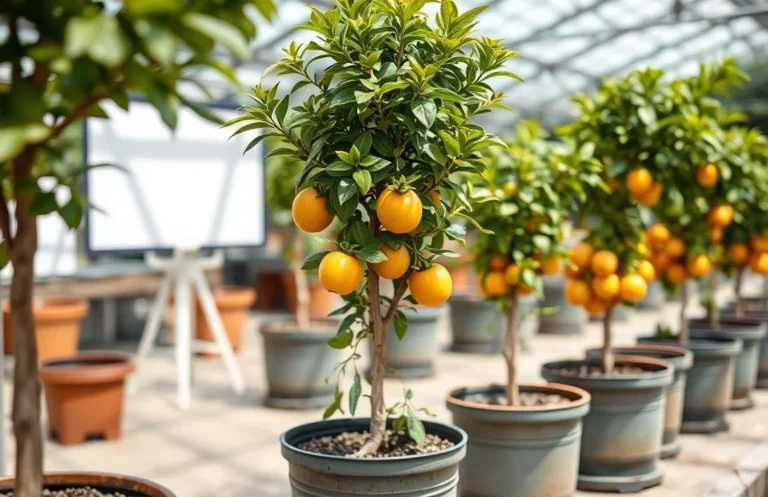
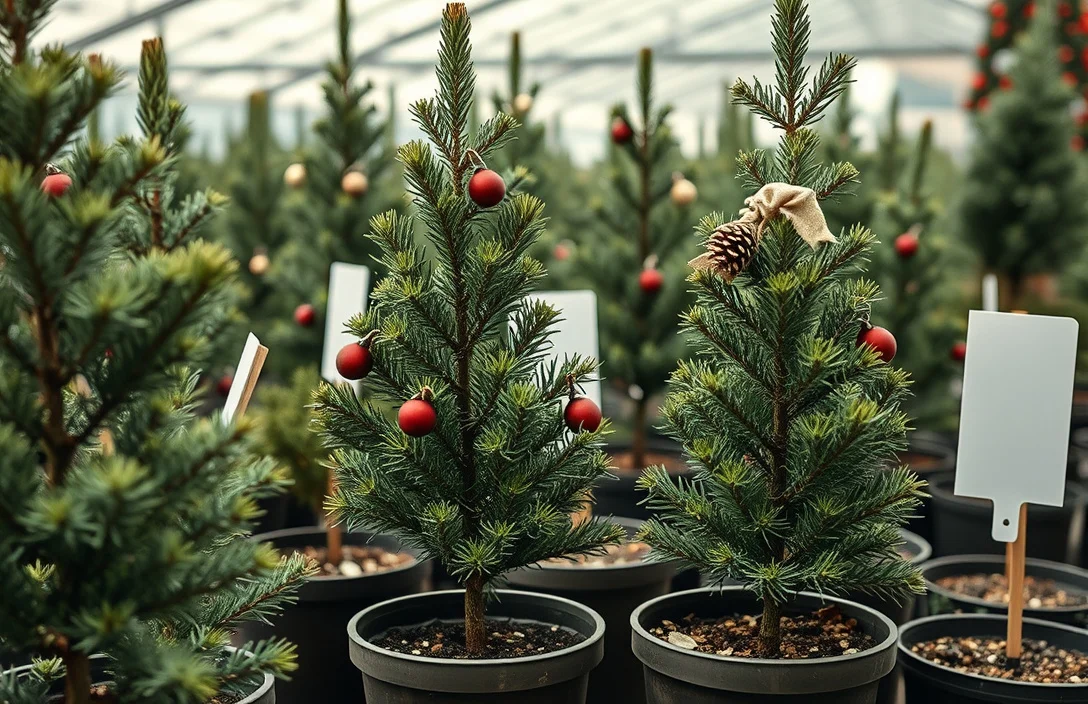
Growing Xmas trees in pots is absolutely doable in the U.S., but it only works if you treat the tree like a long-term container plant, not a disposable holiday decoration. If you want a real shot at reusing the same tree next year, you need the right species, a big enough pot, a winter plan, and a system for keeping roots healthy. This guide gives you a practical timeline and the exact decisions that make potted Christmas trees survive.
Growing Xmas trees in pots is possible, but most failures come from two things: using a container that’s too small and leaving the tree indoors too long. Pick a conifer that tolerates outdoor container life, use a pot large enough to prevent root circling, and keep soil evenly moist without letting it stay soggy. Move the tree outdoors as soon as temperatures allow, then harden it off before planting in the ground.
Key Takeaways
- Start with the right tree – Choose true conifers like spruce, fir, or pine that tolerate container life.
- Go big on the pot – A larger root volume slows dehydration and reduces root damage.
- Use proper drainage soil – A pine-bark based mix with drainage helps prevent rot while still holding moisture.
- Water steadily in fall – Keep soil evenly moist, then adjust as temperatures drop.
- Avoid long indoor stays – Limit indoor time and move outdoors for winter.
- Plan root management early – Prevent circling roots or stunting before the holiday season.
Growing Xmas Trees In Pots Step-by-Step Setup
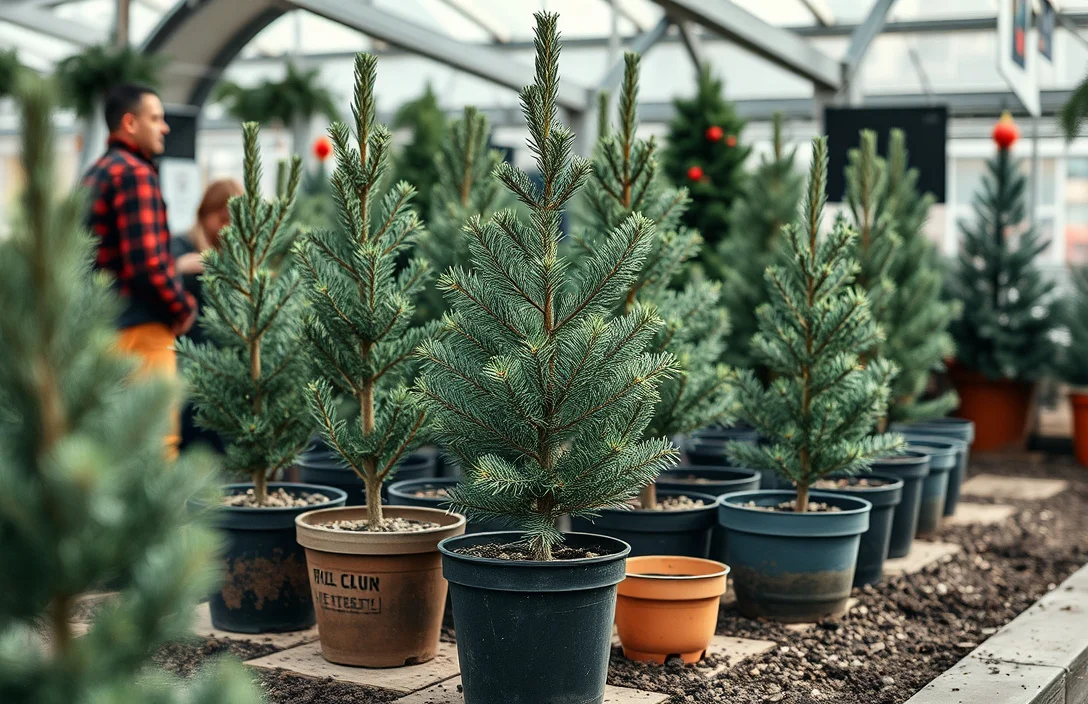
Start with a plan for the entire season, not just the weeks around Christmas. Potted trees can look great in November and then decline fast if they dry out, overheat indoors, or don’t get enough cold exposure.
1) Buy early and check the root situation. Look for trees sold as container-grown, not “cut tree with a pot.” If roots are tightly circling or the pot is tiny compared to the tree, you’ll fight stunting from day one. When you get it home, inspect the soil surface for extreme dryness, and confirm there are drainage holes.
2) Choose the container you will grow in. For most people, the easiest path is to pot up into a larger nursery container right away (or shortly after) so roots have room. Use containers with drainage holes, and use a saucer only if you can empty it after watering. If water sits in the bottom for days, root rot follows.
3) Use the right soil mix. Don’t use straight garden soil in a container. Container mixes breathe better and drain while still holding enough moisture. Aim for a mix that stays crumbly, not muddy, when you water.
4) Establish consistent watering before cold weather. In late fall and early winter, trees still need water, but demand shifts with weather and airflow. Check moisture by feel: if the top layer is dry, water thoroughly until excess drains out.
5) Put it in the “right indoor spot” briefly, then move outdoors. During the holiday window, keep the tree away from heaters, fireplaces, and strong sunlight through hot windows that warm the container. After the holidays, move it back outside promptly so it can go dormant normally.
6) Decide your post-holiday endgame. Some people keep the tree potted and overwinter it outdoors. Others move it to the ground after the holidays. Either way, winter only works with a root-safe routine, and your endgame determines how aggressively you pot up or manage roots.
If your goal is planting into the yard, prioritize outdoor hardiness and skip any “keep it as a houseplant” mindset. If your goal is repeated container growth, choose a bigger pot strategy and handle roots carefully over time.
Which Tree Species Work Best in Containers
The best container Christmas trees are conifers that handle cool seasons and don’t depend on greenhouse-like conditions. Choose species that are sold and grown for outdoor conditions, because “tolerant of containers” usually means “can handle real winter weather.”
In many U.S. climates, spruce, fir, and pine sold as nursery stock are usually the most reliable choices. Spruce often does well with cool temperatures and outdoor placement. Fir typically needs a balanced moisture approach and good air movement. Pine is often the easiest to manage in containers, as long as you don’t let it dry out completely.
Your location still decides the “best.” A pine that thrives in dry, cold winters can suffer in hot, humid summers if the tree overheats in a small pot. A fir that prefers more moisture may struggle where container media dries out quickly and you miss watering.
Two practical checks make shopping easier:
- Look for container-grown stock (not bare-root for an indoor holiday display).
- Confirm the tree is hardy for your zone and that you can provide a winter period outdoors.
If local sellers offer “Christmas tree in a pot” options, ask whether it was grown in a container long-term. That one detail often separates a tree with intact roots from one that’s already stressed.
Pot Size and Soil Mix for Potted Christmas Trees
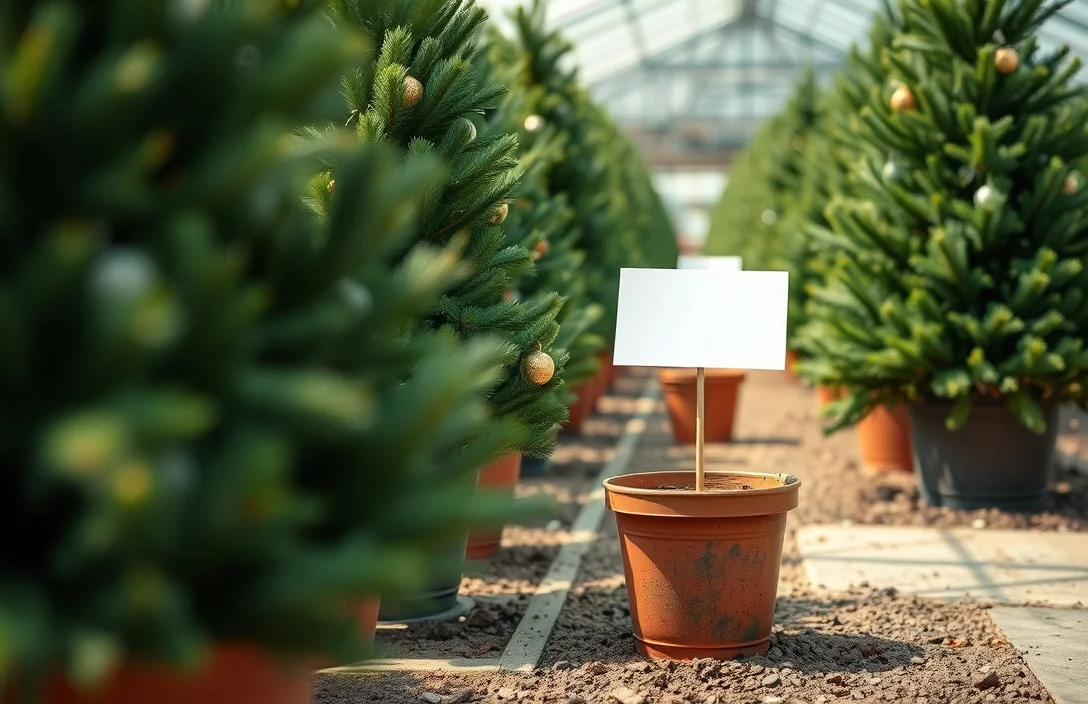
Pot size decides whether a potted Christmas tree looks good all season or struggles by February. Containers restrict roots, and restricted roots lead quickly to dehydration, stunted growth, and nutrient uptake problems.
For most home setups, use a container large enough that the root ball isn’t cramped and the tree isn’t root-bound. If you’re potting up, go as large as you can manage while still being able to move the pot safely, especially in freeze-thaw weather. A pot that’s too small dries fast and forces constant watering, and that’s exactly when people overcorrect and drown the roots.
Soil mix matters because containers swing from “sponge” to “wick” to “desert,” depending on weather. Use a mix made for containers with good drainage. A common approach is a high-quality potting mix amended with pine bark fines (or similar ingredients) to improve structure. Avoid heavy garden soil, and don’t pack the soil down tightly around the trunk.
Use these rules to keep the potting system working:
- Always use drainage holes so water can exit the pot.
- Don’t set the pot in a standing-water tray during cold months.
- Leave a little headroom so you can water thoroughly without overflow.
- Top dress carefully if you add mulch, because too much mulch can keep the media too wet near the base.
You can succeed with a minimum-size pot, but you’ll need tighter watering and faster adjustments when conditions change. If you want “set it up once and manage it,” bigger is better.
Helpful pick
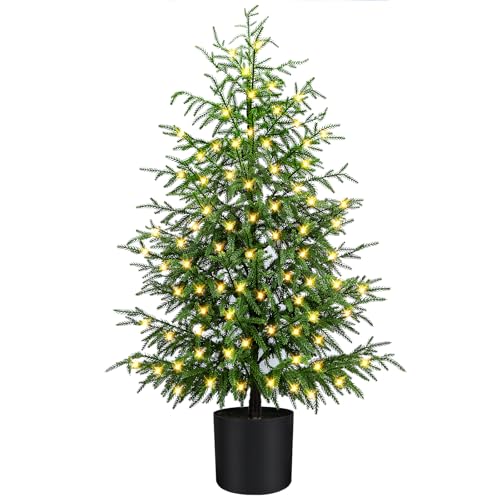
ENVEN 4FT Pre-Lit Artificial Norfolk Pine Christmas Tree – Realistic Potted Tree with 100 LED Lights & 8-Function Battery Box, Pre-Assembled Faux Holiday Décor for Indoor Use
This pre-lit potted Norfolk Pine tree provides a contained, stable pot setup suitable for keeping water in check and following drainage rules.
Watering Schedule and Fertilizer for Container Growth
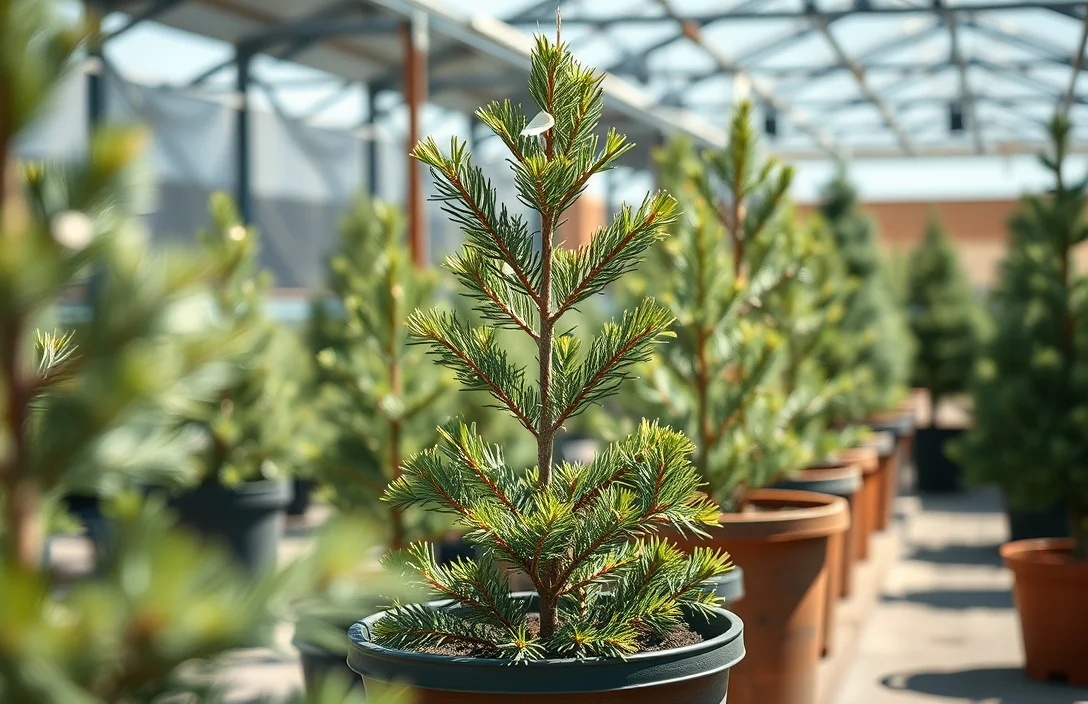
Watering potted Christmas trees is about reading the container, not following a calendar. Soil moisture swings quickly in containers, especially with wind outdoors and dry air indoors.
Use a simple system:
- Check moisture at least once a day during the holiday period, then every couple of days once the tree is outdoors again (more often in warm spells).
- Aim for even moisture, not waterlogged soil.
- When you water, water thoroughly until excess drains from the bottom. Wait until the top portion dries slightly before watering again.
Indoor watering causes most problems. Dry indoor air and heat near windows can dry the top of the mix while the deeper media stays damp. That mismatch stresses roots and can lead to needle drop. Keep indoor time short and keep the tree cooler if possible.
Fertilizer should be mild and timed. In late fall, heavy feeding usually backfires because the tree is shifting into dormancy patterns. If you fertilize, do it conservatively with a balanced fertilizer made for container conifers and follow the label rate.
A straightforward approach:
- Stop or minimize feeding after late fall to avoid encouraging late growth.
- Resume light feeding in spring when active growth returns.
- If needles look pale or growth is weak, adjust in spring, not during the holiday weeks.
If you start with a nutrient-rich potting mix and use minimal fertilizer, you can often get through the holiday season without taking extra risks. Water management is usually the bigger issue than feeding.

Helpful pick
Best Choice Products Prelit Potted Pencil Christmas Tree, 6Ft Artificial Lighted Holiday Décor, 250 Twinkling LEDs for Home, Front Porch
This pre-lit, potted pencil tree offers a low-maintenance option, minimizing watering while keeping the holiday setup simple.
Sunlight, Temperature, and Indoor vs Outdoor Timeline
Most potted Christmas trees need outdoor conditions to stay healthy. In December, the job is to prevent heat stress and desiccation while still enjoying the holiday look.
Outdoors, place the pot where it gets bright light, ideally with morning sun and protection from harsh afternoon heat if you’re in a hot climate. Outdoor placement also brings consistent airflow, which helps reduce fungal pressure. Indoors, keep the tree away from heating vents and fireplaces, and avoid direct blast sunlight through hot windows.

Helpful pick
Artificial Norfolk Pine Tree, 4 ft Realistic Christmas Tree, Fake Potted Plants for Front Porch Outdoor Indoor Garden Christmas Decor
Perfect for front-porch display, this Norfolk Pine can stay outdoors in bright light, aligning with seasonal conditions.
Use this timeline:
- Before bringing indoors: confirm the soil isn’t bone-dry.
- Holiday indoor period: keep the tree cooler and keep indoor days as limited as you can.
- After the holidays: move it outdoors promptly so warm indoor conditions don’t trick it into “growing” again.
Temperature swings matter. If the tree stays indoors warm for a week or more, it can break dormancy and then suffer when you swing it back to freezing outdoor conditions. That doesn’t mean “no indoor display,” but indoor time needs to be short and controlled.
In cold regions, protect the container itself. A pot can freeze solid faster than nearby ground, which stresses roots. Insulating the pot (for example, wrapping with breathable insulation and keeping it off direct freeze-damp ground) can help, but don’t seal it in a way that traps moisture and promotes rot.
Pruning and Root Management to Prevent Stunting
Stunting in potted Christmas trees usually traces back to roots. When roots circle inside a container, the tree takes up less water and nutrients, and growth slows year after year.
For short-term survival (one holiday season), you may not need to prune much. Move the tree carefully so you don’t damage roots during pot handling. If you keep the tree in a pot for multiple seasons, root management becomes necessary.
Root management typically includes:
- Inspecting the root ball during pot-ups.
- Breaking up and straightening circling roots gently when you move to a larger container.
- Avoiding aggressive pruning right before the holiday period.
Above-ground pruning is different. For container trees, shape lightly and only as needed. Over-pruning in winter removes foliage the tree needs for energy, especially if it isn’t truly fully dormant.
If the tree starts looking “stuck,” don’t assume fertilizer will fix it. Check these basics first:
- Is the pot root-bound?
- Is the container drying too fast?
- Is the tree getting enough outdoor seasonal rest?
My safest rule is simple: do major root work in spring when new growth is starting, and keep holiday-time handling minimal. That timing reduces stress and gives the tree a real recovery window.
How to Move to the Ground After the Holidays
Planting a potted Christmas tree in the ground is often the best way to prevent long-term container stunting. Roots get more space and stable moisture from native soil.
Timing depends on your climate, but the principle is consistent: move the tree when the ground is workable and the tree isn’t in active indoor “growing” mode. If it spent a lot of time indoors, harden it off outdoors briefly before planting.
Start by preparing the planting hole before you bring the tree over. The hole should be wide enough to fit the root ball without forcing roots to bend sharply. Keep the tree at the right planting depth. Many people bury too deep because pot media sits higher than native soil.
When you remove the tree from the pot, handle it by the root ball, not by the trunk. If roots are circling heavily, you may need gentle root straightening, but avoid ripping apart the root ball more than necessary. Set the root ball in the hole, backfill with native soil amended lightly if needed for structure, then water thoroughly to settle soil around roots.
After planting, follow a watering routine that matches your soil. For the first growing season, water deeply when the top layer dries, and avoid swings between bone-dry and flooded. Mulch helps, but keep it away from the trunk flare so you don’t create a constant wet zone.
If your soil is heavy and holds water, adjust watering more carefully to prevent root issues. If your soil drains quickly, you’ll need steadier moisture.
FAQ
Can I keep a potted Christmas tree indoors all winter?
Keeping a conifer warm indoors all winter fights dormancy. Most trees need a cold outdoor period to stay healthy. Limit indoor time to the holiday display window, then move the pot outside to a protected spot once temperatures allow.
What’s the cheapest way to grow Christmas trees in pots?
The cheapest approach starts with a tree that’s already hardy for your zone. Pot it into a large container with a good drainage mix. Spend money on the things that prevent failure: drainage holes and soil that doesn’t stay soggy.
How often should I water a potted Christmas tree in December?
Water based on moisture, not a fixed schedule. Check daily during the indoor holiday period, then every couple of days once the tree is outdoors. Water thoroughly until excess drains, then wait until the top portion of the mix dries slightly before watering again.
When should I fertilize a potted Christmas tree?
Fertilize conservatively and time it correctly. Avoid heavy feeding in late fall and during the holiday weeks. Feed lightly in spring when growth resumes, and use the label rate on a fertilizer suitable for conifers.
What’s the most common mistake with growing Xmas trees in pots?
Using a container that’s too small or keeping the tree indoors too long causes the most problems. A cramped pot dries fast and stresses roots, and warm indoor conditions can disrupt normal dormancy. The result is needle drop and stunted growth later.

- 10 Best Slow Cooker For Slow Cooking Legumes 2026 (Tested And Reviewed) - October 17, 2026
- 10 Best Slow Cooker For Slow Cooking Oxtail 2026 (Tested And Reviewed) - October 16, 2026
- 10 Best Slow Cooker For Slow Cooking Venison 2026 (Tested And Reviewed) - October 16, 2026