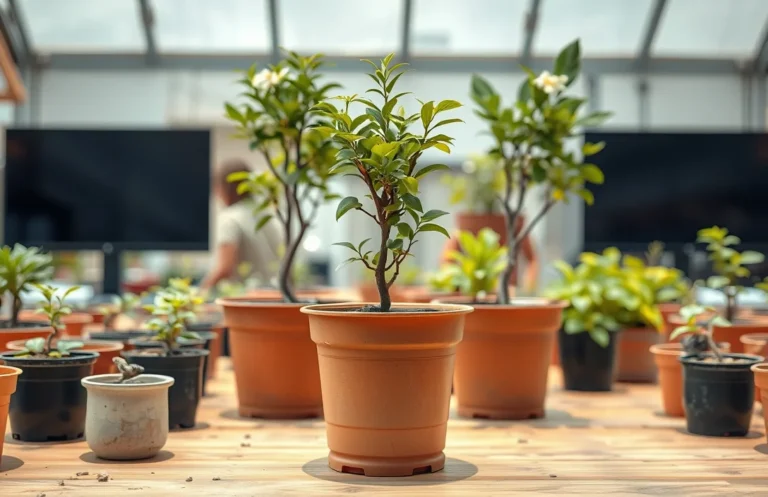
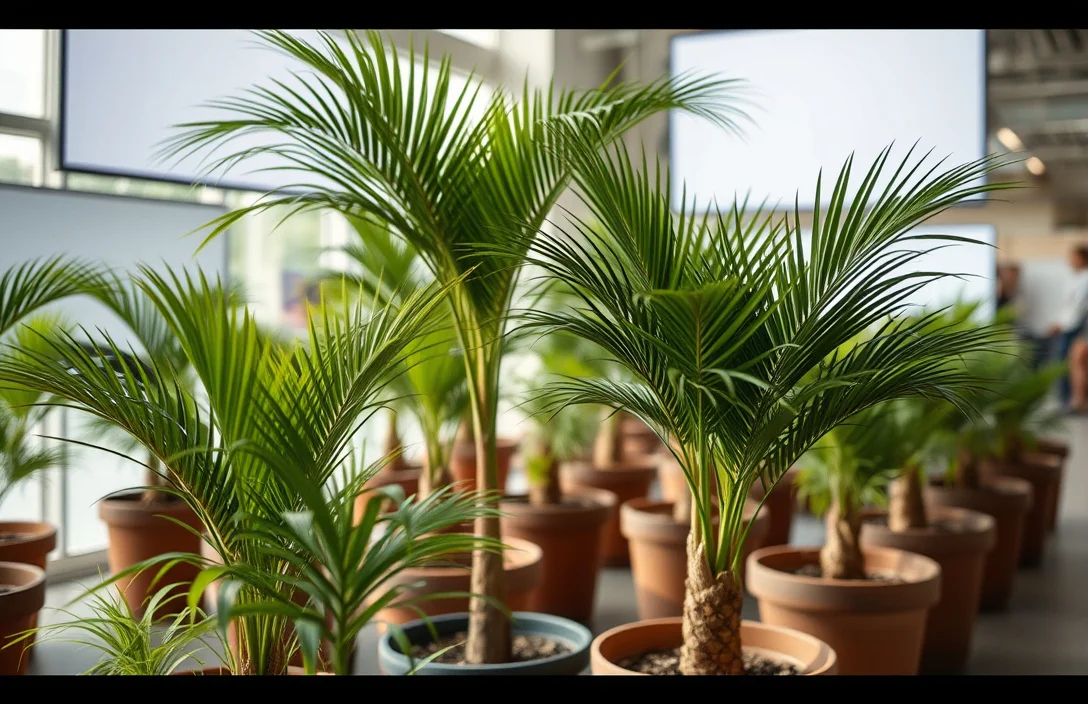
Growing Palm Trees In Pots Explained Simply
Palm trees can absolutely live in pots in the United States, but you have less margin for error than people assume. Most pot-palm problems come back to three things – drainage, winter cold (or indoor heat stress), and picking a species that actually matches your temperatures. This guide lays out a practical plan for container size, soil mix, watering rhythm, light setup, and a winter approach.
Growing palm trees in pots works when drainage is reliable and the species fits your local winter conditions. A pot limits soil’s ability to buffer temperature swings, and it changes how fast water and oxygen reach the roots. If the mix stays soggy, root rot moves in quickly and you often notice the damage only after it’s already started.
Key Takeaways
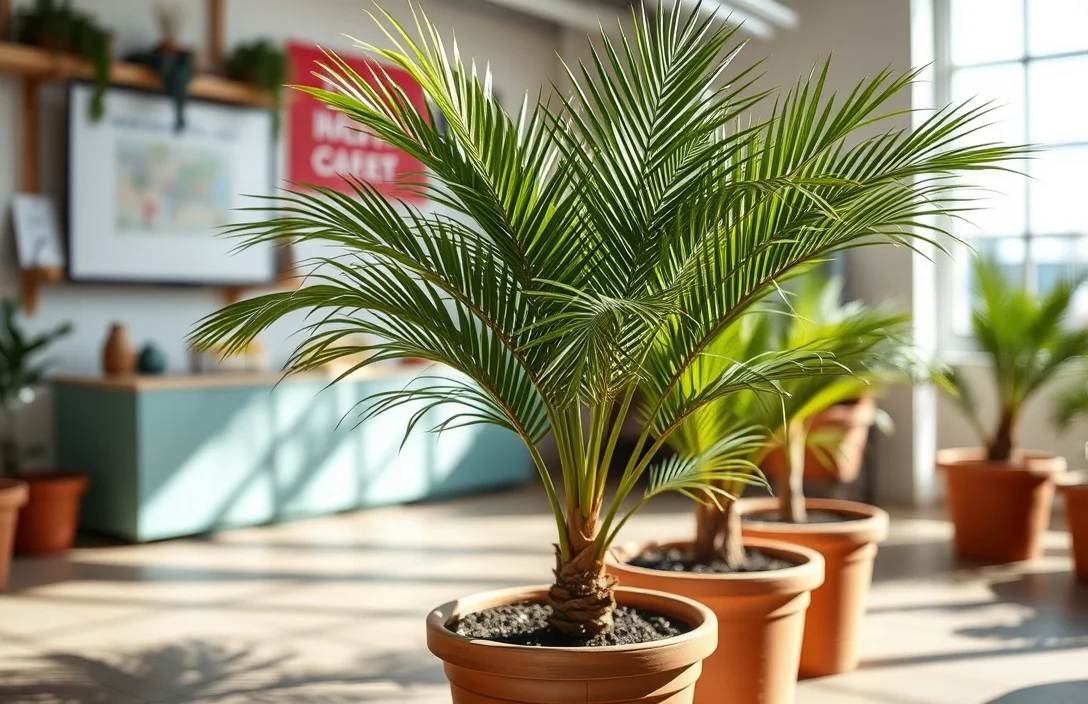
- Start with the right palm. Choose a cold-tolerant species for your area, because pots heat and cool faster than ground soil.
- Drainage is non-negotiable. Use a pot with drainage holes and a fast-draining mix to prevent root rot.
- Light drives growth. Indoors, palms typically need bright light near a window; outdoors, they can take more sun when temperatures are safe.
- Water by conditions. Check soil moisture before watering, since pots dry faster in heat and wind.
- Plan for winter. Move indoors or protect before overnight temperatures drop.
- Fertilize lightly. Feed during active growth with a palm-appropriate fertilizer and avoid overdoing it.
What to Know About growing palm trees in pots
Potted palms live or die by the root environment. The biggest difference from planting in-ground is that a container can’t buffer temperature swings the way native soil does. Water also behaves differently – it moves through a pot faster, and oxygen depends on how quickly that water drains away. If your pot stays damp for too long, root rot becomes a real risk.
Seasonality matters just as much. In most U.S. climates, palms spend warm months outdoors and get moved when the weather turns cold, or they stay under consistent greenhouse-level conditions. Even palms that tolerate some cold outdoors slow down when it’s cooler, so watering and feeding need to adjust with the season.
“Palm care” isn’t one universal routine. Cold tolerance, salt exposure, humidity needs, and indoor light requirements vary by species. Before you buy, decide where the palm will live during each season, then pick the palm that fits that plan.
Things that matter most
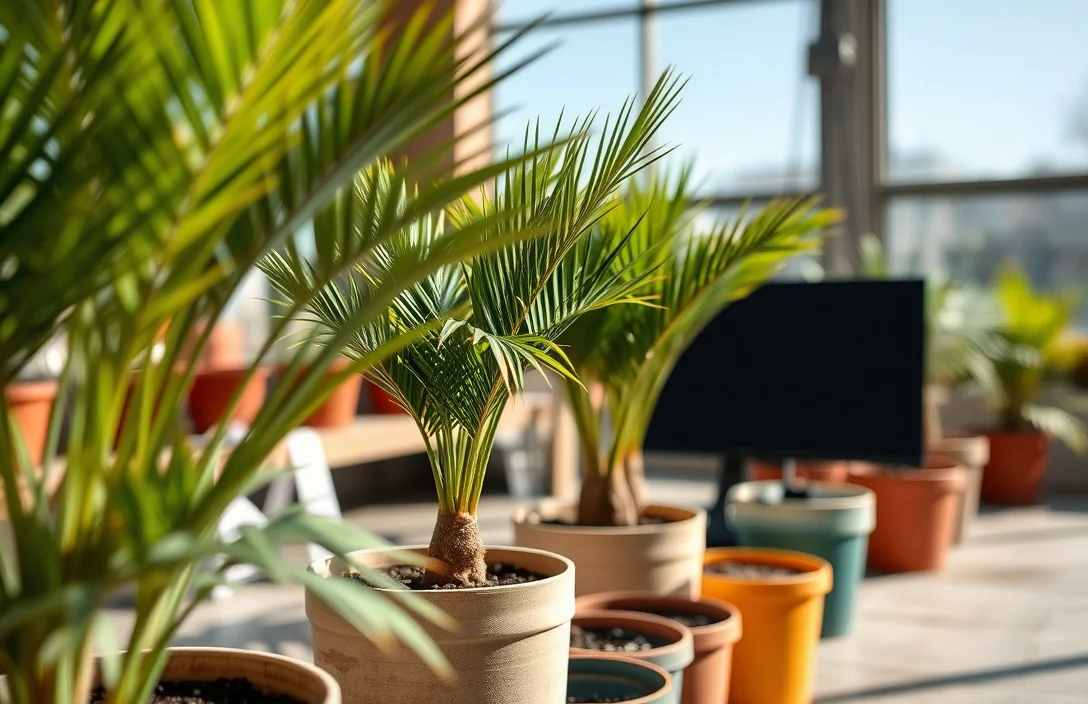
Use a container that can breathe. Drainage holes are the baseline. If you use a decorative outer cachepot, keep the palm pot inside it – then empty any excess water after watering.
Use a soil mix that drains fast, not garden soil. Garden soil holds onto moisture too long in a container, especially indoors where evaporation is slower. A palm-friendly mix with coarse material like perlite or pumice helps water flow through and keeps oxygen available around the roots.
Build your light strategy around the season. Outdoors, many palms handle strong sun when temperatures are warm, but a sudden jump from indoor light to full sun can scorch fronds. Indoors, plan on strong light near a bright window. Supplemental light may be necessary if you want steady growth instead of slow, weak development.
Water using a repeatable moisture check. Don’t rely on a calendar. Press your finger a couple inches into the pot. If the mix feels dry at that depth, water thoroughly until excess drains out. If it still feels moist, wait – palms don’t tolerate sitting in damp soil.
Fertilize for active growth, not for the calendar year. Many potted palms do best with light, regular feeding during warm growth periods and minimal feeding when growth slows. Pale fronds or slow new growth usually responds first to correcting light and watering. Add nutrients only after those are right.
Tips for growing palm trees in pots
Water with a “wet, then dry” rhythm. When you water, soak thoroughly so liquid runs out the drainage holes. Then wait until the pot dries back before watering again. This prevents chronic sogginess, which is how root problems start.
Don’t jump to a huge pot size. Oversized containers hold extra moisture longer, and a small plant can sit in wet soil. Move up gradually as roots fill the current pot – palms often prefer a snug root environment rather than constantly wet conditions.
Repot at the warm-season pace. Repotting during cooler months can slow recovery and stress the root system. When you repot, handle roots gently, keep the planting depth roughly the same, and use fresh fast-draining mix.
Create a winter plan before cold arrives. Many gardeners lose track of how quickly “cool and fine” becomes too dim or too cold for palm growth. If you bring your palm indoors, put it in your brightest window and avoid locations where temperatures swing into freezing territory.
Trim only what’s truly damaged. Yellow or brown fronds can reflect stress, and they can take time to fully recover. Remove fronds only when they’re clearly dead – cutting living tissue adds stress when the plant is already adjusting.
Inspect for pests regularly. Indoor palms often attract scale, mealybugs, and spider mites, especially in dry indoor air. Catching problems early makes treatment much easier. Wipe leaves, check undersides, and act as soon as you see pests.

Helpful pick
Nearly Natural 4ft Golden Cane Palm, Double Stalk Artificial Tree With Lush Realistic Foliage Maintenance Free Indoor Faux Palm Plant For Living Room, Easy Setup, Perfect Tropical Decoration
Offers a decorative palm option with zero irrigation needs, aligning with pot care while you apply the wet-dry rhythm tips.
Benefits of growing palm trees in pots
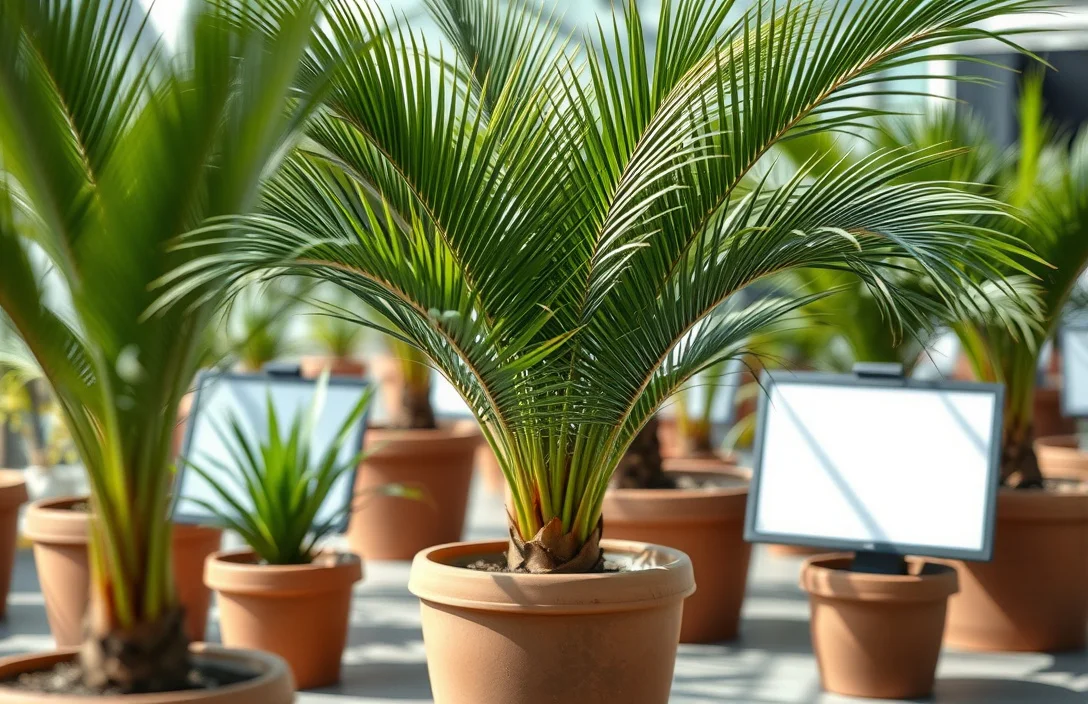
Potted palms give you control. You can move the plant to match weather, sun angle, and indoor light, which is how you make palms work in places where winters are too cold for in-ground planting.
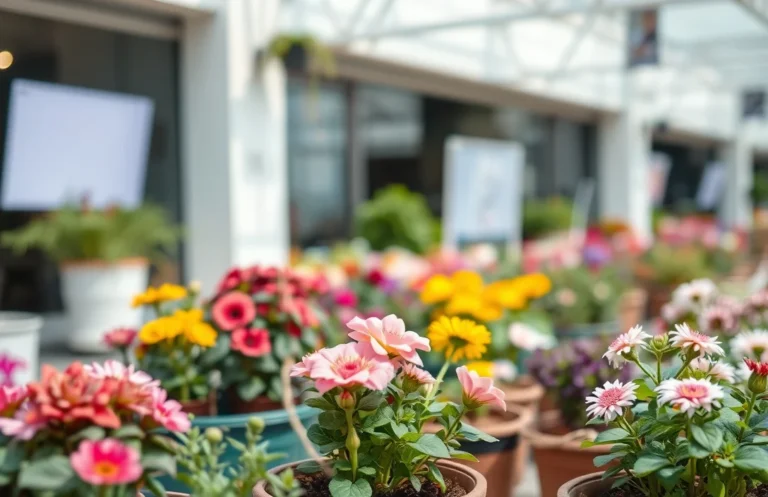
Pots also make landscaping flexible. A palm can be a focal point on a patio or near an entryway, or it can live in a controlled indoor corner where you can monitor growth. When you change your layout, the plant moves with it.
You can manage soil and drainage instead of fighting your yard. With a pot, you build a palm-appropriate mix rather than relying on whatever your native soil provides. That control is a major advantage in heavy clay areas or places with poor drainage.
Container gardening speeds up learning. Want to try a new species? A pot lets you experiment without committing years to ground planting. If the palm isn’t a match, you’ll usually learn faster and adjust your approach.

Helpful pick
ASTIDY Artificial Palm Tree 5FT – Fake Tree with White Tall Planter – Faux Tropical Areca Floor Plant in Pot – Artificial Silk Plant for Home Office Living Room Decor Indoor
This 5ft artificial palm in a pot demonstrates movable greenery that supports flexible, season-smart layouts.
Options for growing palm trees in pots
Start with species choice, because it determines everything else. Some palms handle cooler weather better than others, and your U.S. zone plus your ability to bring the plant indoors will drive what you can grow. If you can’t reliably protect it from cold, choose a palm known for cold tolerance in your region – your local nursery can point you to what survives outdoors there and how it typically behaves in containers.
Choose your growing location based on real seasons, not hopes. Many people manage “outdoor warm season, indoor winter,” but the indoor part only works if you have bright light. If your winters are dark or indoor temperatures drop too low, use a protected space like a porch, greenhouse, or a grow tent with proper lighting.
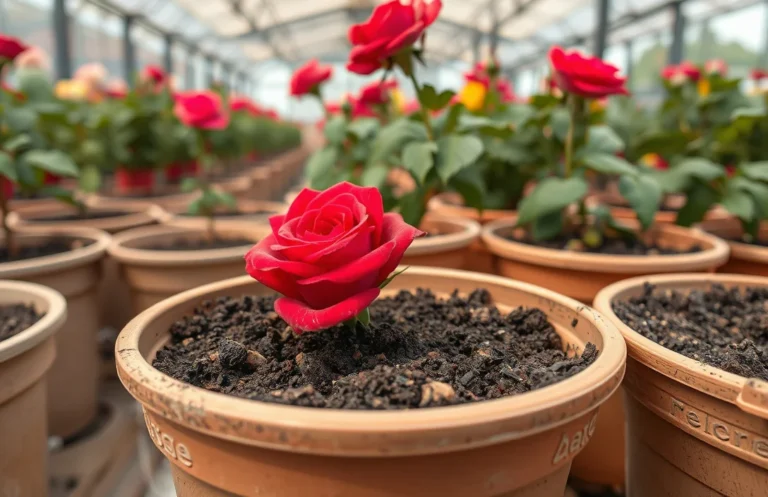
Pick a pot type that matches your habits. Terracotta dries faster, which helps in humid climates but can backfire if you forget to water. Plastic or resin holds moisture longer, which can help if you water lightly, but you still need excellent drainage and airflow.
Decide whether you’ll use an outer decorative pot. If you do, keep a drainage tray and never let the inner pot sit in standing water. Standing water is a direct route to root rot.
Handle winter light deliberately. If you bring palms indoors, assess whether the plant gets enough direct or bright window light. If it doesn’t, supplemental grow lights can be the difference between surviving and declining.

Helpful pick
One 5 Foot Artificial Silk Bird of Paradise Palm Tree Potted Plant by Bagari
Ideal pot-ready option to preview palm size and placement while planning real, living specimens.
Expert Advice on growing palm trees in pots
Match the plant to your sunlight first, then build the rest around it. If your indoor spot is dim, don’t buy a palm that needs strong light to stay healthy. A less demanding palm in good light beats a more dramatic palm in a poor location every time.
Root health and repot timing matter. When roots are congested or the mix breaks down and holds extra water, growth stalls. Refresh the mix with a fast-draining blend and size up by a manageable amount to restart progress.
Keep feeding conservative. Over-fertilizing can worsen salt buildup and contribute to burned tips on stressed palms. If your palm looks rough, fix light and watering before adding more nutrients.
Treat cold as a timing issue, not a one-time event. Potted plants feel cold stress fast. Start protection before a cold snap and avoid repeated freeze-thaw cycles that can damage fronds and roots.
Look at the whole plant, not just the newest fronds. Palms often show problems gradually. Slow growth and fronds that look tired sooner than expected can be early signs of drainage issues or pests. A quick weekly check helps you catch trouble early.
If you’re unsure what will work, ask a local nursery for a “container-compatible” recommendation. A good nursery will talk about survival conditions where you live and how the palm typically performs in pots compared with in-ground planting.
Examples: growing palm trees in pots
For a sunny patio in a warm U.S. region, choose a palm that handles full sun and summer heat well. Move it outdoors when temperatures stay reliably warm. Water thoroughly when the top couple inches of the mix dry out. During spring and summer, feed lightly during active growth and keep drainage in mind after heavy rain.
For an indoor setup with a bright window, pick a palm that tolerates indoor conditions better. Place it near your brightest window (south or west exposure often helps, depending on your home). Rotate the pot every couple of weeks so growth stays even. When winter reduces light and growth slows, reduce fertilizing and water less frequently instead of trying to force growth.
For colder climates where the pot can’t stay outside year-round, use the “move before cold” approach. Bring the palm indoors as overnight lows approach damaging levels, then keep it in the brightest spot available. When warm weather returns, acclimate it to outdoor light gradually over 7 to 14 days to reduce frond scorch.
For a porch or garage that stays cool but protected, aim for stable conditions and strong light if you have it. Palms hate freezing conditions, but they also don’t thrive in dark, damp storage. Put them in the brightest area you can and water only enough to prevent the soil from staying wet for weeks.
For a busy household where watering gets missed, start with terracotta only if you can keep up. If you often forget days, a plastic or resin pot with excellent drainage can be easier because the soil won’t swing as rapidly. The rule still matters most: check moisture before watering, not by guessing.
FAQ
What is the best soil mix for growing palm trees in pots?
Use a fast-draining container mix. Skip garden soil because it holds too much water in a pot. A solid approach is potting mix plus coarse drainage material like perlite or pumice so water runs through quickly and roots get oxygen.
How often should I water a potted palm tree?
Water only after the mix dries back. Check 2 inches down with your finger, then water thoroughly until excess drains from the holes. Frequency usually increases during warm months and drops in winter when growth slows.
Are palm trees in pots more likely to die in winter?
Yes. Pots heat and cool faster than ground soil, and limited light indoors can stress the plant. Plan for it: move the plant before dangerous overnight lows, keep it in the brightest indoor spot, and water less during slower growth.
What’s the most common mistake when growing palm trees in pots?
Overwatering and letting soil stay wet, often from using garden soil or ignoring drainage. Another common mistake is heavy fertilizing while the plant is stressed by low light or cool temperatures, which can worsen leaf tip damage.
What’s a good alternative if I can’t keep palms happy in a pot?
If you can’t provide bright indoor light or consistent winter protection, consider a more cold-tolerant palm-like option that fits your region’s conditions, or switch to container-friendly plants that match your available light. You can also choose a palm species your local nursery confirms for your climate and container use.

- 10 Best Slow Cooker With Cool Touch Handles 2026 (Tested And Reviewed) - October 22, 2026
- 10 Best Slow Cooker With Quality Construction 2026 (Tested And Reviewed) - October 22, 2026
- 10 Best Slow Cooker With Premium Construction 2026 (Tested And Reviewed) - October 22, 2026