Can Roses Be Grown In Pots?
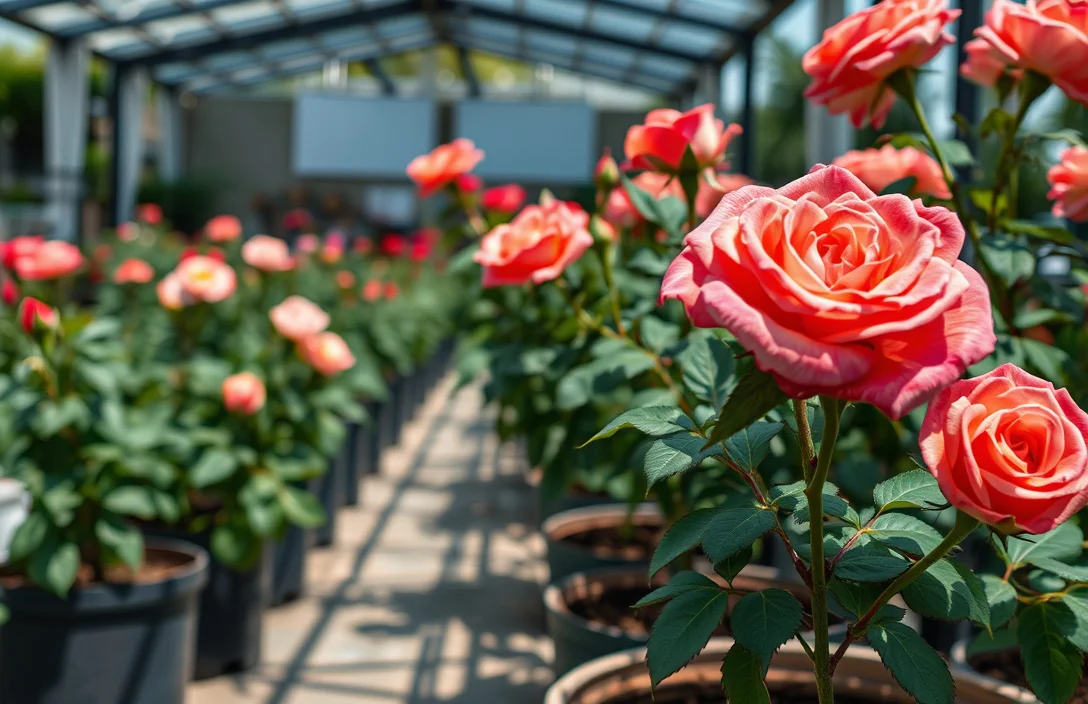
Roses absolutely can be grown in pots, and the main trick is matching pot size and sun to the rose, not trying to “shrink” the plant. If you only have a balcony, patio, or small yard, container roses are a realistic way to get blooms and more control over soil moisture. This guide walks you through what works in the US, what to buy, and how to avoid the most common setup mistakes.
Potted roses can thrive in containers if they get at least 6 hours of direct sunlight daily and you use a pot with good drainage plus enough room for roots (many varieties do best around 15 inches deep). With the right pot size and watering rhythm, container-grown roses can flower reliably instead of struggling year after year.
Key Takeaways
- Yes, with the right setup. Give container roses 6+ hours of sunlight and enough root room for consistent growth.
- Pot depth matters most. Many roses do better with a pot at least 15 inches deep, with drainage holes to prevent waterlogging.
- Choose compact varieties first. Patio and other smaller classes tolerate containers better than sprawling types.
- Water deeply, then reset. Avoid constant light watering, and instead soak thoroughly when the mix starts drying.
- Use fast-draining soil. A quality potting mix prevents soggy roots and reduces root-rot risk.
- Expect more attention than in-ground. Containers dry out faster and need steadier care through heat and windy weather.
What to Know About can roses be grown in pots?
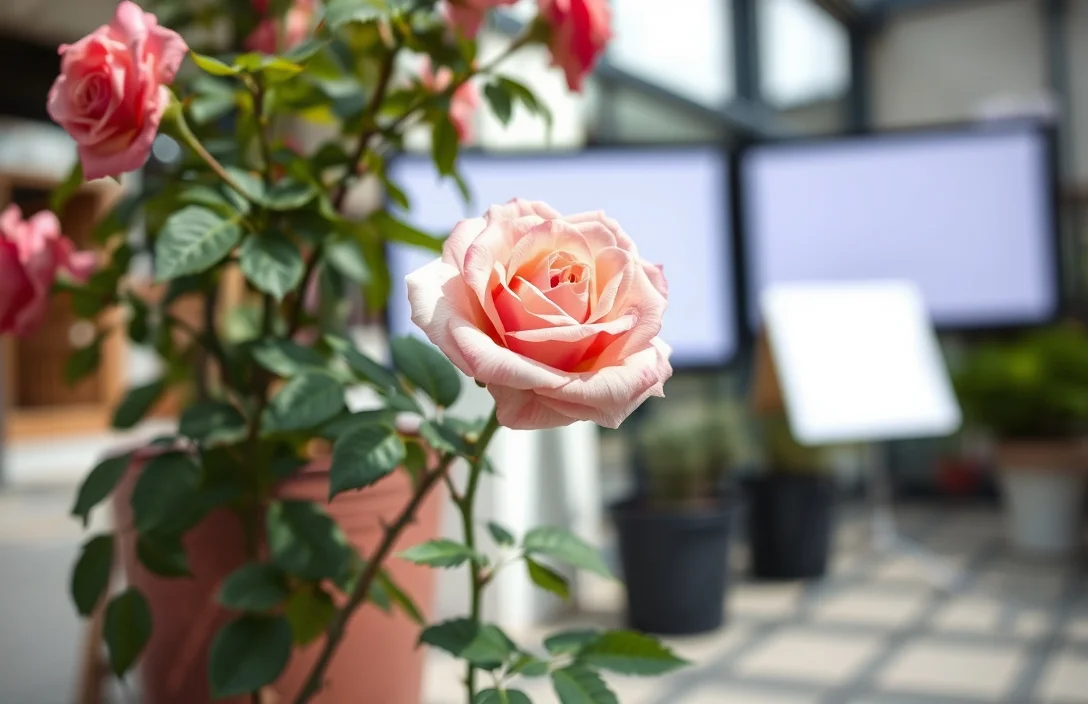
Yes, roses can be grown in pots, and they do best when containers act as a controlled root zone, not a small decoration. Potted roses fail mainly for two reasons – too little sun, or a pot that’s too small and stays too wet.
In the US, winter is the other big variable. If you can move the pot to a protected spot, wrap it, or store it in a cool area that doesn’t freeze hard, you reduce the damage that comes from the root ball repeatedly freezing and thawing.
The goal stays the same in every season: maximize sunlight, keep roots aerated, and manage water carefully. When those three are aligned, healthy leaves and repeat blooms follow.
Things that matter most
Sun comes first because it sets the ceiling for bloom performance. Place your pot where it receives at least 6 hours of direct light each day; without enough sun, container roses grow weak and bloom less consistently.
Then match the container to the root system. A pot at least 15 inches deep is a solid target for many rose varieties, and it needs drainage holes so excess water escapes instead of pooling at the bottom.
Finally, get your watering rhythm right. In-ground roses pull moisture from deeper soil, but container roses rely on you – water deeply when the top portion of the mix dries out, then let it partially dry before watering again. Constantly damp soil steals oxygen from roots.
Focus your setup on these day-to-day essentials:
- Sun – aim for 6+ hours of direct light.
- Drainage – several holes, no standing water.
- Depth – target 15 inches deep for many varieties.
- Rose type – choose compact or patio-friendly classes if you want easier success.
- Care rhythm – containers need more frequent checks than beds.
Tips for can roses be grown in pots?
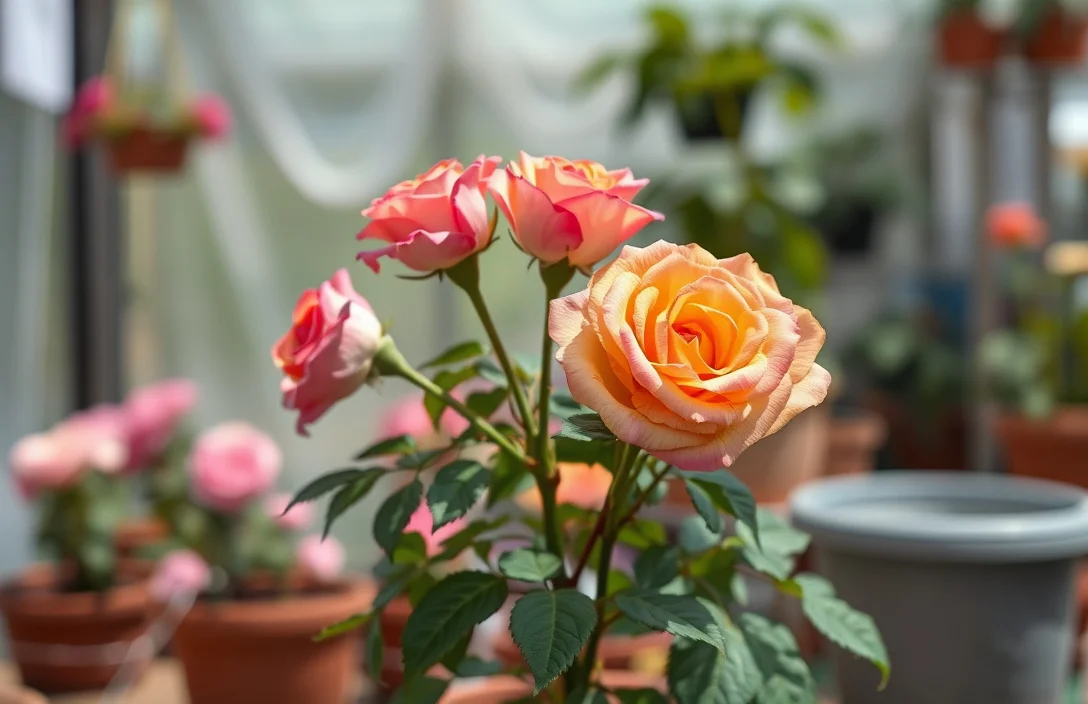
Choose a pot that can hold moisture and roots without turning into a swamp. For many rose varieties, a pot at least 15 inches deep helps, and several drainage holes are essential. If you use a tray or saucer, empty it after watering so roots don’t sit in runoff.
Use potting mix made for containers, not backyard soil. Container mix breaks down faster than garden soil, and a good blend drains well while still holding enough water for roots between watering sessions.
Watering is where most people slip. When the top few inches of the mix feel dry, water deeply until water runs out the drainage holes, then wait until the mix partially dries again. Light, frequent watering keeps the surface wet but prevents deeper roots from getting the oxygen they need.
Prevent disease by building in airflow and keeping plants tidy. In multi-plant containers, give each rose enough room. Prune out dead or crossing stems, and clean up fallen leaves – container roses still get mildew when humidity stays high.
Use this checklist for a fast, practical setup:
- Pick sun first. Place the pot where it gets 6 hours of direct sun daily.
- Use a deep pot. Target around 15 inches deep for many rose types.
- Confirm drainage. Use multiple drainage holes, and empty saucers after watering.
- Water deeply. Soak thoroughly when the mix starts drying out.
- Feed on a schedule. Use a rose-friendly fertilizer per label instructions.
- Prune for airflow. Remove weak, dead, or crossing stems early.
Benefits of can roses be grown in pots?
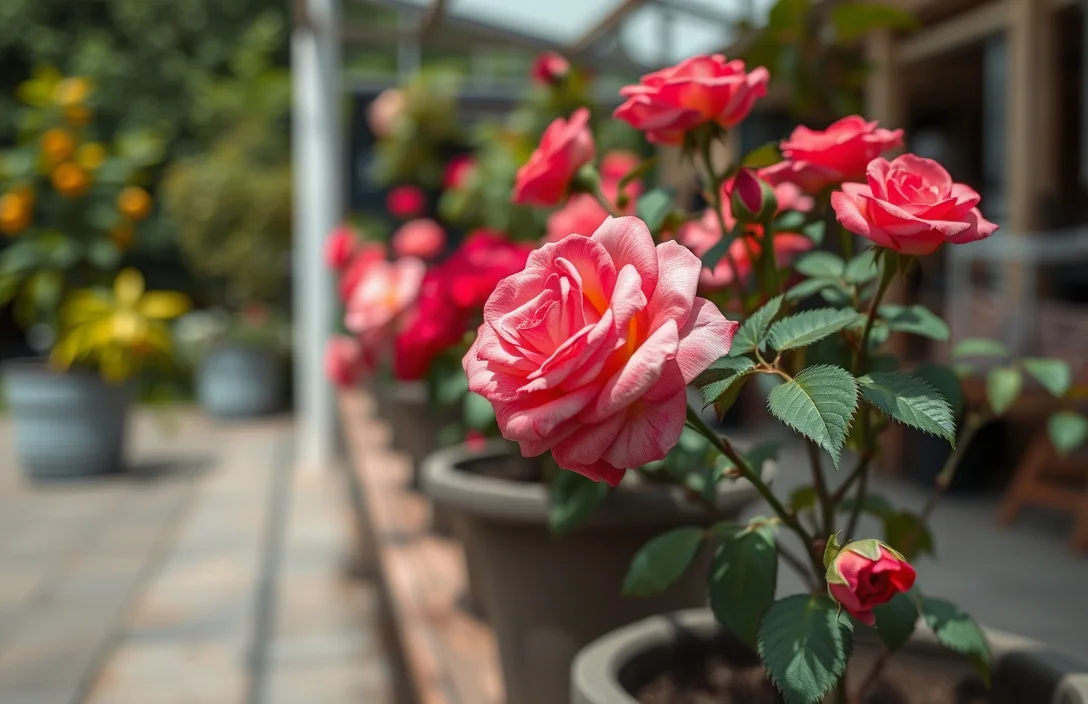
The biggest benefit is flexibility. Container roses let you place the plant where it gets strong light, like a sunny patio corner, and you can adjust for changing sun patterns across seasons.
Containers also give you more control over moisture and soil conditions. If your yard has heavy clay or uneven irrigation, a pot can provide better drainage and a more predictable growing environment – so watering becomes something you can dial in instead of guessing.
You also get space and design advantages. With potted roses, you can grow blooms without dedicating an entire bed, and you can swap varieties as you learn what thrives in your specific microclimate.
Pots also make it easier to experiment. If you’re new to roses, you can start with a compact variety, adjust pot size and sun exposure, and build a watering routine without committing to a whole garden bed.
In practice, these benefits look like:
- Better sun control on decks and patios.
- More predictable drainage than many in-ground sites.
- Easier mobility for weather protection and winter setup.
- Space-friendly rose growing for small yards and balconies.
Options for can roses be grown in pots?
Two choices drive success – the rose type and how you handle the pot seasonally.
For rose type, compact options are usually the easiest path. Patio roses and other smaller forms stay manageable in containers, while many larger, sprawling types need more space and more consistent care to stay healthy in a pot.
For winter handling, you can choose between keeping the pot outdoors and protecting it, or moving it. In many parts of the US, relocating the container to a protected area reduces freeze-thaw stress. In other climates, outdoor overwintering may work if you insulate the pot and add extra protection.
If you want a quick buying strategy, match the pot and the rose:
- Pick a deep, draining container first.
- Choose a rose variety that’s comfortable in pots, especially if you’re starting out.
- Plan where the pot goes when temperatures drop.
Use this decision table to make the “what should I buy” part easier:
| Option | Key Spec / Setup Detail | Best For |
|---|---|---|
| Compact patio rose in a standard container | Pot around 15 inches deep with drainage holes | Most beginners on patios and balconies |
| Multiple compact roses in one larger pot | Wider container, good airflow, shared soil | Small spaces where you want a fuller look |
| Standard rose trained for container growth | Larger pot and more consistent care | People who want the lollipop-style look and have space |
| Moveable pot winter strategy | Relocate or protect pot during cold snaps | Regions with repeated freeze-thaw cycles |
Expert Advice on can roses be grown in pots?
Potted roses thrive when you focus on three essentials – sunlight, drainage, and root volume. Get those right and everything else becomes simpler, including watering frequency and fertilizer timing.
For sunlight, treat it like a requirement, not a preference. If you have only one place to put your pot, use the spot that reliably delivers at least 6 hours of sunlight daily. Roses in containers don’t compensate well for low light.
For drainage, insist on holes and avoid waterlogged mixes. Drainage holes plus a potting mix that drains well reduces root-rot risk, and that matters more in containers because water can’t escape downward into native soil like it can in a garden bed.
For root volume, remember container roses dry out faster and need oxygen at the root zone. A pot that’s too small overheats in summer and freezes harder in winter, which is why 15 inches deep is a practical baseline for many varieties.
Also accept the trade-off: container roses need more hands-on care than in-ground plants. Check moisture regularly and act early, especially during heat waves and on windy days when pots can dry out faster than you’d expect.
Your troubleshooting gets easier when you check in the right order:
- Weak blooming – verify sunlight first.
- Yellow leaves or weak stems – check drainage and watering habits.
- Stalled growth – review pot size and whether the soil is breaking down.
can roses be grown in pots?
A sunny patio setup works well for beginners. Put one compact patio rose in a pot at least 15 inches deep with several drainage holes, then place it where it gets 6+ hours of direct sun daily. Water deeply when the mix starts to dry, and you’ll usually see steady leaf growth and blooms without constant babysitting.
On a balcony with frequent wind, use a larger pot and plan for quicker drying. Wind pulls moisture out faster, so you may need more frequent checks. The fix still stays the same – water deeply and allow the mix to partially dry between waterings. A deeper pot helps buffer those swings.
If you want a “standard rose” look in a smaller space, you can grow one in a container too. Choose a pot that fits the mature plant’s root needs, and be ready for extra seasonal care. You’re growing a taller plant with a root system that still needs room and consistent moisture management.
A clear “don’t do this” example is using a pot that’s too shallow. Shallow pots limit root growth, the mix dries out too fast, and the rose struggles to maintain growth and flowering. Moving to a deeper container and confirming you have drainage holes usually fixes the issue faster than changing fertilizer.

Helpful pick
Perfect Plants Coral Knock Out Rose Bush in 1 Gallon Grower’s Pot | Easy to Grow | Live Flowering Bush with Coral Pink Blooms | Great for Outdoor Garden Landscape Planting in Zones 5-11 | Full Sun
A compact, easy-care patio rose in a 1-gallon pot, ideal for sunny, beginner-friendly containers.
FAQ
Can roses be grown in pots year-round?
Many roses can be grown in pots in the US, but year-round success depends on your winter strategy. In colder areas, you usually need to move the pot to a protected location or insulate it well to limit freeze-thaw damage to the root ball. In milder climates, outdoor overwintering may work with protection from wind and steady moisture.
What size pot do I need for roses in containers?
A good baseline for many rose varieties is a pot at least 15 inches deep, with drainage holes. Wider pots help keep soil from drying out too fast, but depth matters because roots need space. If you’re unsure, size up rather than down, because container roses struggle more in small roots than most people expect.
How much sunlight do potted roses need?
Aim for at least 6 hours of sunlight daily. If your pot gets less than that, roses often produce weaker growth and fewer, less reliable blooms. Rotate the pot if needed so the plant doesn’t lean away from light and become uneven.
How often should I water roses in pots?
Water based on the mix drying out, not a strict calendar. When the top portion of the potting mix feels dry, water deeply until runoff flows from the drainage holes, then wait until it partially dries again. In hot or windy weather, that may be more frequent than you expect, so check the pot at least a couple times per week.
What’s the most common mistake when growing roses in pots?
The most common mistake is using a container that’s too small or skipping proper drainage holes, which leads to root stress and waterlogging. Another frequent issue is placing the pot in too little sun, which limits bloom potential even with good care. Fixing pot size and sunlight usually improves results quickly.

- 10 Best Slow Cooker For Slow Cooking Venison 2026 (Tested And Reviewed) - October 16, 2026
- 10 Best Slow Cooker For Slow Cooking Turkey 2026 (Tested And Reviewed) - October 16, 2026
- 10 Best Slow Cooker For Slow Cooking Ribs 2026 (Tested And Reviewed) - October 16, 2026