Red Flowering Plants For Pots: Top Picks For Sun And Shade
Red flowering plants in pots are one of the quickest ways to add instant color to a patio or entryway. The catch is simple: “red” is easy, but matching the plant to your light, pot size, and watering habits is what makes the blooms show up all season. This guide helps you choose red flowering plants for pots that actually thrive in everyday U.S. conditions.
Red flowering plants for pots to buy are the ones that match your light (full sun vs part shade) and your watering rhythm (more forgiving vs thirstier). Many geraniums and begonias tolerate container life, while hibiscus and fuchsias perform best with consistently moist soil. Most failures come from poor drainage or letting the pot dry out between waterings.
Key Takeaways
- Start with sunlight. Pick full-sun plants for 6+ hours, and part-shade plants for lighter afternoons.
- Use drainage-first pots. A planter must drain, or red blooms fade fast from root stress.
- Pick the right pot size. Bigger pots dry slower and are more forgiving for flowering in heat.
- Match watering to the plant. Begonias like evenly moist soil, while some geraniums tolerate brief dry spells.
- Feed lightly, consistently. Containers need regular fertilizer to keep flowering through summer.
- Deadhead to extend blooms. Pinch spent flowers to keep plants producing new buds.
What to Know About Red Flowering Plants for Pots
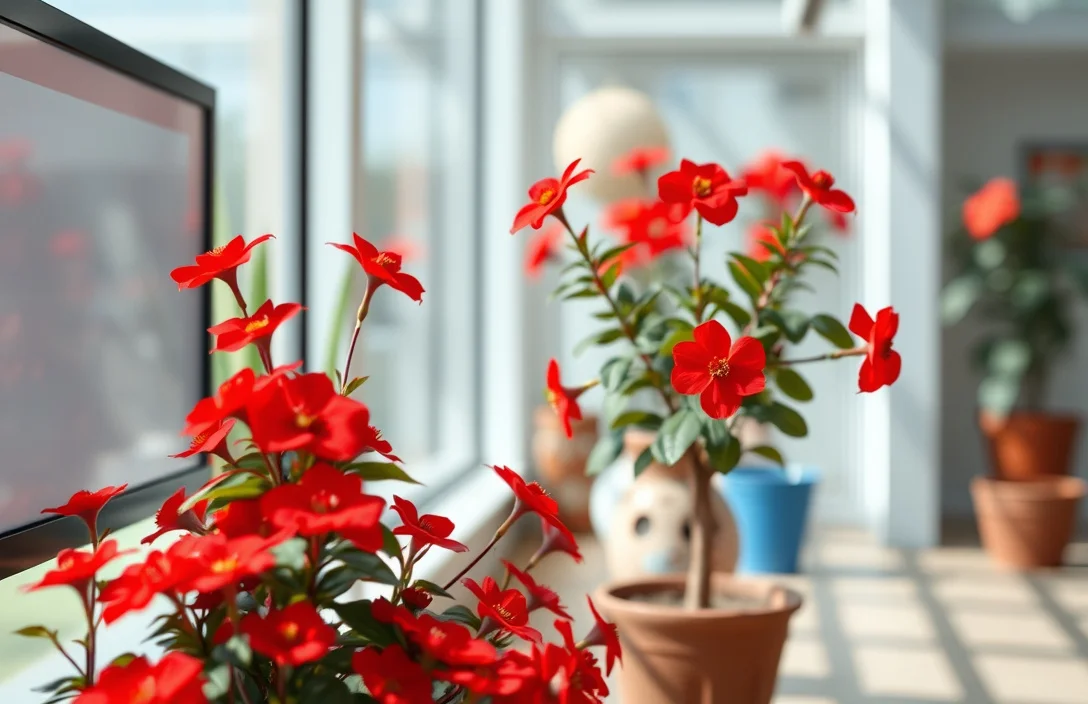
Most red flowering plants for pots fall into two groups: annuals you replant every year, and perennials or shrubs that you can overwinter in many climates with the right setup. Either way, success depends less on the plant name than on pot drainage and correct light. A planter that holds water or sits in deep shade will struggle, even with excellent red cultivars.
Look at “bloom behavior,” too. Some plants pump out repeated blooms for months, making constant color easy. Others flower in a shorter flush and then slow down. The timeline you want – daily color or a shorter show – determines what to buy.
Things that matter most
Choose red flowering plants for pots that match your environment, then follow a few container-specific rules that prevent common problems. If you’re new to container gardening, prioritize plants that handle slight watering mistakes without collapsing.
Here are the key points I’d follow when you’re shopping or re-potting:
- Light requirement drives everything. Check whether the plant label says full sun, part shade, or shade.
- Drainage beats decoration. Use a pot with a drain hole and empty the saucer after watering.
- Potting mix matters. Use a quality potting mix, not garden soil, because it holds moisture and oxygen differently.
- Red can mean heat stress. Deep reds can look best when temperatures stay moderate, so manage watering during hot spells.
- Fertilizer is not optional in containers. Feed during active growth because nutrients wash out faster than they do in-ground.
Match plant type to your patience
If you want “set it and enjoy it,” choose plants that stay strong in containers and keep blooming with minimal fuss. If you enjoy tinkering, you can choose fussier bloomers that demand more consistent moisture or periodic pruning.
Tips for Red Flowering Plants for Pots
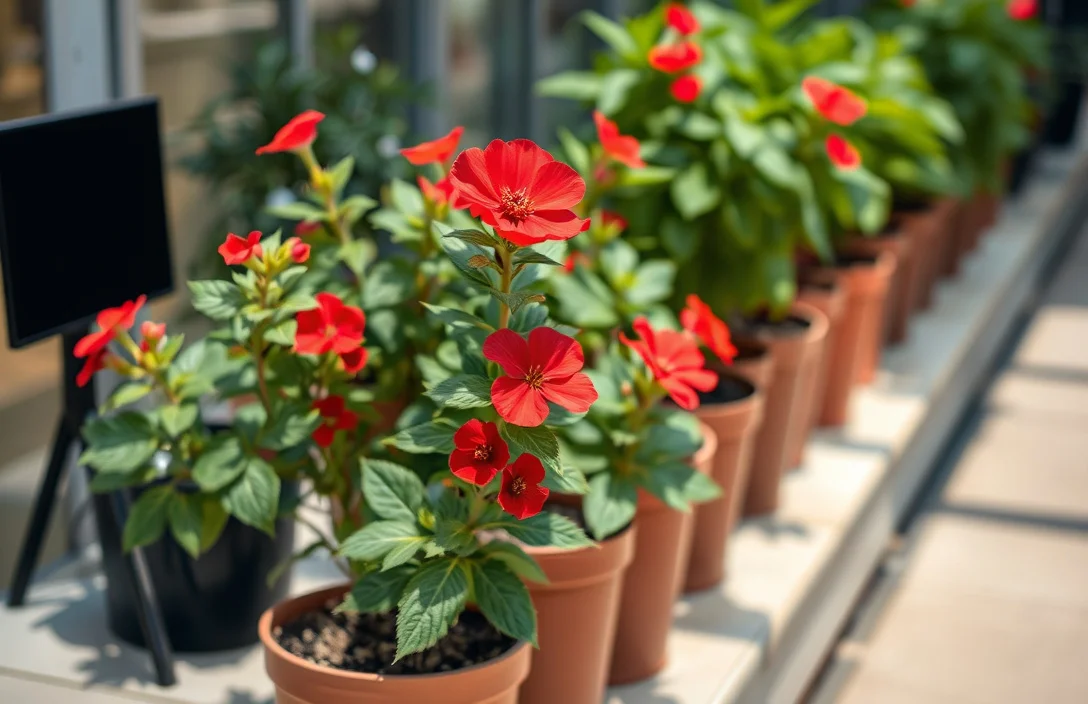
A red bloom looks simple until you watch a container dry out on a July afternoon. Then flowers drop, and you assume the plant failed. Usually the fix is straightforward: steady watering and a pot that doesn’t bake the roots.
Follow these tips in this order:
- Use a container-labeled potting mix and keep it loose, not compacted.
- Water until you see runoff. This saturates the root ball and helps flush salts.
- Let the top inch dry only if the plant tolerates it. Many flowering container plants dislike staying soggy.
- Mulch the pot surface lightly when heat is an issue. A thin layer reduces evaporation without suffocating roots.
- Deadhead red flowers regularly. Remove spent blooms to encourage new buds.
- Feed on schedule, not once. Small, consistent feedings keep containers flowering longer than big monthly spikes.
Containers behave like “small systems,” so you’ll need more frequent checks during heat waves. A finger test or a pot-lift check beats waiting for visible droop. If your pot is very large and you travel, a bigger pot (and an automatic watering plan) often works better than swapping plants mid-season.
Don’t guess on watering habits
Different red flowering plants want different moisture levels. If your favorites are begonias, fuchsias, or some hibiscus varieties, aim for evenly moist soil rather than swinging from dry to soaked. If you’re growing geraniums, many tolerate a short dry window – but they still perform best with consistent moisture.
Benefits of Red Flowering Plants for Pots
Red blooms in containers deliver big visual impact with less commitment than planting an entire border. A single pot can anchor a porch, add contrast next to green foliage, or create a “welcome” moment near a front door. Because pots move, you can adjust placement as seasons shift and keep plants in the right light.
Containers also let you control soil quality. Many flowering plants do best in loose, well-draining potting mix rather than heavy ground soil. When you control the mix, you cut the two biggest container killers: soggy roots and nutrient shortages.
There’s also a real emotional payoff. Red flowering plants in pots reward you quickly, especially with repeat-flowering annuals. You see progress fast, so it’s easier to fine-tune watering and feeding for next season.
Options for Red Flowering Plants for Pots
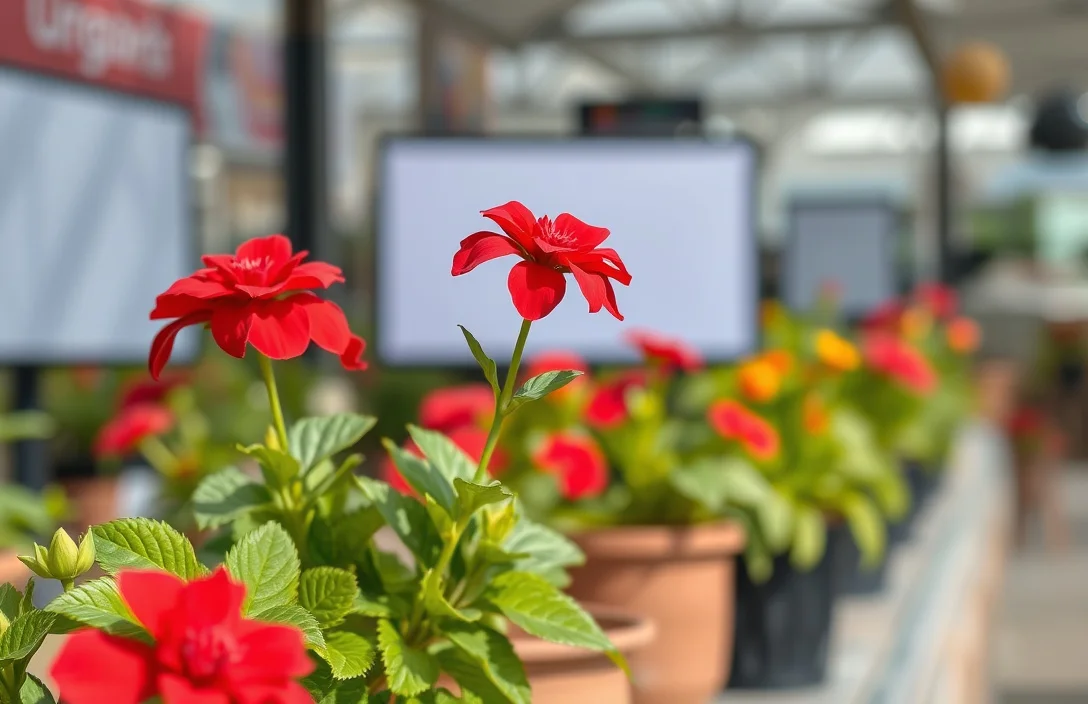
Your best options depend on your sun exposure and whether you want annual color or longer-lived plants. Here’s a practical shortlist of container-friendly choices, focused on red cultivars and “works in pots” behavior.
| Plant (often available in red) | Key container need | Best For |
|---|---|---|
| Geranium (Pelargonium) | Bright light, regular watering, deadheading | Long-lasting red blooms in sunny patios |
| Begonia (wax or tuberous types) | Even moisture, part shade to filtered sun | Shady areas that still need red color |
| Fuchsia | Consistent moisture, protection from intense afternoon heat | Hanging baskets and partially shaded porches |
| Hibiscus (tropical types) | Warm temps, lots of light, steady moisture | Big red flowers during warm months |
| Pentas | Full sun, consistent watering, light feeding | Heat-friendly red flower clusters |
| Impatiens (annual in shade) | Moist soil, shade or part shade | Easy red color under trees and porches |
In many homes, the easiest plan is to choose two categories: one for full sun and one for part shade. Then you can mix red tones across your space without micromanaging every corner.
Color nuance: pick the right “red”
Red isn’t one color. Some varieties read more crimson, while others lean vermilion or deep wine tones. If you’re matching house color or coordinating with furniture, select a slightly cooler or warmer red to avoid looking muddy against your walls. A super-saturated red like #ff0000 looks bold and graphic, while darker reds blend more naturally with dark trim.
Expert Advice on Red Flowering Plants for Pots
The best “expert move” with red flowering plants for pots is building for reliability, not maximum drama on day one. In container gardening, the plant that survives your busiest week usually becomes the best performer by the end of summer.
Here’s the advice I’d follow to reduce failures:
- Buy in-season, but verify light needs. A red plant sold at a sunny retail bench might still tolerate shade, but you should confirm.
- Prioritize roots over petals. Strong root growth first leads to more blooms later.
- Use a consistent feeding plan. Containers run out of usable nutrients faster than in-ground beds.
- Avoid oversized pots for small-root starts. A pot that stays too wet around new roots invites trouble.
- Watch for heat and wind stress. Wind dries pots and shakes flowers loose, and heat accelerates water loss.
For example, if your front entry bakes in afternoon sun, pick heat-tolerant options like sun-loving varieties such as pentas, then protect moisture with deeper pots or more frequent checks. If your porch stays shaded, choose moisture-tolerant plants that handle softer light, like begonias or impatiens.
Overwintering reality check
In cooler regions, many red container plants are treated as annuals. Tropical hibiscus often won’t survive freezing temperatures outdoors, while hardy perennials might. The practical choice is planning ahead: pick true annuals for guaranteed seasonal color, or plan to overwinter with a protected indoor spot or a sheltered area.
Examples: Red Flowering Plants for Pots
These ready-to-use combinations work for typical U.S. patios, balconies, and porches. They’re popular in containers and cover different light levels and care styles.
Example 1: Full sun porch (bold red impact)
Use a sunny red option like geraniums or pentas. Choose a medium-to-large pot, not a tiny one, so it dries slower. Put it where it gets strong light, then deadhead spent blooms and feed lightly every couple of weeks during peak growth.
For a cleaner look, use one plant type per pot and repeat the pot design across two spots. Repeating the style keeps the red feeling intentional instead of random.
Example 2: Part shade near a walkway
Choose red begonias or fuchsia if your area gets filtered sun and some afternoon protection. Keep watering consistent, aim for evenly moist soil, and don’t let the pot fully dry out during hot stretches. Color may start a little slower than full-sun geraniums, but it stays steadier in the shade.
Hanging baskets with fuchsia can also work well because you can see the blooms from below. Just avoid letting the basket sit in scorching sun all day.
Example 3: Shaded entry under trees
Pick shade-tolerant annuals like impatiens in red shades. This is a low-effort way to get red flowering plants for pots where most sun-lovers struggle. Moisture management matters most here, since tree shade can slow evaporation but also increases root competition.
If the soil dries inconsistently, repot into a better-draining container mix and stick to a regular watering rhythm.
FAQ
What are the easiest red flowering plants for pots?
Geraniums and many red-flowering begonias are usually the easiest starting points. Geraniums handle bright sun and simple deadheading, while begonias perform well in part shade when you keep soil evenly moist. Use a pot with a drain hole and avoid letting the planter sit in runoff.
How often should I water red flowering plants in pots?
Check daily during hot weather, especially for small pots. Water when the top inch of potting mix feels dry to your finger. Begonias and fuchsias do best with more even moisture, while some geranium types tolerate brief drying before you water again.
Are red flowering plants for pots safe around pets?
Some common container bloomers can irritate pets if chewed, and some can be toxic depending on the species. Keep plants out of reach and confirm the exact cultivar before letting pets roam near the pot. If your pet chews plants, consider choosing known pet-safe varieties and place pots higher.
How do I keep red flowers blooming longer in containers?
Deadhead spent flowers and feed regularly during active growth. Containers lose nutrients faster than garden soil, so slow-release fertilizer plus occasional liquid feeding can help. Keep plants in the right light too, because weak flowering often comes from shade or low light, not fertilizer.
What’s a common mistake with red flowering plants for pots?
Overwatering. People see drooping leaves and add water, but soggy soil can damage roots and cut blooms. If your pot drains poorly or you often keep the saucer full, fix that first. Then adjust watering based on the top inch of mix, not the calendar.

- 10 Best Slow Cooker With Cool Touch Handles 2026 (Tested And Reviewed) - October 22, 2026
- 10 Best Slow Cooker With Quality Construction 2026 (Tested And Reviewed) - October 22, 2026
- 10 Best Slow Cooker With Premium Construction 2026 (Tested And Reviewed) - October 22, 2026