Good Plants For Small Pots: Low Light To Bright Windows
Small pots dry out fast, and that’s why most “easy houseplants” mysteriously die in weeks. The good news is you can grow plenty of healthy plants in modest containers if you pick the right ones for your light and watering habits. Here are reliable good plants for small pots, including low-light options, bright-window picks, and dwarf varieties for slow growth.
Small-pot plants that do well usually have compact roots, drought tolerance, or low water needs – like pothos in bright indirect light, snake plant in low to bright, ZZ plant in low light, and many succulents. Use a pot with drainage and fast-draining soil, then plan on more frequent watering in summer for any small container (often every 3-10 days indoors).
Key Takeaways
- Match light first. Snake plant and ZZ plant tolerate dim rooms better than most houseplants.
- Drainage is non-negotiable. Every small-pot plant needs a drainage hole or roots will rot.
- Small pots need faster soil. Choose a potting mix that drains well, especially for succulents and cacti.
- Water by dryness, not the calendar. Let the top 1-2 inches dry for most indoor plants in small pots.
- Pick slow growers for small spaces. Dwarf varieties and naturally compact plants stay manageable longer.
- Avoid overpotting. Keep the pot close to root size, because extra wet soil is what kills small-container plants.
Good Plants for Small Pots That Thrive
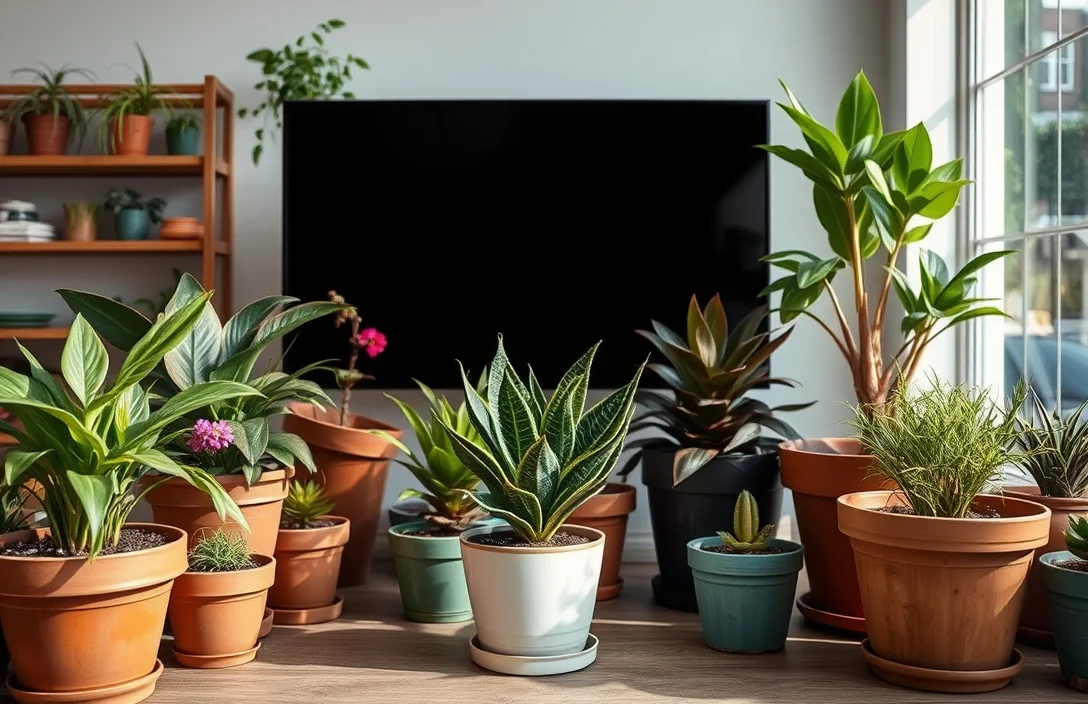
If you want “it lives,” choose plants that don’t panic when the soil dries a bit. Small pots create bigger swings in moisture, temperature, and salt buildup, so the best picks tolerate inconsistency without going into shock.
For most homes in the US, the safest all-around group includes snake plant, ZZ plant, pothos in bright indirect light, and a few compact herbs for sunny windows. These handle common small-pot mistakes: forgetting to water for a week or two (snake plant and ZZ) or drying out between waterings (many pothos cultivars do fine).
A shortlist that tends to work across many lighting setups:
- Snake plant – slow growth, very drought-tolerant, thrives in neglect
- ZZ plant – low-light tolerant, loves infrequent watering
- Pothos – moderate growth in bright indirect, easy to propagate
- Chinese evergreen (Aglaonema) – adaptable indoor light, slower than many vines
- Spider plant (Chlorophytum comosum) – reliably hardy, especially in bright rooms
My go-to “best bet” for most people is snake plant for low-fuss reliability. Pick pothos if you can give it at least some bright window light. Both are forgiving, and both look good while they acclimate.
Best Small-Pot Plants for Low Light
Low light kills plants mostly because it slows everything down. When growth slows, the plant uses less water and nutrients, and the leaves often decline before you realize you need to change the watering. The fix is simple: choose plants that stay comfortable in dim interiors and can handle watering less often.
Snake plant and ZZ plant are the two most dependable low-light small-pot options. Snake plant handles long gaps between waterings and works well in offices and hallways. ZZ plant is similar, but it typically grows more steadily when it gets slightly brighter low light.
Other strong low-light contenders that still look good in small pots:
- Chinese evergreen (Aglaonema) – tolerates lower light, slow to moderate growth
- Parlor palm (Chamaedorea elegans) – likes consistent moisture, as long as the soil never stays soggy
- Cast iron plant (Aspidistra elatior) – tough, slow growth in small containers
- Peace lily (Spathiphyllum) – tolerates low light but needs more even moisture than snake plant or ZZ
Practical low-light rule: water less than you think. In small pots, “less” usually means waiting until the top 1-2 inches dry, then watering thoroughly and letting excess drain.
Best Small-Pot Plants for Bright Windows
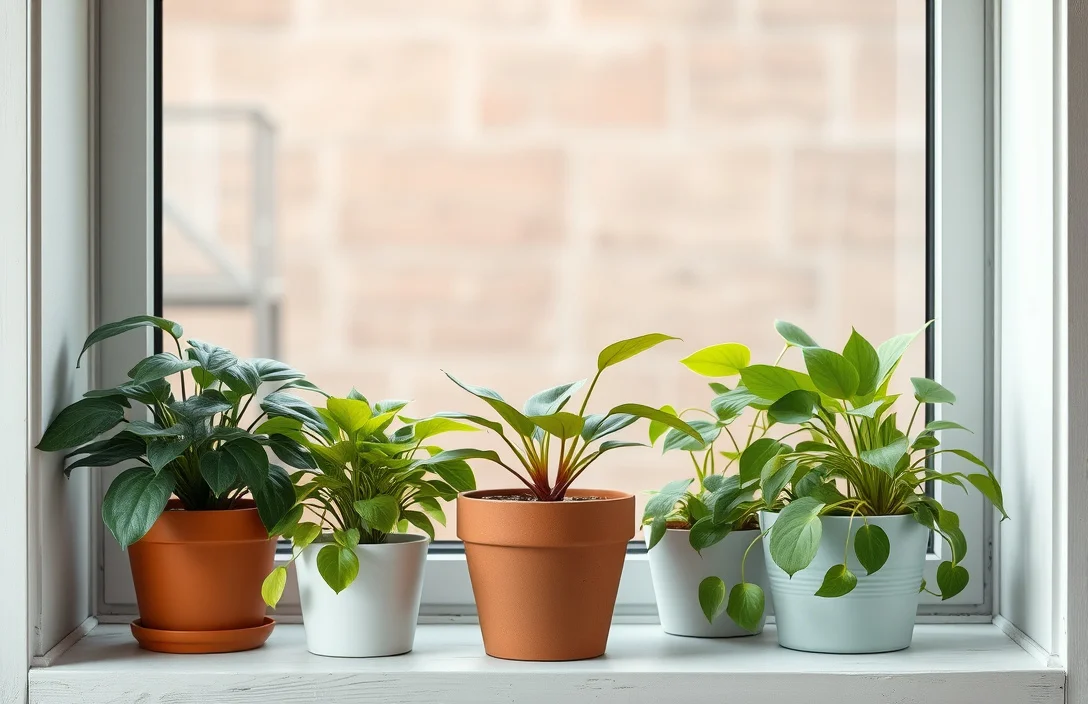
Bright window light is where you can move beyond the hard-to-kill classics and pick plants that actively grow and trail in small spaces. The trade-off is faster growth and faster drying, so you’ll water more often than you would in a low-light setup.
Pothos is the classic bright-window small pot plant. Place it in bright indirect light and it keeps putting out new leaves without drama. A small pot gives you a compact trailing look, and pruning or pinching keeps it shaped.
Other good bright-window small-pot options:
- Heartleaf philodendron (Philodendron hederaceum) – grows fast in good light
- Spider plant – makes pups and fills space steadily
- Croton (Codiaeum variegatum) – needs bright light for color, but the soil must drain well
- Succulents (Echeveria, Haworthia) – happiest in very bright light with minimal water
- Jade plant (Crassula ovata) – easy in sun, prefers drying out
If your small pot sits near a bright window, the top dries faster. That’s normal. Water thoroughly until it drains, then let it dry down again.
How Many Hours of Sun Do Small Pots Need
Small pots don’t change how many hours plants need, but they change what happens when you get light wrong. The same plant in a tiny container dries faster, so in bright conditions it can look “thirsty” sooner, and in shade it can stay wet too long.
General indoor light ranges for US homes:
- Low light – roughly under a few hundred foot-candles, often near north windows or a few feet back from east/west
- Bright indirect light – near a window with light filtered by blinds or sheer curtains, usually several hours of strong daylight
- Direct sun – limited hours at a time, especially during warm months
No-instrument ways to judge light:
1) Stretching or sparse growth – not enough light.
2) Brown, crisp patches or tight curling leaves – too much light or too close to glass.
3) Soil drying in 2-3 days consistently – likely bright light or hot airflow, and you’ll need to adjust your watering schedule.
A simple guessing baseline:
- Bright indirect often means 4-6+ hours of strong window daylight (not necessarily direct sun).
- Direct sun is usually safest for succulents and cacti in short morning windows, followed by bright indirect later.
Treat light and watering as one system: brighter light means more frequent watering, low light means less.

Helpful pick
Costa Farms Live Mini Indoor Plants in Plastic Pots, Easy to Maintain, Air Purifying Houseplants, Home, Room, or Office Decor, House Warming or Birthday Gift, 4-6 Inches Tall, Pack of 6
Compact mini plants in small pots help illustrate how sunlight affects watering needs in bright or shady spots.
Dwarf Plants for Small Containers and Slow Growth
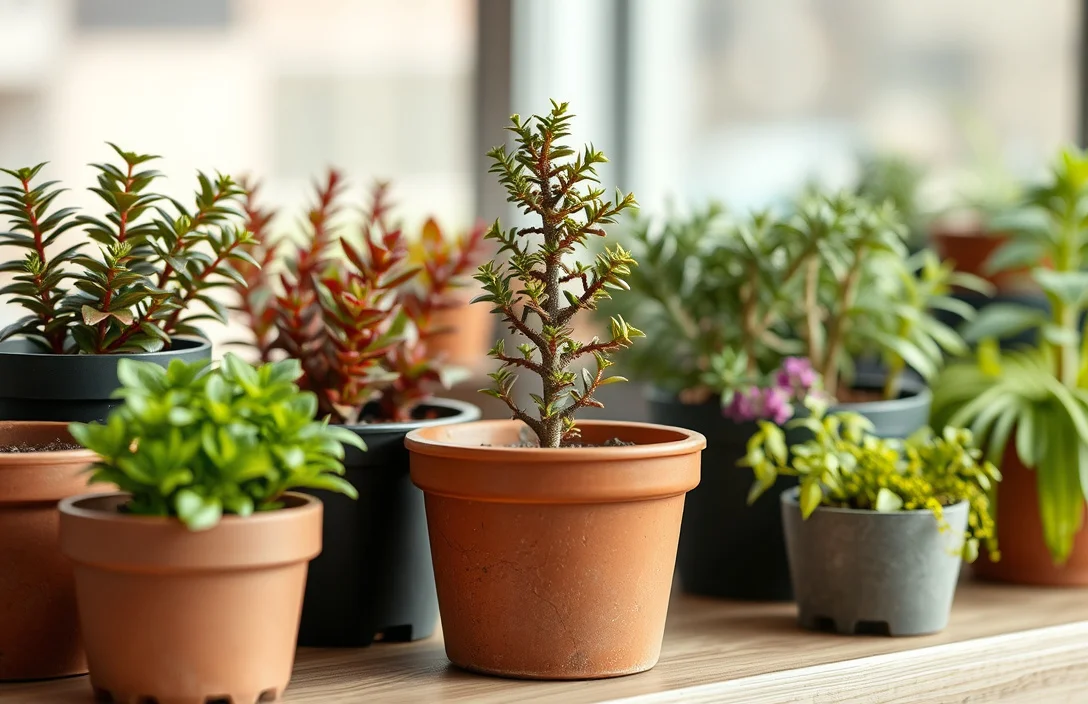
Small pots look best when the plant’s growth rate matches your patience. A fast vine or a big-rooted plant in a tiny container forces constant pruning or repotting, and stress stacks up quickly once the roots start chasing space.
Dwarf and naturally compact plants are the easiest path to long-term success because they stay “right-sized” longer. They also become root-bound more slowly, so small containers don’t become a problem on week one.
Good dwarf or slow-growing options for small pots:
- Dwarf snake plant varieties – compact habit, very slow growth
- Dwarf jade plants (Crassula) – sturdy succulents that stay manageable
- Miniature ZZ cultivars (where available) – slow growth and forgiving
- Miniature peperomia (Peperomia spp.) – compact leaves, small root system
- Dwarf schefflera (for very bright light) – slower than standard umbrella plants in small settings
Dwarf plants still need the same basics: drainage, appropriate soil, and light that matches the plant. The win is more time before the pot feels too small and before leaves start showing stress.
Buy slow growers in containers sized for the plant you’re buying, not a pot that leaves tons of wet soil hanging around. Small pots should usually be only slightly larger than the root mass for most indoor plants.

Helpful pick
Easy to Grow Live Houseplants (6 Pack), Deluxe Collection of Assorted Air Purifying Indoor Plants, Peperomia, Spider Plants, No Duplicates, Pothos, Easy Plant Care, 2 in Pots, Begonia, Croton
Includes compact, slow-growing varieties ideal for small pots, making care simple and space-friendly.
Plants That Handle Dry Soil in Small Pots
Dry soil is the most common small-pot issue because tiny containers lose moisture quickly and many people water on a schedule instead of waiting for the soil to dry. If you forget watering sometimes, choose plants that tolerate drying and rebound well.
Snake plant and ZZ plant lead this category for a reason. Snake plant stores water in its leaves and can handle long dry stretches. ZZ plant stores moisture in its rhizomes, so it stays resilient when you miss a watering.
Other good “dry-ish soil” candidates:
- Succulents (Echeveria, Haworthia) – need fast drainage and water only when soil is fully dry
- Aloe – similar care to succulents
- Jade plant – tolerates drying and irregular watering
- Sansevieria (snake plant group) – durable in small pots and slow growing
In small pots, “dry soil” should mean “dries out between waterings,” not “bone-dry all the time in hot rooms.” The winning approach is deep watering when the plant actually needs it.
Simple watering test:
- Stick a finger into the soil 1-2 inches.
- Water only when that depth feels dry.
- When you water, water until it drains, then empty the saucer.
This prevents the most common failure mode: frequent tiny sips that keep the bottom wet while the top crusts over.

Helpful pick
Altman Plants, Live Succulent Plants (20 Pack) Assorted Potted Succulents Plants Live House Plants in Cacti and Succulent Soil Mix, Cactus Plants Live Indoor Plants Live Houseplants in Planter Pots
Thriving in small pots without frequent watering, these succulents suit dry soil naturally.
Choose the Right Soil and Pot Size
Soil and pot size decide whether “good plants for small pots” turns into real success or real failure. In small containers, drainage and root space matter more than most people realize.
Choose pots with drainage holes. A decorative cachepot without drainage is fine only if you can remove the inner pot and drain completely. Without drainage, small pots become rot machines.
Match soil to the plant group:
- Most houseplants (pothos, aglaonema, philodendron): use a standard indoor potting mix as long as it drains well.
- Succulents and cacti: use a fast-draining cactus or succulent mix, and add extra grit or perlite if your mix feels heavy.
- Low-light tough plants (ZZ, snake plant): still need drainage because they hate staying wet.
Pot size rule of thumb:
- For most plants, use a container about 1-2 inches wider than the root ball.
- For succulents, go tighter. Extra wet soil is where rot starts.
If you want one concrete “do this and you’re safe” setup:
- Small pot with drainage
- Fast-draining soil
- Water when the top 1-2 inches are dry (for succulents, let the pot go fully dry before watering)
This setup fixes most small-pot problems before you even pick the plant.
FAQ
What are the easiest good plants for small pots?
Snake plant and ZZ plant are the easiest because they tolerate missed waterings and low light. Use a small pot with drainage, then water only after the top 1-2 inches of soil dry. With a bright window, pothos is also a very forgiving choice.
How often should I water small pots?
Light and heat drive watering frequency, but a reliable baseline is to check soil moisture every few days. In most indoor small pots, water when the top 1-2 inches are dry, then water thoroughly until it drains. Succulents need a full dry-down before watering again.
Are small pots bad for plants?
Small pots work well when they drain and you water based on dryness. The problem is using tiny pots without drainage or keeping soil constantly wet. With drainage and the right-sized pot, small containers can actually help prevent overwatering.
What’s the biggest mistake with small-pot plants?
The biggest mistake is watering on a calendar instead of using the soil as the guide. Small containers dry out fast, so “every Sunday” can turn into overwatering in winter or underwatering in summer. Use the finger test at the 1-2 inch depth and water when that zone is dry.
What are good alternatives if I want more reliable results than small pots?
Use slightly larger containers (one size up) so the soil holds moisture longer between waterings. Or stick with “set-and-forget” plants like snake plant in a small pot, but pair it with a very fast-draining mix and infrequent watering. If your home is dim, prioritize low-light tolerant plants.

- 10 Best Slow Cooker For Slow Cooking Oxtail 2026 (Tested And Reviewed) - October 16, 2026
- 10 Best Slow Cooker For Slow Cooking Venison 2026 (Tested And Reviewed) - October 16, 2026
- 10 Best Slow Cooker For Slow Cooking Turkey 2026 (Tested And Reviewed) - October 16, 2026