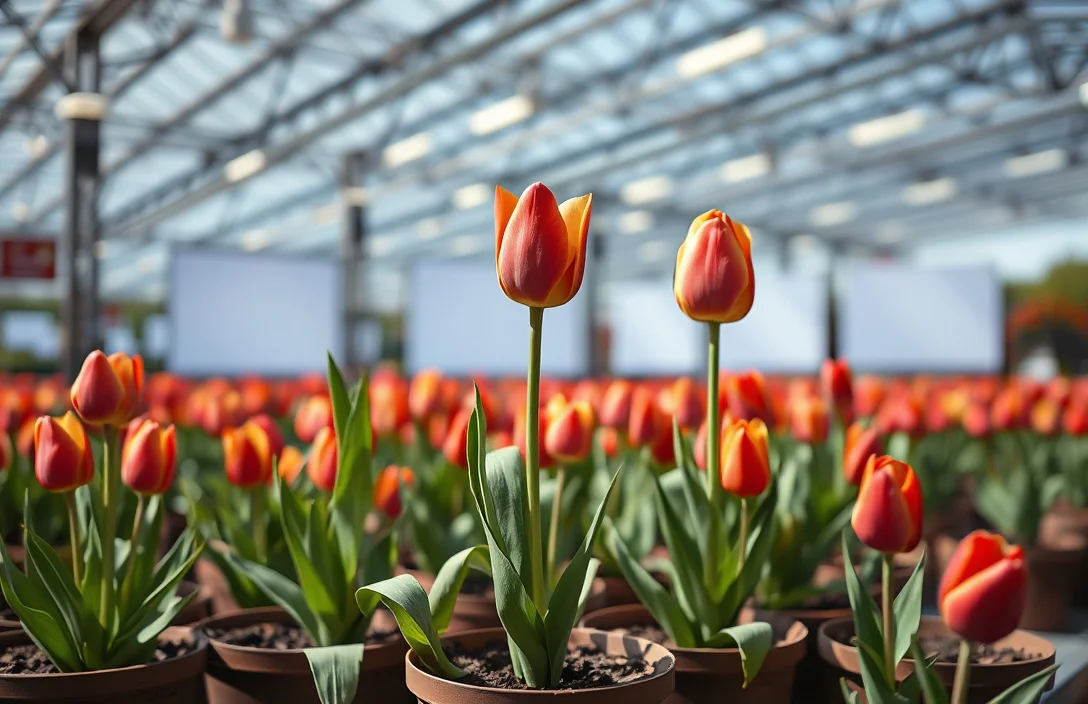
Can I Plant Tulips In Pots?
Yes, you can plant tulips in pots, and it’s often the easiest way to get a clean, repeatable display on a patio or balcony. Tulips still need a cold period to bloom well, so the “can I” answer is simple – the timing and pot setup are what decide your results in the United States.
Planting tulips in pots lets you control soil quality, drainage, and placement, but it also puts winter chilling and container watering on your schedule. Choose the right pot size, plant at the right time, protect bulbs during cold snaps, and plan what you’ll do after blooming if you want bulbs to return.
Key Takeaways
- Yes, it’s workable. Tulip bulbs grow in containers if soil drains fast and bulbs get the cold they need.
- Chill is the secret. Most tulips require weeks of cool temperatures to bloom reliably.
- Use the right pot. Drainage holes are non-negotiable, and deeper pots generally work better than wide ones.
- Plant at the right depth. Set bulbs about 2-3 times their own height into potting mix.
- Water after planting. Moisten thoroughly, then keep the mix lightly moist until shoots appear in spring.
- Plan for winter. Move, insulate, or bury the pot so the root zone doesn’t freeze solid in freezing climates.
Can You Really Plant Tulips in Pots?
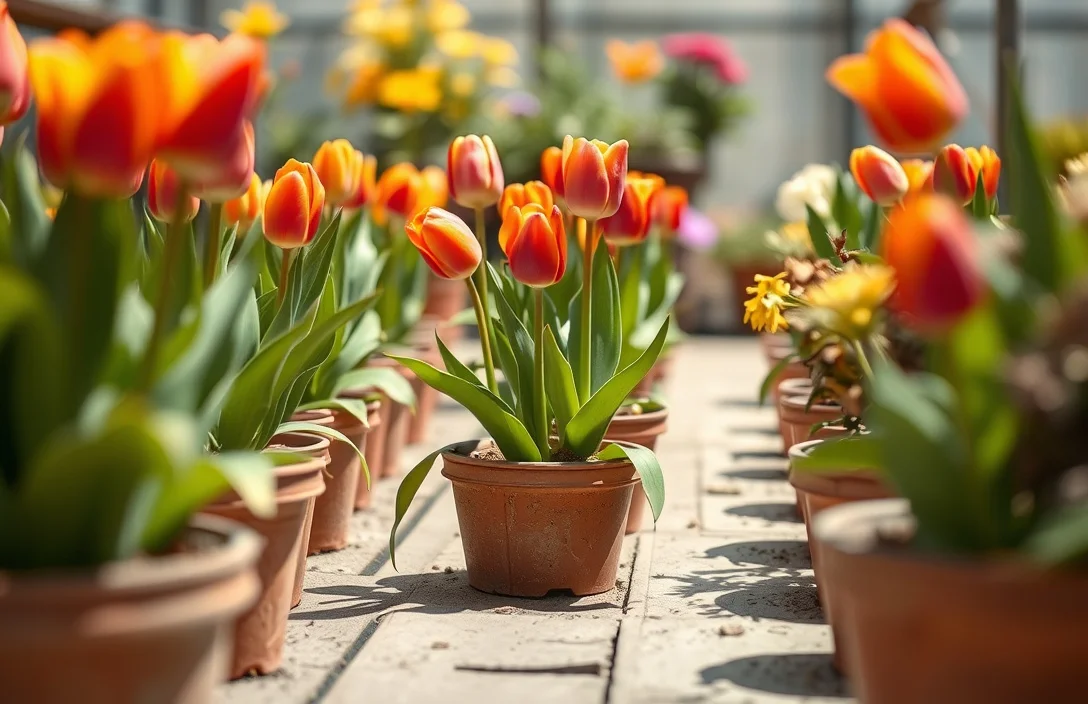
Tulips grow well in pots, but they’re not “set it on the porch and forget it” bulbs. They still need a cold period to trigger flowering, even in containers.
Pots also change how temperatures behave. A container can freeze through faster than a bed, which can damage bulbs or delay growth. The trade-off is that containers give you fast drainage and controlled soil, which often reduces rot compared with heavy, compacted ground.
Treat container planting like a small system: use a pot that drains, choose bulb-appropriate soil, plant at the right depth, and protect the pot during winter so the bulb gets chilling without staying soggy.
Things that matter most
Start with drainage. If water sits in the bottom, tulip bulbs rot, and wet potting mix is the most common container failure.
Next, match the bulbs to your situation. Many people buy “spring bulbs” at garden centers, but for pots you want healthy, correctly labeled bulbs plus a plan for cold exposure. In milder winter areas, chilling becomes more important than pot choice.
Depth and spacing matter too. Bulbs need room for roots and enough soil over them to insulate – they shouldn’t sit exposed above the mix.
Plan for the spring display and next season. Leave the foliage to die back naturally in pots. Cutting leaves too early or skipping the yellowing stage reduces your odds of good blooms later.
Tips for Planting Tulips in Pots
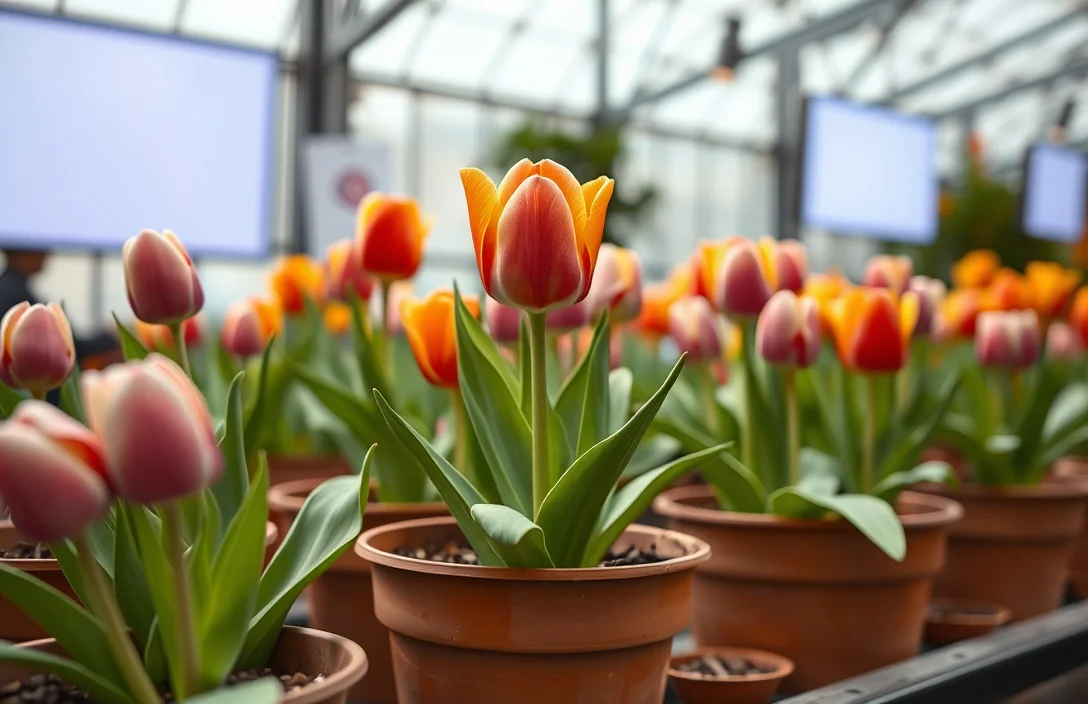
Use a potting mix that drains fast. Standard bagged potting mix works if it isn’t heavy. You can improve drainage with extra coarse material like perlite or fine bark-based amendments, especially in climates that stay wet.
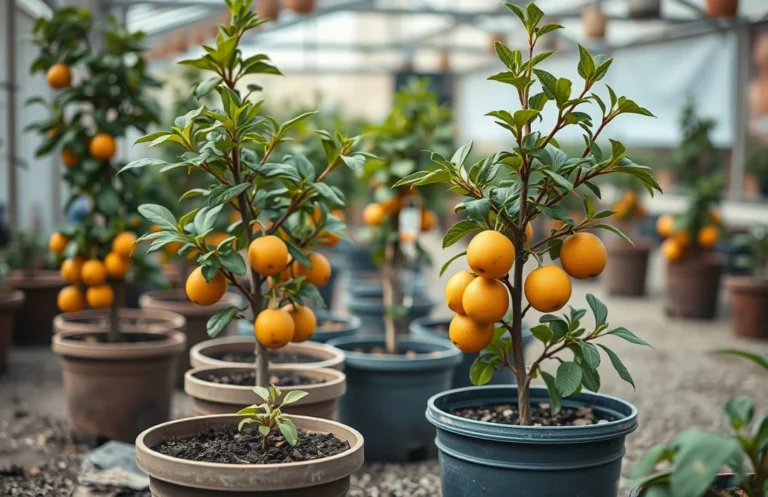
Pick a pot size that fits your bulb count. You can group multiple bulbs in one container, but don’t pack them in too tightly. Crowding increases competition and makes it harder for roots to establish evenly.
Water with a schedule, not a guess. After planting, water thoroughly until excess drains out. Then let the mix dry slightly between waterings. In winter you usually need minimal watering, but during thaws or in very dry climates, don’t let the soil dry out completely for long stretches.
Time planting based on conditions. In much of the U.S., fall planting works well when nighttime temperatures cool and the ground begins to firm up. Planting too early can trigger sprouting before winter, and those early shoots often get damaged.
Protect the pot during hard freezes. In severe winters or windy locations, insulating the outside can moderate temperature swings. Wrapping the pot with bubble wrap or burlap helps. In some cases, sinking the pot partially into the ground provides the most stable winter environment.
Let the leaves finish their job after blooming. Water lightly while foliage is green, then reduce watering once it yellows. The bulb uses that foliage to recharge for the next season.
Why Grow Tulips in Pots?
You get control. Containers let you choose soil quality, drainage, and placement, so tulips aren’t as exposed to heavy ground or uneven moisture.
You also get flexibility. You can move the pots to manage light and weather – shelter them from harsh cold winds, then bring them back into brighter conditions once shoots start.
Pots make the look easier to design. You can create front-of-house color blocks or grouped arrangements you can swap each season. That helps prevent the “random bloom” feeling you can get with scattered bulbs.
Pests can be easier to manage. Squirrels and mice sometimes dig up bulbs in open soil. A container on a patio or raised stand can reduce access, especially if you keep the area clean and consider covering the soil surface with a barrier.
If you’re renting or moving soon, containers are practical. You avoid prepping a permanent bed and can take the tulips with you if timing allows.
Pot Setup Options for Tulip Bulbs
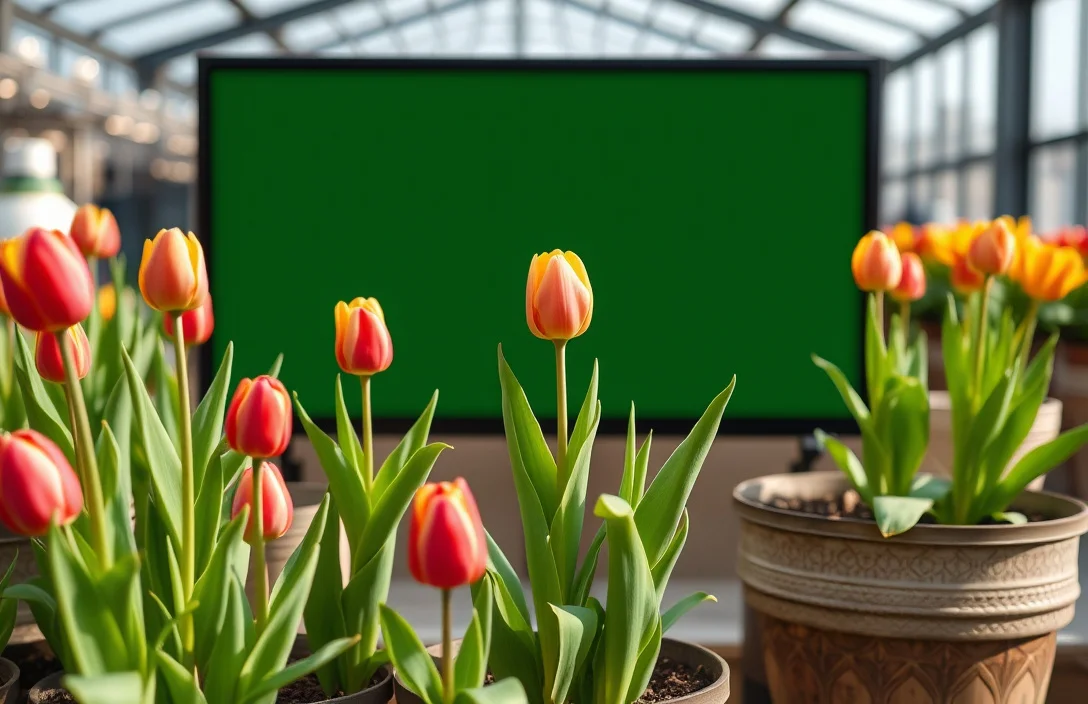
Two paths exist depending on your climate and patience: natural winter chilling or managed chilling. If your winters reliably get cold enough, natural chilling is the simplest route. If winters are mild, you’ll need a different approach.
You also have a few container choices:
- Plant directly in a decorative container.
- Use a nursery pot or plastic grow pot inside a decorative cachepot to keep things neat and drainage easier.
- Plant in a grouping container, then relocate it for display in spring.
For winter stability, partially burying the pot helps. It anchors the temperature, reduces freeze-through, and often produces more consistent results than leaving a pot fully exposed.
For a more mobile setup, plan winter relocation. Move pots to an unheated garage, a sheltered corner, or a protected porch area that stays cold but isn’t waterlogged.
In places where bulbs struggle to get enough chill, pre-chilled bulbs can work. These are sold as ready for forcing or treated for bloom. Follow the seller’s instructions closely because pre-chilled products can have different requirements.
Some gardeners treat container tulips as “one-and-done.” Replacing bulbs each fall is a practical choice when your climate or soil conditions make repeat blooms less reliable.
Expert Guidance for Bigger, More Reliable Blooms
Optimize drainage first, then nail chilling. In practice, good drainage fixes more problems than most other tweaks because it prevents bulb rot and helps roots establish before winter stress hits.
Depth matters, but consistency matters more. Plant bulbs at the correct depth so they’re insulated, and keep the potting mix fairly uniform. Uneven pockets of loose material can freeze and thaw at different rates.
Don’t overwater to “force growth.” When tulips are dormant, cold plus soaked soil leads to rot. Water lightly only when the mix is drying out. Winter rainfall may already provide enough moisture, depending on your setup.
Place pots strategically. Set containers where they get winter cold without standing water. A slight elevation on pot feet helps keep water from pooling under the pot.
For repeat-season success, keep the leaves until they naturally yellow and die back. Containers can trick you into thinking the display is done, but the foliage replenishes the bulb. If you want tulips next year, resist cutting leaves early.
After blooming, plan for the pot’s next step. Either leave it in place as foliage yellows, or relocate it out of sight (still in a spot that gets light). The bulb needs energy accumulation, and the container needs stable conditions to do that job.
Examples of Tulips in Pots
Example, a patio container in a typical cold-winter U.S. region: choose a pot with drainage holes, fill it with fast-draining potting mix, plant bulbs in fall at about 2-3 times their height deep, water thoroughly, then leave the pot outside for winter. Once you see shoots in spring, keep the soil lightly moist and rotate the pot if growth leans toward the sun.
Example, a balcony planter with wind exposure: you can still grow tulips, but winter protection matters. Wrap the pot with insulation during the coldest months, and if you can, sink the pot partially into the ground. That reduces freeze-through risk in exposed containers.
Example, a mild-winter location that struggles with chilling: treat chilling as the first problem to solve. Use pre-chilled bulbs labeled for forcing, or buy bulbs intended for warmer climates and follow the supplier’s cold-treatment guidance. If you skip chilling entirely, many tulips won’t bloom reliably even if they sprout.
Example, the “clean design” approach for spring color: plant tulips in a dedicated pot and keep it separate from your main seasonal containers. After blooming, move the pot to a less visible spot while the leaves finish yellowing, then either keep it for next year or replace bulbs in fall for a fresh show.
FAQ
Can I plant tulips in pots in the spring in the United States?
You can, but spring planting is less reliable than fall planting because tulips still need a cold period to bloom well. Spring-planted bulbs may produce foliage with delayed or no blooms depending on local conditions. For best results in the U.S., plant bulbs in fall and let them chill naturally through winter.
What size pot do tulips need?
A deeper container is usually better than a wide one because bulbs need soil depth for roots and insulation. Use a pot with drainage holes, and avoid anything that holds water in the bottom. If you’re planting multiple bulbs, keep spacing reasonable so roots have room and the mix stays evenly moist.
How deep should I plant tulips in pots?
Plant each bulb about 2-3 times its own height into the potting mix. That depth protects the bulb from temperature swings and gives roots room to establish. Water thoroughly once after planting so the mix settles, then keep moisture light until growth starts.
Do tulips in pots come back every year?
They often can, but repeat blooms depend on enough bulb energy and enough cold. Keep the foliage in place after flowering and water lightly while leaves are green so the bulb can recharge. If you skip leaf time or bulbs don’t get consistent winter chilling, many gardeners treat container tulips as seasonal and replace bulbs each fall.
What’s the most common mistake when planting tulips in pots?
Overwatering in cold weather. Containers stay wet longer than garden soil, and soggy conditions cause bulb rot. Use fast-draining potting mix, make sure the pot drains freely, and water only enough to prevent the mix from drying out completely during dry spells.

- 10 Best Slow Cooker For Slow Cooking Legumes 2026 (Tested And Reviewed) - October 17, 2026
- 10 Best Slow Cooker For Slow Cooking Oxtail 2026 (Tested And Reviewed) - October 16, 2026
- 10 Best Slow Cooker For Slow Cooking Venison 2026 (Tested And Reviewed) - October 16, 2026