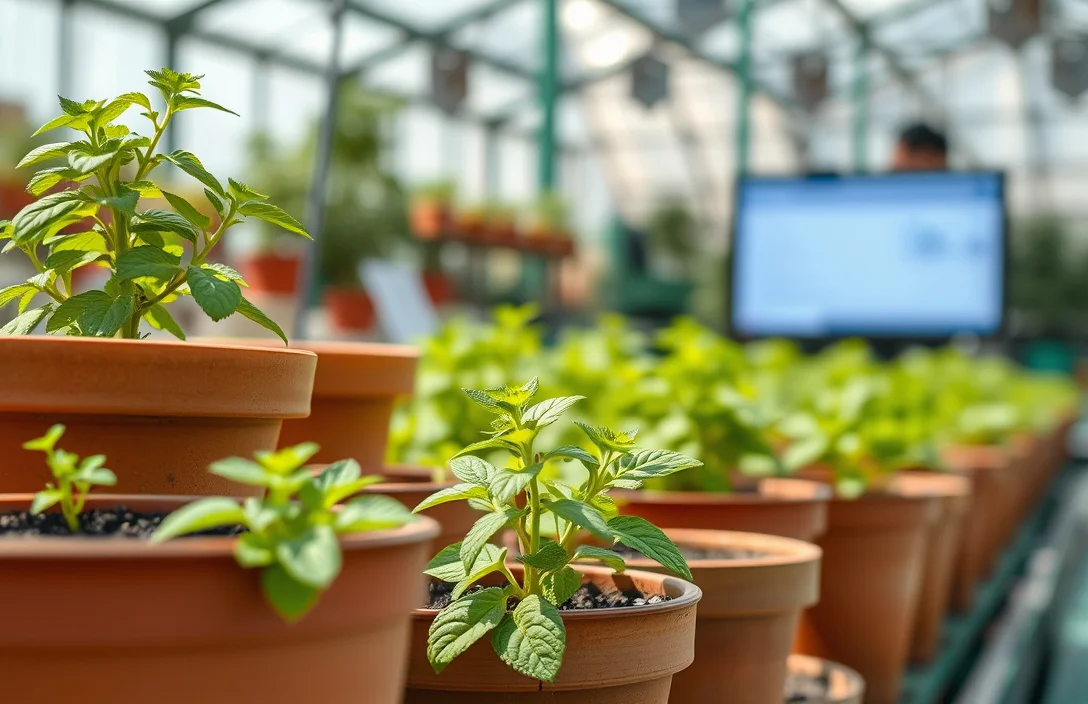
How To Grow Mint In Pots?
Mint is one of the easiest herbs to grow, and one of the easiest to lose – or to watch take over your yard. A pot keeps mint contained and makes harvests predictable. This guide shows how to grow mint in pots in the United States, what you need, how to plant it step-by-step, and how to troubleshoot common problems.
Growing mint in pots works because you control soil, water, and space. Use a pot with drainage holes, fill it with a light potting mix, plant mint cuttings or seedlings, and give it sun that’s strong but not scorching. Water when the top inch dries, harvest often, and prevent rootbound growth for steady production.
Key Takeaways
- Choose the right pot size. Use at least a 12-inch wide pot so mint has room before it becomes rootbound.
- Use drainage-first soil. Drainage holes plus a light potting mix help prevent root rot and keep growth steady.
- Plant with cuttings. Mint spreads fast from cuttings, so you get usable growth sooner than from seed.
- Give it partial sun. Aim for 4-6 hours of sun, and protect it from intense afternoon heat.
- Water by the top inch. Water when the top inch of soil dries, then let excess drain fully.
- Harvest to make it bushy. Regular trimming encourages new shoots and reduces legginess.
How to begin
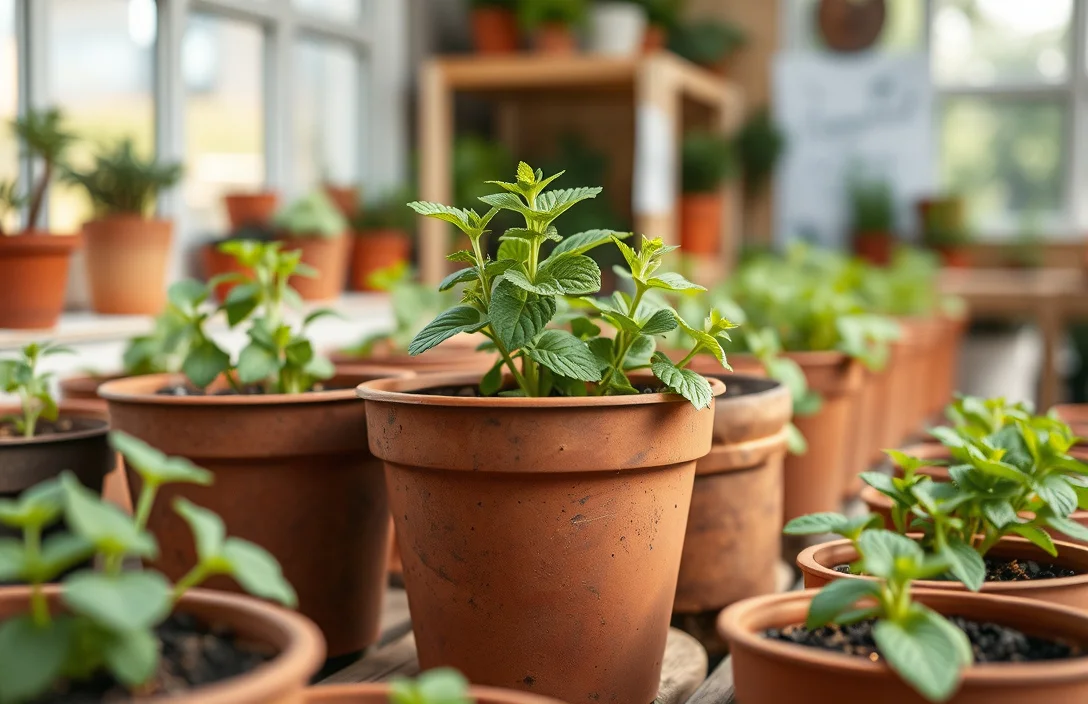
Mint in a pot is a win because it controls the two things mint abuses most – space and moisture. With drainage, a contained root zone, and consistent light, mint grows aggressively in the way you want. In the U.S., outdoor mint can run from spring through fall, and indoor mint can grow year-round if you manage light and airflow.
Pick where the pot will live before you plant. Outdoors, mint handles partial sun, but it struggles in harsh afternoon heat without enough water. Indoors, mint often slows in winter because bright windows aren’t always reliably warm, so a very sunny window or a grow light may be needed to keep it growing.
Basics of how to grow mint in pots?
Mint is a spreading herb, so the “pot” is part of the plant’s strategy, not just a container. You want a pot that limits roots from wandering while still letting air move around the root ball. Drainage matters because soggy soil leads to root problems fast.
Soil choice matters because mint likes moisture but hates standing water. A standard bagged potting mix usually works well. If it stays heavy or holds water too long, lighten it with perlite or switch to a lighter container mix.
This setup fits most homes:
- Pot with drainage holes. Skip this and you’re asking for trouble.
- Light potting mix. Bagged potting soil for containers works.
- A sunny spot. Partial sun outdoors; bright window light indoors.
- Regular harvesting. Mint responds to cuts by pushing more shoots.
how to grow mint in pots?
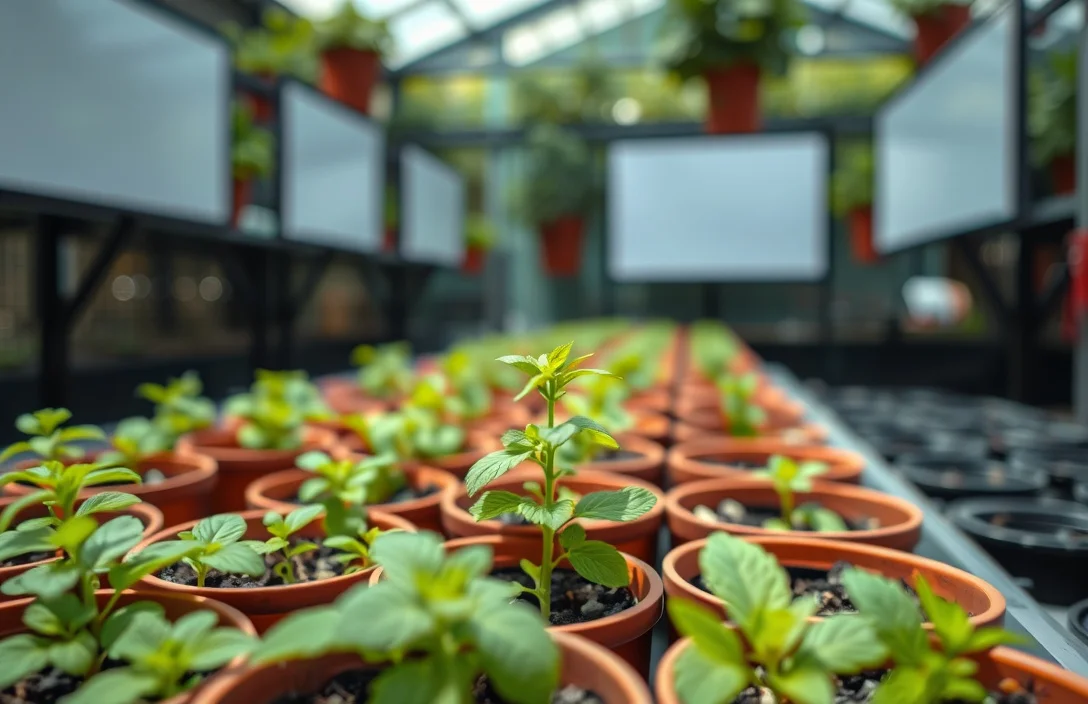
Start with a pot and plants you can keep alive. Cuttings are the easiest starting point because mint roots quickly and grows true. Seed works too, but early growth is slower and thinner, so plan for patience.
Step 1: Pick your pot and location
Use a pot at least 12 inches wide for outdoors, or 8-10 inches if you’re starting small and plan to transplant into a bigger container later. Set it on a tray, but never let the pot sit in water. Give it 4-6 hours of sun, with afternoon shade in hot climates.
Step 2: Prepare the soil
Use a light potting mix and keep it fluffy, not packed down. Fill the pot so the soil surface sits about 1 inch below the rim. If your mix feels heavy, mix in perlite until it drains easily.
Step 3: Start with cuttings (fastest)
Take a cutting 3-5 inches long, ideally with several leaf nodes. Remove the bottom leaves so you don’t bury them in soil. Plant it 1-2 inches deep, firm the soil gently, and water thoroughly.
Rooting in water first is an option if you want the confidence of seeing roots before moving to soil. Direct planting is simpler, but rooting in water helps you confirm the cutting is alive.
Step 4: Plant seedlings (next easiest)
Set seedlings in gently so you don’t disturb the roots. Dig a hole in the potting mix big enough for the root ball, place the seedling, backfill with light pressure, and water right away so soil makes good contact with roots.
Step 5: Water with a repeatable rule
Water when the top inch of soil dries out. When you water, soak thoroughly until you see drainage from the bottom, then empty the saucer after a few minutes. Mint does best with steady moisture, not small daily sips.
Step 6: Feed lightly (only when needed)
Mint grows fast and uses nutrients, but you don’t need heavy feeding. A balanced all-purpose fertilizer at low strength every 4-6 weeks during active growth usually covers it. Pale leaves or noticeably slow growth are your cue to feed.
Step 7: Harvest to keep it bushy
Harvest once the plant has enough stems to trim without stripping it bare. Snip above leaf nodes, and keep removing new growth tips if you want a fuller plant. Frequent harvesting encourages branching and reduces “leggy” growth.
Things that matter most
Timing and trimming drive most results. Mint grows back more reliably when you harvest often and prevent early flowering. Once mint shifts into flowering and seed formation, growth can slow and the leaves can taste stronger.
Container management still matters, because mint can become rootbound even in a pot. When that happens, you’ll usually see faster drying, weaker regrowth after harvesting, and smaller leaves.
Use these techniques to steer mint toward steady harvests:
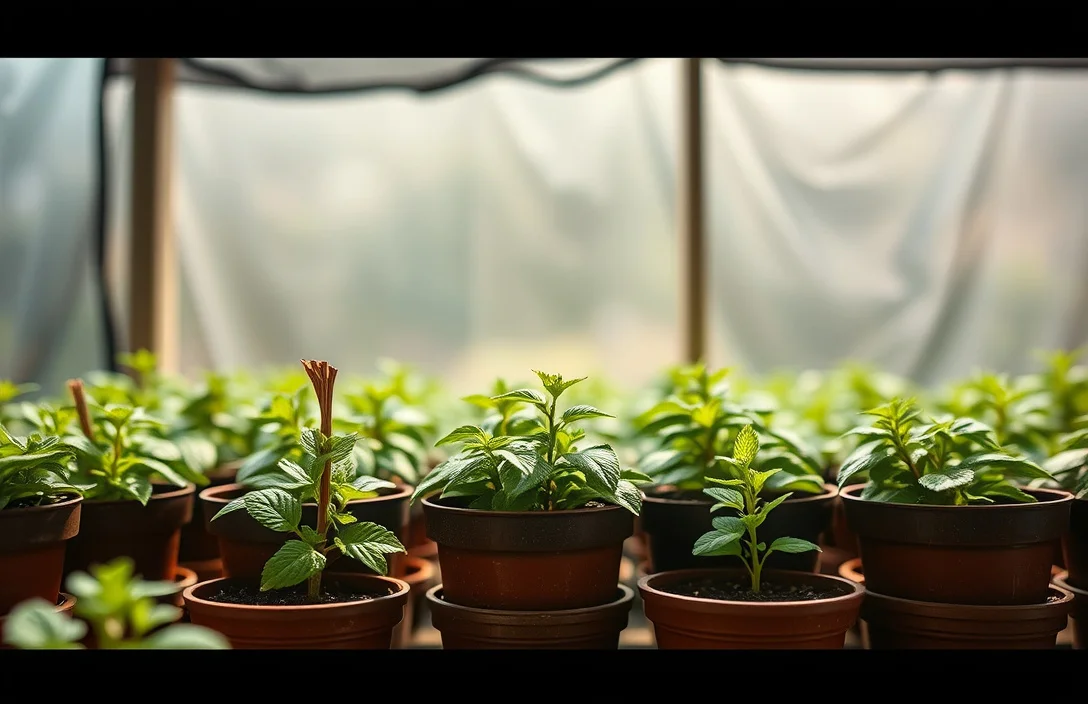
- Pinch the tops. Regular tip pinches build a bushier plant.
- Remove early flower buds. Snip before full bloom if you want leaves, not flowers.
- Rotate the pot. Rotate weekly indoors so one side doesn’t stretch toward light.
- Refresh soil periodically. Top-dress with fresh mix when the container gets compacted or depleted.
If your area swings between hot days and cool nights, adjust care for stress. Outdoor mint in full sun during heat waves may need deeper watering, and indoor mint often needs more light to avoid stretching.
What works in practice
Best practices focus on preventing two common failures: letting the soil dry out too much or keeping roots wet for too long. Mint likes moisture, but “constant wet feet” invites rot.
Rely on soil moisture checks rather than calendar guessing. Also match pot material to your watering habits. Terracotta dries faster – great if you’re consistent. Plastic or glazed ceramic holds moisture longer – helpful if you travel or forget sometimes, but it also raises the risk of overwatering if you don’t follow the “top inch” rule.
Weekly checklist:
- Check soil moisture. Stick a finger into the top inch before watering.
- Watch leaf posture. Drooping often points to dryness; yellowing often points to overwatering.
- Harvest regularly. Light, frequent trims keep the plant productive.
- Clean up debris. Remove dead leaves to reduce mold risk, especially in humid spots.
- Plan repotting. If it dries out in a day or two, go bigger.
For consistent flavor, avoid leaving mint in scorching sun without enough water. Mint grown in partial sun and harvested often tends to stay tender and taste more balanced.
Mistakes to Avoid with how to grow mint in pots?
The most common mistake is treating mint like it needs no attention. Mint grows fast, so it can recover from small issues, but repeated problems stack up quickly. Poor drainage and inconsistent watering are the biggest.
Another frequent mistake is planting mint in a decorative pot with no drainage holes. It may look fine at first, then the root zone turns into a soggy mess, and you’ll see yellowing, wilting that doesn’t bounce back, and a musty smell. Always prioritize drainage, even if it means using a nursery pot inside the decorative one.
Avoid these pitfalls:
- Skipping drainage holes. Waterlogged roots cause failure fast.
- Using heavy garden soil. It compacts in containers and holds too much water.
- Letting it sprawl against the edges. Even in pots, keep growth from crowding outward growth.
- Waiting too long between harvests. Neglect makes stems woodier and leaves less tender.
- Overfertilizing. Too much fertilizer can create fast, weak growth and less concentrated flavor.
- Harvesting too aggressively. Remove up to about a third of growth at once, then let it recover.
A sneaky one: placing mint in the darkest corner of a kitchen window. It can survive for a while, but growth turns thin and slow. Then you overwater trying to “fix” the plant. Match light to watering and a lot of issues disappear.
Pro Tips for how to grow mint in pots?
Treat mint like a living crop, not a set-and-forget houseplant. A simple rotation plan keeps it producing: harvest regularly, take cuttings, and repot before stress peaks.
Many people start mint outdoors in spring, then move it indoors when nights cool down. If you do that, acclimate over several days so it adjusts to indoor light. Sudden shifts often cause leaf drop, but consistent watering helps it bounce back.
Pro tips that actually change results
- Keep a backup cutting. Root a couple cuttings in case your main plant struggles.
- Use cuttings to maintain variety. Named varieties like spearmint and peppermint stay true when you propagate cuttings.
- Repot before stress peaks. If watering becomes daily indoors, repot soon.
- Mulch the top lightly (optional). A thin layer of clean, dry mulch can slow evaporation outdoors.
- Taste and adjust. Harsh-tasting leaves often mean stress. Give it more stable conditions and harvest more frequently.
Spearmint (Mentha spicata) and peppermint (Mentha x piperita) behave slightly differently in flavor and growth rate, but the pot-care rules stay the same. Watch the plant response and adjust light and watering.
FAQ
1) What is the easiest way to grow mint in pots?
Cuttings usually start the fastest and work reliably. Snip a 3-5 inch stem, remove bottom leaves, plant it 1-2 inches deep in light potting mix, and keep the top inch slightly moist until new growth appears. After rooting, follow the “water when the top inch dries” routine.
2) How often should I water mint in a pot?
Water when the top inch of soil dries out, then water thoroughly until it drains from the bottom. Expect more frequent watering in hot weather or in terracotta pots, and less frequent watering indoors. The goal is steady moisture, not soggy soil.
3) Will mint take over my yard if I grow it in pots?
A pot drastically reduces spread because roots stay contained, but mint can still escape if runners or stems root where soil touches the ground. Keep the pot on a stable surface, avoid contact with garden beds, and check occasionally for roots pushing out of drainage holes.
4) How do I stop my potted mint from going leggy?
Legginess usually comes from insufficient light or infrequent harvesting. Move the pot to a brighter spot (4-6 hours of sun outdoors is a good target) and harvest or pinch the tips regularly to force branching. Rotate the pot indoors so all sides get light.
5) Is there an alternative to growing mint in soil pots?
You can grow mint in containers using soilless potting mixes, and you can grow mint in hydroponic setups if you keep roots oxygenated and provide steady nutrients. Drainage and airflow still matter in different forms, and light still controls growth. If you try hydroponics, start small and monitor water quality closely.

- 10 Best Slow Cooker For Buffet Use 2026 (Tested And Reviewed) - October 20, 2026
- 10 Best Slow Cooker For Serving 2026 (Tested And Reviewed) - October 19, 2026
- 10 Best Slow Cooker For Food Storage 2026 (Tested And Reviewed) - October 19, 2026