Mini Fruit Trees In Pots That Actually Thrive
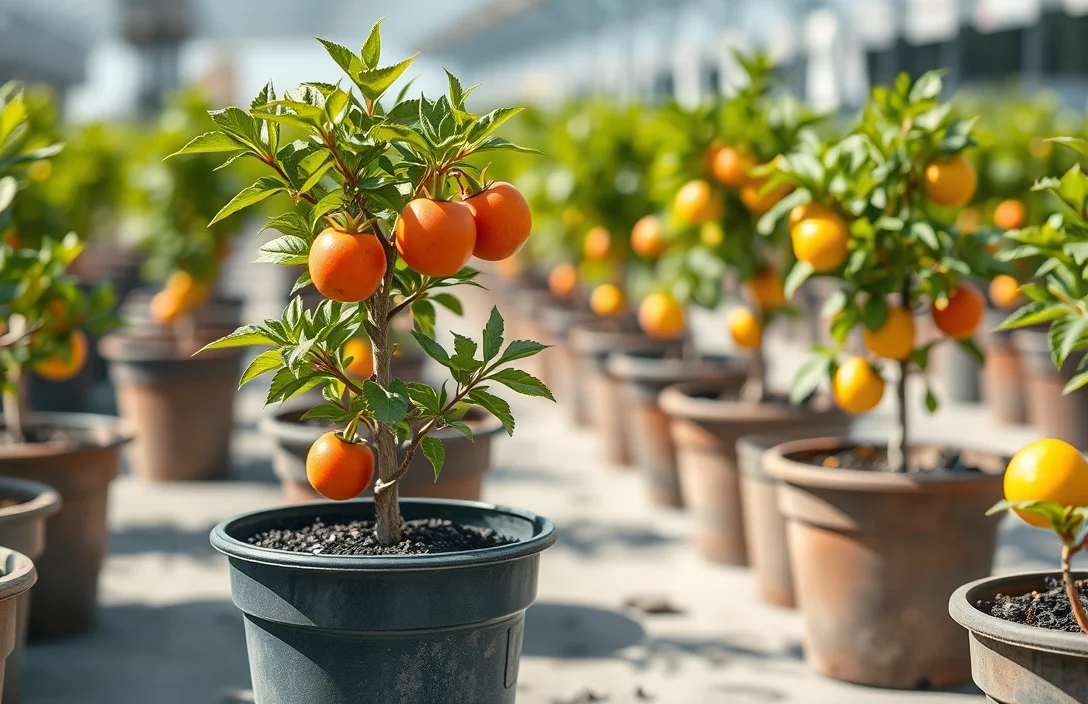
Mini fruit trees in pots can thrive in the U.S. if you treat containers like part greenhouse, part “agriculture logistics.” The biggest wins come from picking a truly container-suited variety, giving it enough root space, and dialing in watering and feeding so it stays productive instead of stalling. This guide helps you get from “I bought a dwarf tree” to reliable blossoms and fruit by walking through the decisions that matter most.
Mini fruit trees in pots thrive when the variety is a true dwarf or trained for containers, the pot has strong drainage, and the soil stays evenly moist – not soggy. In most U.S. climates, that usually means watering when the top 1 inch of mix dries, then feeding with a fruit-friendly fertilizer every 4 to 6 weeks during active growth.
Key Takeaways
- Start with container-fit. Choose dwarf or root-pruned varieties, not full-size trees sold as “mini.”
- Use a real pot. Plan for drainage holes and enough volume so roots can grow without circling.
- Water by soil, not schedule. Check the top 1 inch for dryness, then water thoroughly until it drains.
- Feed lightly, often. Use a fruit fertilizer during growth, then ease off once temperatures cool.
- Prune for structure. Remove vigorous vertical shoots and train a low, open canopy for light and airflow.
- Act early on issues. Inspect leaves weekly and respond to pests and disease before fruit drop becomes normal.
Mini Fruit Trees in Pots That Actually Thrive
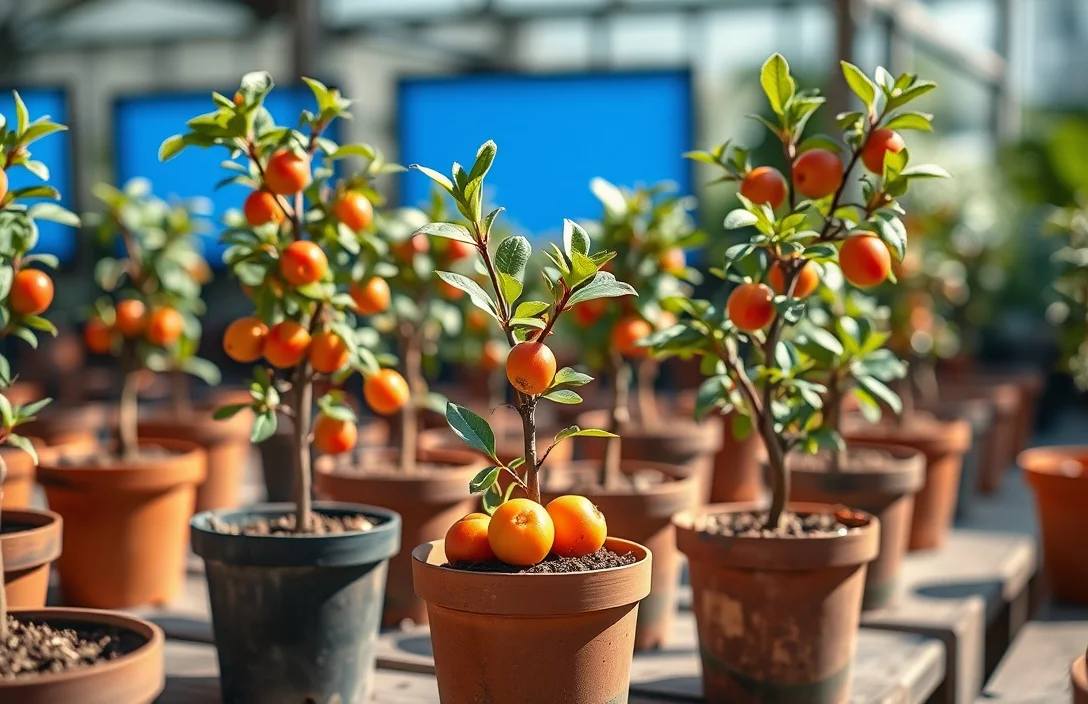
A mini fruit tree in a pot thrives when you stop thinking “small tree” and start thinking “potted plant that needs constant care.” Containers dry out faster than garden soil, nutrients wash out more easily, and roots have less room to buffer drought. The goal is stable moisture, steady feeding, and pruning that keeps the canopy productive.
In practice, the trees that do well are treated like long-term projects, not seasonal decorations. You’re managing a living system: pot volume, soil structure, drainage, sun exposure, and seasonal changes. When one piece breaks, symptoms overlap – leaf drop, poor flowering, small fruit, or decline – so it helps to build the setup correctly from day one.
For best results, aim for:
- Full sun most days (many fruiting trees want 6+ hours).
- Consistent moisture (even drying beats big swings).
- Frequent inspection (weekly checks beat repeated “catch-up” treatments).
- Correct size pruning so blossoms and fruit form where light reaches.
Quick reality check: if you want consistent fruit, choose varieties known to do well with container culture and expect to give them more attention than a planted tree. The payoff is flexibility – you can move the pot for sun, protect from severe weather, and manage soil quality without digging.
Choosing the Right Variety for Container Life
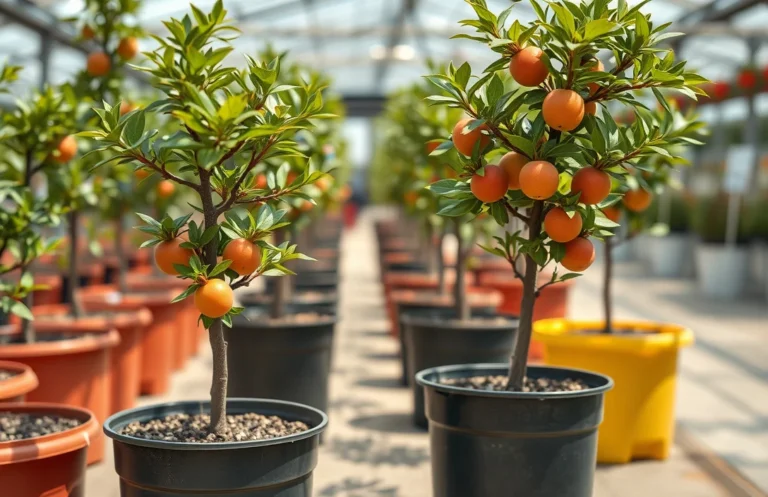
The right variety is the difference between a potted tree that produces for years and one that spends its life sulking. Look for labels like dwarf, patio, or compact. Also check whether the tree is self-fertile – container gardeners often only have space for one.
Not all “mini” fruit trees are actually dwarf by habit. Some are just young trees in small pots, or they’re grafted onto a dwarfing rootstock without staying compact at maturity. If the mature size is described as near patio-friendly, that’s usually the safest bet for container life.
Match variety choice to both pollination and climate needs:
- Apples: Many need cross-pollination unless marketed self-fertile; dwarf apple cultivars are common in containers.
- Citrus (lemon, lime, kumquat): Usually grow well in pots if you move indoors when freezing threatens.
- Stone fruit (peach, nectarine, plum): Possible in containers, but you’ll be stricter about pruning and sun.
- Fig: Often a strong container candidate, especially where winters require moving indoors.
If you can, buy from a nursery that specifies container or patio suitability, then confirm two things before you commit: the tree’s mature size and whether it’s self-fertile. That one step prevents a lot of disappointment when a healthy tree never sets fruit.
💡 Self-pollinating variety reduces need for multiple trees, ideal for container gardeners with limited space. Contender Peach Tree – Self Pollinating Live Fruit Plant Shipped 2 to 3 Feet Tall by DAS Farms.
Pot Size, Drainage, and Soil Mix Setup
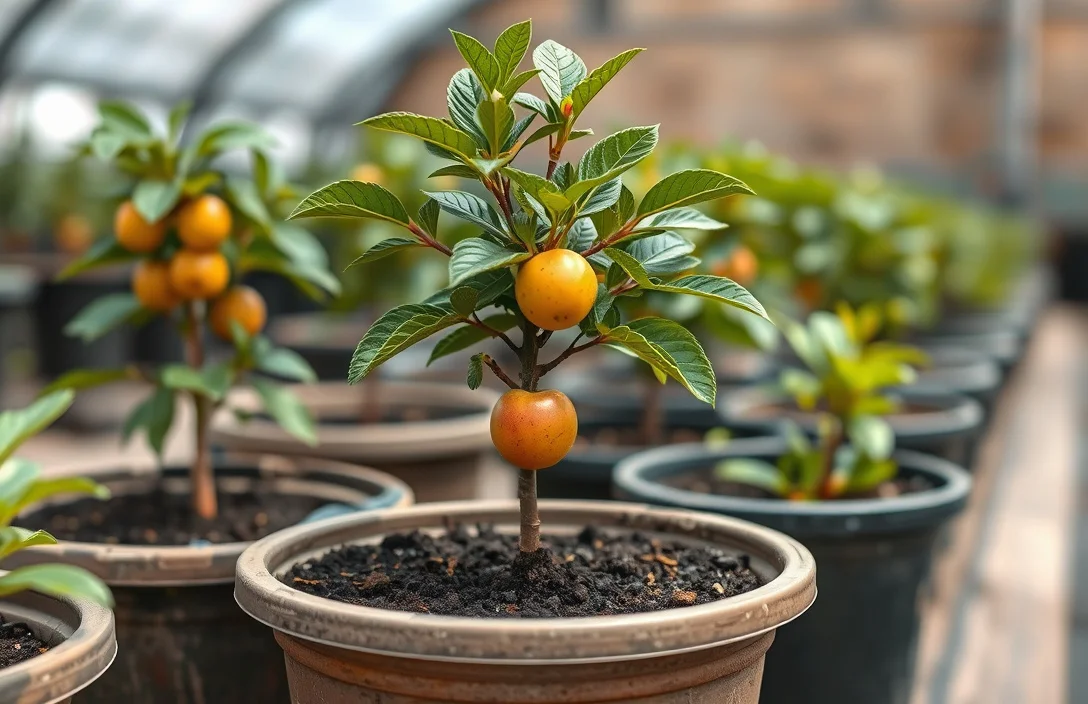
A container that drains well and fits the tree’s root system is non-negotiable. If the pot holds water too long, roots suffocate and you’ll chase problems with fungus, yellowing, and weak growth. If the pot is too small, the tree becomes root-bound quickly, dries out fast, and can’t pull enough nutrients to support blossoms and fruit.
Choose a pot with drainage holes and a sturdy material that won’t crack in freezing weather. Plastic holds moisture longer and can help in hot climates, while terracotta dries faster and rewards consistent watering. Either works – but you need to understand how fast it dries.
Soil mix is where many people lose the battle. Garden soil in a pot compacts over time and turns waterlogged. Use a high-quality potting mix made for containers, and add aeration like perlite or pumice if the mix feels heavy. The easiest check is behavior after watering: it should drain freely and not stay wet for days.
A setup that works for many mini fruit trees:
- Bottom drainage: holes are required.
- No rocks in the bottom: they don’t improve drainage and they steal usable volume.
- Loose, airy mix: potting mix plus aeration beats “bagged dirt.”
- Mulch on top: a thin layer helps steady moisture (keep it away from the trunk).
Pot size guidelines (realistic ranges):
- Early growth (small tree): start bigger than you think you need, because you’ll keep it for years.
- Mature container care: many dwarfs do best in a medium-to-large pot, often in the “several gallons up to 15+ gallons” range depending on species and how tightly you prune.
When in doubt, choose larger. You can prune roots later for containment, but you can’t undo the stress caused by repeated drying and nutrient washout.
How Often Should You Water Potted Mini Trees
Watering determines whether your mini fruit tree thrives or drops leaves and fruit. Sun exposure, temperature, wind, and pot size all change the schedule, so water based on soil moisture, not the calendar.
Use a simple method: stick your finger (or a moisture meter probe) into the mix. When the top 1 inch is dry, water thoroughly until excess drains out the bottom. Empty drainage trays after watering so roots don’t sit in runoff.
In hot, sunny weather, potted trees may need watering far more often than garden plants. In mild or rainy stretches, watering can drop. For citrus or other cold-sensitive trees kept indoors, adjust based on how warm your home stays.

Helpful pick
Calamondin Tree Live Plants 13″ – 22″ Tall Indoor Outdoor Fruit Tree Plant Growing, Live Citrus Plant Mothers Day Gift for Mom Home Garden Patio and Decor Use, Cannot Ship CA AL AZ TX LA by Via Citrus
A compact Calamondin suitable for pots helps illustrate soil-moisture-based watering in containers.
Common patterns:
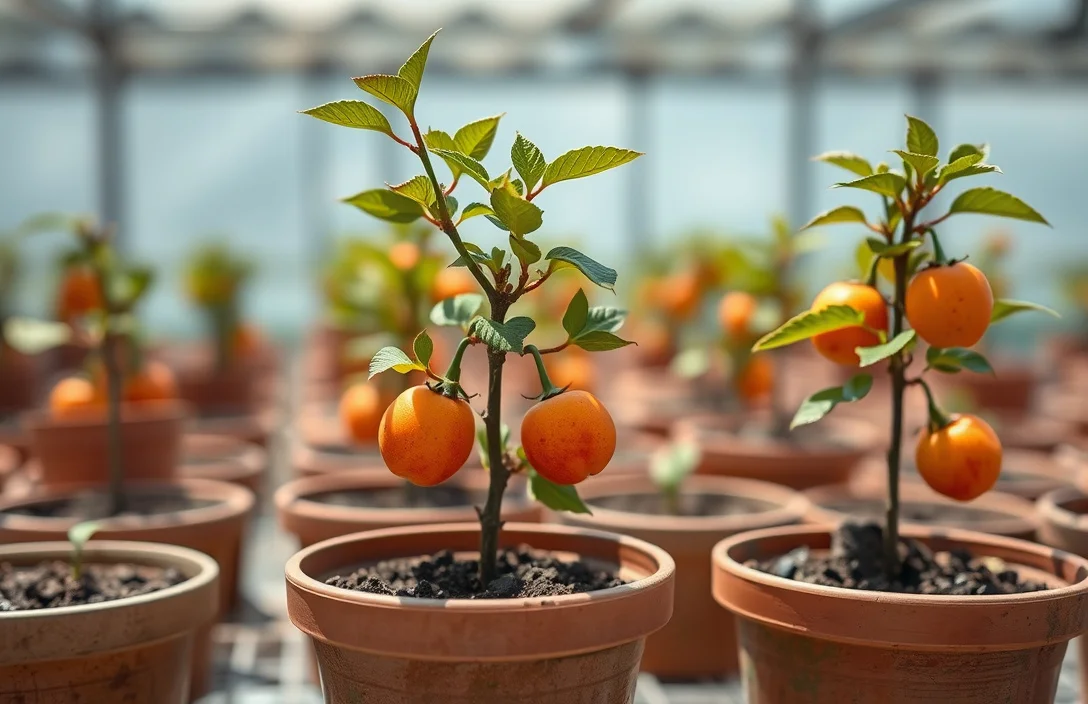
- Summer: more frequent watering, sometimes daily during heat waves.
- Spring/fall: less frequent, depending on sun and rain.
- Winter indoors (citrus): watering often drops because growth slows.
Two mistakes cause most problems. “A little water often” encourages shallow roots and salt buildup and may never re-wet the full root ball. Letting the pot dry fully, then trying to compensate with a flood, swings moisture too hard. Aim for consistent moisture, then fine-tune as seasons change.

Helpful pick
Apple, Plum & Pear Trees (3-Pack) – Dwarf Fruit Trees, Easy Grow Backyard Orchard Starter Kit (3 Pack – 1 of Each Tree)
Compact, pot-friendly dwarf trees that match seasonal watering patterns (more frequent in summer, less in milder seasons).
Fertilizing Schedule for Fruit in Small Containers
Fertilizer keeps container trees producing because nutrients wash out with watering. More is not better. Too much nitrogen often delivers leafy growth and fewer flowers, which means fewer fruits.
During active growth, use a fertilizer formulated for fruiting or a balanced option with micronutrients. Many gardeners do well with a steady rhythm: feed every 4 to 6 weeks during spring through summer, then reduce or stop as growth slows when temperatures cool.
Use the tree as your feedback loop. Pale leaves and weak shoots suggest hunger. Dark green leaves with strong new growth but few blossoms often mean too much nitrogen or feeding too late.
Helpful pick
Apple, Plum & Pear Trees (3-Pack) – Dwarf Fruit Trees, Easy Grow Backyard Orchard Starter Kit (6 Pack – 2 of Each)
A dwarf apple/plum/pear trio thrives in pots and benefits from a steady fertilizer schedule.
Practical fertilizing rules for potted mini fruit trees:
- Feed during growth (spring to summer), not deep winter.
- Follow label rates for container size and scale down for small pots.
- Water before fertilizing to reduce the risk of root burn.
- Replenish over time since potting mix doesn’t hold nutrients as long as garden soil.
Freshly repotted trees may not need immediate feeding. Many potting mixes include starter nutrients, and adding fertilizer right away can push you toward “too much green, not enough fruit.”
Pruning and Training for Dwarf Tree Shape
Pruning keeps a dwarf fruit tree truly manageable in a pot and boosts fruiting. Most container fruit trees do best with a low, open canopy so sunlight hits inner branches. That improves airflow, reduces pest pressure, and helps flowers form on productive wood.
Structure matters more than neatness. You want strong, well-spaced branches that can hold fruit weight, plus enough light to ripen what the tree produces. When the canopy gets crowded or shoots grow straight up, you often see fewer flowers and more leaf growth.
A practical approach:
- Choose a main framework (a few sturdy branches) early.
- Remove crossing or rubbing branches to prevent wounds.
- Shorten vigorous vertical shoots to encourage branching.
- Thin lightly for airflow if the tree becomes dense.
Training methods vary by fruit type, but the logic stays consistent: keep the shape easy to maintain, encourage lateral growth, and remove unproductive wood. If your tree is young, prune with a plan. Repeated “panic pruning” later can cut into flower buds and delay fruit.
Timing matters too. Many fruit trees set buds on specific growth patterns, so the best pruning window depends on the species. When in doubt, prune lightly during a period that won’t remove your next fruiting wood, then adjust based on how the tree responds.
How to Manage Pests, Disease, and Fruit Drop
Fruit drop usually signals stress, and pests or disease are often involved. Containers intensify stress because the root environment is limited. Even if you treat pests perfectly, inconsistent watering, nutrient imbalance, or extreme heat can still trigger blossoms aborting or fruit falling early.
Prevention starts with weekly checks. Look under leaves for eggs and small insects, and check for sticky residue (honeydew), webbing, or leaf stippling. Early detection is the cheapest “treatment” because severe infestations are harder to recover from and often require stronger controls.
Common problems for potted fruit trees:
- Aphids: clusters near new growth, sticky leaves, distorted shoots.
- Scale insects: small immobile bumps on stems, weakened growth.
- Spider mites: tiny specks and webbing, worse in hot, dry conditions.
- Fungal leaf issues: more likely when airflow is poor or leaves stay wet.
- Fruit drop: often linked to stress, poor pollination, or nutrient imbalance.
Treatment depends on what you find, but start with cultural control. Improve airflow with pruning, keep the tree healthy with correct watering, and remove badly affected leaves. If pests are widespread, use a horticultural control method labeled for the problem and follow label directions carefully. For edible fruit, choose options labeled for fruit trees and follow any time-to-harvest guidance.
Temperature control is another big lever in containers. Hot balconies and reflective heat can stress blossoms, while freezing nights indoors or in a sheltered spot can damage new growth. Moving the pot can help prevent stress-related drop – a more stable environment reduces the signals the tree interprets as “don’t waste energy on fruit.”
FAQ
What is the best mini fruit tree for pots?
The best choice is usually a dwarf or patio variety marketed for containers, especially if it’s self-fertile. Citrus and figs also do well in pots because you can move them for temperature control. If you’re buying one tree, self-fertile options reduce the risk of “no fruit” disappointment.
How big of a pot do I need for a mini fruit tree?
Use a pot large enough that the soil doesn’t dry out constantly and the roots have room to grow for years. Many container fruit trees do best in medium-to-large pots, often in the “several gallons to 15+ gallons” range depending on species and how heavily you prune. If you’re between sizes, go larger.
How much time does it take to care for a potted mini fruit tree?
Plan on a weekly routine: check moisture, inspect leaves for pests, and adjust sunlight or pot placement if weather changes. During peak growth, watering can increase and feeding often follows a 4 to 6 week rhythm. Pruning and training take less frequent effort, but once you start shaping the canopy, expect seasonal attention.
Do mini fruit trees in pots need fertilizer?
Yes. Container fruit trees usually need fertilizer because watering washes nutrients out of potting mix. Feed during active growth (spring through summer) with a fruit-appropriate fertilizer, then ease off as growth slows in cooler weather. Avoid heavy nitrogen if your goal is blossoms and fruit.
What’s the most common reason potted fruit trees drop fruit?
Most fruit drop in pots comes from stress: inconsistent watering, poor sun, root-bound conditions, or nutrient imbalance. Pests and disease can also trigger drop, especially when leaves get damaged. Fix moisture first by watering based on soil, confirm the tree gets enough sun, and inspect for pests weekly.

- 10 Best Slow Cooker For Slow Cooking Oxtail 2026 (Tested And Reviewed) - October 16, 2026
- 10 Best Slow Cooker For Slow Cooking Venison 2026 (Tested And Reviewed) - October 16, 2026
- 10 Best Slow Cooker For Slow Cooking Turkey 2026 (Tested And Reviewed) - October 16, 2026