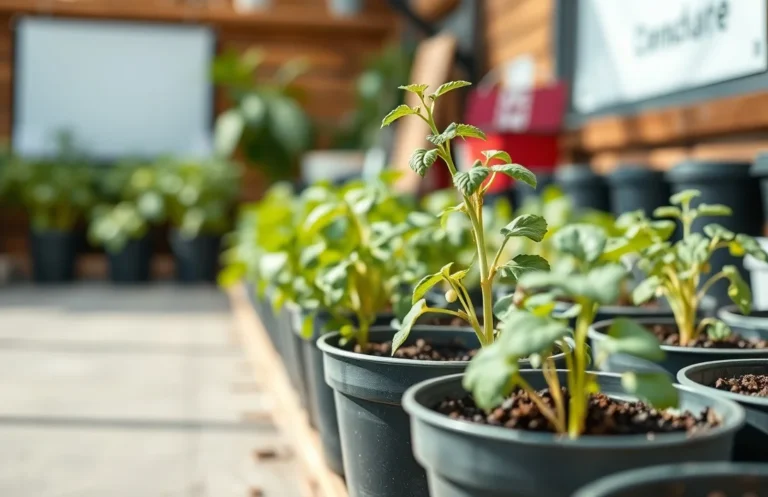
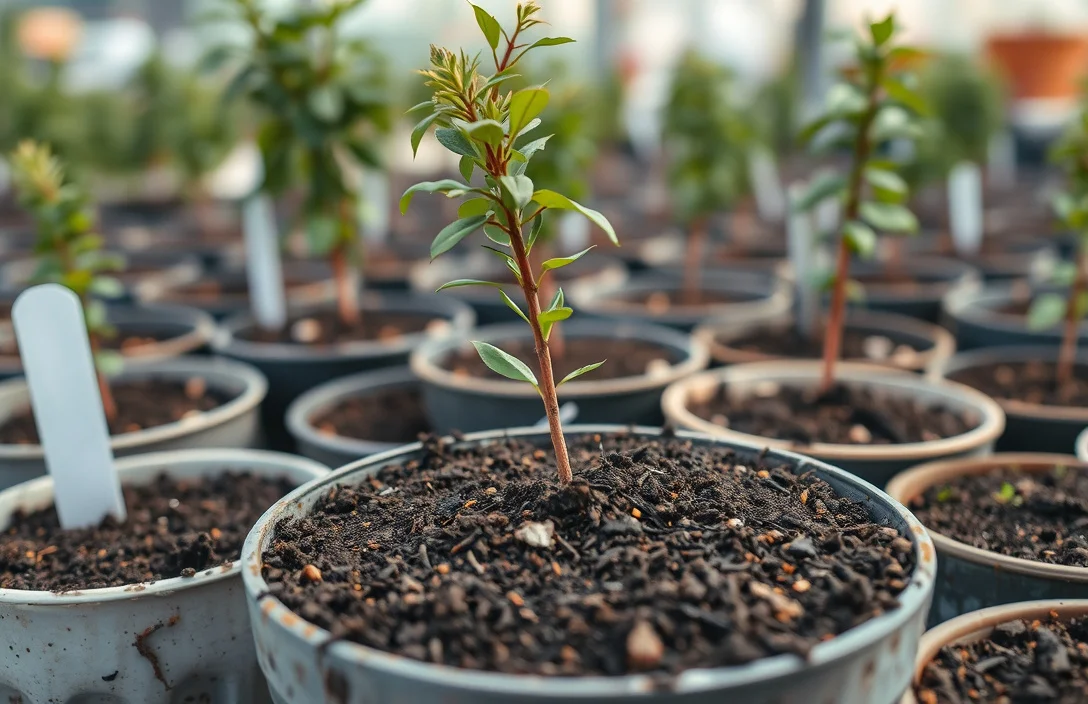
Soil For Trees In Pots: How To Achieve Proper Drainage
Trees in pots live in a smaller world than trees in the ground, so the soil has to do more work. Potting mixes control drainage, hold enough water, and keep oxygen available for roots. If the mix stays soggy or turns to dust, growth stalls quickly. This guide breaks down what to look for in soil for trees in pots, how to choose it, and how to mix what your tree needs.
Soil for trees in pots should be loose and well-draining, with enough organic matter to hold moisture without going anaerobic. Aim for a mix that drains in minutes, not hours, and doesn’t compact over time. For many container trees, that means potting mix plus aeration like perlite, bark fines, or pumice, often with compost in modest amounts.
Key Takeaways
- Drainage decides success. Container soil must drain well or roots suffocate, especially in dense, clay-like mixes.
- Air in the root zone. Loose structure keeps oxygen available, and soil is only “safe” when it still holds air after watering.
- Use potting mix, not yard soil. Native soil compacts in pots and rarely matches the balance container roots need.
- Feed with restraint. Add slow-release fertilizer or compost carefully, because nutrients swing faster in limited soil volume.
- Match mix to tree type. Moisture-loving trees can take more organic matter, while maples and many evergreens usually prefer more aeration.
- Re-pot on schedule. Most container trees need fresh mix every 1 to 3 years as structure breaks down.
What to Know About Soil for Trees in Pots
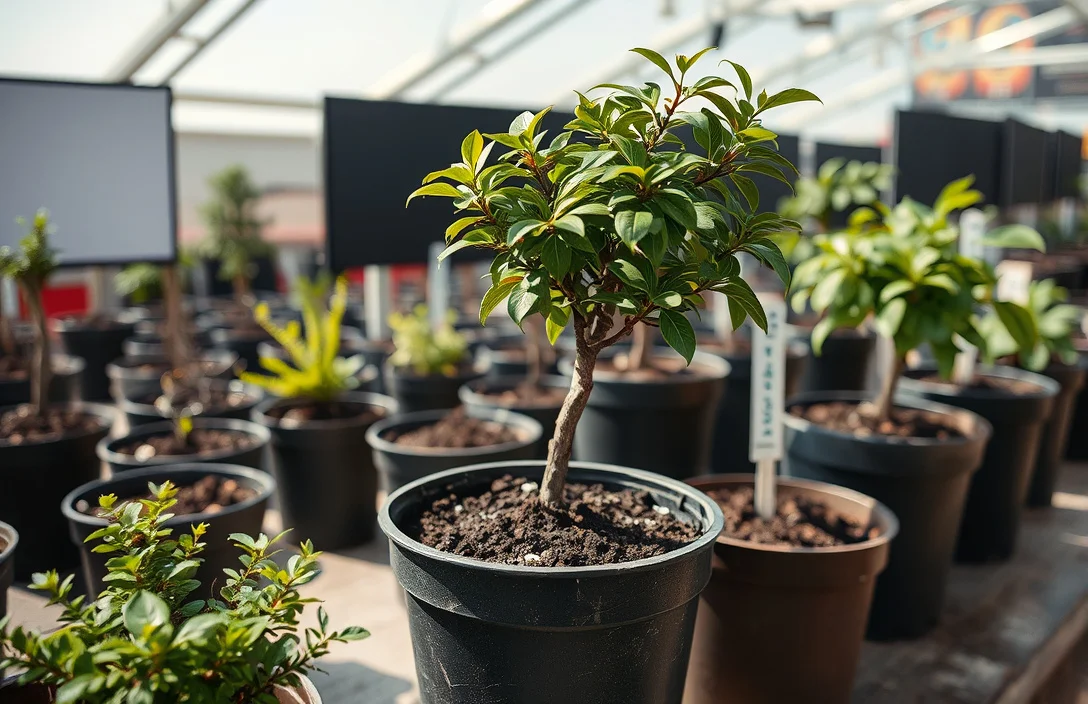
Soil for trees in pots has to balance three things at once: moisture, oxygen, and nutrients. Real soil is porous and biologically active, and roots depend on both water and air-filled spaces. In containers, those air spaces vanish fast if the mix is heavy or compacts.
“Soil” in a pot also acts like an engineered mixture, not dirt. Garden soil works in-ground because surrounding soil helps drainage and aeration. In a pot, that support disappears, so the mix has to stay stable and drain properly throughout the season.
Potting soil isn’t automatically nutrient-rich in a useful way. Most container mixes are built for structure first, then fertility comes from compost, fertilizer, or time-release amendments. Overdoing rich compost or topping with thick yard soil can lock the surface into staying wet and skew nutrient balance.
Things that matter most
Texture and structure matter more than ingredient names. A good container mix feels crumbly when dry. After watering, it should soak in and then drain, leaving the surface workable without staying wet.
If water sits on top or the mix turns sticky and dense after watering, you’re heading toward root problems. Containers magnify these issues because there’s nowhere for excess water to go.
Build a blend with mineral texture (sand or fine grit if you use it carefully), organic material (compost, leaf mold, or peat/coco), and aeration (perlite, pumice, or bark). Mineral particles shape how water moves, organic matter helps hold moisture, and aeration keeps oxygen in the root zone.
Containers dry faster than gardens, so your soil also needs to behave consistently during heat. A mix that swings between bone-dry and waterlogged stresses fine roots. Consistency comes from a stable mix, correct pot size, and watering that matches how fast the pot actually dries.
Tips for Soil for Trees in Pots
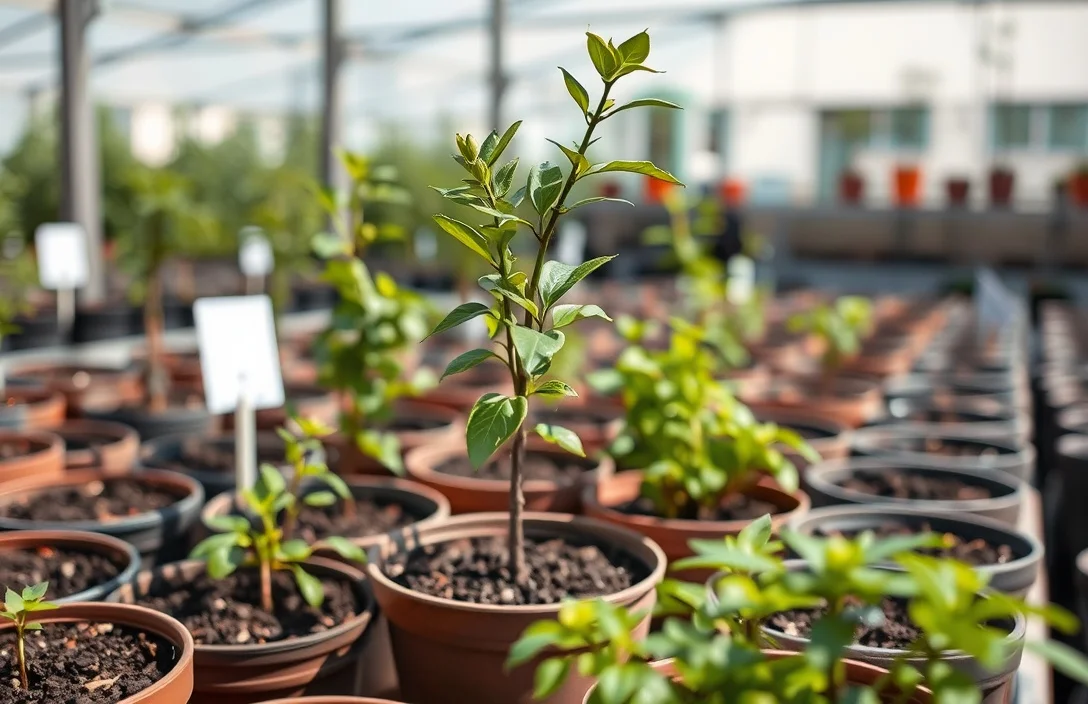
Use the finger test before watering. Stick your finger 1 to 2 inches into the pot. If it feels dry at that depth, water thoroughly until it drains from the bottom. If it still feels cool and damp, wait. Container soil can stay wet longer than the surface suggests.
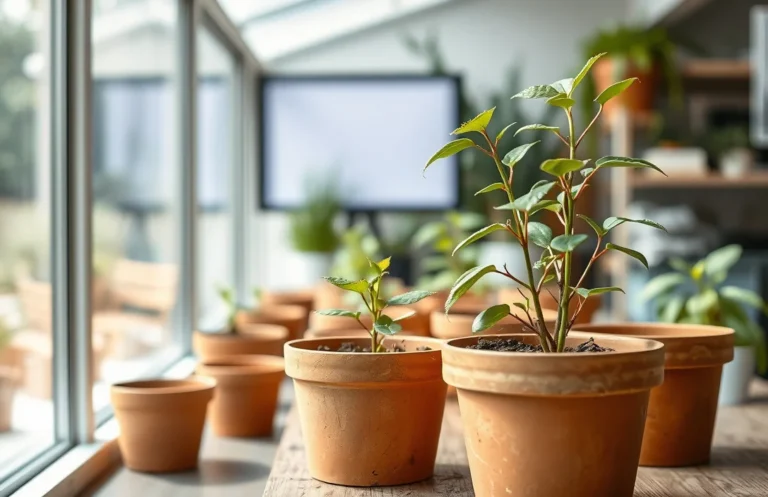
Choose the right pot and drainage setup as part of the soil system. A nursery pot with multiple drainage holes plus a saucer you empty after watering prevents a soggy bottom layer. If you use a decorative cachepot, never let water pool underneath, because that turns the root zone into low-oxygen conditions.
Add aeration if you want fewer root headaches. Perlite, pumice, or bark fines keep pores open so water and air can move. If you rely only on rich compost or topsoil, you usually get faster compaction and slower drainage as the season goes on.
Do a real “soil check” right after planting. After you plant and water deeply, time how long it takes to drain. If it takes a long time, loosen the mix (add aeration) instead of repeating the same soak-and-wait routine all summer.
Top-dress lightly, and let feeding come from fertilizer. Thick compost layers can seal the surface, reduce oxygen exchange at the top, and leave the bottom wet. For many container setups, slow-release fertilizer or periodic feeding is easier to manage than heavy organic top-dressing.
Benefits of Soil for Trees in Pots
The biggest benefit is control. With a good mix, you match drainage and moisture retention to your tree instead of hoping your native soil behaves in a container. Containers are isolated volumes, so the mix becomes the “microclimate” around roots.
A well-chosen mix also reduces disease pressure. Poor drainage keeps roots stressed and more vulnerable to fungal problems and leaf issues. When the root zone has oxygen, the tree handles heat and watering swings better.
Containers make seasonality easier to manage. You can move a pot for sun exposure, protect it from extreme weather, and refresh the soil when structure breaks down. Fresh mix renews aeration and resets nutrient balance.
Fresh container soil also supports rooting after planting or transplanting. When moisture and aeration stay balanced, roots branch and spread through the pot more evenly, leading to steadier growth and simpler watering.

Helpful pick
Miracle-Gro Moisture Control Potting Mix – Plant Soil For Container Plants, Protects against Over- and Under-Watering, 8 qt. (2-Pack)
This moisture control mix helps balance drainage and water retention, aligning the container’s microclimate with your tree’s needs.
Options for Soil for Trees in Pots
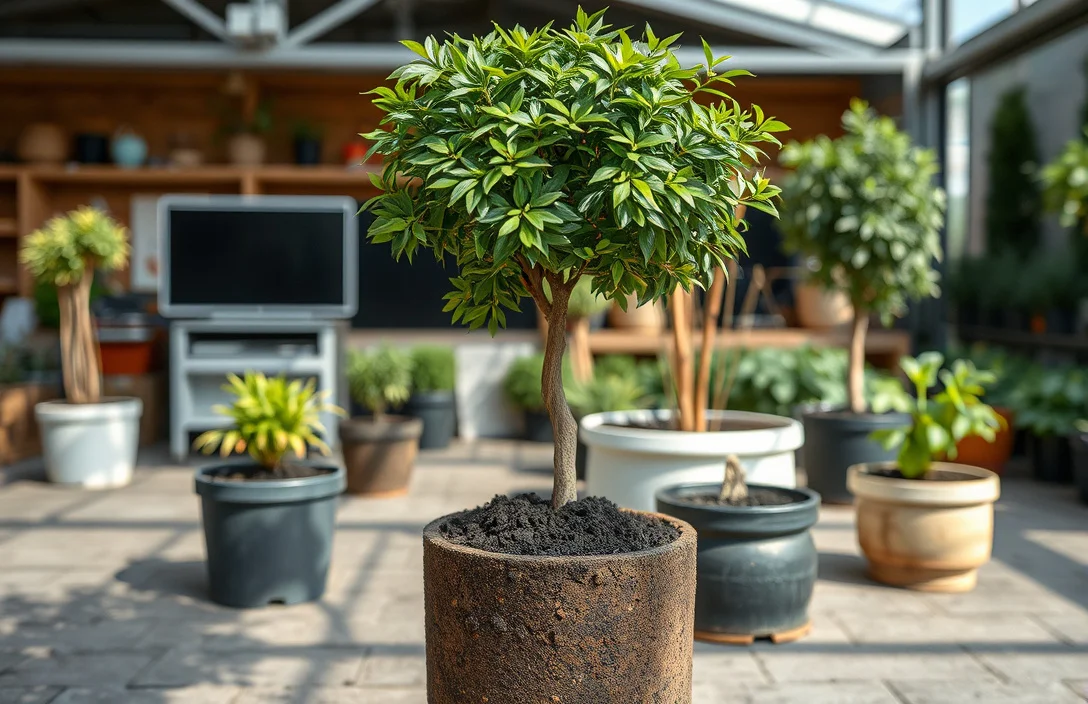
Potting mixes for containers are the simplest starting point because they’re blended for drainage and structure. Look for products labeled for containers, pots, or “potting mix,” not “topsoil.” You want mixes that stay fluffy instead of compacting into a dense mass.
DIY works well when you start with potting mix and upgrade it for aeration. A common approach is potting mix plus perlite or pumice, and optionally bark fines for extra structure. This helps a lot in small pots where heat builds and water drains unpredictably.
For trees that like more moisture, increase organic content slightly but keep aeration high. The goal is more water-holding without collapsing pore space. Heavy compost or clay-rich soil defeats that balance.
For “bonsai-style” or very top-heavy containers, compactness is usually the problem. In these cases, more aeration (pumice, akadama-type materials where appropriate, or coarse bark) helps prevent collapse and keeps the mix from staying wet too long.
If you only have local yard soil, use it with caution and only with plenty of aeration and composted amendments. Expect frequent monitoring and earlier reworking than you would with real potting mix.
Here’s a quick comparison to make the choice easier:
| Soil option (for containers) | Key spec / behavior | Best for |
|---|---|---|
| Quality commercial potting mix | Drains reliably, designed for containers | Most home gardeners, easiest baseline |
| Potting mix + perlite/pumice | More air in pores, slower compaction | Hot climates, smaller pots, beginners |
| Potting mix + bark fines | Better long-term structure | Trees that dislike “wet feet” |
| DIY mix with compost-heavy base | Higher nutrient, but can compact | Only if you aerate well and monitor closely |
| Heavy topsoil/yard soil (minimal amendments) | Often compacts, drains poorly | Avoid for most container trees |

Helpful pick
Back to the Roots 100% Organic Indoor Potting Mix (Value 12 Quart) | Promotes Healthy Houseplant Growth| Made in The USA
Organic, fluffy mix provides drainage and structure essential for healthy potted trees.
Expert Advice on Soil for Trees in Pots
Adopt a root-zone mindset. The best soil for a container tree stays breathable after watering and during dry-down. A mix that works in the ground can fail quickly in a pot once it compacts and limits oxygen.
Choose aeration over extra richness. Roots need oxygen more than they need more compost in a small volume, and many container failures come from mixes that are too dense. If you want to feed, use slow-release fertilizer or a measured compost addition, then protect the soil structure.
Match moisture holding to the tree and to your watering habits. If you travel or forget sometimes, a slightly more moisture-retentive mix helps, but aeration has to stay high. If you tend to overwater, use more aeration and less organic material instead of trying to “tough it out.”
When you repot, treat old mix as a living material that changes. Over time, container soil breaks down, compresses, and can become hydrophobic (repels water). Many growers solve this by removing part of the old mix, refreshing with new aerated media, and resetting fertilizer inputs.
Watch the tree, not the bag. Leaf drop, slow growth, a persistently wet smell, and repeated wilting after watering all point to a mix that isn’t staying in the right moisture-and-air range. The best blend is the one that keeps your specific tree’s root zone stable in your specific setup.
Practical “Mix Success”
- You can water thoroughly and get runoff within minutes.
- The mix feels loose (not muddy or paste-like) when moist.
- The pot does not stay heavy and cold-soggy after wetting.
- Roots look healthy after repotting, with no mushy areas.
- The mix doesn’t crust over or repel water quickly.

Helpful pick
Potting Mix Soil 3 QT for Indoor Plants & Outdoor Gardening – Seed Starter Soil, All Purpose Planting Mix – Moisture Retaining, Fast Draining Soil for Seeds, Herbs, Flowers & Vegetables
Offers fast draining, moisture-retaining mix that prevents compaction and preserves root-zone aeration for potted trees.
Examples: Soil for Trees in Pots
Start with a working setup, then adjust based on how fast your pot dries and how the tree responds.
For a general-purpose deciduous shade tree in a medium container, use a quality potting mix as the base and add aeration. Start with potting mix plus perlite (or pumice) to keep drainage fast and the root zone oxygenated. If the tree sits in full sun and dries quickly, add a modest amount of compost, but don’t turn the mix into a heavy “potting mud.”
For a fruit tree in a large pot, structure still matters, but nutrient management matters more because fruiting is demanding. Use potting mix plus bark fines or pumice for stable pores, then feed with slow-release fertilizer according to the product label. Keep the mix consistent, because irregular wetting can add stress during flowering and fruit set.
For an evergreen or conifer in a pot, aim for slightly more aeration and controlled moisture retention. Many evergreens struggle when the root zone stays too wet, so a base potting mix upgraded with pumice and some bark fines helps. Water accurately, empty the saucer, and avoid compacting the surface.
For a small pot or a “quick dry” situation, start with more aeration from day one. Small volumes heat up and dry faster, so perlite or coarse pumice can slow moisture loss while still preventing soggy conditions after deep watering. If your mix dries to a brick, you need both better water-holding and better wetting behavior, often improved with a bit more organic matter plus an airy structured base.
If you want a simple DIY starting recipe, use this framework:
- Base: quality potting mix
- Add aeration: perlite or pumice
- Optional structure: bark fines
- Optional fertility: small amount of compost (not a majority)
When you repot, replace most of the mix if it has broken down or repelled water. Even a great recipe turns into a poor one once compaction and breakdown take over in a container.
FAQ
What soil should I use for trees in pots in the United States?
Use a quality commercial potting mix labeled for containers, then add aeration like perlite or pumice if drainage is slow. Avoid plain yard soil because it compacts in pots and often holds water too long. If you consistently see runoff after minutes and the pot doesn’t stay soggy for days, your mix is behaving correctly.
How do I mix soil for a potted tree myself?
Start with potting mix as the base, then blend in perlite or pumice for airflow. Add bark fines if you want extra structure and slower breakdown. If you include compost, keep it modest so you do not turn the mix dense and waterlogged in limited pot volume.
How often should I change the soil in a tree pot?
Refresh the mix every 1 to 3 years for most potted trees, sooner if the soil becomes compact, crusty, or water-repellent. If watering becomes inconsistent (wet, then suddenly dry without re-wetting), repot sooner and replace most of the old media.
Is it safe to use compost in potting soil for trees?
Yes, but use compost carefully and in smaller proportions. Compost can boost nutrients and water holding, but too much can reduce airflow and keep the root zone wet. For most trees, blend compost lightly into a potting mix that already drains well, then rely on slow-release fertilizer if you need steady feeding.
What’s the most common mistake with soil for trees in pots?
Using heavy garden soil or topsoil without aeration. That mix compacts, drains slowly, and can lead to root stress because containers have no surrounding soil to buffer moisture and oxygen. The fast fix is switching to potting mix plus aeration, then repot if the roots are already stressed.
If you want one practical next step: pick a quality container potting mix today, then add enough perlite or pumice that runoff happens quickly after watering. After planting, run the finger test and adjust the mix next season if the pot dries too fast or stays wet too long.

- 10 Best Slow Cooker With Cool Touch Handles 2026 (Tested And Reviewed) - October 22, 2026
- 10 Best Slow Cooker With Quality Construction 2026 (Tested And Reviewed) - October 22, 2026
- 10 Best Slow Cooker With Premium Construction 2026 (Tested And Reviewed) - October 22, 2026