Can You Grow Watermelon In Pots?
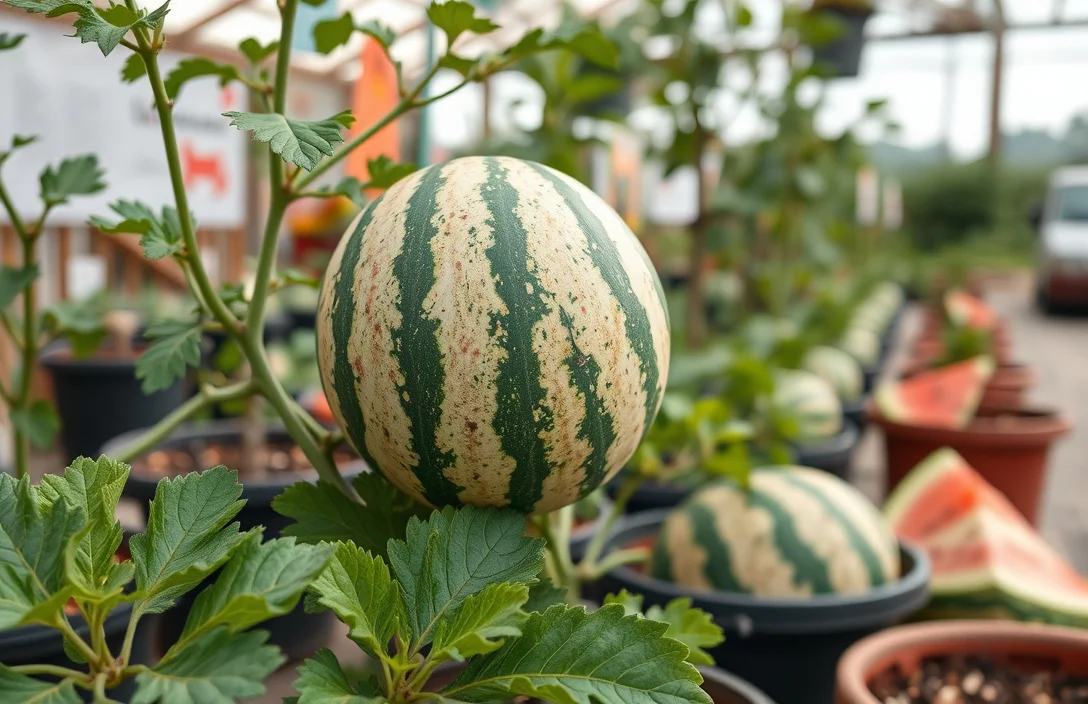
Yes, you can grow watermelon in pots, but the container size, variety choice, and watering setup decide whether you get fruit or disappointment. Watermelons are heavy feeders with sprawling vines, and a “small patio pot” usually can’t keep up. This guide focuses on the decisions that actually matter in U.S. conditions: pot size, soil, trellising, pollination, feeding, and harvest timing, with practical options for different spaces.
Key Takeaways
- Use the right pot size. Pick 5-10+ gallons per plant. Watermelon grows fast and dries out quickly.
- Choose compact varieties. Bush and “mini” types fit containers far better than full-size watermelon.
- Give strong sun. Aim for 6-8 hours daily to keep growth steady and flowers plentiful.
- Water consistently. Keep soil evenly moist and avoid big dry-wet swings that hurt yield and fruit quality.
- Feed on schedule. Use a balanced fertilizer early, then shift toward fruit support as vines take off.
- Plan for pollination. In pots, you still need reliable pollination. Patio growers often end up hand pollinating.
What to Know About can you grow watermelon in pot
Watermelon grows in pots when the container can handle vigorous roots, frequent watering, and the fruit’s weight. Too little space or soil that dries out forces stress, which slows growth and makes flowers drop.
Most container watermelon problems come down to the basics – watering, sun, and space. When roots can’t roam, heat and missed water show up fast as wilting, yellowing, and weak fruit set. You can fix symptoms, but prevention starts with a compact variety and enough container volume.
Temperature matters in the U.S., too. Watermelon only pushes well once nights stay reliably warm. Planting too early can stunt growth and delay flowering.
Things that matter most
Container watermelon succeeds when you match four things: variety, container size, training method, and a consistent care routine. Get those right and you can grow a real crop even on a patio or balcony.
Treat the pot like part of the nutrition plan. A small container dries fast and limits root development, so the plant behaves like it’s under stress all season. A larger pot holds moisture longer and buffers fertilizer changes, which is why most container growers stick to 5 gallons minimum and often prefer 10 gallons if they have the space.
Decide whether the vines will sprawl or go up. Sprawling is simpler, but it uses floor space and makes moisture management trickier. Trellising saves room, improves airflow, and keeps fruit off the ground, but you’ll need support and careful handling so melons don’t tear themselves loose.
Plan pollination early. If you depend only on natural pollinators in a patio, windy deck, or shaded corner, fruit set can be inconsistent. Hand pollination becomes the backup plan when you see lots of male flowers but fewer fruits forming.
Tips for can you grow watermelon in pot
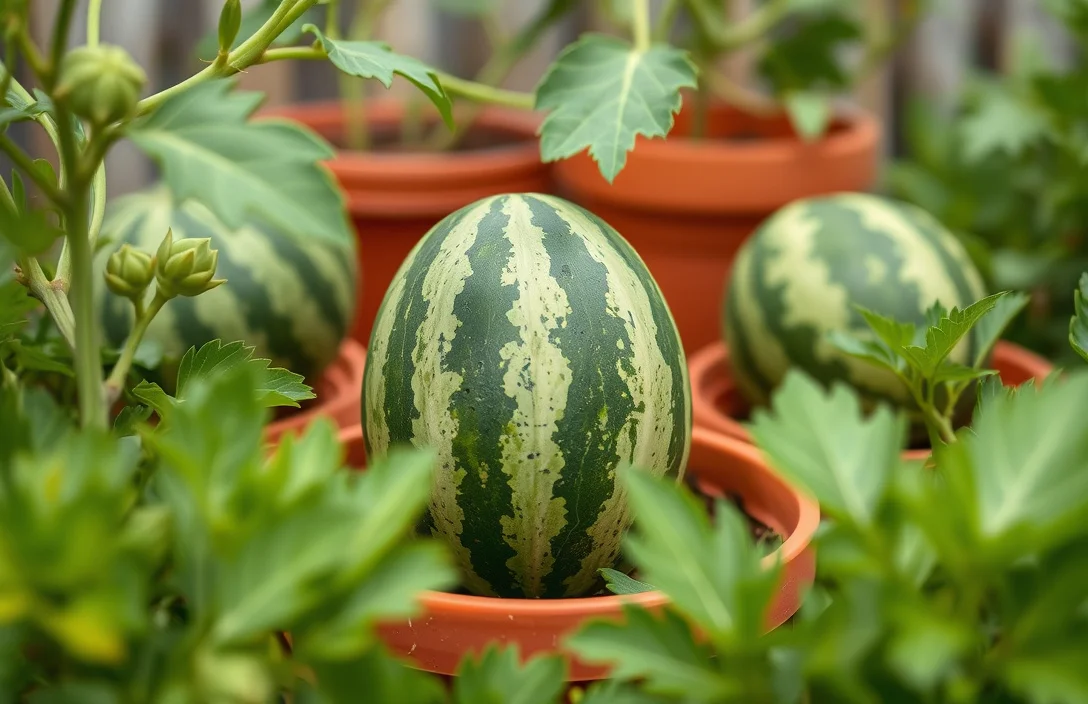
Use these container-focused tips in the order that affects results most. The goal is steady growth from transplant to harvest.
- Pick 1 plant per pot. Watermelon vines spread, and multiple plants in one container compete for water and fertilizer.
- Go wide before you go tall. A wider pot holds more usable soil and moisture for roots.
- Use fresh potting mix, not outdoor dirt. Light, well-draining potting mix helps roots breathe while still holding moisture.
- Mulch the soil surface. A thin layer of straw or leaf mulch cuts evaporation on hot days.
- Water deeply, then re-check. Soak until water drains out, then water again when the top inch starts to dry.
- Feed with restraint, then be consistent. Too much nitrogen can boost leaves and delay flowering once vines start running.
- Support fruit weight. If trellised, sling developing melons in netting and secure them so the vine isn’t the only support.
- Hand pollinate if needed. Transfer pollen from a male bloom to a female bloom (female flowers have a small swollen base).
My rule for first-timers is to start with a compact “patio” variety and build everything around it. If you trellis, get the frame or sturdy stakes, soft ties, and net slings before fruit gets heavy. If you sprawl instead, leave enough room and support fruit with a board or thick mulch so it isn’t sitting on wet soil.
Heat stress deserves attention, especially in full sun. Even good potting mix can dry out fast. If leaves wilt at midday but rebound at night, you’re usually under-watering between checks. Increase watering frequency rather than adding more fertilizer.
Benefits of can you grow watermelon in pot
Growing watermelon in pots gives you control, and that control is the real advantage. You can manage warmth, soil quality, watering timing, and sun exposure more easily than in open ground.
Mobility is the first big win. You can move the pot to chase sun and bring it under cover if rain or cool nights threaten flowering. That flexibility helps in the U.S. spring, when weather swings can delay growth.
Soil management comes next. Potting mix is cleaner and more predictable than amended garden soil, so you deal with fewer issues like compaction, poor drainage, or hidden pests. You can also tailor the mix to keep structure for roots while still holding moisture.
You also catch problems sooner. Container plants sit where you can see them, so insect damage and early mildew show up before they get out of hand, especially when leaves get crowded.
Trellising boosts these benefits because airflow improves and fruit stays off the ground. Cleaner fruit and less rotting often follow when melons aren’t in contact with soil.
Options for can you grow watermelon in pot
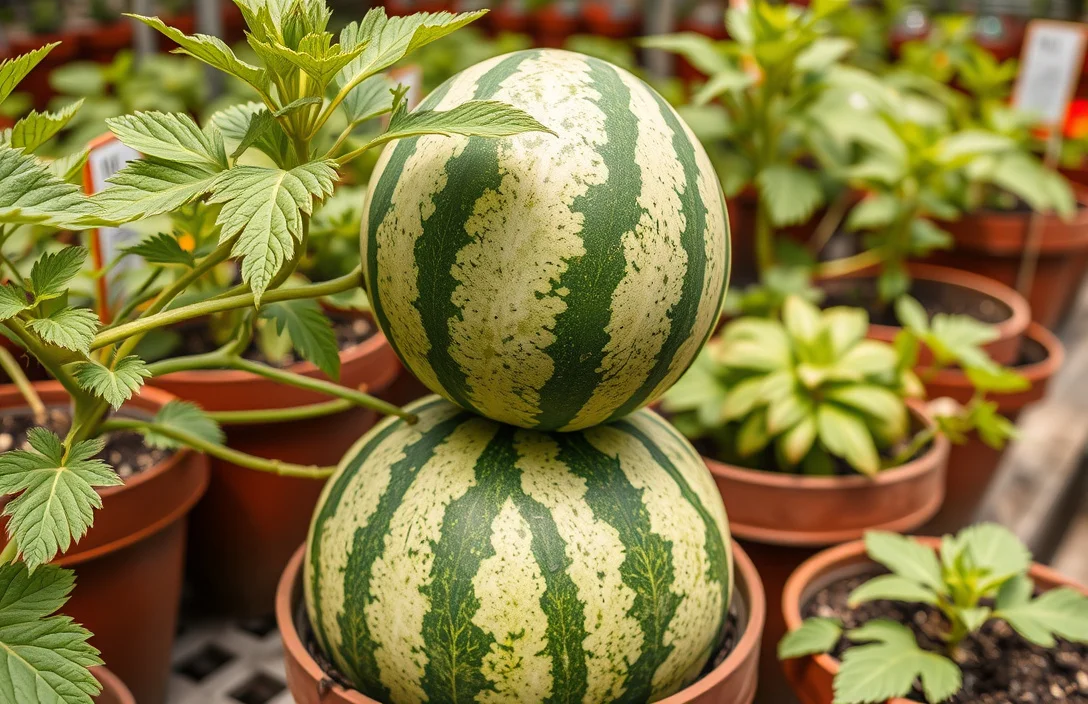
You have three practical container systems for watermelon. The right choice depends on your space and how much day-to-day work you want to do. Most people get the best results with the simplest system that still gives enough soil volume and sun.
Sprawling pot (simplest setup)
Let vines grow outward from the pot. This works when you have patio floor space and don’t want to manage trellis training.
- Best for: small yards with room at ground level
- What you must do: keep fruit supported off wet surfaces and prevent vines from crowding nearby pots
Trellised pot (best for space)
Train vines up a trellis or tall frame. This is the go-to approach for balconies, tight patios, and decks.
- Best for: limited floor space
- What you must do: use plant ties and add slings as fruit gets heavier
Raised containers with fabric mulch (best for consistent watering)
Use larger pots or grow bags with a stable watering routine and a mulched top. This system is built to reduce day-to-day variability.
| Best for: hot climates or busy schedules What you must do: check moisture frequently early in the season, since grow media can dry faster than garden soil | Option | Container size (typical) | Best for | Biggest trade-off |
|---|---|---|---|---|
| Sprawling on ground | 5-10+ gallons | Easiest setup | Needs floor space and careful fruit support | |
| Trellised up | 10+ gallons if possible | Small patios, cleaner fruit | More gear, tie and sling labor | |
| Mulched large pot system | 5-10+ gallons | Hot summers, consistency | Requires frequent checks until plants are established |
If you’re unsure, trellising usually pays off on U.S. patios where space is tight. If you want low effort, a larger pot with some sprawl often gives the most predictable outcome.
Expert Advice on can you grow watermelon in pot
Treat container watermelon like a high-maintenance crop during the first 3-6 weeks after transplant. Once it establishes vigorous growth, it handles stress better, but early growth is fragile – cold soil, under-watering, and nutrient imbalance can knock it off track quickly.
Start with temperature. Wait until the weather allows steady growth, then keep the pot in full sun. If nights are still cool, protect the pot by moving it to a sheltered spot rather than trying to “push” growth with extra fertilizer.
Manage nitrogen. Early leaf growth matters, but too much nitrogen can delay flowering, especially in containers where nutrients build up in a limited root zone. If you see huge vines and few blooms, reduce feeding and return to consistent watering and sun.
Commit to pollination. In the garden, bees handle most of the work. On a patio, pollinators may be scarce, or flowers may open when bees aren’t around. When female flowers appear, spend 2-3 minutes hand pollinating if fruits don’t start forming within about a week of peak bloom.
Be realistic about yield. A potted watermelon plant is not a field crop. Your goal is quality from a small number of melons, not dozens. Compact varieties help, but expect “a few” rather than “a bunch.”
My go-to success formula for first-timers is: compact variety, 10-gallon container when possible, bright sun, steady moisture, and a trellis with slings if space is tight. That combination cuts the most common failure points: drying out, weak fruit support, and low fruit set.
can you grow watermelon in pot?
Container watermelon changes the setup based on where you’re growing and how much space you have.
A balcony grower in a warm city wants a space-saving plan. They choose a compact variety, use a trellis, and grow one plant in a large container. As fruit forms, they add net slings so melon weight doesn’t tear the vine. They hand pollinate on days when bee activity is low.
A backyard patio grower has sun but limited time for fiddly tasks. They use a single 5-10 gallon pot, let vines sprawl slightly, and mulch the soil surface to slow moisture loss. They support each melon with a small board or thick mulch patch so it doesn’t sit on damp soil. The biggest win is reliability – the plant keeps moving forward even when watering slips by an hour or two.
A cooler-climate gardener wants a longer season. They start seedlings indoors, transplant after nights warm up, and keep the pot in the sunniest spot available. If late-season weather turns unpredictable, they move the pot to a warmer sheltered area to keep flowering and fruit development steady.
All three scenarios follow the same rules: enough container volume, compact variety, consistent moisture, strong sun, and support for fruit weight. The differences are how space is managed (sprawl versus trellis) and how pollination is handled (natural versus hand).
FAQ
Can I grow watermelon in a pot without a trellis?
Yes, as long as you use enough container volume and support the fruit. Sprawl works best with a larger container (often 5-10+ gallons), good sun, and a way to keep melons off wet soil using mulch or a small board. If vines crowd themselves or shade the flowers, fruit set drops.
How big should a pot be for watermelon?
A common starting point is 5 gallons, and 10+ gallons is safer if you have space. Smaller containers dry out faster and limit root growth, which often leads to weak vines and fewer melons. Plan on one plant per pot because watermelon vines compete aggressively in confined soil.
What’s the fastest way to get watermelon fruit in containers?
Use a compact variety and keep conditions stable from transplant onward. Strong sun and consistent moisture matter more than frequent fertilizer boosts. If pollination is unreliable, hand pollinate when female flowers open, then monitor fruit formation over the next 5-10 days during peak bloom.
Do watermelon plants in pots need a lot of water?
Watermelon needs regular moisture, especially once vines are running and flowers and fruit are forming. Water deeply until some drains from the bottom, then wait until the top inch starts drying before watering again. In hot U.S. summers, containers can require near-daily checks, especially in full sun.
What’s the most common mistake when growing watermelon in pots?
Overcrowding the pot or using a container that’s too small. People often try to fit multiple plants or use shallow planters, but roots still need room for water and nutrients. That stress shows up early, then leads to poor flowering and small or missing fruit.

- 10 Best Slow Cooker For Slow Cooking Legumes 2026 (Tested And Reviewed) - October 17, 2026
- 10 Best Slow Cooker For Slow Cooking Oxtail 2026 (Tested And Reviewed) - October 16, 2026
- 10 Best Slow Cooker For Slow Cooking Venison 2026 (Tested And Reviewed) - October 16, 2026