Fall Flower Pots For Porch Explained Simply
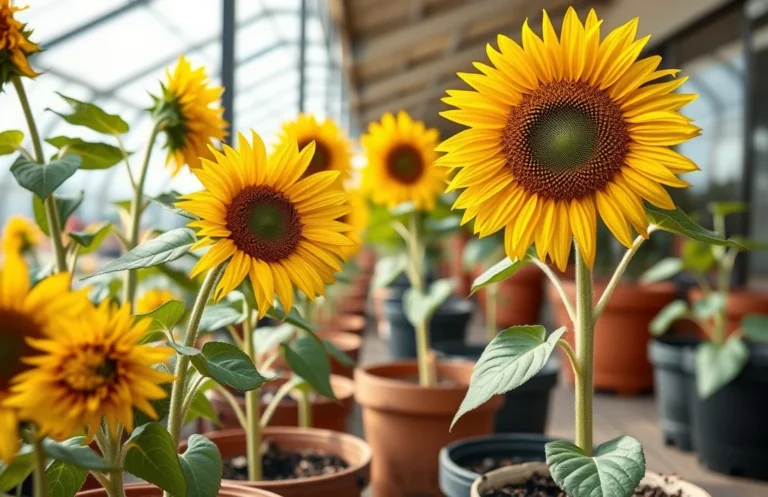
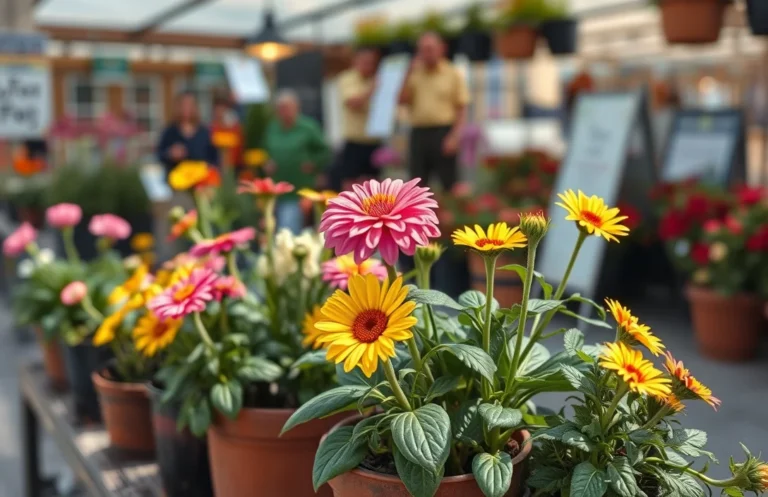
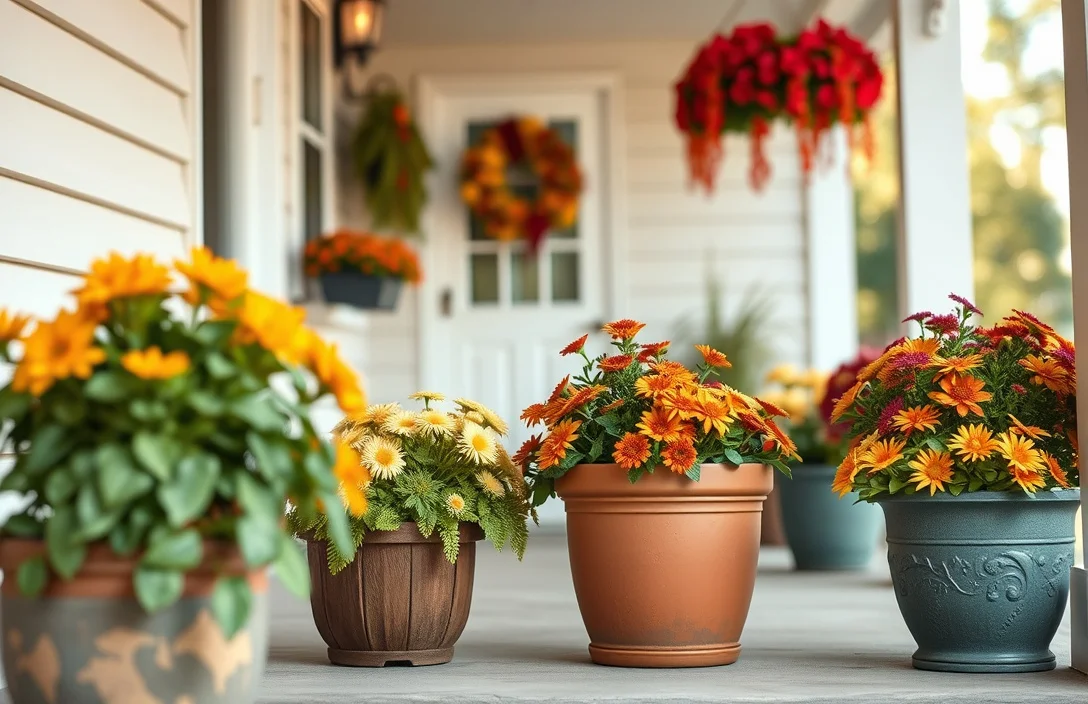
Fall porch planters are a fast way to make the front of your home look put-together, even when your yard is winding down. “Fall” means a downward descent or drop, and that shift in seasons is your cue to change what you plant and how you weatherproof it. Pick porch-ready containers, soil, plants, and care so your pots look good for weeks, not days.
Fall flower pots for porch are mostly about choosing hardy plants that tolerate cooler nights and using drainage-first planters with a simple soil mix. In most U.S. climates, you can build attractive combos with pansies (often cold-tolerant), ornamental kale (a cool-weather performer), and trailing plants like ivy geranium or sweet potato vine. Use containers with drainage holes and water deeply when the top inch of soil dries.
Key Takeaways
- Aim for cold tolerance. Pick plants that handle night lows and keep color when temperatures dip.
- Use drainage-first planters. Pots must drain, otherwise roots rot and the whole arrangement fails.
- Group plants by height. Use “tall, thriller, filler, spiller” so the arrangement reads balanced from the sidewalk.
- Refresh, don’t rebuild. Swap in seasonal top growth and adjust watering instead of starting over mid-season.
- Weatherproof the soil. Use quality potting mix and skip heavy garden soil, which compacts in containers.
- Plan your care schedule. Check moisture 2-3 times weekly in early fall, then adjust as nights cool.
What to Know About fall flower pots for porch
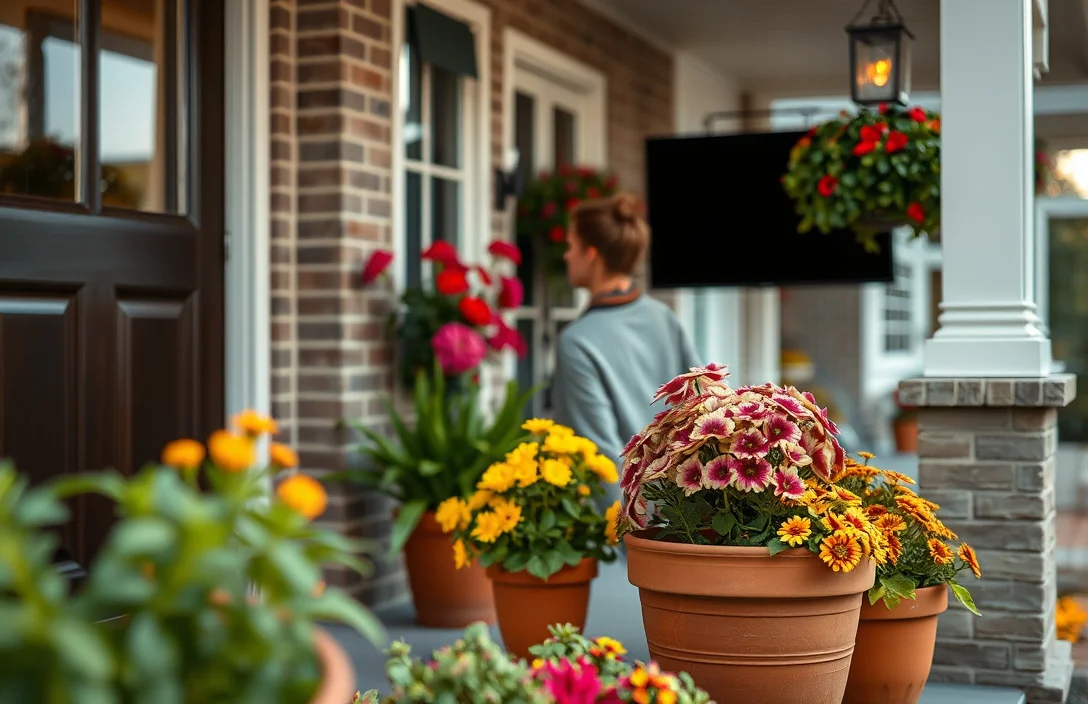
Fall flower pots for porch work best when they match the job of the porch: visible from a distance, exposed to wind and changing light, and easy for you to maintain. That comes down to drainage, plants that tolerate cooler temperatures, and a layout that looks intentional as individual plants slow down.
A simple way to design porch planters in fall is to plan around “microclimates.” A porch can run warmer than the yard from nearby walls, but it can also create wind-tunnel conditions. If you deal with strong wind or full shade, choose sturdier plants and build in tighter spacing so everything holds its shape longer.
Decide how you want the look to carry you through. “Fresh fall” color is one goal. “Winter-ready” structure is another. Pansies and ornamental kale can handle colder stretches. Mums often peak and then slow, depending on frost timing. If you want the longest look, build with structure plants first and add short-term color accents second.
Don’t ignore container scale. Small pots dry out fast, and cooler air doesn’t fix that problem. If the pot is too small for the plants you pick, you’ll water more often and you’ll see droop and leaf damage sooner.
Things that matter most
Fall flower pots for porch look great or sad mostly because of water management. Containers dry at different rates based on pot material, sunlight, and wind. Check the top inch of soil with your finger, then water until it runs out of the drainage holes and the pot feels heavy again.
Soil is the next make-or-break factor. Use potting mix labeled for containers, not garden dirt. Container soil holds moisture without staying soggy. In fall, plants often need less water than summer but still need consistent moisture to establish strong roots.
Temperature and light determine what survives the transition. Many fall favorites handle cool weather, but “cool” isn’t the same as “frost.” Expecting early frosts? Choose plants that keep leaves attractive after cold snaps. Mostly shaded porch? Go for plants that maintain shape and color in lower light.
The container itself matters too. Heavy planters are harder to move when storms hit and when you need daily checks. Very light planters tip in wind. Aim for a balance that lets you manage weather without fighting the weight of the pot.
These setup choices do the most work:
- Match plant toughness to exposure. Windy porch? Choose sturdy stems and mounding habits.
- Pick containers with real drainage. No drainage holes means root rot risk.
- Use consistent soil depth. Shallow pots dry out faster, deep pots hold moisture longer.
- Design for viewing distance. Place taller plants toward the back side of the pot.
- Avoid overstuffing. Crowded roots rot faster in cooler, wetter fall stretches.
Tips for fall flower pots for porch
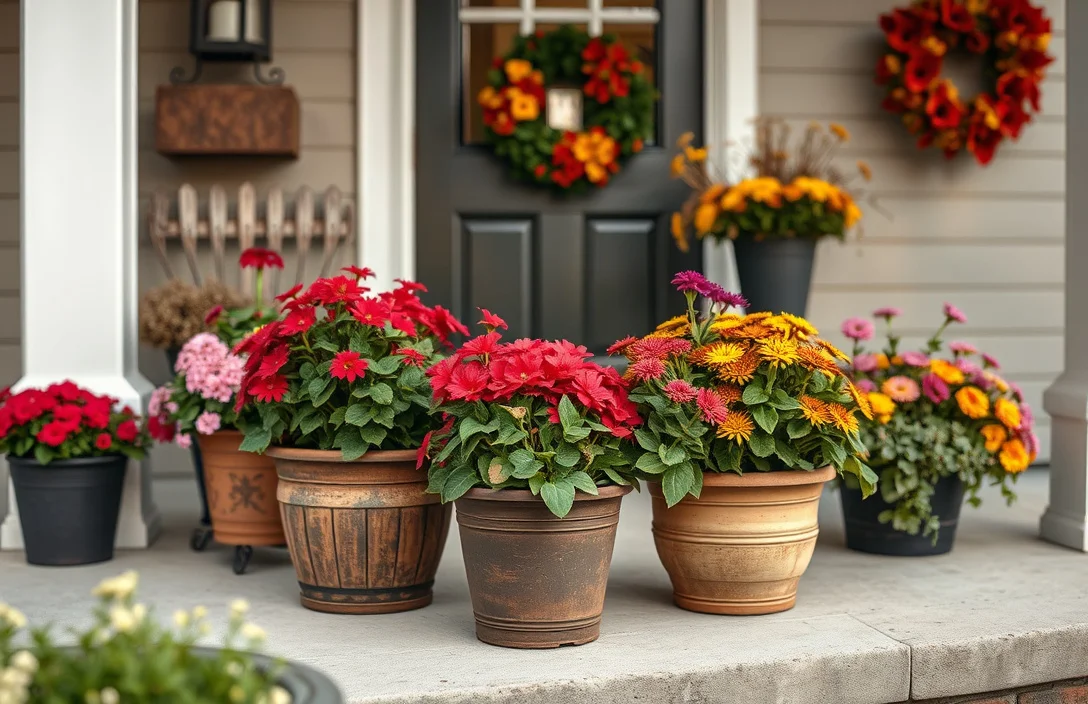
Choose a container you can actually maintain. If the pot is hard to lift or it sits somewhere you rarely water, use fewer plants and pick sturdier ones. A “simpler” arrangement often looks more polished than a complicated one where one plant fails early.
For planting layout, use a visual triangle. Put the tallest plant toward the back center, add two to three filler plants to cover the middle, and include a spiller that drapes over the rim. If someone will view the pot from one side, angle the taller plant slightly toward that viewing side so the shape reads clearly.
Planting depth matters in fall. Set plants at the same depth they sat in their nursery containers and don’t bury crowns too deep. After you plant, press the soil gently to remove big air pockets, then water thoroughly to settle the mix around roots.
The most common fall planter mistake is “planting and forgetting.” Use a simple routine:
- Water when the top inch dries. In cooler weather, that might be every 4-7 days, or sooner in sun and wind.
- Deadhead and tidy weekly. Pull spent blooms so the pot looks intentional.
- Fertilize lightly if growth stalls. Slow-release fertilizer can help, but avoid overfeeding.
- Watch for crown rot. If leaves yellow and feel mushy at the base, remove affected plants early.
- Protect during hard frost. A porch doesn’t guarantee safety when temperatures drop hard overnight.
Mulch can help in fall containers. Use a thin layer of pine bark or similar top dressing to cut evaporation, but keep it away from plant crowns so you don’t trap moisture around stems.
If you want the easiest “refresh” method, plan for a mid-season top swap. Buy one anchor plant (like ornamental kale or a hardy evergreen-like filler) plus a color plant you can replace later. When the color fades, swap the top layer without tearing everything out.
Benefits of fall flower pots for porch
Fall flower pots for porch make your entryway feel alive while many lawns look tired. They also extend seasonal personality without committing to a full bed makeover. With plants that stay attractive through cooler weather, your front porch can look “finished” from early fall through first frosts.
You get better control than planting in the ground. Containers let you choose soil quality, reposition plants for light and wind, and change combinations when your preferences shift. If shade is deeper than expected, you can move pots under an overhang or away from harsh sun instead of digging and replanting.
Fall container gardening is also more predictable when you keep the layout simple. Containers don’t have the same resilience as in-ground roots, but they give fast feedback. When a plant struggles, you spot it quickly and troubleshoot the cause, whether it’s dry soil, weak light, or crowding.
Fall pots also reduce seasonal “gap time.” Many people stop planting after summer blooms fade and the porch looks bare until spring. A few well-chosen pots bridge that gap with structured plants and cool-weather color.

Helpful pick
SnugNiture Set of 2 Round Tall Planters 22 Inch, Large Planter for Indoor Outdoor Plants, Modern Flower Pot Containers Large Decorative Tree Planter, Black
Durable tall, round planters showcase autumn blooms, brightening your porch with seasonal color through cooler days.
Options for fall flower pots for porch
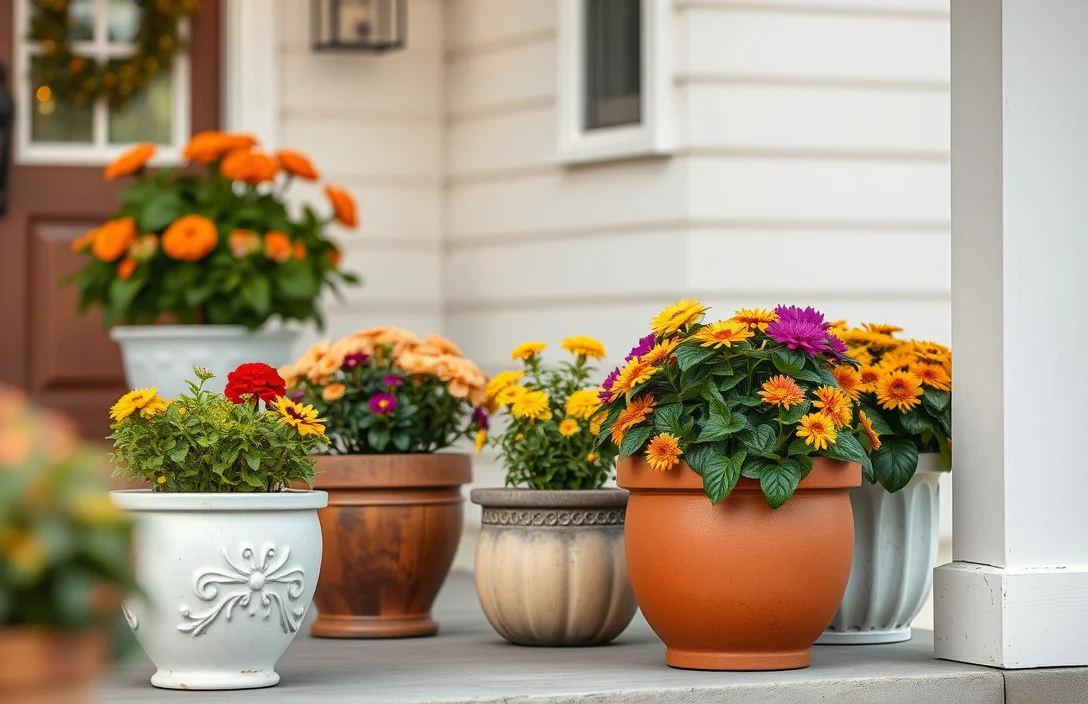
Pick options based on porch sun (sunny, partly shaded, or mostly shaded) and whether you want short-term color, longer structure, or both.
Container and plant pairing table (quick picks)
| Option Type | Key Spec / Price Factor | Best For |
|---|---|---|
| Large pot (30″+ span) | Higher cost per pot, fewer total containers | Long-lasting “statement” planters with less frequent watering |
| Medium pots (18-24″+ span) | Balanced cost and flexibility | Typical porches where you want 2-4 coordinated containers |
| Window-box style trough | More soil per dollar, great for matching | Porches with multiple steps or a long wall to frame |
| Self-watering planters | More upfront cost, easier watering | Busy weeks, sunny porches that dry fast |
| Terracotta-style pots | More porous, more watering | Dry climates and covered porches where wind isn’t constant |
| Plastic/resin pots | Lightweight, often cheaper | Windy porches where you need easy handling |
For plant choices, use “anchor plus color plus texture.” In fall, anchors are usually cold-tolerant plants with strong shape. Color plants provide seasonal pop. Texture plants add leaf variety so the pot still looks full when flowers slow down.

Helpful pick
Devoko Resin Tall Planters for Outdoor Plants Set of 2, Large Taper Outdoor Planter Pots with 4 Drainage Holes, Flower Pots Modern Decor for Porch, Patio, Backyard, Home Garden (Black, 23.6″)
Tall, durable resin planters offer lasting structure and seasonal color for fall porch displays.
Common fall container ingredients that work across many U.S. climates:
- Pansies for reliable, cool-season color
- Ornamental kale for strong leaf structure and color staying power
- Mums for classic fall blooms (best when you manage moisture and frost timing)
- Ornamental cabbage for similar cool-weather structure
- Trailers like ivy geranium or sweet potato vine for drape (vines slow down later, but still add form)
- Optional evergreen-like structure plants for winter continuity
If you want the most dependable look, use two anchors and one spiller, then add one or two color plants. That combination fills the pot without constant swapping.
Helpful pick
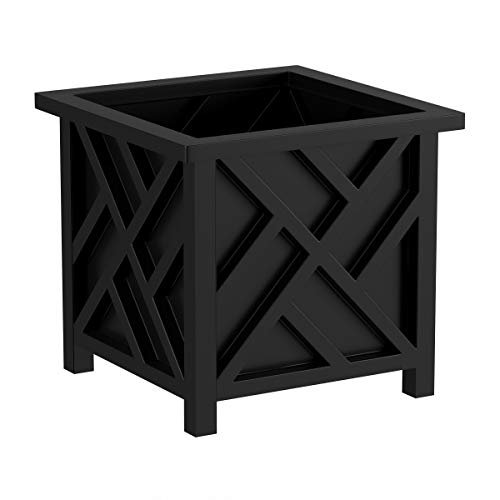
Lattice Design Outdoor Planter Box – 14.75” Square 13” Tall Black Plant Pot – Decorative Plant Pots for Front Porch Decor – Flower Pots Outdoor Planters for Porch Patio or Garden Decor by Pure Garden
Provides a sturdy, versatile container to assemble pansies, kale, mums, and cabbage for curbside fall displays.
Expert Advice on fall flower pots for porch
Use “watering discipline,” not watering instinct. In early fall, people keep watering like summer and the pot stays wet too long after nights cool down. Water deeply, then wait until the top inch dries before watering again. This cuts two common failures: droop from drought and root stress from overwatering.
Match fertilizer to your growth stage. When plants are actively growing, a light feeding helps them fill out. When nights cool and growth slows, heavy feeding encourages soft growth that doesn’t hold up well after temperature dips.
Keep pot proportions consistent. Mixing a tiny mounding plant with a giant tall spike reads lopsided from one viewing angle. Choose plants that belong in the same “space” visually once they settle and grow into their roles.
Use frost strategy from the start. With early frost risk, choose plants that tolerate it, or plan to cover pots overnight with breathable protection. Clear plastic can trap moisture and harm plants, but a breathable frost cover lets air move while reducing damage.
Plan for storms and wind too. Fall rain can be intense, and porch gusts can be brutal. If your pots are top-heavy, secure them with a wider base or choose heavier containers. Toppled planters are hard to fix without replanting.
My rule: don’t skip drainage holes and a catch tray you can empty. That single step prevents most fall planter problems.
Examples: fall flower pots for porch
A good fall porch planter is easier to copy than people think. Start with a template, then adjust based on sun and the plants you can find locally.
Example 1: Classic cool-color porch pair
For a standard front porch with partial sun, use two matching medium pots. Each pot gets a kale anchor as the tall structure, pansies for the color spread, and a trailing plant to drape over the rim. Put the color plants on the outer edges so they read from the sidewalk, then tuck the anchor slightly toward the back center.
Start with the kale, then place pansies like a ring around it, and add the spiller last so it lands naturally over the rim. Water thoroughly after planting, then adjust only if the top inch dries quickly in sun.
Example 2: Textured “fall-to-winter” planter
For a porch you want to look good even after blooms fade, build one larger statement pot. Use ornamental kale and ornamental cabbage for structure. Add one or two evergreen-like fillers for continuity, and keep trailing plants minimal. Leaf texture and color do the heavy lifting when flowers aren’t the main show.
Maintenance stays lower because the pot still looks full when plants slow down. You’ll handle tidy spots and occasional watering, not constant replacement.
Example 3: Mums with a longer-life strategy
For a porch with full sun and the classic mum look, combine mums with a cool-weather anchor. Place one mum near the back center, add pansies or kale around the sides, and include a spiller only if the rim has room. The pot looks finished even if the mum blooms peak earlier than expected.
Mums can be thirsty during sunny fall weeks. If you let them dry out completely, flowers wilt fast and the pot looks tired. Check on a consistent schedule, especially after sunny afternoons.
Example 4: Shade porch with fewer, sturdier choices
For a shaded porch, fewer plants usually look better because leaves do more of the work. Use ornamental kale as the main anchor, add pansies in the brightest spots, and choose a trailing plant that tolerates lower light. Skip overly delicate bloomers that fade quickly in shade.
Repeat the same two anchors in both pots to keep the look cohesive. Match container color too, like dark planters, so the plants stay the focus.
FAQ
What are the best fall flower pots for porch if I want low maintenance?
Use large or medium containers with drainage holes and anchor with cool-season plants like ornamental kale plus pansies. Low maintenance comes from stable structure plants, not constant replanting. If your porch dries fast, use a self-watering planter or check soil moisture 2-3 times weekly early in the season.
How early should I start fall flower pots for porch in the United States?
Start in early fall so plants can establish before colder nights slow growth. Waiting until late fall often means more effort watering and tidying because plants have less time to fill out. Use local frost timing, but prioritize plants that handle cool conditions.
Will fall flower pots for porch survive frost?
Many common container plants handle light frost, but hard freezes can damage tender growth. Cover pots overnight with breathable frost protection when frost risk is high, or bring them closer to sheltered walls. After a frost, remove clearly damaged leaves so the pot looks clean.
How do I keep fall flower pots from drying out too fast?
Use quality container potting mix. Water deeply until it drains, then wait until the top inch dries. Dark, porous materials like terracotta dry faster, so adjust your schedule based on finger checks. A thin top dressing can reduce evaporation, but keep it off crowns and stems.
What’s the most common mistake with fall flower pots for porch?
The most common failure is overwatering or poor drainage, which leads to root stress and rot. People also overstuff small pots, and crowded roots rot faster in cooler, wetter fall conditions. Make drainage non-negotiable, use container potting mix, and water only when the top inch is dry.

- 10 Best Slow Cooker With Cool Touch Handles 2026 (Tested And Reviewed) - October 22, 2026
- 10 Best Slow Cooker With Quality Construction 2026 (Tested And Reviewed) - October 22, 2026
- 10 Best Slow Cooker With Premium Construction 2026 (Tested And Reviewed) - October 22, 2026