Can Sunflowers Grow In Pots?
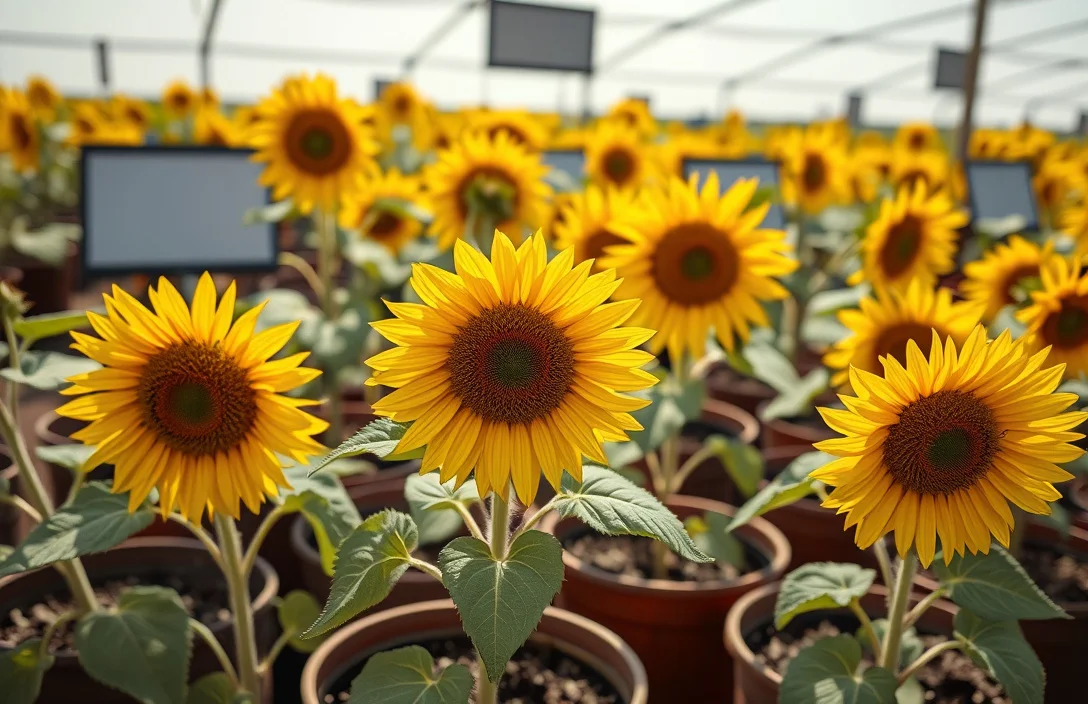
Yes, sunflowers can grow in pots, and many people grow them successfully on patios and balconies in the United States. The key is choosing a pot size that matches the sunflower you want, then giving enough sunlight and consistent watering. This guide helps you decide whether container sunflowers are worth it, what to buy, and how to avoid the most common failures.
Sunflowers grow in pots if they get full sun (about 6 to 8 hours daily), a container large enough for the variety (often at least 12 inches wide, larger for taller types), and regular watering so the soil stays evenly moist. Use a pot with drainage holes, and expect containers to dry faster than garden beds. If you want a tall sunflower, size up early.
Key Takeaways
- Pot size matters most. Many sunflower varieties need at least 12 inches of container width, with taller types needing more.
- Drainage prevents rot. Use pots with drainage holes and skip saucers that hold standing water.
- Sunlight is non-negotiable. Aim for 6 to 8 hours of direct sun daily for strong growth.
- Water consistently. Check moisture often because container soil dries faster than ground soil.
- Choose compact varieties. Dwarf and “patio” types handle pots better and usually need less staking.
- Feed lightly, but don’t skip it. Fertile potting mix plus occasional feeding supports steady bloom growth.
What to Know About Growing Sunflowers in Pots
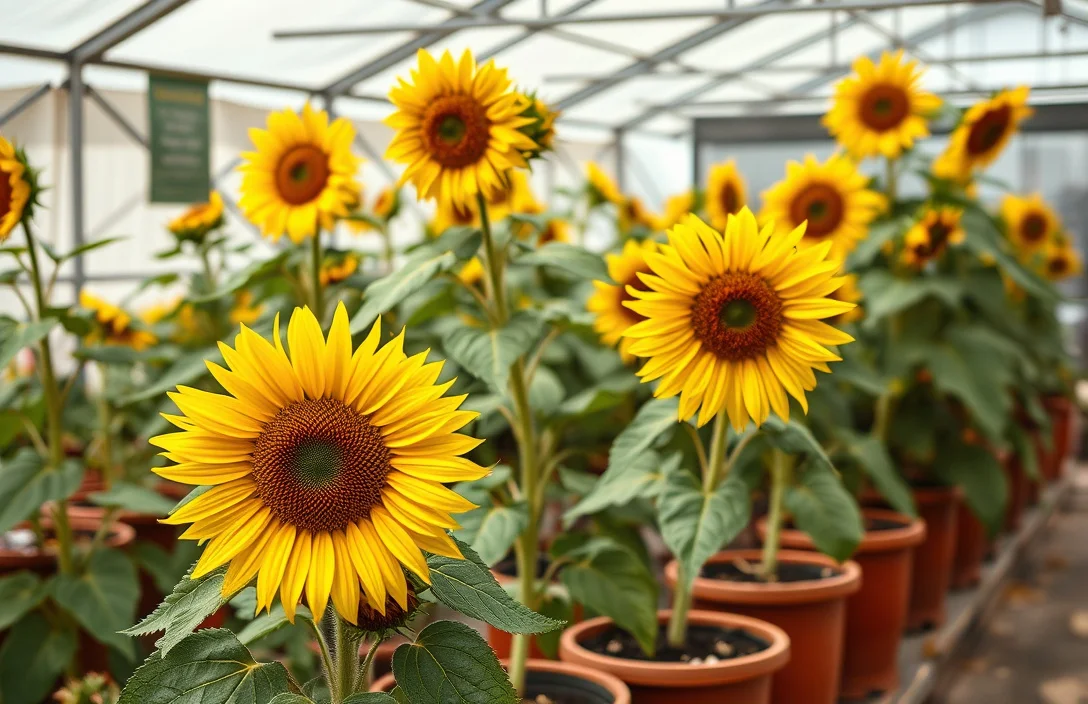
Sunflowers grow in pots when they can build a healthy root system and avoid the two container problems that usually derail plants – rapid drying and overheating from temperature swings.
Most container failures come from variety and sizing. Dwarf and patio types tolerate pot life far better than giant garden varieties, which often become root-bound and topple in smaller planters.
Containers also restrict access to nutrients and moisture. That means feeding and watering need to be ongoing routines, not a one-time setup.
Things that matter most
Your results come down to variety, pot size, sun exposure, and soil quality. Get those right and the rest becomes mostly repeatable care.
Match the sunflower to the container. A compact sunflower can thrive with less space, while taller types need a much larger pot and often staking to keep stems from snapping in wind.
Prioritize potting conditions over “calendar rules.” Use well-draining potting mix, then water based on soil moisture at the root zone, not the clock. On hot days, a container can dry out quickly even when the top looks only slightly dry.
Plan for support. Flower weight and wind can make even healthy plants lean in containers. Bigger pot, sturdier mix, and early support beat last-minute fixes.
Tips for Growing Sunflowers in Pots
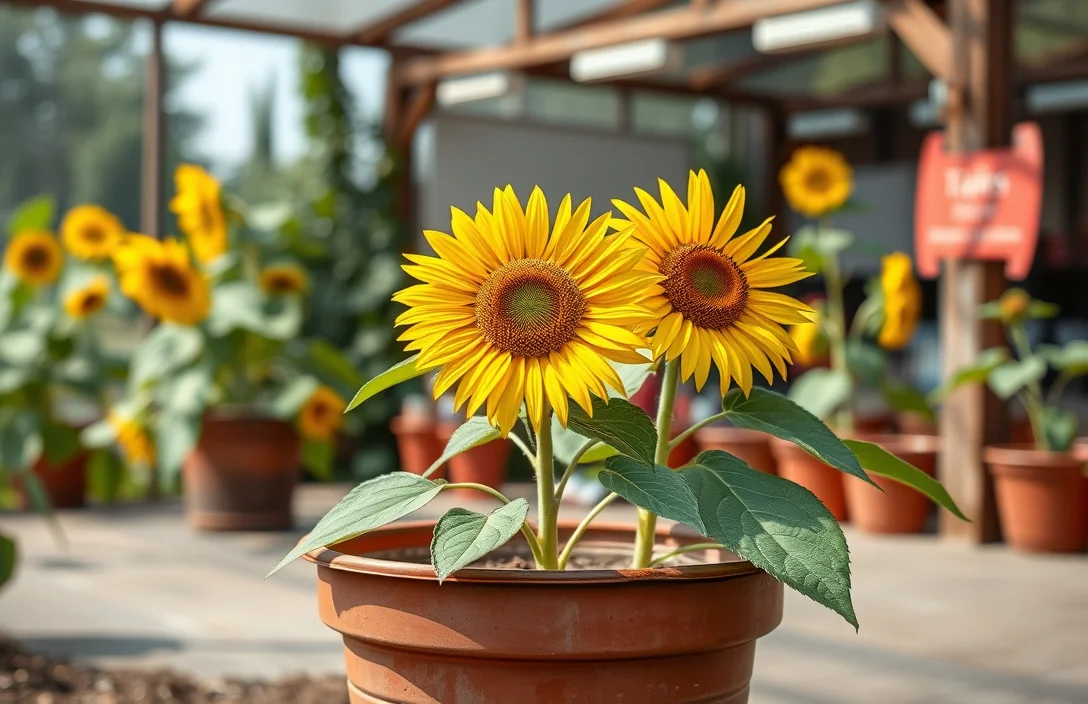
Choose a pot that feels “too big” instead of “just big enough.” Extra depth and soil volume give roots more room and make moisture swings less dramatic, so you spend less time doing emergency waterings.
Use quality potting mix, not garden soil. Garden soil drains poorly in containers and compacts, which can suffocate roots and trigger root problems. Potting mix keeps more air around roots and supports healthier growth.
Water with a simple cycle: soak thoroughly, then wait until the top couple inches are dry before watering again. If water runs straight through without soaking in, the mix may be hydrophobic or the soil structure needs improvement.
Rotate the pot every few days if sunlight hits from one direction, like a balcony. Rotation keeps growth more balanced and reduces stress on the stem.
Feed with restraint. Mix slow-release fertilizer into the potting mix at planting (if your mix allows it), then switch to a light liquid feed when plants start vigorous growth. Avoid heavy nitrogen – you want strong stems and flowers, not a ton of soft leaf growth.
Stake early for tall varieties. Putting in support when the plant is small is easier than trying later when stems are thicker and roots are already established.
Here’s a practical checklist for day one:
- Pick a compact variety first. Choose dwarf or patio types for an easier container experience.
- Use a wide, heavy pot. Width and weight help stability and reduce tipping.
- Confirm drainage holes. Drainage should be free, and the pot should not sit in runoff.
- Fill with quality potting mix. Skip garden soil for container cultivation.
- Place in full sun. Target 6 to 8 hours daily, and rotate as needed.
- Water based on soil depth. Soak, then wait for the top few inches to dry.
- Support tall plants early. Stake or tie before blooms add extra leverage.
Benefits of Growing Sunflowers in Pots
Container sunflowers work well when you don’t have a yard, want control over soil quality, or can’t count on consistent ground conditions. Pots also make it easier to move plants as weather changes, like chasing more sun or avoiding harsh afternoon conditions.
Troubleshooting is faster in containers. Instead of guessing about drainage and soil, you can observe runoff, check root-zone moisture, and adjust watering sooner.
Containers also help you plan your space. Sunflowers can act as a tall focal point on patios, entry steps, or along a fence line in larger planters. Compact varieties look especially good grouped together, where you can stagger blooms.
Potted sunflowers are also a good learning tool. Keep your setup simple – full sun, quality potting mix, drainage, and consistent watering – and you can refine your approach year to year without committing to an entire garden bed.
Options for Growing Sunflowers in Pots
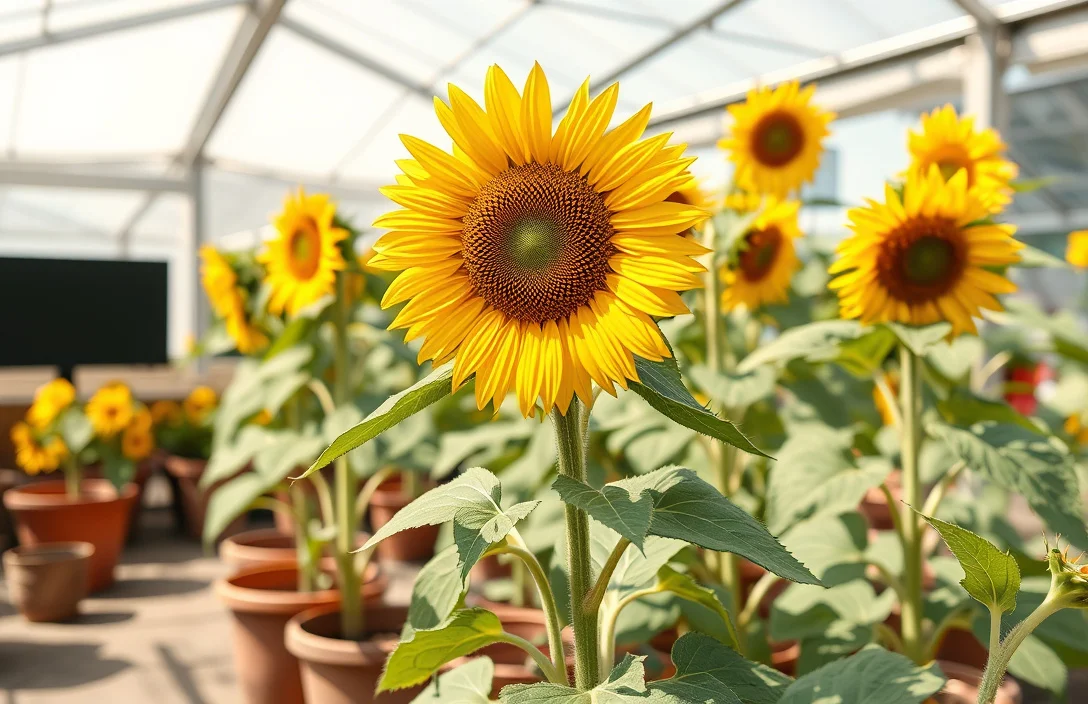
The easiest route is choosing a sunflower variety meant for containers, often labeled dwarf, patio, or smaller-growing types. These tend to stay less top-heavy and fit what pots can realistically support.
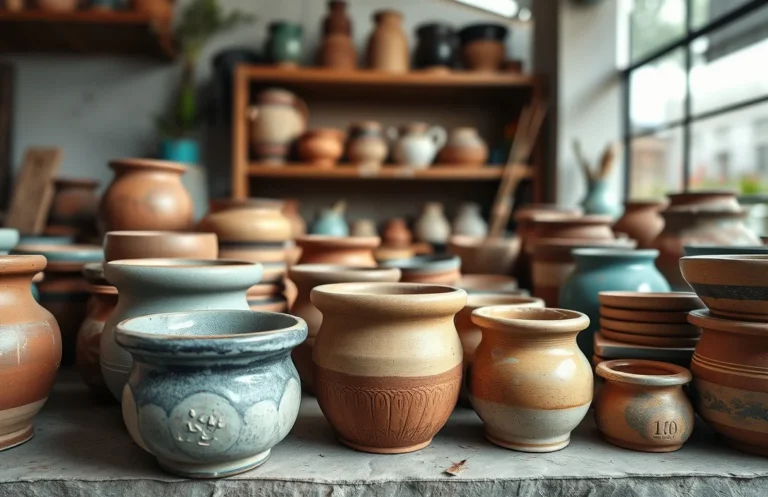
You also have options in pot style and material. Terracotta breathes and dries faster, which helps in humid areas but can be a headache in hot, dry summers. Plastic or composite containers hold moisture longer, which can make watering more forgiving.
For the most reliable results, go bigger on soil volume. More soil buffers temperature swings and improves moisture stability, which is a big win for busy gardeners.
Think about height and wind. If your space is breezy, use a heavier pot or choose a sheltered spot. Tall varieties need sturdy support – a stake or trellis can be the difference between leaning and breakage.
Use this quick guide to decide what to buy:
| Option | Key Spec / Setup | Best For |
|---|---|---|
| Patio/dwarf sunflower | Smaller final height, works in modest pots | Beginners, balconies, limited space |
| Larger planter | Bigger soil volume, easier moisture stability | Hot climates, irregular watering schedules |
| Terracotta pot | Breathable walls, faster drying | Cooler or humid areas where soil stays wet too long |
| Heavier plastic/composite pot | Holds moisture longer, less tipping risk | Windy patios, people who miss occasional watering |
| Staked tall variety | Stake early, tie as needed | Taller sunflowers where wind is a concern |
Expert Advice for Growing Sunflowers in Pots
Treat container sunflowers like a high-light, high-attention plant. Sunflowers grow quickly, and containers amplify both good care and mistakes.
When choosing pot size, don’t think only about leaves and stems. You’re choosing root space, and root space determines how the plant handles heat and drought stress. A pot that’s too small can stunt growth, cause drooping, and weaken flowering even if the plant looks “alive.”
Water based on conditions, not habit. Overwatering can lead to root problems, while underwatering causes wilting and slows flowering. Water thoroughly until it drains, then wait until the top portion of soil dries before watering again.
Use potting mix made for containers. If the mix stays too wet or compacts, sunflower roots struggle. You can add perlite or use a mix labeled for container use, but follow what the product recommends.
Be realistic about your sunlight. If you only get 3 to 5 hours of direct sun, expect leggy growth and smaller blooms. With 6 to 8 hours, growth stays more consistent.
If your sunflower starts leaning after a week or two, correct it early. Rotate the pot toward the light and stake sooner rather than later. Once stems thicken and get heavy, fixing the lean without stress gets harder.
Examples of Growing Sunflowers in Pots
A balcony setup is the most common scenario: limited space, strong sun from one side, and frequent heat swings. Dwarf or patio sunflowers usually fit best because they stay compact and don’t demand aggressive staking. Use a pot with drainage holes, place it where it gets 6 to 8 hours of sun, and rotate every few days if it leans.
A backyard patio with partial shelter can support a taller sunflower, but it needs a larger planter and wind management. Put the pot in something heavier or use a larger planter to reduce tipping, then stake early so the stem doesn’t bend. Tall varieties also create more leaf area, which can dry the pot faster.
For a classroom or seasonal project, short growth windows matter. Many people start sunflower seeds directly in the pot for convenience and transplant-free growth. If you need visible blooms within a school term, pick a smaller variety so the timeline matches what you want to see.
If you want to experiment with terracotta, try one pot first. Terracotta dries faster, so watering may be more frequent in dry climates. After a week, you’ll see how your sun and heat affect moisture and can adjust without guessing.
FAQ
Can sunflowers grow in pots indoors?
Sunflowers can grow indoors only with very strong light, usually from a high-output grow light placed close enough to prevent stretching. Without enough light, sunflowers get tall and weak and may not flower well. If you can’t provide consistent intense light equivalent to 6 to 8 hours a day, choose an outdoor or patio spot instead.
What size pot do I need for a sunflower?
Start with at least 12 inches wide for compact varieties. Taller sunflowers need more space, meaning wider and deeper pots to support roots and reduce tipping. Since sunflower types vary a lot, check the variety’s mature height and choose a pot that gives it room for the whole season.
How often should I water potted sunflowers?
Water when the top couple inches of soil are dry, then soak thoroughly until water drains from the bottom. Container soil dries faster than garden soil, especially in sun and wind. On hot days, it might be every 1 to 3 days, depending on temperature and pot size.
Do sunflowers in pots need fertilizer?
Yes. Container sunflowers benefit from fertilizer because nutrients are limited by the small amount of potting mix. Mix slow-release fertilizer into the potting mix at planting, then add light liquid feeding when plants begin active growth. Avoid heavy nitrogen-focused feeding, since it can push leaf growth at the expense of sturdy stems and blooms.
What’s the most common mistake when growing sunflowers in pots?
Using too-small pots or skipping drainage. A cramped pot can cause drooping, slower growth, and weak or missed blooms even with good sunlight. Poor drainage can damage roots and lead to yellowing and weak growth, so use drainage holes and quality potting mix.
The simplest start is to buy a dwarf or patio sunflower variety, plant it in a wide pot with drainage holes, and place it in the sunniest spot you have. Pair that with consistent watering based on soil moisture, and you’ll have the fastest path to a healthy container sunflower.

- 10 Best Slow Cooker For Slow Cooking Oxtail 2026 (Tested And Reviewed) - October 16, 2026
- 10 Best Slow Cooker For Slow Cooking Venison 2026 (Tested And Reviewed) - October 16, 2026
- 10 Best Slow Cooker For Slow Cooking Turkey 2026 (Tested And Reviewed) - October 16, 2026