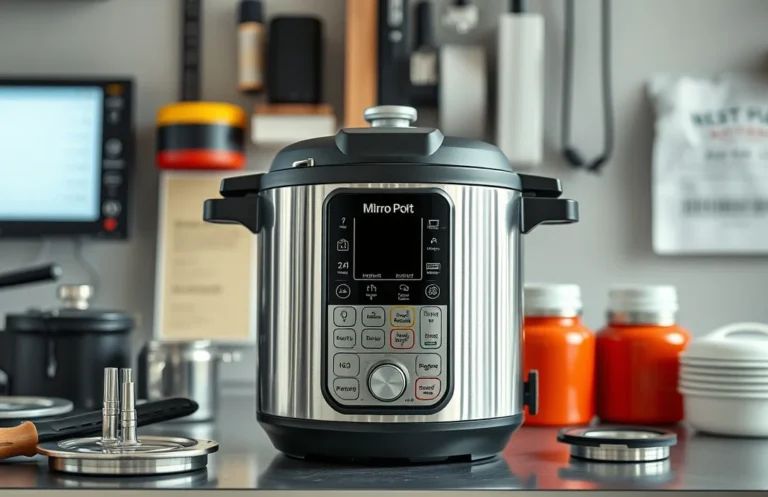

Gasket For Presto Pressure Cooker Explained Simply
A gasket for a Presto pressure cooker is a deformable mechanical seal that sits between matched surfaces to stop leaks and keep pressure where it belongs. If your gasket is stretched, cracked, or warped, you can lose pressure fast, see “not coming to pressure” behavior, and end up with inconsistent cooking results. This guide helps you choose the right gasket, install it correctly, and avoid the common mistakes that cause leaks.
A gasket for a Presto pressure cooker is a compressible seal that sits between the lid and cooker body to prevent steam or pressure leaks under compression. Replace it when it is cracked, brittle, stretched, or no longer sits flat, since worn gaskets reduce sealing and pressure buildup. Getting the correct size and material is the key – mismatches can fail even if they look similar.
Key Takeaways
- Gaskets create seals. A gasket fills gaps between mating surfaces under compression to prevent leaks.
- Match the exact fit. Presto lids use specific gasket shapes, so confirm model compatibility before buying.
- Material matters. Rubber-like elastomers seal irregularities, but they degrade with heat cycles and time.
- Inspect often. Replace a gasket that is cracked, flattened, tacky, or stiff, even if it still “sort of” works.
- Install clean. Remove old gasket residue and wipe sealing surfaces, since debris prevents full compression.
- Test for leaks. After replacement, run a short water test to confirm normal pressure behavior before cooking.
What a gasket does in a Presto pressure cooker

A gasket is a mechanical seal that fills the space between two mating surfaces to prevent leakage while under compression. In a Presto pressure cooker, the gasket makes the lid-to-base connection tight enough that steam pressure builds reliably. If the seal fails, the cooker can vent excessively, struggle to reach pressure, or cycle in a way that throws off timing.
Deformability is part of the design. Real lids and sealing surfaces are never perfectly flat, and a compressible gasket helps accommodate small irregularities. That’s why “random rubber” is a gamble: the gasket geometry and material behavior determine whether it compresses evenly and rebounds as the lid cycles.
Gasket condition is also maintenance, not a one-and-done fix. Heat cycles, storage (especially if the gasket sits in the lid), and cleaning chemicals all speed up wear. If the gasket only becomes a problem after weeks of inconsistent results, your cooker has already been losing sealing performance, so food cooks slower and timings drift.
Safety rides on the seal. Pressure cooking depends on the system maintaining pressure to control cooking. A faulty gasket can cause excessive venting, messier stovetop steam, and unreliable pressure regulation, which is exactly what you want to avoid.
How to pick the right gasket for your Presto model
Your biggest decision is simple: buy the correct gasket for your exact Presto model and lid style. Two gaskets can look similar while still differing in groove shape, outer diameter, thickness, and hole placement. Those differences change how the gasket compresses and whether it seals evenly around the entire rim.
Inspect the gasket like you mean it. A good gasket is pliable and seats flat without gaps. A failing gasket often looks cracked, feels stiff, or shows permanent flattening. Uneven wear spots can appear where steam leaked before.
Sealing only happens if compression and fit work together. If the gasket is too thin (or worn enough that it effectively loses thickness), it may not compress enough to seal. If it is swollen or hardened, it may not conform to the sealing surface, leaving leak paths.
Cleaning habits can help or hurt. Aggressive scrubbing can nick the gasket edge, and leftover residue on the sealing surface can block full contact. Harsh cleaners or soaking in chemicals that don’t agree with the elastomer can shorten gasket life.
Use this checklist when you buy or replace:

- Confirm your Presto model and gasket part number (or the exact replacement listing).
- Check gasket shape (outer ring and inner opening) against the one you have.
- Feel the material (flexible, not brittle or permanently flattened).
- Inspect the sealing surface on the lid and base for residue and warping.
- Replace as required if your cooker design uses more than one seal.
How to install a Presto pressure cooker gasket (and avoid leaks)
Remove the old gasket and do a quick “fit and feel” comparison. Lay the old gasket on a table and check for cracks (especially in the thinnest sections), hard spots, and areas that don’t return to shape. If it stretched, it may fit loosely in the groove or sit unevenly after installation.
Clean the sealing surfaces before installing the new gasket. Wipe the lid rim and the cooker base sealing area with warm water and a soft cloth, then remove any leftover grease or stuck food. Residue in grooves can force uneven compression and create micro-leaks that are hard to diagnose mid-cook.
Seat the new gasket correctly. Align it and keep it fully seated in its groove. Twisting during installation is common, and it can lead to uneven compression around the rim. After placing it, run your finger around the edge to confirm it sits uniformly and isn’t pinched.
Do a simple water test after replacement. Fill the cooker with water according to your normal safe-use level (do not overfill), lock the lid, and run until it reaches pressure and cycles normally. If it vents heavily or struggles to build pressure, stop and re-check gasket seating and sealing-surface cleanliness before cooking food.
Skip any “gasket stretching” workarounds. If you have to force a gasket into place, the fit is wrong or the gasket isn’t intended for that lid style.

Helpful pick
Presto Pressure Cooker Sealing Ring With Air Vent 4 Qt.
Provides a fresh gasket to ensure a tight seal and reduce leaks during cooking.
Why a good gasket improves cooking results

A correctly installed gasket gives you reliable pressure behavior, which means more consistent cooking results. When the seal holds, the cooker builds and maintains steam pressure so food reaches the intended internal temperature faster and more evenly.
A good gasket also reduces steam and mess. A failing gasket often leaks steam around the rim, creating a wet, noisy cooktop area and stronger “pressure cooker smell” from venting. With a tight seal, external venting drops and cooking is easier to monitor.
Reliable sealing protects other components too. If the cooker repeatedly loses pressure, the heating cycle has to work harder to recover, which increases wear on the pressure regulator and other lid seals. Fewer abnormal cycles usually means fewer problems later.
Replacing a worn gasket can extend the usable life of your pressure cooker. Poor performance often comes from the consumable part that ages first: the gasket itself.

Helpful pick
BANLIN 2 Pack 09936 Pressure Cooker Sealing Ring & 4 Pack Overpressure Plug Food-Grade Silicone Replacement Gasket for Presto Pressure Cooker 4 Quart 6 Quart
Includes gasket and plugs to ensure a reliable seal, promoting steady pressure and consistent cooking results.
Your gasket options for a Presto pressure cooker
You have two main routes: buy an exact Presto replacement gasket, or buy a compatible replacement kit from a third-party seller. The safest choice is the exact replacement for your model because it matches the lid’s gasket groove geometry. Third-party options can work only if the listing explicitly matches your model – pay close attention to diameter and shape.
You’ll also see different gasket materials. Most pressure cooker gaskets use elastomers (rubber-like materials) because they compress and help fill slight surface irregularities. That flexibility is why gaskets are used as seals under compression.
In general gasket design terms, gaskets can be flat, O-ring style, spiral wound, or other configurations in industrial settings. Your Presto gasket isn’t an industrial flange gasket, but the principle is the same: it must deform and seal under compression. Elastomer-like materials are often chosen for flexibility and conformity in heat and pressure conditions.
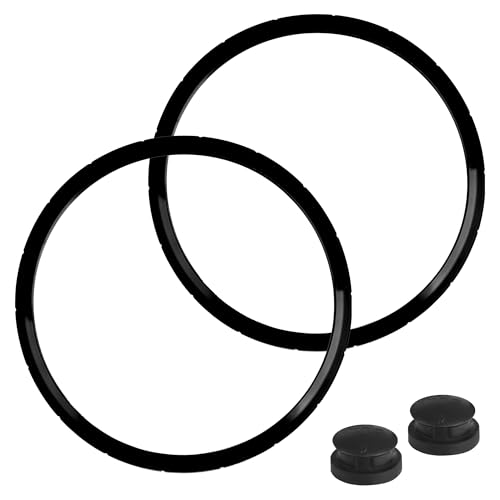
Helpful pick
09936 Pressure Cooker Sealing Ring, Overpressure Plugs Fit for Presto Pressure Cooker, (2 Packs) Model 4 Quart 6 Quart, Replace 0126002 0136102 0136403 0136304 0136001 0216001
Provides a precise match to your lid groove, ensuring reliable seal and safety.
When browsing online, use this selection approach:
- Exact part number is the best match.
- Model number compatibility is the next best indicator.
- Visual match only is risky, because shape differences can be subtle.
| Avoid generic “close enough” gaskets unless the seller states compatibility clearly. | Option | Key Spec / What to Verify | Best For |
|---|---|---|---|
| Exact Presto replacement gasket | Correct model match and identical gasket geometry | Lowest risk, quickest fix when performance drops | |
| Presto-compatible replacement from a kit | Listed compatibility for your model and correct size | Budget-friendly if the listing is specific and verified | |
| Third-party gasket with “universal fit” claim | Gasket shape and diameter match your lid groove perfectly | Only if the seller provides explicit compatibility details | |
| Reusing an older gasket | Inspect for cracks, brittleness, and permanent flattening | Short-term only, if it looks and feels new (usually not ideal) |
Expert-level checklist for deciding whether to replace
Treat gasket matching like a precision job, not a guess. Gaskets seal through compression, material yield, and groove seating. Because a gasket fills the space between mating surfaces while under compression, a small shape mismatch can become a leak path.
My rule is straightforward: replace immediately if the gasket is cracked, stiff, or no longer springs back to shape. Even if the cooker still “seems to work,” sealing can become intermittent, which makes cooking times unreliable. In pressure cooking, timing windows are tight.
Don’t grease the gasket unless the gasket instructions tell you to. Food-grade oils can leave residue, trap debris, and degrade some elastomer compounds over time. If you keep getting steam leaks after installation, debris or mis-seating is more likely than “it needs lubricant.”
If a gasket fails again soon after replacement, change your troubleshooting order. Re-check seating alignment in the groove first, then inspect sealing-surface residue, and only then suspect the gasket material or fit. Going straight to “the gasket is bad” can hide the real cause.
Keep cleaning tools gentle too. Scrapers and abrasive pads can nick the gasket edge and create tiny leak channels. A gasket seal depends on continuous contact around the full rim, so damage at one spot matters.
Common problems and what they point to
If your Presto pressure cooker vents steam heavily around the lid and food takes longer than expected, the gasket is often the first place to check. You may see a flattened section on the gasket edge, and you may feel uneven seating when you run your finger along the groove. Replacing the gasket and cleaning the sealing surface usually brings normal pressure cycling back.
If “it was fine last month” and then steam starts escaping again, focus on seating and cleanliness after the last change. Even a slightly dirty lid rim can prevent the gasket from compressing uniformly.
If you bought a gasket that was “the same size” but the cooker struggles to reach and maintain pressure, treat it as a fit problem. A visual match can still miss groove seating details or outer diameter, leading to insufficient or uneven compression. The fix is switching to an exact compatible replacement for your Presto model.
Material aging can show up as feel changes. If the gasket is flexible at room temperature but turns tacky or stiff after use and cooling, that points to aging or cleaning chemical effects. Replace it, then switch to gentler cleaning and normal storage habits so the gasket doesn’t sit crushed or deformed.
If the cooker cycles but steam “spits” from one specific section of the rim, the issue is usually localized. Pinched gasket sections, debris in the groove, or a small nick in the gasket edge commonly cause that pattern. Reseat carefully and inspect for tiny tears at the leak spot.
FAQ
How do I know I need a gasket for my Presto pressure cooker?
If the cooker vents steam around the rim more than usual, struggles to build pressure, or your food repeatedly comes out undercooked compared to your normal times, inspect the gasket. Replace it if you see cracks, brittleness, flattening, or uneven seating in the lid groove.
What’s the cheapest way to get a gasket for a Presto pressure cooker?
The cheapest approach is buying an exact replacement gasket that matches your specific Presto model, since mismatched parts often lead to failed cooks that cost more time and product. If you choose a third-party option, confirm the listing explicitly matches your model and gasket style, not just “similar size.”
Are there safety risks with a worn gasket?
Yes. A gasket is the pressure seal between the lid and cooker surfaces, so a worn one can cause excessive venting and unreliable pressure behavior. Stop cooking and replace the gasket when it shows cracking, stiffness, or poor sealing.
How do I install a gasket for a Presto pressure cooker correctly?
Remove the old gasket, clean the lid rim and sealing surface, and seat the new gasket fully into its groove without twists. Run a short water test after installation to confirm normal pressure buildup and cycling before cooking food.
Can I use a generic gasket instead of the Presto one?
Only if the generic gasket is explicitly compatible with your exact Presto model and matches the groove and sealing-edge geometry. “Universal fit” claims are risky because gasket sealing depends on compression and exact shape, and even a small mismatch can leak.

- 10 Best Slow Cooker For Small Kitchens 2026 (Tested And Reviewed) - October 18, 2026
- 10 Best Slow Cooker For Kitchen Countertop 2026 (Tested And Reviewed) - October 18, 2026
- 10 Best Slow Cooker For Countertop Use 2026 (Tested And Reviewed) - October 18, 2026