Can Cucumbers Be Planted In Pots?
Yes – cucumbers can be planted in pots, and you can grow a decent harvest on a patio if you choose the right variety, use a large enough container, and keep the soil consistently moist. Cucumbers grow fast and feed hard, so “a little pot” and sporadic watering usually lead to weak plants and disappointing fruit. This guide focuses on the decisions that actually make potted cucumbers work.
Potted cucumbers succeed when they get enough root space, steady moisture, and support like a trellis. Use a container at least 12 inches wide (bigger is better), fill it with potting mix (not garden soil), and water often enough that the soil stays evenly damp. For best results, choose bush or compact varieties and aim for 6 to 8 hours of sun daily.
Key Takeaways
- Container size matters most. Use at least a 12-inch-wide pot – go larger if you can.
- Pick the right cucumber type. Bush and compact varieties fit pots better and produce more consistently.
- Trellis saves space. Train climbing cucumbers upward so leaves stay off the ground.
- Moisture is non-negotiable. Keep the soil evenly damp – swings in watering can cause bitterness and misses.
- Feed on a schedule. Use a balanced fertilizer and reapply as the label directs during active growth.
- Start at the right time. Plant after frost danger passes and the soil warms up, or use starter plants.
What to Know About Planting Cucumbers in Pots
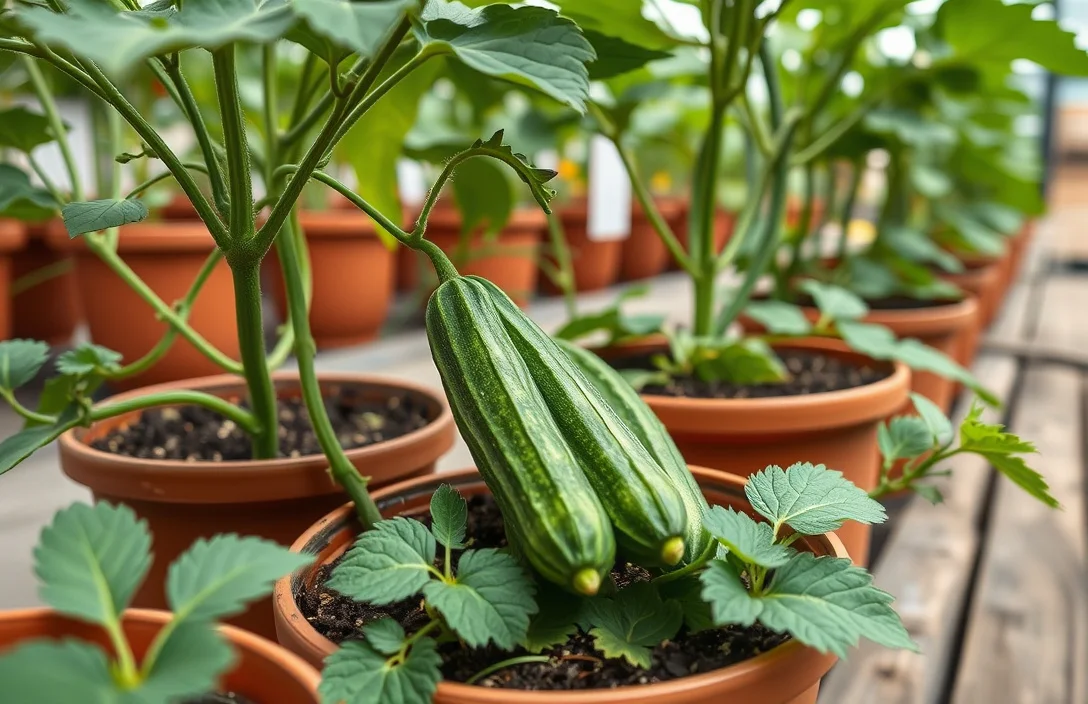
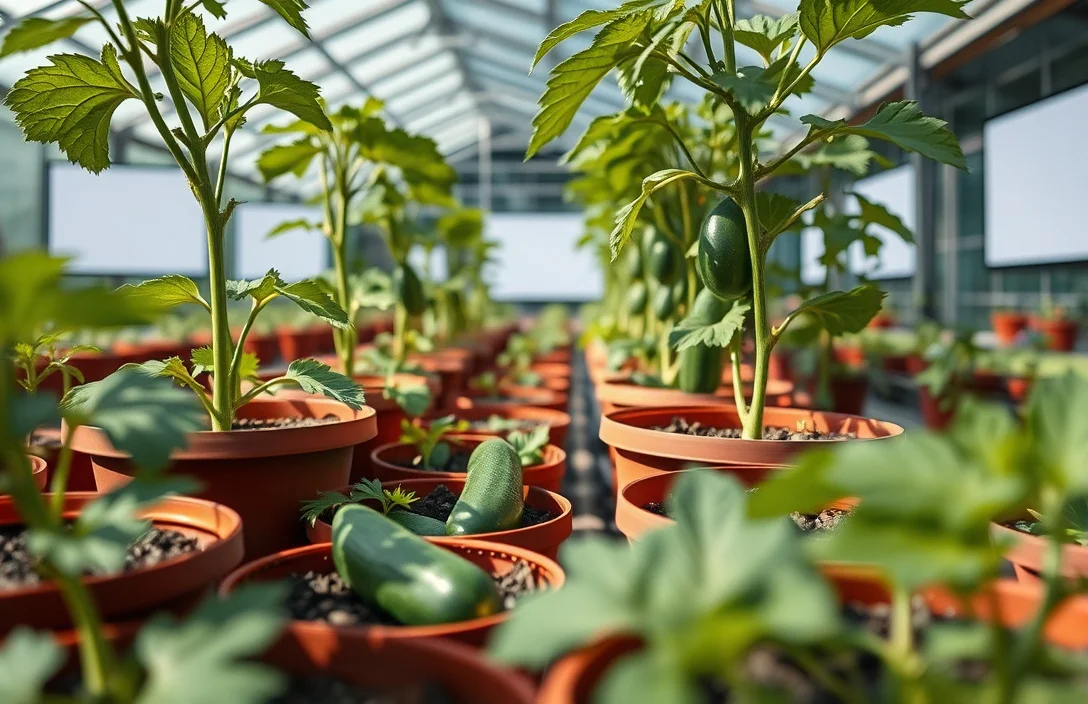
Cucumbers handle containers well when you treat them like fast-growing, thirsty climbers that need real sun. If you’re picturing a small 1-gallon pot in shade, that’s where pot cucumbers stall – roots run out of room and the soil dries out too fast.
The biggest difference from in-ground growing is root space and moisture control. Pots swing in soil temperature and moisture quickly, which means you’ll water more often than you expect, especially in heat. If you can’t keep up with regular watering, you’ll usually see a smaller harvest and more bitter fruit.
Support matters in pots. Many cucumber types sprawl unless you train them upward, and a trellis keeps fruit cleaner, reduces disease pressure, and makes the plant easier to manage.
Container Setup
Match the variety to the container. Bush or compact cucumbers are the easiest choice for patios because they stay shorter and need less trellis work than long-vining types.
Prioritize drainage and consistent watering. Pots should have drainage holes, and potting mix should hold moisture without staying soggy. When cucumbers dry out even briefly, they may drop flowers, produce misshapen fruit, and develop off flavors.
Give them enough sun and airflow. Aim for full sun, and don’t crowd pots so tightly that leaves stay wet with poor circulation. Cucumbers can get powdery mildew in containers too, so spacing and trellising help.
Use this checklist to judge your setup:
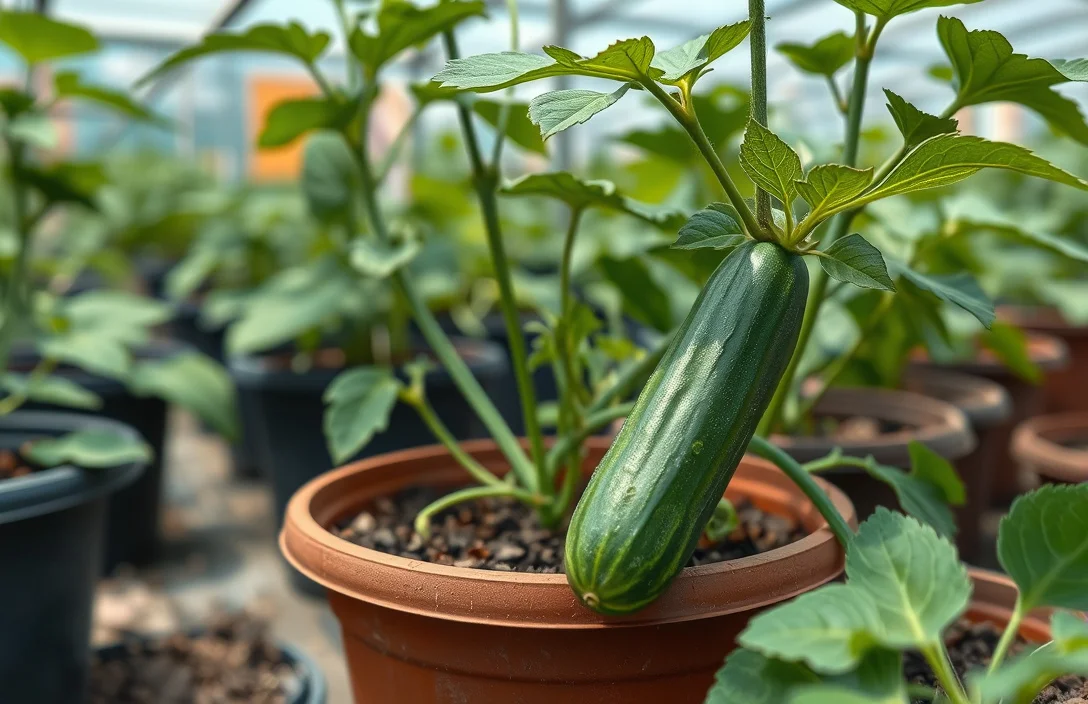
- Choose a container with drainage.
- Use potting mix, not garden soil.
- Pick bush/compact if you want minimal fuss.
- Add support for vining types.
- Plan a watering routine for hot days.
- Expect more fertilizer needs in pots.
How to Make Potted Cucumbers Actually Thrive
Use a bigger pot than you think you need, especially if you want more cucumbers per plant. More soil volume holds moisture longer and reduces the cycle of “dry one day, soaked the next” that often leads to bitter cucumbers.
Sow or transplant with stability in mind. If you use seedlings, plant at the same depth as the nursery pot and avoid disturbing roots. If you direct sow, keep the soil evenly moist until the seeds sprout.
Water deeply and regularly without flooding. The goal is evenly damp soil, not constant standing water. A finger check works: water when the top couple inches feel dry.
Train cucumbers early. Guide small vines onto the trellis or support while they’re flexible. If you wait too long, they tangle, and forcing them into place can damage stems.
Harvest frequently. Cucumbers taste best and keep producing when you pick them young and tender. Letting fruit hang too long slows new flowering.
Why Potted Cucumbers Work (Even in Small Spaces)
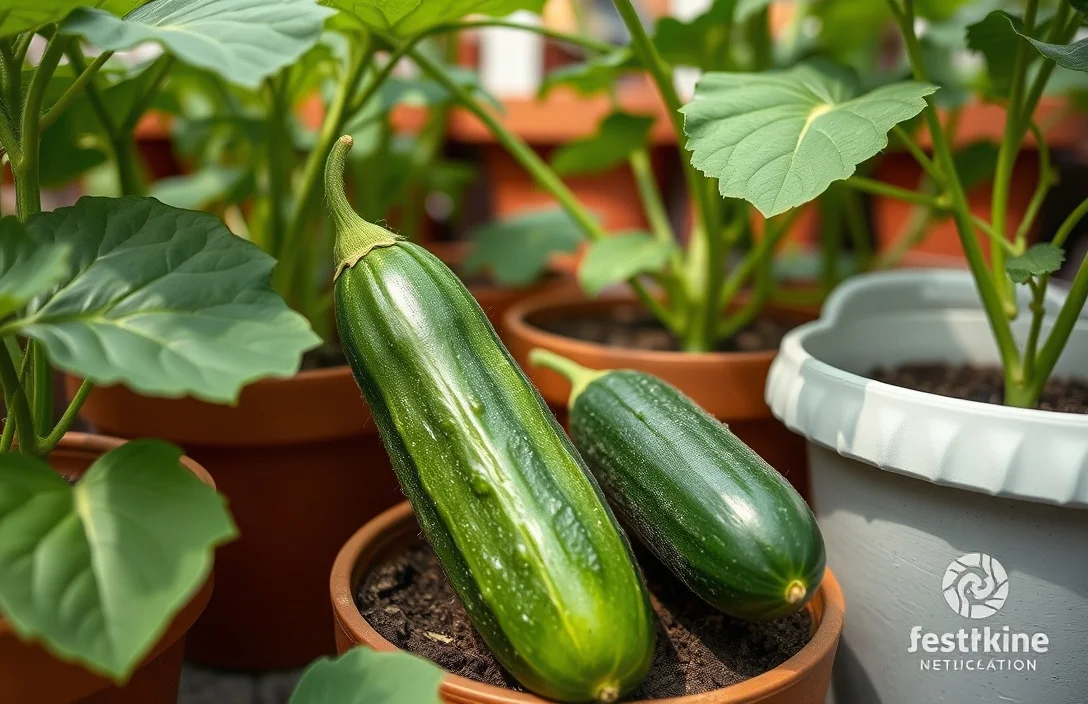
Potted cucumbers make it possible to grow cucumbers on a balcony, patio, or small yard without digging beds or fixing garden soil. Containers also give you control. You can refresh potting mix each season, fine-tune fertilizer, and move plants to avoid extreme sun or sudden cool spells.
A trellised container layout is often cleaner and easier to manage. Instead of crawling on the ground, the plant grows upward, and fruit is less likely to sit on soil. That usually means fewer messy harvests and less trouble tied to soil contact.
There’s also a practical advantage: you can spot stress quickly. When a cucumber struggles in a pot, you often see changes early through leaf droop, color shifts, or slow growth, so you can correct watering and feeding sooner than you might notice in the ground.
Your Options: Container Choices for Cucumbers
Three container approaches cover most setups, and choosing the right one saves time.
Option 1: One pot, one plant with trellis. This is the simplest setup for most people. Use a medium-to-large pot, add support, and let one cucumber plant grow upward.
Option 2: A larger planter with multiple plants. This can work if the planter is wide and airflow is good. Overcrowding is the biggest risk because cucumbers need space for leaves and enough light.
Option 3: Compact bush varieties in smaller containers. Choose this when you want less height and minimal training. Bush types also reduce or eliminate trellis needs.
You can also decide between direct sowing and transplanting. Direct sowing is straightforward, but cool early weather can slow or stress seedlings. Transplanting can speed things up, especially when spring warms quickly or when you want earlier results.
Then plan for watering. If you’ll be away often, build a routine around the heat you’ll face, and consider moisture help like mulch on the soil surface (without covering the crown).
Advice That Prevents the Most Common Potted Cucumber Problems
Start with plant and support choices, then dial in watering and feeding. Most “my potted cucumbers failed” situations come from undersized containers, inconsistent watering, or growing a vining variety without planning for trellising.
For reliable container growth, aim for stability:
- Keep soil evenly moist, especially from flowering through harvest.
- Use a potting mix that drains well and won’t compact.
- Fertilize regularly during active growth because pots run out of nutrients faster than garden soil.
- Harvest often to keep the plant producing.
If you’re growing climbing cucumbers, install the trellis at planting time. This prevents tangled vines later and lowers the chance of broken stems while you try to fix the structure.
Watch stress signs early. Wilting during peak heat can be normal, but drooping that keeps going into evening usually points to dry roots or a pot that dries out too quickly. Yellowing leaves often signals nutrient issues, frequently nitrogen deficiency or general low fertility in the mix.
Pollination is another real-world factor. Many cucumber varieties rely on insects. If pollinators are limited in a small space, you may need to add flowering plants nearby, or use gentle manual pollination by lightly transferring pollen with a small brush.
Examples of Potted Cucumber Setups
Example – patio gardener with limited space: choose a compact cucumber variety, plant in a large pot with drainage, add a simple trellis, and mulch the soil surface to reduce moisture swings. Water daily during hot stretches, check soil by feel, and harvest small to medium cucumbers every few days. The result is usually steady production instead of a single burst.
Example – balcony grower with windy conditions: place the container against a wall, use a heavier planter that won’t tip, and grow a trellised plant upward to reduce wind damage to sprawling vines. Use a potting mix that stays evenly damp, and don’t let the mix fully dry out. With frequent watering and early training, the plant stays manageable even with gusts.
Example – someone who wants minimal work: grow bush cucumbers in a smaller container and skip a tall trellis. Keep watering consistent and fertilize as directed anyway, because container cucumbers still depend on you for nutrients. The harvest is usually smaller than a trellis setup, but bush types often feel more dependable since they’re less fussy about training.
FAQ
Can cucumbers be planted in pots and still produce well?
Yes – cucumbers produce well in pots when you provide enough root space, full sun (about 6 to 8 hours), and consistent moisture. Choose a bush or compact variety for easier container growing, or trellis a vining type. Fertilize regularly because pots have limited nutrients compared with garden soil.
What size pot do I need for a cucumber plant?
A practical minimum is about 12 inches wide with drainage. Bigger pots usually perform better because they hold moisture longer during hot weather and reduce stress that can cause bitter fruit or poor flowering. For a vining type, go as large as you can and add support.
How often should I water potted cucumbers?
Water often enough that the soil stays evenly damp, not fully dry between waterings. In summer heat, that can mean daily checks and watering, while cooler periods often need less. Do a quick finger test and water when the top few inches feel dry.
Are potted cucumbers more likely to get disease?
They can get disease either way, but containers plus trellising often reduce common problems because leaves and fruit stay off the ground. Improve airflow, space plants properly, and avoid wet foliage. If mildew or spotting persists, increase sun exposure and airflow and adjust watering.
What’s the most common mistake people make with pot cucumbers?
Using a container that’s too small and then letting the soil swing between dry and wet. That stress can lead to bitter cucumbers, misshapen fruit, and dropped flowers. Use a large enough pot, keep moisture consistent, trellis early if needed, and harvest regularly.
If you want the best chance from the start, pick a compact cucumber variety, use a well-draining pot at least 12 inches wide, and add support before the vines get big. Then commit to consistent watering – that’s the choice that turns “it grew” into “it produced.”

- 10 Best Slow Cooker For Slow Cooking Legumes 2026 (Tested And Reviewed) - October 17, 2026
- 10 Best Slow Cooker For Slow Cooking Oxtail 2026 (Tested And Reviewed) - October 16, 2026
- 10 Best Slow Cooker For Slow Cooking Venison 2026 (Tested And Reviewed) - October 16, 2026