Can Azaleas Be Planted In Pots?
Yes, azaleas can be planted in pots successfully, as long as you control drainage, soil acidity, and seasonal temperature swings. In the U.S., container azaleas are popular because you can move them to match sun and weather. This guide lays out the practical choices that make potted azaleas thrive or stall – from pot size and soil mix to watering, feeding, and winter protection.
Container-grown azaleas can thrive in a pot when the container drains well, the soil stays acidic, and the roots don’t freeze. Use a pot with drainage holes (and a saucer you empty), keep the potting mix consistently moist but never soggy, and protect the root zone during cold snaps, especially when lows hover near freezing.
Key Takeaways
- Yes, it works – Azaleas grow well in containers when you control drainage and soil acidity.
- Big pots help – Larger containers insulate roots better and dry out more slowly between waterings.
- Use the right mix – Potting soil must be acidic and airy, not heavy or compost-rich.
- Water by feel – Water when the top inch starts to dry, then soak thoroughly until water drains.
- Feed lightly – Use an azalea- or rhododendron-specific fertilizer and follow label timing.
- Freeze protection matters – Insulate the pot and shield roots when temperatures drop near freezing.
Can Azaleas Be Planted in Pots Successfully?
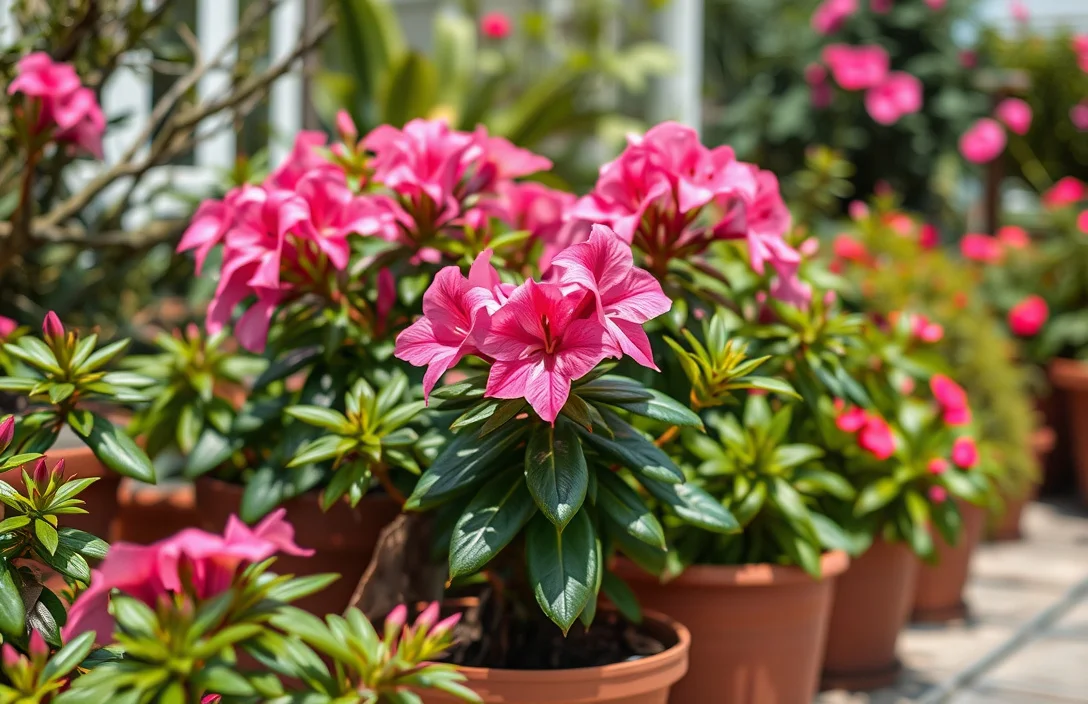
Azaleas handle containers well, but they only look carefree when two conditions are steady: consistent moisture and acidic, well-aerated soil. In the ground, soil buffers swings in water and temperature. In a pot, those swings hit faster, so your routine has to be tighter.
Root oxygen matters, too. If the mix stays wet and oxygen-poor, azalea roots struggle and leaves can yellow or drop. With solid drainage and a reliable watering rhythm, potted azaleas can bloom and keep going for years.
For the best results in the U.S., match the plant to your site conditions, then treat the pot like part of the root system. That means a draining pot, an acidic mix, and smart placement during heat waves and cold snaps.
Best Pot Size and Drainage for Azaleas
The most reliable rule is simple: use the largest container you can manage. Smaller pots dry out quickly and freeze quickly. For many common container azaleas, 10 to 16 inches is a practical starting point, and upsizing as the plant grows helps stability.
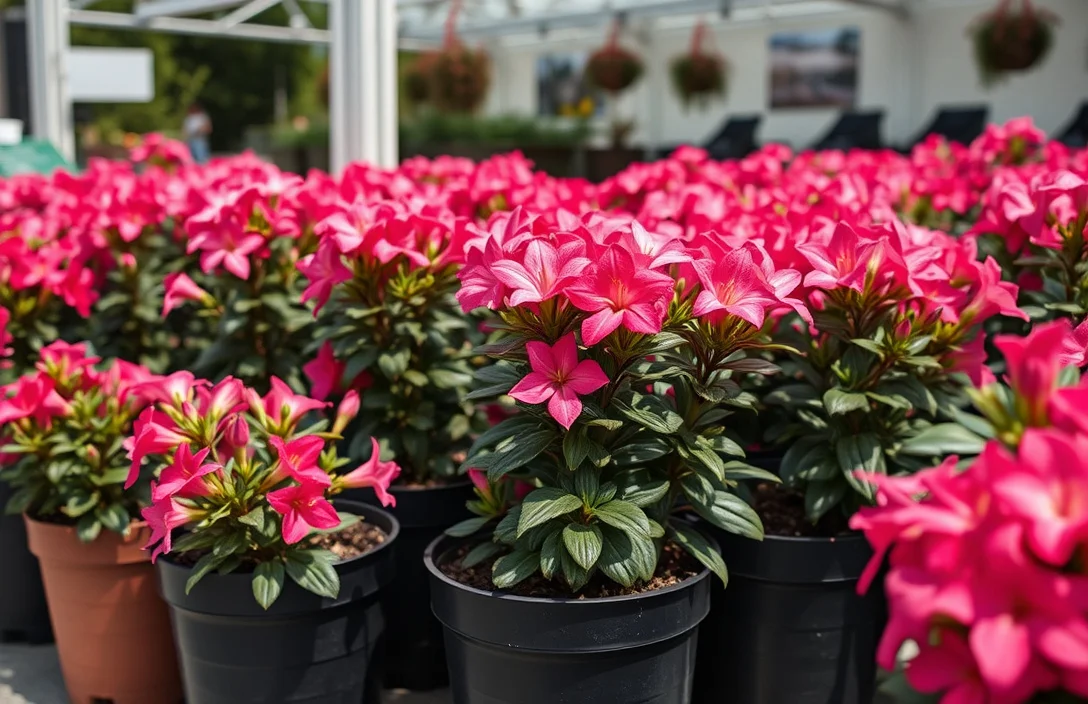
Drainage is non-negotiable. Your pot needs multiple drainage holes so excess water can leave fast. Empty the saucer after watering so the base of the pot isn’t sitting in water. When water lingers, roots can suffocate even if the surface still looks dry.
Test drainage the easy way. Water thoroughly, then watch how quickly it drains. If it takes a long time or the mix stays dense and wet, change the pot, change the mix, or do both. Skip decorative pots without drainage unless you plant the azalea in a true nursery pot inside the decorative shell.
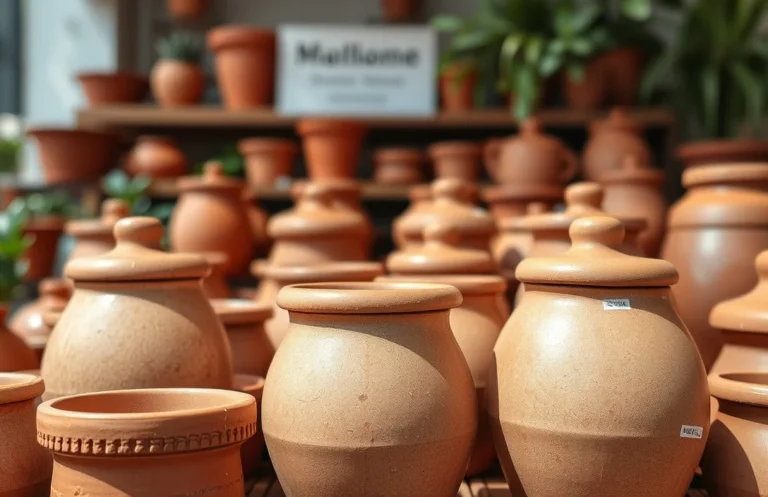
Terracotta can work, but it’s better when you can stay consistent with watering because it dries out fast. If summers are hot, you travel, or your schedule gets busy, a sturdier container that holds moisture a bit longer often reduces stress.
Choosing Soil Mix for Potted Azaleas
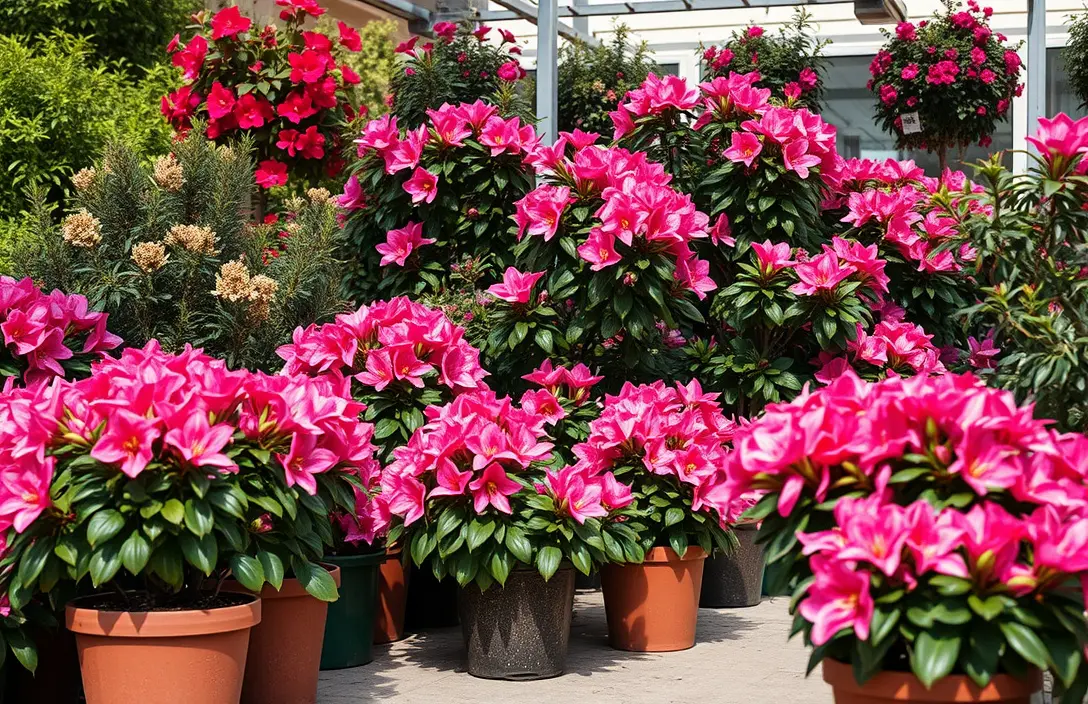
Azaleas need an acidic growing medium so they can take up nutrients properly. “Regular potting soil” is often either too neutral or too dense. Use a potting mix labeled for azaleas, rhododendrons, or “acid-loving plants,” or build a mix that stays acidic and airy.
The goal is simple: loose enough for oxygen, able to hold moisture without staying swampy. Heavy mixes compact over time, and container azaleas often decline for that reason even when watering seems correct.
A practical approach is starting with an acid-oriented potting mix and adding components that keep air spaces open. Pine bark products are commonly used in acid mixes because they help maintain pore space and reduce stagnant wet soil. Skip garden soil in containers. It compacts, blocks airflow, and can bring pests or drainage problems into a pot environment.
Watch the mix behavior after a few weeks. If it pulls away from the pot edges or dries in a strange pattern, repotting or refreshing the mix may be the fix, not “more frequent watering.”
If your azalea drops leaves after sunny weather, the mix may be drying too fast or unevenly. If leaves yellow while the soil stays consistently wet, the mix is probably too heavy or the pot drains too slowly.
How to Water Potted Azaleas Through Seasons
Watering is the biggest variable for container azaleas because pots lose moisture faster than ground soil. In warm weather, watering might be every few days. In cooler months, it can stretch to weekly or less, depending on rainfall and temperatures.
Use a repeatable check: stick a finger into the mix about 1 inch down. If it’s dry at that depth, water thoroughly. If it still feels moist, wait. This beats the calendar because wind, sun exposure, pot material, and humidity change how quickly a pot dries.
When you water, water deeply. Keep going until water runs out the bottom, then empty the saucer if you use one. Frequent shallow “dips” encourage shallow roots and make the mix dry unevenly, which often shows up as bud drop or leaf issues.
Season-by-season adjustments:
- Spring and bloom time: keep moisture steady so buds don’t abort.
- Summer heat: water more often and move to partial shade during intense afternoons when needed.
- Fall: reduce frequency as temperatures drop, but don’t let the root ball fully dry out.
- Winter: water sparingly only if the mix is dry and the plant isn’t sitting in deep freezing conditions.
In many cold climates, the bigger risk is under-watering during dry winter periods, not over-watering. Windy, sunny winter days can dry containers faster than you expect.
Light Requirements for Container-Grown Azaleas
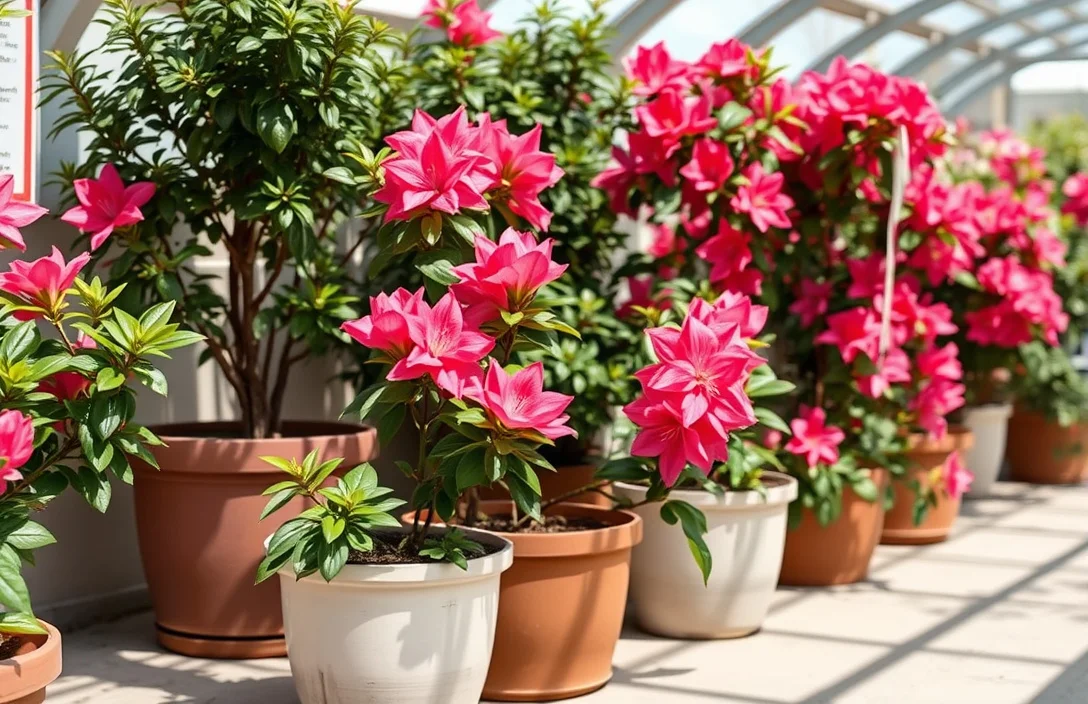
Azaleas like bright light with protection from harsh afternoon sun, and containers heat up quickly. Most U.S. gardens land best on morning sun plus afternoon shade, or bright filtered light for most of the day.
Full sun can backfire. The soil heats up, dries out faster, and the roots take a double hit from evaporation at the pot surface and rapid moisture loss inside the mix. Stress shows up as crispy leaf edges, faded color, or buds that never fully develop.
Too much shade can also cost blooms. If the pot sits in deep shade, flowering often drops and growth gets leggy. The target is “enough light to bloom,” not constant dappled shade.
If you’re setting up a new container placement, a simple staging plan helps: start outdoors in early spring for a few hours of morning sun, then slowly extend exposure as long as the plant responds well. During hot spells, move the pot to morning sun and afternoon shade, or tuck it under a porch or tree canopy that filters the light.
Fertilizing Schedule for Potted Azaleas
Potted azaleas need fertilizer, but containers require a lighter touch because salts build up faster than they do in beds. Over-fertilizing and watering inconsistency are a common combination.
Choose a fertilizer made for azaleas, rhododendrons, or other acid-loving plants. These products supply nutrients in a form designed for the plant’s needs. Follow the label rate exactly since container sizes vary a lot.
Timing matters most around growth and bloom. A common routine is feeding after flowering for many azaleas, then possibly again later only if the fertilizer label calls for it. Skip heavy late-season feeding that pushes tender growth right before temperatures drop.
A simple routine:
- After bloom: apply fertilizer per the label.
- Mid-season: feed only if the label calls for a second application.
- When in doubt: use less rather than more, especially in small pots.
If you see crusty fertilizer residue on the mix surface, leaf burn, or brown tips, stop fertilizing and focus on thorough watering. Deep watering helps carry salts downward and reduces stress in container mixes.
How to Keep Azalea Roots From Freezing
Container roots freeze faster than in-ground roots because the pot is exposed on all sides. Winter care focuses on slowing heat loss around the root ball and preventing repeated freeze-thaw cycles.
Start with placement. Move the pot to a protected spot such as near a building wall, out of harsh wind, and away from low areas where cold air collects. Avoid direct exposure to drying winter sun and icy winds when possible.
Wrap and insulate the container. Wrap the pot with burlap or frost cloth, then insulate around it with dry leaves or another insulating material. Foam sheets designed for plants can help, but the goal is a buffer that reduces temperature swings, not a system that traps wetness.
Elevate the pot slightly so it’s not sitting in frozen, saturated soil. Waterlogged soil in freezing conditions reduces oxygen at the root zone and increases cold stress.
Watering before winter helps – just don’t turn the mix into a swamp. Aim for evenly moist conditions around the root ball going into cold weather, then mulch the top of the mix with a thin insulating layer. Keep mulch slightly away from the plant stems if you can.
If your area regularly dips well below freezing for long stretches, plan on overwintering protection every year. Containers don’t forgive complacency.
FAQ
Can azaleas live in pots year-round?
Yes. Azaleas can live in pots year-round, but winter protection is usually necessary in the U.S. because container roots freeze faster than in-ground roots. Place the pot in a sheltered spot, insulate the container, and keep the mix from fully drying out. If you have severe freezes, add extra wrapping or use an unheated but protected enclosure.
What pot size is best for a potted azalea?
Choose the largest container you can manage, since larger pots stay moist longer and buffer temperature swings. For many common nursery-sized azaleas, 10 to 16 inches in diameter is a solid starting range. Always prioritize drainage holes. When repotting, moving up one pot size improves stability without drowning roots in excess wet mix.
How often should I water a container azalea?
Water based on the mix, not the calendar. Check about 1 inch down and water thoroughly when that layer feels dry. In summer, this might be every few days; in cooler fall and winter conditions, it can stretch to weekly or less. Empty saucers after watering so the pot base doesn’t sit in water.
Is it better to fertilize azaleas in spring or fall?
Most azaleas do best with fertilizer after flowering, then possibly a second application later if the label calls for it. Avoid heavy late-season feeding that pushes tender growth right before cold weather. In containers, follow label rates carefully because nutrient salt buildup happens more readily than in garden beds.
What’s the most common mistake with potted azaleas?
Poor drainage and an overly heavy mix are the biggest failure points. Many people respond by watering more, which intensifies root stress. Another common issue is placing the pot in full hot afternoon sun, where the root ball dries out and overheats. Fixing drainage and light usually improves the plant quickly.

- 10 Best Slow Cooker For Slow Cooking Legumes 2026 (Tested And Reviewed) - October 17, 2026
- 10 Best Slow Cooker For Slow Cooking Oxtail 2026 (Tested And Reviewed) - October 16, 2026
- 10 Best Slow Cooker For Slow Cooking Venison 2026 (Tested And Reviewed) - October 16, 2026