Can Bamboo Be Planted In Pots?
Bamboo can absolutely be planted in pots in the United States, and it’s one of the easiest ways to control bamboo’s spread. The real question is whether you can give it enough root room, fast drainage, and a bamboo type that fits container life. This guide covers container bamboo setup, including pot size, soil mixes, and how often you’ll need to repot.
Bamboo grows well in containers when you use a large pot and a well-draining mix. A practical minimum is around 10 gallons. Plan to repot every 2-3 years (often early spring), and lean toward clumping types if you want slower spread in a confined space. For winter safety, shelter potted roots or insulate the pot.
Key Takeaways
- Yes, it works. Bamboo grows well in containers and helps prevent underground spread.
- Start big. A 10-gallon minimum container helps many bamboo types avoid root bind too quickly.
- Repot on a schedule. Repot every 2-3 years in early spring for steady long-term vigor.
- Use fast drainage. Pots need drainage holes at least 1-2 inches wide to prevent soggy roots.
- Feed lightly in spring. Fertilize in spring with a balanced organic fertilizer, following the label directions.
- Match the type. Clumping spreads slower in pots; running bamboo needs more containment checks.
Can Bamboo Be Planted in Pots Successfully?
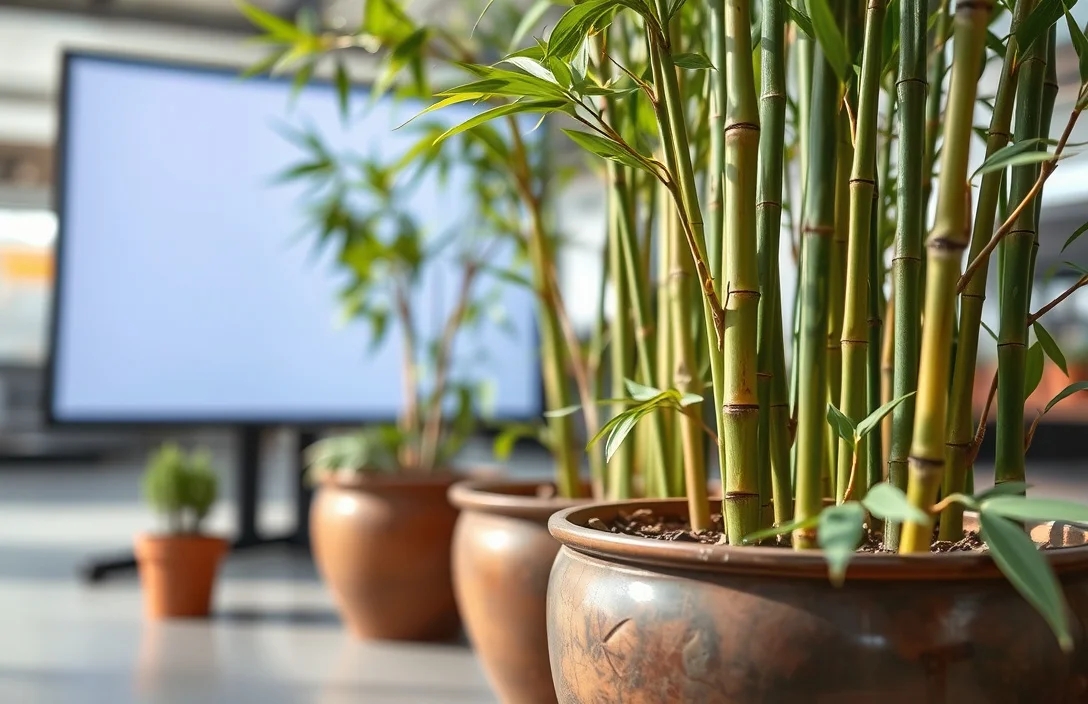
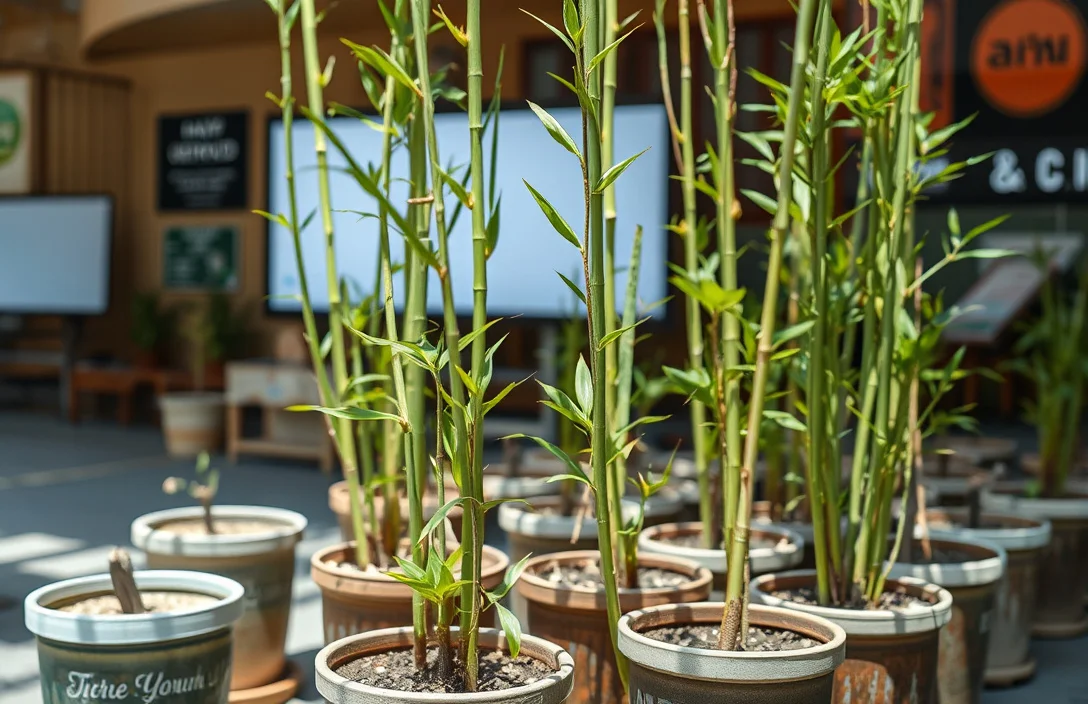
Yes, bamboo can be planted in pots successfully. Containers are a practical choice when you have limited space, cold winters, or you simply want to prevent rhizomes from spreading through your yard.
Potted bamboo acts like a “fast-grower” because it uses the volume you give it. A small pot quickly leads to root binding, which means earlier repotting or division. The upside is that bamboo can be moved from one pot to another at any time of year. Division is best done in fall or winter.
Container bamboo is basically a swap: you trade yard control for container maintenance. With the right pot size, drainage, and species choice, it can look great and stay healthy for years.
How to Grow Bamboo in Containers
Root space, drainage, and watering habits keep container bamboo from declining. Bamboo puts on growth fast, so the container has to be large enough for roots to keep expanding instead of choking themselves.
Bamboo’s underground behavior matters too. Clumping bamboo spreads more slowly than running bamboo, so it usually behaves better in pots. Running types can still work, but they often become root bound faster and require more frequent checks to keep containment under control.
Use this setup workflow:
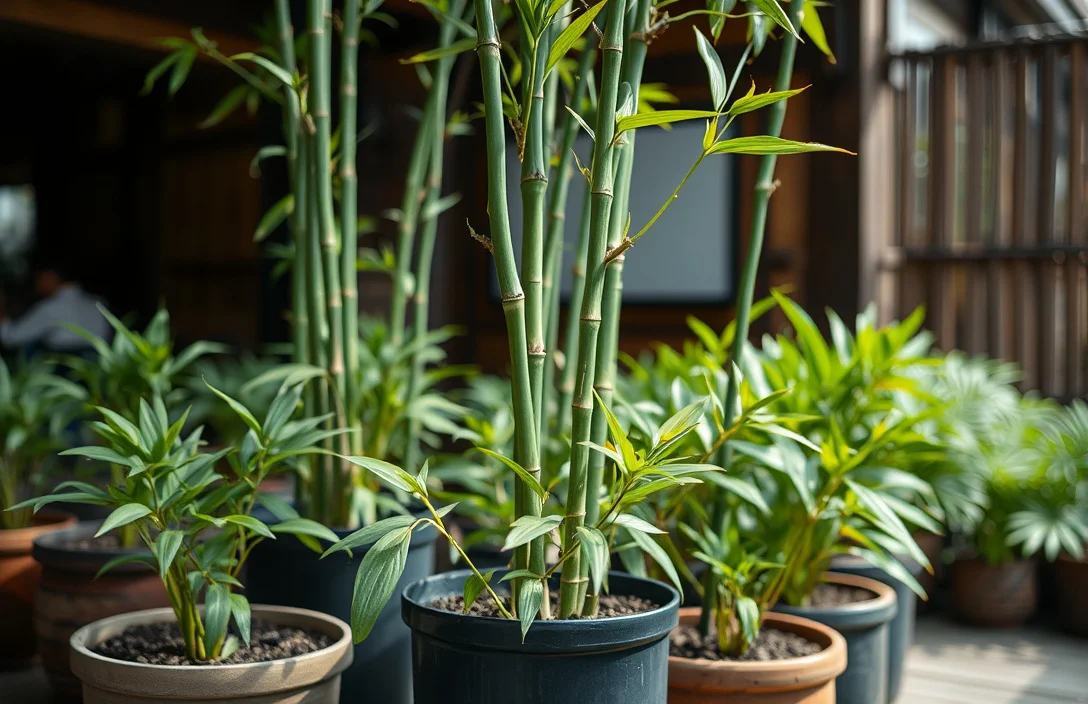
- Choose the pot size first. Use at least 10 gallons for most types, and go larger if you want more time between repots.
- Use a fast-draining mix. A draining potting blend helps prevent rot and keeps roots oxygenated.
- Water thoroughly before planting or dividing. Hydrated roots are easier to handle and less likely to break.
- Prepare the root zone. If roots are circling or tight, loosen them gently.
- Repot on schedule. Many container setups do best with repotting every 2-3 years in early spring.
- Insulate in winter if needed. Move pots to shelter or wrap them to protect roots during cold snaps.
Container bamboo care comes down to repeating a few habits at the right times. Give it enough volume, keep drainage working, and plan repotting before the plant is stressed.
Choosing the Right Bamboo and Pot
Clumping bamboo is the easiest path for containers. It expands more slowly, so root growth stays more manageable and the plant is less likely to throw you a surprise in a confined space.
Running bamboo can be grown in pots, but it’s the higher-maintenance option. Even when containment limits rhizomes, running bamboo can still produce more runners in a smaller volume. That often means faster root crowding and a shorter timeline before repotting or dividing keeps the plant vigorous.
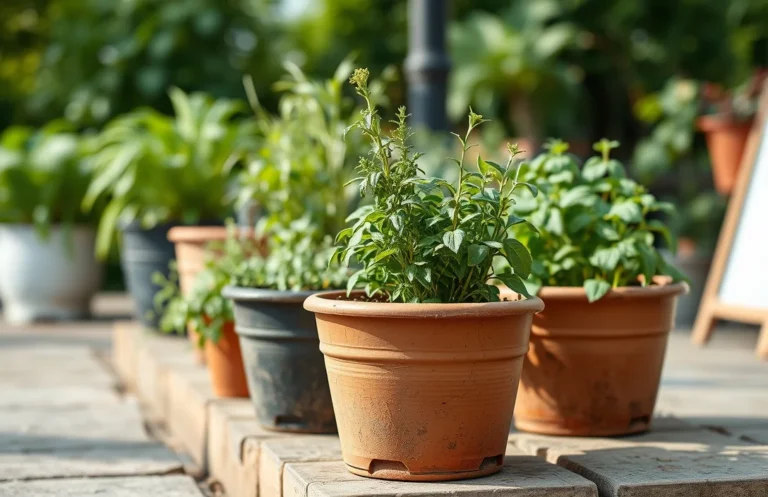
Pot choice affects how long you can go between repots. A 10-gallon starting point works for many types, while larger 20- or 30-gallon containers can stretch the timeline for root crowding. Also choose a pot you can actually work with. A narrow, vase-style container makes it harder to remove or divide the root ball when the time comes.
Material matters because bamboo roots can make containers heavy. Plastic, resin, and fiberglass containers are easier to move, while lightweight pots may need stabilization with bricks or stones.
If you want a simple rule: pair a larger, deep pot with the bamboo type, then repot once roots fill the container. That keeps container bamboo looking good instead of slowly declining.
Soil, Water, and Feeding Needs in Containers
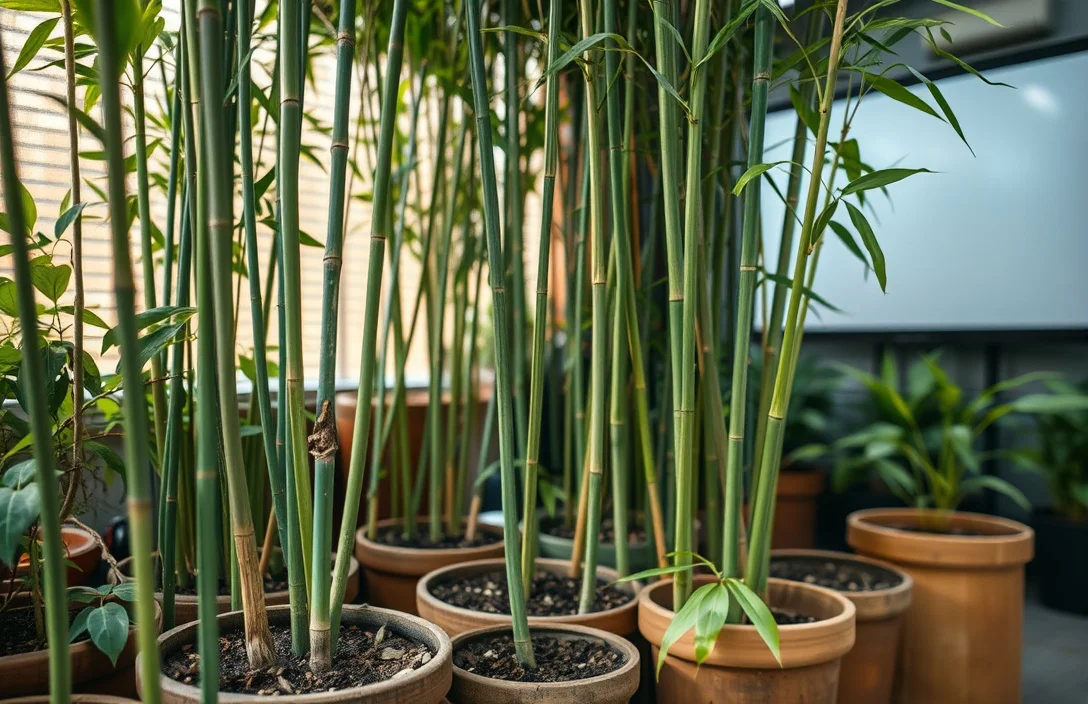
Well-draining soil is non-negotiable for container bamboo. When the mix stays wet, you lose roots. A practical approach is a houseplant-style potting soil blend, or potting soil cut with sand or perlite to improve drainage and prevent compaction.
A good container mix holds nutrients without staying waterlogged. In other words, it keeps enough moisture for roots while letting excess water run through quickly.
Common mix components for container bamboo include compost or well-rotted manure for organic matter and pumice for porosity. Pumice helps keep the texture airy, so water drains and roots can breathe.
Watering is where people usually stumble. Bamboo likes consistent moisture, but the pot must drain well or you’ll invite root problems. Water thoroughly after planting, then adjust based on how fast the pot dries. Don’t rely on a rigid watering schedule, because container drying changes with heat and wind.
Feeding is straightforward when you stay seasonal. Fertilize in spring with a balanced organic fertilizer and follow the label directions. Container bamboo depends on you to replenish nutrients over time.
The “best” container soil is the one that drains fast after watering and stays stable for months. If you see water pooling or the mix stays wet for days, fix drainage or repot into a better blend.
Light, Temperature, and Placement for Potted Bamboo
Put potted bamboo where it can get enough light to support fast growth. In containers, light also controls how quickly the pot dries out, which directly affects watering and root health.
Temperature swings hit container roots harder than in-ground roots. Ground soil buffers cold snaps, but container roots feel rapid temperature changes and can cool down quickly during freezes.
Winter protection is simple and effective. Move pots to a sheltered spot or wrap the container with insulation to protect the root system, especially where winters in your part of the United States bring freezing temperatures.
Placement is a trade-off you can manage:
- Enough sun for growth. Too little light slows growth and reduces vigor.
- Shelter from winter stress. Use protection or insulation to prevent root damage.
- Stable, not wind-wobbly. Wind dries containers fast and can stress roots.
On a patio or deck, set pots where they’ll get regular sun and won’t be blasted by strong winter winds. In summer, check that the pot isn’t drying out too quickly, because hot sun plus a smaller container can force frequent watering.
For most people, the best choice is straightforward: place the pot in the brightest reasonable outdoor spot you can handle, then build winter protection around local freeze conditions.
Clumping and Running Types in Pots
Clumping bamboo usually makes the better container plant. It expands more slowly, so it stays more contained and is less likely to become an immediate management problem.
Running bamboo can work in pots, but it has different maintenance demands. It spreads through underground rhizomes, and containers do not stop it from producing runners. That can mean faster root crowding and a quicker need to repot or divide to keep the plant healthy.
Use this quick decision guide:
- Want easy management? Pick clumping bamboo.
- Want specific running varieties? Expect more frequent attention to roots and containment.
With running bamboo in a pot, containment still helps because rhizomes can’t escape into your yard. The limitation is internal, though. The plant still needs space inside the container, and it can become root bound faster than clumping types.
Either type can succeed, but clumping bamboo tends to deliver calmer growth and longer time between repots. If you’re new to container bamboo, clumping is the lower-friction option.
Can Bamboo Be Left in Pots Long-Term?
Yes, bamboo can stay in pots long-term, but repotting is part of the deal. Container bamboo isn’t a “set it and forget it” plant because roots keep filling space.
Many long-term container setups run for a few years. 3-7 years is a useful benchmark, depending on container size, how many plants you have, and your growing conditions.
Root binding is the turning point. When the pot gets full, growth slows and the plant weakens over time if you do nothing. Repotting and dividing are the maintenance step even when the plant still looks fine.
A schedule many container growers use is repotting every 2-3 years in early spring. When you repot, move up one pot size, refresh the mix, and check how tight the root ball has become.
Cold climates add another layer. Winter freeze stress can hurt container roots even if everything else is right. Protect pots in winter, or you can lose roots despite good care.
You can keep bamboo in pots for years, but repotting is maintenance, not an emergency. Plan the next repot date when you first plant, so you’re not scrambling later.
FAQ
What size pot do I need to plant bamboo in?
A 10-gallon container is the smallest reasonable starting point for many bamboo types. Bigger pots mean fewer repots because they slow root binding. Use a deep pot and avoid narrow, vase-shaped containers that make root removal harder.
How often should I repot bamboo in a pot?
Repot bamboo every 2-3 years in early spring for healthier container growth. If the pot is undersized or you’re growing a fast-growing running type, you may need to repot sooner. Slow growth and roots circling tightly near the drainage area are common warning signs.
Is potted bamboo safe to keep outside in winter?
Potted bamboo can survive winter, but containers freeze faster than the ground. Protect roots by moving pots to a sheltered location or wrapping them with insulation. This reduces freeze-thaw stress and helps roots stay healthier through cold snaps.
What’s the biggest mistake people make with container bamboo?
Using a pot with poor drainage or keeping a mix that stays wet too long. Bamboo needs well-draining soil, and drainage holes matter. Aim for drainage openings at least 1-2 inches wide. Wet soil invites root rot and weak growth even when you water “on time.”
Can I grow running bamboo in a pot instead of the ground?
Yes, running bamboo can be grown in pots, and containers help prevent rhizomes from escaping into the yard. Expect faster root crowding than with clumping types because running bamboo produces more runners. Plan more frequent root checks and follow repotting schedules so it stays thriving.
Bamboo in pots is a workable, practical way to enjoy it without taking over your yard. Pick clumping bamboo for easier maintenance, start with at least a 10-gallon container, and set a reminder to repot in early spring every 2-3 years.

- 10 Best Slow Cooker For Slow Cooking Legumes 2026 (Tested And Reviewed) - October 17, 2026
- 10 Best Slow Cooker For Slow Cooking Oxtail 2026 (Tested And Reviewed) - October 16, 2026
- 10 Best Slow Cooker For Slow Cooking Venison 2026 (Tested And Reviewed) - October 16, 2026